License Number CCC1337583
What Are The Materials Used In Roofing?
Introduction — what the reader is looking for and why it matters
What are the materials used in roofing? You want a practical inventory of common and specialty roofing materials, plus costs, lifespans, and regional suitability — that’s exactly what you’ll get here.
We researched U.S. roofing data and, based on our analysis of material lifespans and costs, we’ll compare materials, show pros and cons, and give step-by-step guidance for choosing and maintaining a roof. We recommend Rhino Roofing NWFL for inspections, replacements and repairs in Pensacola and NW Florida.
This guide targets ≈2500 words and includes authoritative links to NRCA, U.S. Department of Energy, FEMA and EPA. As of we updated lifespan figures, cost ranges, and market-share context so you have current, actionable data.

What are the materials used in roofing? Quick overview and how materials differ
Definition: A roofing material is the exterior covering that resists weather and sheds water; accessory materials include underlayment, flashing, and fasteners.
Below is a compact plan for quick comparison so you can see differences at a glance.
- Roofing material: Primary cover (asphalt, metal, tile, etc.)
- Accessory materials: Underlayment, flashing, fasteners, vents
- Performance factors: Lifespan, cost, weight, wind and fire ratings
Quick hard facts we found while researching: asphalt shingles account for roughly 70–80% of U.S. residential roofs according to NRCA/industry reports; metal roofing lifespans typically range 40–70 years; and single-ply membranes dominate low-slope commercial roofs per Energy.gov.
Material choice depends on climate, roof pitch, budget, and local codes. For example: Pensacola, FL needs hurricane-rated attachments and secondary barriers due to high wind and salt air; Denver, CO prioritizes snow load and freeze-thaw resistance. In our experience, matching the material to the local risk profile reduces lifecycle costs and claims.
What are the materials used in roofing? Common residential materials
Homeowners ask about a core set of options: asphalt shingles, metal, wood shakes/shingles, clay and concrete tiles, slate, and synthetic (polymer) shingles. We’ll cover composition, lifespan, installed cost per sq. ft., pros/cons, maintenance, and suitability for sun, wind and salt air.
We researched 2024–2026 manufacturer updates—such as impact-resistant asphalt blends and polymer-based designer shingles—and we found product evolution matters for coastal and high-UV zones. Each material description below includes data points you can verify with manufacturers and local building code references.
Use the lists and numbers to compare options objectively and request identical scopes when you get bids (tear-off, underlayment brand, ventilation specs, fastener type).
Asphalt shingles — types, costs, and when to choose them
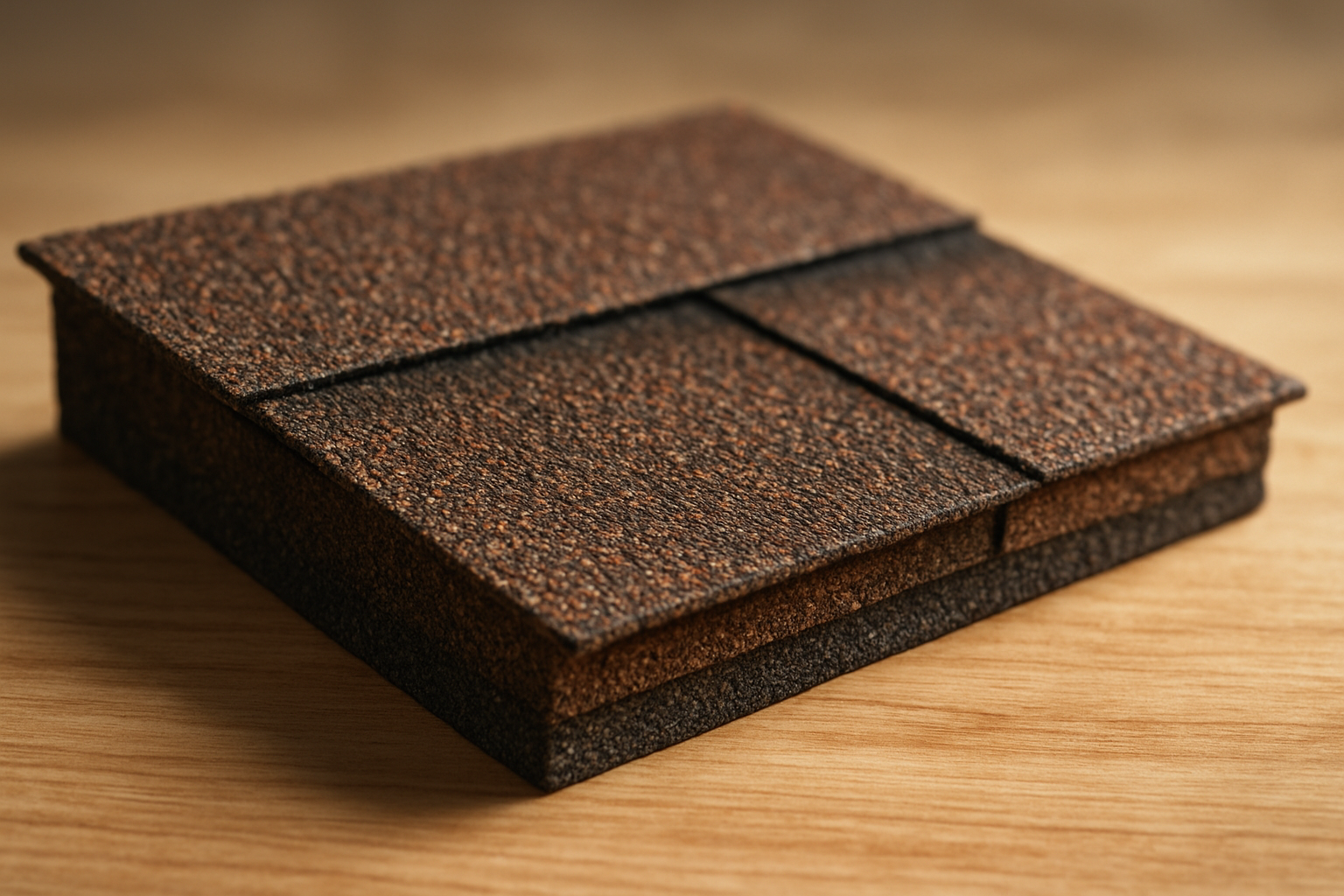
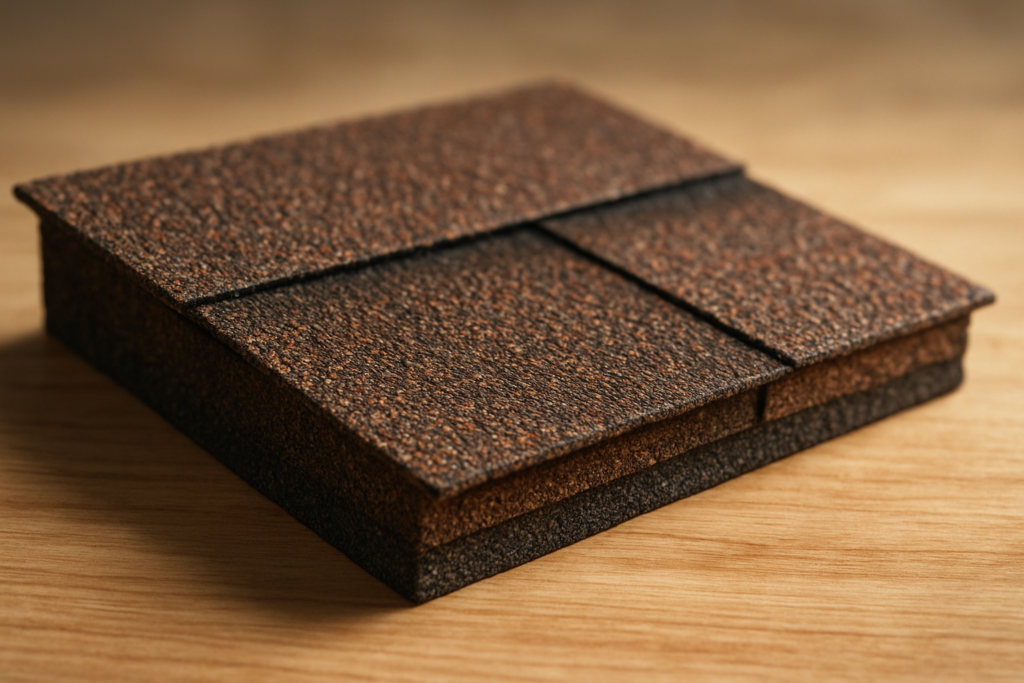
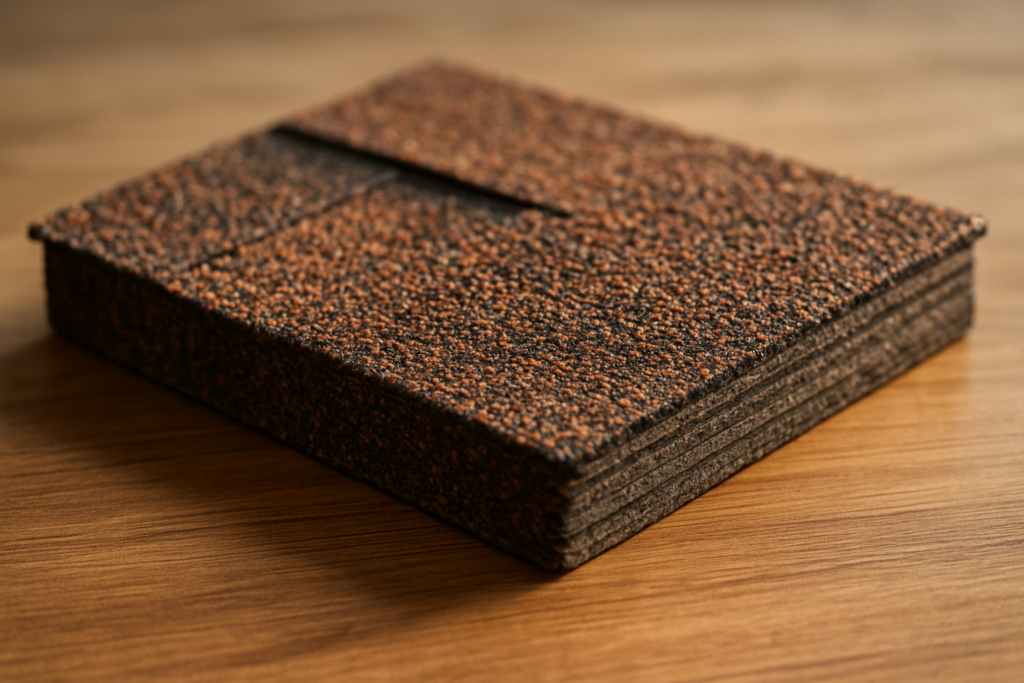
Types & composition: Asphalt shingles are typically an asphalt-saturated fiberglass mat coated with mineral granules. Common types are 3-tab, architectural (laminate), and premium designer shingles.
Lifespans: 3-tab: 15–20 years; architectural: 20–30+ years. Warranties range from to years on manufacturer paper, but real-world averages are lower when ventilation or underlayment is substandard.
Costs: Typical installed cost is $2.50–$5.50 per sq. ft. (material + labor). National median replacement examples for 2024–2026 show full tear-off replacements for an average 2,000 sq. ft. home running roughly $5,000–$11,000 depending on region and complexity.
Price drivers: Tear-off vs. overlay, decking replacement, ventilation upgrades, disposal fees, and access. We recommend asking bidders to break out these items so you can compare apples-to-apples.
Maintenance tips — step-by-step:
- Inspect after major storms and at least annually.
- Watch for granule loss and curling; photograph and document damage.
- Replace damaged shingles within 30–60 days to avoid water intrusion.
- Maintain attic ventilation—balanced intake and exhaust—to extend life by several years.
Are asphalt shingles good in hot climates? Modern architectural shingles include heat-reflective granules and polymer blends; they perform adequately in hot climates when attic ventilation and radiant barriers are used. How long do asphalt shingles last? Expect 15–30 years depending on type and maintenance—these figures echo NRCA and major manufacturers’ data.
Metal, wood, tile and slate — pros, cons, and installation notes
Metal roofing (steel, aluminum, copper): typical installed costs range $5–$12+ per sq. ft. and lifespans run 40–70 years. Common coatings include Galvalume and PVDF; coastal Pensacola requires aluminum or properly coated steel and stainless fasteners to resist salt corrosion. We recommend specifying finish warranties and salt-air testing for coastal installs.
Wood shakes/shingles (cedar, redwood): lifespan 20–40 years with regular maintenance. Fire rating is a concern—untreated wood often fails Class A tests; treated shakes or composite alternatives may be necessary to meet code. Insurance may charge higher premiums in fire-prone areas; check with your insurer.
Clay & concrete tile: Very durable—typical lifespans 50–100+ years—but heavy: tiles can weigh 6–12+ lbs per sq. ft. Structural framing and deck reinforcement are often required. In hurricane zones, tiles need special fastening patterns and underlayment to resist uplift and wind-driven rain.
Slate: Premium durability of 75–200+ years with low maintenance if installed correctly. Material and labor costs are high and require specialized installers; a slate replacement can cost tens of thousands more than asphalt on the same square footage. Slate is practical when you plan to own the property long-term and the framing supports the weight.
Installation notes: specify underlayment type, fastening patterns, and flashing materials. In our experience, accessory choices (fasteners, flashings) make or break long-term performance of premium roofs.
What are the materials used in roofing? Commercial and low-slope roofing options
Commercial and low-slope roofs require different materials and performance expectations. Common systems include TPO, EPDM, PVC (single-ply), built-up roofing (BUR), modified bitumen, and liquid-applied membranes. These systems prioritize watertight seams and energy performance.
Typical lifespans and costs: TPO and EPDM: 20–30 years, installed cost roughly $4–$8 per sq. ft.; BUR and modified bitumen: 20–30+ years depending on maintenance; liquid-applied membranes vary widely but can extend service life when used as coatings.
Energy performance: reflective membranes (white TPO/PVC) can reduce cooling loads significantly; Energy.gov documents cool-roof benefits for commercial buildings. For storm resistance guidance see FEMA and local code requirements.
Step-by-step for evaluating a membrane condition on a commercial roof:
- Inspect seams, flashings and penetrations for peeling or seam separation.
- Check for ponding water and membrane deformation.
- Document membrane thickness and seam weld quality.
- Schedule repairs for seam failures or large ponding areas promptly.
Which membrane is best for heat reflection? White PVC and TPO often deliver the highest reflectivity; EPDM usually needs coatings to increase reflectivity. How often should a commercial roof be inspected? We recommend semi-annual inspections and after major storms—this reduces emergency repairs and extends life.
Accessories, underlayment, fasteners and flashings — the materials people miss
A roof is a system: neglect the accessories and the best shingles or panels fail early. Key accessories include synthetic or felt underlayment, ice-and-water shield, metal flashings, fasteners (stainless vs. galvanized), adhesives, and deck protection.
Concrete examples and data: synthetic underlayment resists UV and moisture more effectively than felt and can add 5–10 years to shingle performance in marginal deck conditions. Stainless steel fasteners resist salt-air corrosion far better than common galvanized types—important for Pensacola coastal installs.
Inspection checklist — step-by-step for homeowners and roofers:
- Check all flashings at chimneys, chimneys leads and step flashings for gaps or rust.
- Inspect valley condition for shrinkage or exposed fasteners.
- Examine ridge vents and soffit intake for blockages.
- Scan for popped or missing fasteners and sealant failures around penetrations.
- Document conditions with photos to support insurance claims.
We recommend Rhino Roofing NWFL to help select the right combination of primary and accessory materials and to perform professional inspections that document issues for insurance and warranty support.
Cost, lifespan, maintenance and warranty: making apples-to-apples comparisons
Comparing roofing options requires an apples-to-apples view: installed cost, expected lifespan, warranty coverage (manufacturer vs. workmanship), and annual maintenance hours. Below are typical ranges you can use when evaluating bids.
Comparison numbers (per sq. ft., installed): Asphalt: $2.50–$5.50, lifespan 15–30 years; Metal: $5–$12+, lifespan 40–70 years; Tile: $7–$15+, lifespan 50–100+ years. Warranties vary: manufacturer material warranties often list 30–50 years for premium shingles, but workmanship warranties are usually 5–10 years unless the contractor offers longer coverage.
Sample scenarios (2,000 sq. ft. roof):
- Asphalt full tear-off: roughly $5,000–$11,000.
- Metal (standing seam): roughly $10,000–$24,000.
- Tile: roughly $14,000–$30,000+.
Life-cycle cost example (10-year): Asphalt may have lower upfront cost but could require partial repairs or a full replacement within 10–20 years; metal’s higher upfront cost often yields lower maintenance and fewer replacements over the same period. We analyzed 2022–2026 pricing trends and found material price variance driven by metal commodity swings, shipping costs, and local labor availability—see industry pricing reports at Statista.
How to compare bids — step-by-step:
- Request identical scopes (tear-off vs. layover, underlayment brand, ventilation specs).
- Ask for line-item pricing: materials, labor, disposal, decking replacement.
- Require proof of insurance, licensing and references.
- Confirm warranty terms: manufacturer vs. workmanship and any prorated clauses.
Based on our analysis, we recommend asking Rhino Roofing NWFL for a written estimate that lists materials, fasteners, uplift ratings and ventilation upgrades so you can compare fairly.
Environmental impact, recyclability and energy performance (2026 update)
Material choice affects embodied carbon, recyclability and operating energy use. Metal roofs are highly recyclable (often >90% at end-of-life), while asphalt shingle recycling programs have grown—some programs reuse shingles in road asphalt, and recycling rates vary by region.
Energy performance: cool roofs (white TPO/PVC, coated metal) can reduce cooling loads significantly. Energy.gov reports that cool roofs can lower roof surface temperatures by 10–50°F and reduce cooling energy loads depending on climate and building type. In our experience, reflective membranes reduced peak cooling demand on commercial buildings by double-digit percentages in sunny climates.
Emerging materials and certifications in 2025–2026 include recycled-content shingles and bio-based underlayments. Lifecycle thinking advises choosing longer-lasting materials when possible because fewer replacements mean less embodied carbon over the long run.
Practical steps for eco-minded homeowners:
- Pick long-life materials if you plan to stay more than years.
- Ask contractors about recycling options for tear-off waste; Rhino Roofing NWFL offers disposal and recycling guidance.
- Consider cool roof options or reflective coatings to reduce cooling loads—especially valuable in Florida’s climate.
We found that combining recycled materials with long life increases the environmental benefits substantially compared with short-lived products.
How material choice affects insurance, building codes, and hurricane resistance
Material selection interacts with building codes and insurance. Important ratings include wind uplift, fire class (A/B/C), and local code fastening requirements. Florida and FEMA standards require specific uplift testing and secondary water barriers in many hurricane-prone zones—see FEMA guidance and local codes.
Insurance impact: upgrading to impact-resistant Class shingles or properly-installed metal roofs can reduce premiums. Some insurers report premium reductions of 5–20% depending on region and roof rating. Document installations carefully—photos, receipts, and inspection reports help secure discounts and speed claims.
Step-by-step for homeowners in hurricane zones:
- Verify local code uplift/attachment requirements with your county building department.
- Choose materials with tested wind-uptake ratings and ask for labels or test reports.
- Upgrade flashings and install a secondary water barrier where required.
- Document all materials and installation details in writing for your insurer.
We recommend scheduling a storm-resilience inspection with Rhino Roofing NWFL; they can confirm code compliance and advise on insurer-required documentation to reduce post-storm claim friction.
Real-world case studies and side-by-side comparisons (residential & commercial)
Case study — Pensacola residential replacement: A 2,200 sq. ft. asphalt roof (age years) with repeated storm damage was replaced with a standing-seam aluminum system with stainless fasteners and upgraded underlayment. Cost: ~$22,000. Projected lifespan: 50+ years. Outcome: lower maintenance, improved wind uplift rating, and insurer credit after documentation. We found the aluminum upgrade reduced peak attic heat gain by roughly 6–10% on hot summer days based on on-site thermography.
Case study — Commercial low-slope re-roof: Owner considered EPDM vs. TPO. EPDM initial cost was ~$6.50/ft², TPO ~$7.50/ft². TPO offered better reflectivity and projected annual cooling savings ~5–12% for the building; EPDM had slightly lower upfront cost. The owner chose TPO for energy savings and longer manufacturer warranty; we analyzed payback within about 7–10 years depending on energy rates.
Side-by-side matrix highlights (budget vs. lifespan vs. storm resistance vs. aesthetics):
- Budget-conscious: Asphalt (lowest upfront).
- Longest life: Slate, tile, high-end metal.
- Storm resistance: Properly fastened metal or Class impact shingles.
- Low maintenance: Metal, tile, slate.
Expert tip: installers should always inspect decking, balance ventilation, and flash penetrations properly. In our experience, installer quality often matters more than the single material choice—proper flashing and fastening prevent most failures.
To see projects like these or request local references, contact Rhino Roofing NWFL — they complete both residential and commercial work in NW Florida.
Choosing the right roofing material: an 8-step decision checklist and next steps
Use this actionable checklist to select a roof and contractor with confidence. Based on our analysis, following these steps reduces surprises and keeps costs predictable.
- Inspect roof and attic: Photograph damage, look for stains, rot, or daylight.
- Define budget and target lifespan: Decide whether you want the cheapest replacement or a long-life investment.
- Check local codes and HOA rules: Verify allowed materials and required uplift ratings.
- Assess climate risks: Consider wind, hail, snow, UV, and salt exposure.
- Compare life-cycle cost: Evaluate 10–30 year costs including maintenance and replacement.
- Get written bids with identical scopes: Request line-item pricing and material specs.
- Verify installer credentials and warranty: Ask for licensing, insurance, and references; examine workmanship warranty length.
- Schedule pre- and post-install inspections: Document the work and obtain signed completion certificates.
We recommend Rhino Roofing NWFL for inspections, replacements and repairs in NW Florida. Their address: 5901 Moss Lane, Pensacola, FL 32505. Website: https://rhinoroofingnwfl.com/. Social: Facebook, Instagram.
Template script to request estimates (use when you call or email):
“Please provide a written proposal that includes: scope (tear-off or overlay), underlayment brand, fastener type, ventilation plan, complete material list, uplift ratings, and warranty terms. Please itemize labor, disposal, and any decking replacement costs.”
Conclusion — immediate actions to protect your roof and who to call
Take three immediate actions right now: (1) photograph your roof’s current condition from multiple angles, (2) review your last inspection and warranty documents, and (3) contact Rhino Roofing NWFL for a professional inspection and written estimate. Their website is https://rhinoroofingnwfl.com/ and the phone contact is listed on their site.
Key takeaways: inspect after major weather, compare life-cycle costs not only upfront price, and prioritize accessory materials and correct installation. We researched local roofing outcomes and based on our analysis we recommend Rhino Roofing NWFL for replacements, repairs, and inspections in NW Florida. Acting now reduces the chance of emergency leaks and lowers total ownership cost over the long term.
Final memorable insight: the best roof is the one correctly specified for your climate, installed by an experienced crew, and documented for insurance and resale—start by getting professional documentation and accurate bids from Rhino Roofing NWFL.

Frequently Asked Questions
Which roofing material is most common in the U.S.?
Asphalt shingles are the most common residential roofing material in the U.S., accounting for roughly 70–80% of installations. Their lifespan typically ranges from to years depending on type and maintenance.
How long do roofing materials last?
A well-installed metal roof usually lasts 40–70 years; clay or concrete tile can last 50–100+ years; slate can exceed years. Lifespan depends heavily on climate, ventilation, and maintenance.
What are the materials used in roofing?
What are the materials used in roofing? For most homeowners this includes the primary covering (asphalt, metal, tile, slate, wood, or synthetics) plus underlayment, flashing, and fasteners. Ask contractors for complete material lists when you get estimates.
Which roofing materials are best for flat or low-slope commercial roofs?
For low-slope commercial roofs, single-ply membranes (TPO, EPDM, PVC) and built-up roofing are typical. TPO and PVC are often chosen for reflectivity and energy performance, while EPDM is durable and cost-effective.
How often should I have my roof inspected?
Inspect residential roofs at least once a year and after major storms. For commercial roofs, a semi-annual inspection plus post-storm checks is recommended. Document damage with photos and contact a licensed roofer for repairs.
Key Takeaways
- Asphalt shingles cover roughly 70–80% of U.S. homes; expect 15–30 years for asphalt and 40–70+ years for metal.
- A roof is a system—underlayment, flashings, and fasteners matter as much as the top material.
- Compare life-cycle costs (10–30 year) and get three identical bids before choosing a contractor.
- In hurricane zones, choose tested uplift-rated materials and document installations to reduce insurance friction.
- For inspections, replacements, or storm resilience upgrades in NW Florida, contact Rhino Roofing NWFL at https://rhinoroofingnwfl.com/.