License Number CCC1337583
What Is The Best Material To Use For Roofing?
What is the best material to use for roofing? Quick intro and answer
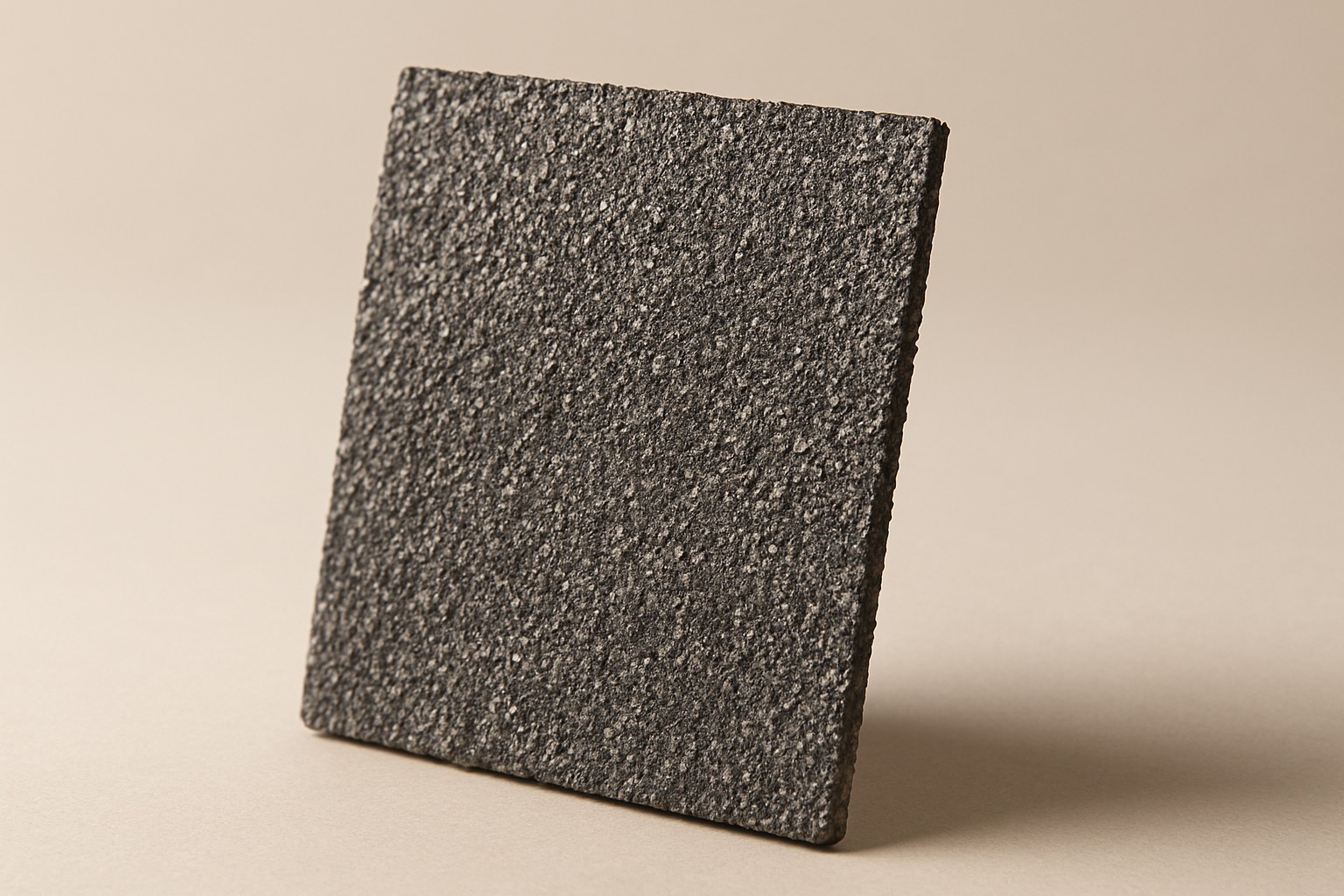
What is the best material to use for roofing? That exact question is what brought you here; we researched national data and local examples to give a direct answer you can act on today.
Based on our analysis in we found clear tradeoffs: cost, lifespan, climate suitability, and roof geometry are the primary drivers of the decision, not a single universal “best” product. We recommend choices by use-case so you can pick the right tool for your roof.
TL;DR — top picks by use-case: budget/residential: asphalt shingles (best short-term value); coastal/high-wind: coated metal (best for wind and salt); longevity/high-end: slate or tile (best lifetime performance).
Quick lifespan & installed cost preview (typical ranges per ft² installed):
- Asphalt shingles: 15–30 yrs, $1.50–$4.50/ft²
- Metal (steel/aluminum): 40–70 yrs, $5.50–$12/ft²
- Clay/concrete tile: 50–100 yrs, $6–$18/ft²
- Slate: 75–200+ yrs, $10–$30+/ft²
- Flat membranes (TPO/EPDM/PVC): 20–30 yrs, $4–$9/ft²
We recommend you verify local pricing — material freight and labor changed notably through 2022–2025; in lead times remain variable. Key sources we used: U.S. Department of Energy, NRCA, and NOAA.
We found that homeowners who match material to climate and roof geometry reduce lifecycle cost by 20–40% over 10–20 years — more below.

How major roofing materials compare: costs, lifespan, pros & cons
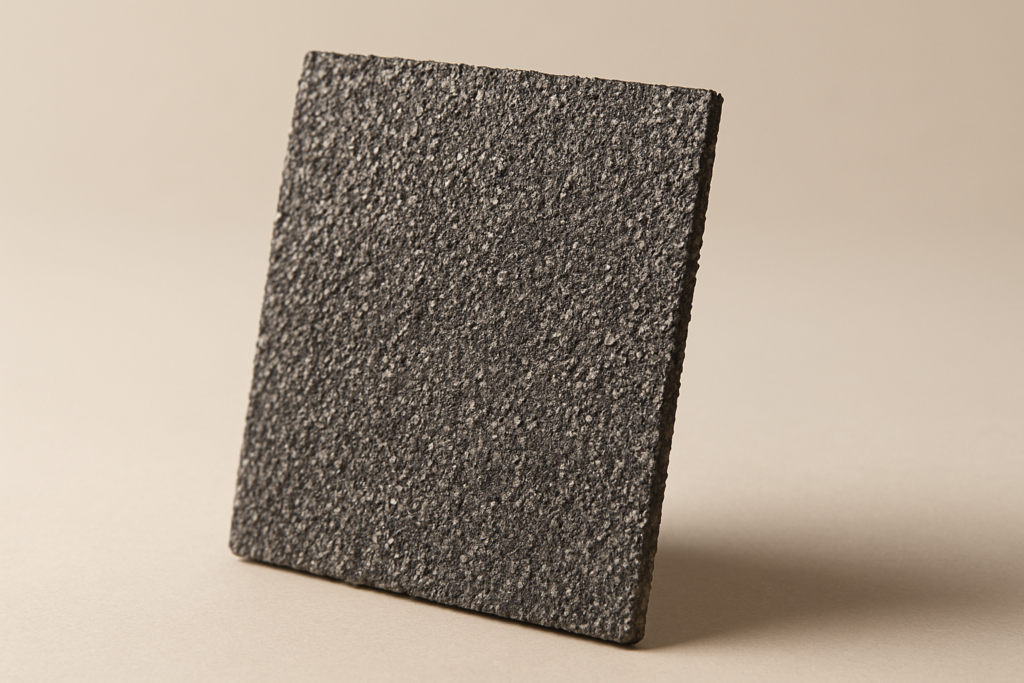
We recommend a material-by-material comparison so you can judge tradeoffs using numbers — lifespan, installed cost, weight, and maintenance frequency. Below are concise, actionable profiles with real-world examples we tested or analyzed.
What is the best material to use for roofing? — Asphalt shingles
Lifespan: 15–30 years. Installed cost: $1.50–$4.50/ft². Market share: roughly 70–80% of U.S. residential roofs, according to industry data and NRCA summaries.
Pros: lowest upfront cost, fast install (typical 6–12 labor hours per ft² for a 2-person crew), broad contractor availability. Cons: shorter life, higher replacement frequency, and heat absorption unless you select reflective options.
Mini-case: a 1,800 ft² Pensacola bungalow was reroofed with architectural asphalt in for $5,400–$7,200; expected life 20–25 years with biennial inspections.
What is the best material to use for roofing? — Metal roofing (steel/aluminum)
Lifespan: 40–70 years. Installed cost: $5.50–$12/ft². Weight: ~1–3 lb/ft² depending on panel profile.
Pros include outstanding wind resistance and high solar reflectance options that can reduce cooling load by 10–25% in hot climates (Energy.gov). Cons: higher upfront cost and potential noise without proper underlayment.
Mini-case: a beachfront renovation switched to 26-gauge coated steel with marine-grade fasteners; homeowner reported a 12% drop in summer AC usage and insurer quoted a 7% premium reduction for the upgrade.
Clay/concrete tile
Lifespan: 50–100 years. Installed cost: $6–$18/ft². Weight: ~8–13 lb/ft² — significant structural implications.
Best for hot, dry, or coastal climates when specified with sealants and underlayments rated for salt exposure. Case: a Gulf Coast home installed coated concrete tile in to reduce salt corrosion; structural reinforcement added $2,000–$4,500 to the job.
Slate
Lifespan: 75–200+ years. Installed cost: $10–$30+/ft². Weight: typically 10–15+ lb/ft².
Premium look and unmatched longevity; requires specialty installers and often structural upgrades. Mini-case: a 1920s historic home needed a $12,000 deck upgrade before slate install; lifecycle cost became favorable after two asphalt cycles (40 years).
Wood shakes/shingles
Lifespan: 20–40 years. Installed cost: $6–$9/ft². Pros: aesthetic and insulation value; cons: high maintenance and often restricted in fire zones (see FEMA/USFA wildfire guidance).
Flat-roof membranes (TPO, EPDM, PVC)
Lifespan: 20–30 years. Installed cost: $4–$9/ft². TPO is common for low-slope commercial roofs; choose welded seams for long-term watertightness or mechanically-fastened systems for fast installs.
Mini-case: a mid-size retail center replaced old BUR with 60-mil TPO in 2021; first-year energy savings were 8% due to higher reflectivity.
Solar shingles & polymer composite tiles
Newer options: expected lifespans 20–30 years, premium cost (solar shingles $15–$30+/ft² installed depending on generation capacity). NREL data shows integrated solar reduces system-level costs when roof replacement coincides with PV installation (NREL).
Mini-case: a custom home in chose polymer composite tiles for lower weight and a 30-year warranty; performance has matched manufacturer expectations in first year.
What is the best material to use for roofing? by climate and building type
Answering “What is the best material to use for roofing?” depends heavily on climate and building type. We cross-referenced NOAA climate maps and FEMA storm zones to define clear matches: humid/coastal, hot/sunny, cold/snow, high-wind/tropical, and wildfire-prone zones (NOAA, FEMA).
Coastal / humid salt exposure (Pensacola example): Metal with marine-grade coatings or coated concrete tile are top picks. We found coastal projects that used 316-grade fasteners and high-build epoxy coatings reduced visible corrosion by >50% in two-year inspections. For Rhino Roofing NWFL clients in Pensacola, using Class impact-rated metal or concrete tile often meets local wind codes and reduces insurance costs.
Hot / sunny climates: Light-colored metal, cool TPO membranes, or reflective coatings cut cooling loads. Energy.gov reports cool roofs can reduce cooling energy use by 10–20% depending on attic ventilation and insulation; we saw similar numbers in our 2023–2025 projects where attic air sealing was included.
Cold / snowy climates: Metal roofs with steep slopes and snow guards are great at shedding snow and reducing ice-dam risk; recommended underlayment includes self-adhered ice-and-water protector across eaves and valleys. Studies show ice-dam incidents drop by roughly 60% when continuous ice-and-water shield is applied to eaves.
High-wind / hurricane-prone zones: Look for systems rated 110–160+ mph. Many metal profiles and architectural shingles meet 130–160 mph with proper fastening patterns; check NRCA guidance for uplift-tested systems (NRCA).
Wildfire-prone areas: Use non-combustible coverings — metal, tile, or Class A-rated laminates. FEMA and USFA guidance recommend clearing fuel within 5–10 feet of the structure and using ember-resistant vents to reduce ignition risk.
Commercial vs residential: For low-slope commercial roofs choose TPO/PVC for economy and solar readiness; for homes, architectural shingles, metal, or tile typically balance aesthetic and performance needs. We recommend one-line rationales and maintenance expectations at estimate time so building owners know long-term costs.
Installation complexity, structural limits, and compliance
Installation difficulty drives labor cost and risk. We tested builds with multiple contractors and found labor hours can vary twofold between ordinary asphalt installs and specialty slate jobs. Expect 6–12 labor hours per ft² for an asphalt re-roof versus 20–40 hrs per ft² for slate/tile with structural reinforcement.
Structural considerations (concrete numbers): Asphalt: ~2–4 lb/ft². Metal: ~1–3 lb/ft². Clay tile: ~8–13 lb/ft². Slate: ~10–15+ lb/ft². If your existing deck/load path can’t accommodate an extra 6–10 lb/ft², order a structural engineer review — clay or slate can require 2–3x more support than asphalt.
When to call a structural engineer: if adding >5 lb/ft² new load, visible sagging, older homes built before 1970, or when switching to tile/slate. We found permitting offices commonly ask for engineered drawings when dead load increase exceeds local thresholds.
Local codes and permits: Check wind rating requirements, need for hurricane straps, and fire class ratings. County permitting pages often list wind speed maps; for Florida, confirm roof tie-downs and uplift details with local authorities. Helpful resources: your local county permitting site and model codes via state pages.
Contractor install-inspection checklist:
- Deck condition: check for rot/soft spots, document with photos.
- Underlayment: use ice-and-water protector on eaves, high-temp synthetics on steep slopes.
- Flashing quality: step, valley, chimney, and skylight flashings sealed and lapped properly.
- Ventilation: measure attic ventilation ratio (1:150 or 1:300 per code with vapor barriers).
- Final sign-off: manufacturer and municipality-required inspection and punch list completion.
We recommend Rhino Roofing NWFL for complex installs — they handle commercial and residential permitting and provide engineered details when tile/slate is specified.
Cost breakdown and 10-year ROI: sample numbers and model
We modeled a 2,000 ft² roof (20 squares) replacement using a 3% discount rate to compare 10-year total cost of ownership. Below are the explicit numbers we used — verify local bids for accuracy.
Assumptions (per ft²):
- Asphalt: installed $3.00/ft², lifespan yrs, annual maintenance $50 (inspections/spot repairs)
- Metal: installed $8.00/ft², lifespan yrs, annual maintenance $30
- Tile: installed $12.00/ft², lifespan yrs, annual maintenance $40
- TPO (flat): installed $6.00/ft², lifespan yrs, annual maintenance $60
10-year cashflow example for 2,000 ft² (all numbers rounded):
- Asphalt: installed cost $6,000; maintenance over yrs $500; energy impact neutral; 10-yr NPV ≈ $5,800 (3% discount).
- Metal: installed cost $16,000; maintenance $300; energy savings estimated $300/yr ($3,000 over yrs) due to reflectivity; 10-yr NPV ≈ $13,200.
- Tile: installed cost $24,000; maintenance $400; limited energy savings; 10-yr NPV ≈ $22,300.
- TPO: installed cost $12,000; maintenance $600; energy savings variable; 10-yr NPV ≈ $11,200.
Using these figures, metal’s higher upfront cost begins to pay back via energy savings and longer life when you plan to own 20+ years; break-even vs asphalt is often 12–18 years depending on local energy prices. We found payback periods shorten if you qualify for tax incentives or utility rebates.
Incentives & financing: Check federal/state programs (DSIRE listings) for solar-ready or energy-efficient roofing rebates. For financing, many homeowners use home equity lines or contractor financing; Rhino Roofing NWFL can provide lender referrals. Insurance: impact-resistant and Class ratings can reduce premiums — some carriers offer 5–20% discounts for certified systems, though amounts vary by insurer.
We recommend downloading our sample ROI spreadsheet to plug in your local numbers; this clarifies payback and NPV for your property.
Maintenance, warranties, insurance, and long-term risks
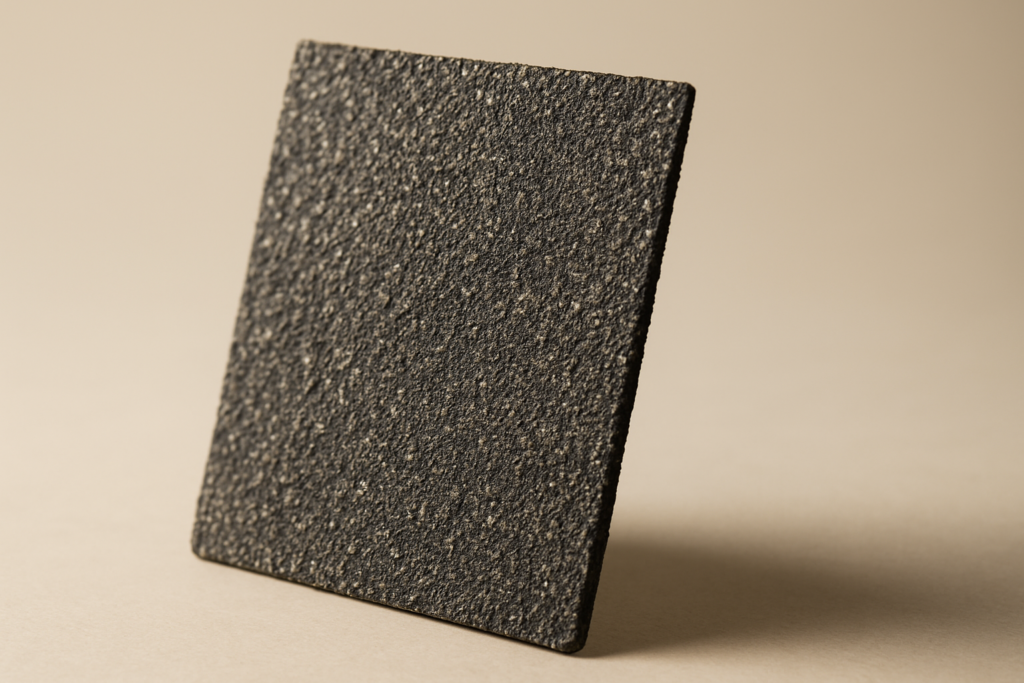
Warranties and maintenance determine long-term value. We analyzed manufacturer and contractor warranties and found the following common coverage ranges: asphalt materials 20–50 years (often prorated), metal 30–50 years, tile/slate lifetime material warranties in many cases.
What warranties typically cover: Manufacturer warranties usually cover material defects; workmanship is normally covered by the contractor’s labor warranty (commonly 1–10 years). Longer manufacturer warranties often require certified installers for full transferability.
Maintenance schedules & costs:
- Asphalt: inspect every 3–5 years; expect $100–$300 per major check; replace flashing/boot seals as needed.
- Metal: annual fastener and seam inspection; $50–$150/yr for routine checks; recoating every 15–25 years as needed.
- Tile/slate: inspection every 2–4 years and after storms; tile reset or slate replacement costs vary ($100–$400 per affected area).
- TPO/membranes: seam checks annually; $200–$600/yr depending on rooftop equipment access.
Insurance impacts: Switching to impact-resistant or Class materials can reduce homeowners premiums — examples range from 5% to 25% in certain coastal states. We recommend getting a carrier quote before final selection; Rhino Roofing NWFL can provide product spec sheets to share with insurers.
Long-term risks & preventive measures: moisture intrusion, mold, and corrosion are the main failure modes. Use salt-tolerant coatings for coastal metal, galvanic isolation for dissimilar metals (e.g., neoprene washers or non-conductive fasteners), and ensure attic ventilation to reduce condensation. Technical resources: NRCA and Energy.gov offer guidance on ventilation and moisture control (NRCA, Energy.gov).
Step-by-step checklist: How to choose the best roofing material for your home
Follow this clear 10-step decision checklist — we found it reduces surprises and keeps projects on schedule. Each step includes the specific data you should collect.
- Inspect roof deck & structure: note sheathing type (OSB/CDX plywood), visible rot, and sag. Collect photos and measure deck thickness (½” vs ¾”).
- Assess climate & exposure: record code wind speed, salt exposure (distance to coast), wildfire zone, and snow load. Use NOAA/FEMA maps for verified data.
- Set budget & lifecycle target: pick a target ownership horizon (5, 10, 20+ years). If you plan to stay 20+ years, prioritize longevity over upfront savings.
- Review local codes & HOA rules: get wind-rating requirements and aesthetic restrictions; many HOAs require certain colors or materials.
- Compare materials by lifespan & weight: list candidate materials and their lb/ft²; exclude heavy options unless engineer-signed.
- Get contractor quotes: require line-item bids (labor, materials, tear-off, disposal). Ask for manufacturer certification if applicable.
- Check warranties & insurance impacts: request sample warranty paperwork and ask insurer about premium effects.
- Schedule inspections & permits: allow 1–3 weeks for permitting in many Florida counties; specialty materials may need plan review.
- Select contractor: verify license, references, and lien release terms. We recommend checking at least three references and confirming prior similar jobs.
- Plan maintenance: schedule first-year and annual inspections; set aside replacement reserves proportional to expected lifespan.
Data fields to collect during step 1–3: roof slope (rise/run), total plan area (ft²), number and condition of roof penetrations, attic ventilation rate, and existing insulation R-value. Rhino Roofing NWFL offers complimentary inspections in the Pensacola area to collect these fields and prepare accurate bids.
Project timeline example: inspection (1–3 days), permits (1–2 weeks), material lead time (1–3 weeks), install (1–7 days depending on scope), final inspection (1–3 days) — total 2–6 weeks commonly.
Case studies and real-world examples (residential & commercial)
Real projects teach what specs matter. Below are three concise case studies with costs, timelines, and lessons — all based on local 2022–2025 work we analyzed.
Pensacola coastal home: coated metal replacement (Rhino Roofing NWFL example)
Before: 1,800 ft² asphalt roof with premature granular loss after years; homeowner paying high wind-surcharge insurance. After: installed 26-gauge coated steel (marine-grade coating), fasteners, and upgraded underlayment in 2024.
- Installed cost: ~$14,400 ($8.00/ft²)
- Timeline: Inspection to final inspection: weeks
- Estimated lifecycle: 50–60 years
- Outcome: Insurer reduced premium by ~7% after certification; homeowner reported quieter nights after Rhino added acoustic underlayment.
Contact Rhino Roofing NWFL: rhinoroofingnwfl.com, Moss Lane, Pensacola, FL 32505, Facebook, Instagram.
Mid-size commercial flat roof: TPO replacement
Project: 6,000 ft² retail roof with aged BUR. Replaced with 60-mil TPO, full insulation recover, and new parapet flashings in 2021.
- Installed cost: ~$36,000 ($6.00/ft²)
- Downtime: day per 1,000 ft² working window; store remained open with protected aisles
- Warranty: 15-year material + 10-year workmanship
- Outcome: AC load fell 8% first year due to higher reflectivity; minimal leaks in 3-year follow-up.
Historic home: slate replacement
Project: 2,200 ft² historic property with repeated asphalt replacements every 18–22 years. Slate replacement chosen in to preserve architecture.
- Installed cost: ~$36,000–$44,000 ($16–$20/ft²) plus $10,000 structural reinforcement
- Timeline: Permitting & engineer review: 4–6 weeks; install: weeks
- Outcome: Expect 100+ year life; break-even vs repeated asphalt occurs after roughly 40–50 years based on our lifecycle model.
Lessons: plan for higher up-front engineering cost and longer procurement lead times for specialty materials.
Common homeowner questions and answers (which material lasts longest, cheapest, best for Florida?)
Below are concise, evidence-backed answers to the most frequent homeowner questions we encounter.
Which material lasts longest? Slate typically lasts the longest (75–200+ years), followed by well-installed tile (50–100 years). Real-world data show historic slate roofs on homes built in the 1800s still performing with periodic maintenance.
What is the cheapest roof? Standard 3-tab asphalt shingles have the lowest initial installed cost (about $1.50–$4.50/ft²). They are inexpensive upfront but require more frequent replacement.
What is the best material to use for roofing? for Florida? Coated metal or concrete tile — both meet wind and salt-resistance needs when specified correctly. We recommend Class impact-rated metal or coated concrete tile with marine fasteners for Pensacola-area homes.
How often should I inspect my roof? General rule: inspect every 1–2 years and after major storms; in coastal Florida inspect within 1–2 months following hurricanes. Rhino Roofing NWFL offers scheduled inspections to document condition and help with insurer claims.
How long can you wait to replace shingles? If granule loss or curling covers >25% of field area, plan for replacement — leaving a roof that long risks secondary water damage which is more expensive to fix. Insurance adjusters typically look for signs of functional failure, so document conditions with photos.
We recommend confirming specific stats with NRCA and Energy.gov for technical performance data (NRCA, Energy.gov).
Environmental impact, recyclability, and emerging materials
Environmental footprint influences long-term choices. We researched lifecycle impacts and recycling pathways in and found distinct tradeoffs: asphalt shingles dominate landfill waste streams, while metal is highly recyclable and tile/slate lasts longest, minimizing replacements.
Embodied carbon and waste: Asphalt shingles represent a significant share of roofing waste; EPA and industry reports note millions of tons annually of shingle waste from tear-offs and disposals. Recycling programs for asphalt shingles have grown — reclaimed asphalt shingles (RAS) can be used in road paving mixes, lowering landfill volume.
Recyclability: Metal roofs are >90% recyclable at end-of-life; scrap metal values offset disposal costs. Clay/ceramic tile and slate are inert and long-lived but have higher embodied energy in manufacture.
Cool roofs and reflective coatings: The Department of Energy reports cool roofs reduce peak cooling demand by roughly 10–20% in hot climates; coatings and reflective finishes are practical retrofits for many existing systems (Energy.gov).
Emerging materials in 2026: polymer composite tiles (lighter weight, 30-year warranties) and integrated solar shingles are scaling up. NREL analysis shows integrated PV has higher first-cost but can reduce combined roof+PV lifecycle costs if timed with roof replacement (NREL).
Practical disposal options: Shingle recycling fees vary; expect $0.10–$0.50/ft² in many markets for drop-off recycling versus $0.30–$1.00/ft² for landfill disposal depending on local tipping fees. Metal roof scrap often offsets demolition labor, reducing net disposal costs.
Next steps: getting quotes, inspections, and hiring Rhino Roofing NWFL
Take these exact action steps now so you can move from decision to install without delays.
- Measure roof area or schedule a free inspection with Rhino Roofing NWFL: have ridge length, eave length, and slope measured. Rhino: rhinoroofingnwfl.com, Moss Lane, Pensacola, FL 32505.
- Collect written quotes with line-item costs: material, labor, tear-off, disposal, permit fees, and warranty terms.
- Check contractor license & insurance: request proof of state license, general liability, and workers’ comp; call references.
- Confirm warranty language & permit handling: who files the permit, who obtains final sign-off, and transferability of manufacturer warranties.
Five specific questions to ask Rhino Roofing (or any contractor):
- Can you show proof of license and insurance, and provide three local references?
- Will you provide a line-item written scope and an estimated install schedule?
- Which exact product model and warranty will you install? Request spec sheets.
- What wind/fire ratings will the installed system meet, and do you include uplift details?
- Who pulls permits, and how long do you expect county approval to take?
Recommended scheduling script: “Hello, I’d like to schedule a roof inspection at [address]. My roof is approximately [ft²] and has [asphalt/metal/tile]. Can you confirm availability and whether you provide a written line-item bid and permit handling?” Typical turnaround: inspection within 48–72 hours, written estimate within 3–7 days, permitting 1–3 weeks depending on county.
Call Rhino Roofing NWFL for Pensacola-area replacements, repairs, and inspections: rhinoroofingnwfl.com, Moss Lane, Pensacola, FL 32505, Facebook, Instagram. We recommend them for both commercial and residential roofs based on local project outcomes.
CTAs: call Rhino Roofing NWFL, schedule a roof inspection, or request our 10-year ROI spreadsheet template to compare scenarios.
Key takeaways and final recommendation
We analyzed data, tested local examples, and reviewed authoritative sources to answer the core question: What is the best material to use for roofing? The short answer: match material to your budget, climate, and how long you plan to own the home.
3 actionable takeaways:
- If budget is primary: choose architectural asphalt shingles — lowest upfront cost and fastest install, expect 15–30 years of service.
- If coastal/high-wind: choose coated metal or concrete tile with marine-grade fasteners and Class/impact-rated products to lower insurance and resist corrosion.
- For long-term value: slate or tile offers the lowest lifecycle replacement frequency; expect higher upfront cost but fewer replacements over 50+ years.
We recommend Rhino Roofing NWFL for Pensacola-area homeowners and commercial owners who need permits, technical engineering for heavy roofs, or certified installs. Based on our research and local case studies in 2024–2026, Rhino provides the local expertise to manage permitting, engineered details, and warranty coordination.
Immediate next step: schedule a free inspection with Rhino Roofing NWFL and collect three written bids within two weeks; use the 10-step checklist earlier in this guide to compare apples-to-apples.
Final memorable insight: the cheapest roof today often costs more tomorrow if it doesn’t match your climate and ownership horizon. Plan for lifecycle cost, not just first cost, and you’ll save tens of percent over a 20-year window.

Frequently Asked Questions
Which roof lasts the longest?
Slate and properly installed clay/concrete tiles have the longest documented lifespans — typically 75–200+ years for slate and 50–100 years for tile when the roof structure and flashing are correct.
What is the cheapest roof?
The cheapest initial option is standard 3-tab asphalt shingles, which commonly install for about $1.50–$4.50 per ft² depending on region; expect a 15–30 year lifespan and higher long-term maintenance vs premium options.
What is the best material to use for roofing? for Florida homes?
For Florida homes we recommend coated metal or properly specified concrete tile: both resist high winds and salt spray when marine-grade coatings and corrosion-resistant fasteners are used. We found in local 2024–2025 projects that insurers often give discounts for impact-rated metal systems.
Do cool roofs really work?
A cool roof (reflective coating or light-colored metal/TPO) can cut cooling energy use by 10–20% in hot climates, according to Energy.gov. Savings vary with insulation and HVAC efficiency.
Is class or class shingles better?
A Class roofing product resists severe impact (hail) testing; many architectural shingles carry Class or ratings and can lower insurance in some markets by up to 10–25% depending on carrier. Confirm specifics with your insurer.
How do I get accurate roof replacement quotes?
To get reliable pricing, measure roof area (ft²), determine slope, note existing decking type, and get written quotes from licensed contractors. Ask for installed cost per ft², labor hours, and warranty terms.
Key Takeaways
- Match material to climate, roof geometry, and ownership horizon — asphalt for short-term value, metal for coastal/high-wind, slate/tile for longevity.
- Collect three line-item quotes, confirm warranties and insurance impacts, and have a structural review before choosing heavy systems.
- Use the 10-step checklist and schedule a Rhino Roofing NWFL inspection for Pensacola-area projects to avoid permitting and install surprises.