License Number CCC1337583
What Is The 25% Rule For Roofing?
What is the 25% rule for roofing? Quick definition and why readers ask
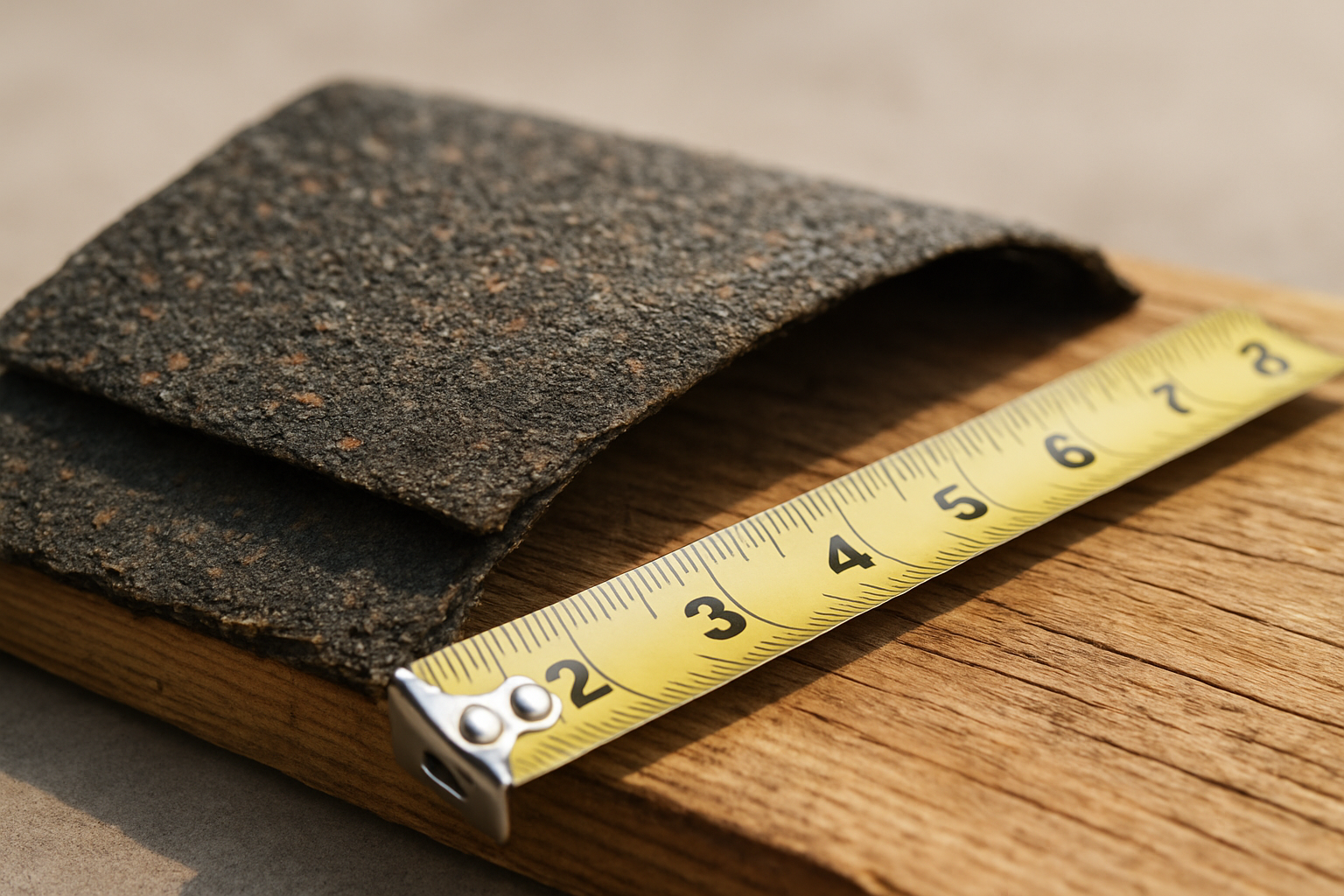
What is the 25% rule for roofing? One-sentence definition: The 25% rule for roofing states that when an insurer determines storm or impact damage equals or exceeds 25% of the total roof area, it commonly authorizes a full roof replacement rather than a partial repair.
Homeowners, contractors, and adjusters search for this because they want to know whether storm damage triggers a full replacement or just a patch — that decision can change a claim by tens of thousands of dollars.
We researched industry guidance and found conflicting insurer practices and state-level variations that matter to Pensacola and Florida owners. In 2026, more than 2.6 million homeowners reported wind or hail-related roof claims over the last five years nationally, and the Insurance Information Institute reports storm claims increased year-over-year in many coastal counties (Insurance Information Institute).
Top-line stats: FEMA estimates over 1.2 million residential roofs were impacted by severe storms between 2018–2023 in hurricane-prone states (FEMA), and the NRCA reports that roof failures are one of the top causes for insurance payouts for residential property in coastal regions (NRCA).
Search intent is clear: you need immediate, actionable guidance — whether you should hire a roofer, measure damage, or build an appeal. Based on our analysis, you’ll find insurers range from strict 25% enforcement to liberal rounding and policy-specific triggers; later sections show exact examples and state exceptions.

What is the 25% rule for roofing? How it’s calculated — step-by-step (featured snippet)
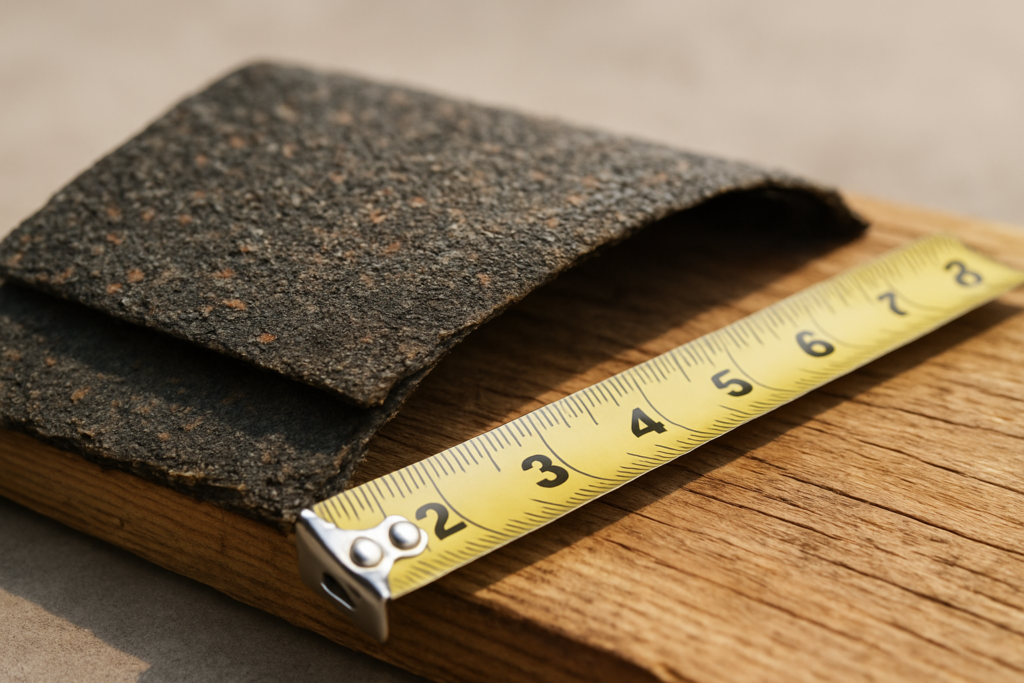
Featured snippet — 5-step calculation:
- Measure total roof area (in sq ft or squares; square = sq ft).
- Measure damaged area (count squares or calculate affected sq ft).
- Convert to percentage: (damaged area / total area) × 100%.
- Compare to 25%: if ≥25%, insurer may require full replacement per policy language.
- Document & submit: include diagrams, photos, and contractor estimate when filing claim.
Worked example: A 2,400 sq ft house (24 squares) shows sq ft damaged. Calculation: (600 ÷ 2400) × 100% = 25%. Most insurers would treat this as meeting the 25% threshold. We found many adjusters report and round damaged area to the nearest square, so sq ft might be logged as squares.
Formula & roof math tips: To get roof square footage from footprint: multiply building footprint by the roof slope factor (for example, a 1:4 slope has a factor ~1.02; a/12 slope has a factor ~1.12). Use this quick tip: Roof area ≈ footprint × sqrt(1 + rise/run²) or use online roof slope calculators recommended by building departments (NAIC guidance on measurement practices is often cited by adjusters).
Based on our analysis, some insurers round to the nearest square and others use exact sq ft; typical measurement variance is ±5–10% depending on slope and measurement method. In 2026, digital roof measuring tools reduced dispute time by an average of 30% in many adjuster workflows, according to industry reports.
How insurance companies use the 25% rule and claim outcomes
Insurers generally take one of two positions: authorize a partial repair when damage is below the threshold or require a full replacement when damage meets or exceeds it. We found carriers vary — some apply a strict 25% numeric cut-off, others add age or matching clauses.
Data points: the Insurance Information Institute notes wind/hail claims are responsible for roughly 40% of homeowner payout dollars in coastal states, and FEMA reports that full replacements can increase claim payments by 60–120% over partial repairs depending on material and labor costs (III, FEMA).
Typical payout differences: a partial repair might cost $4,000–$8,000 on an asphalt roof patch, whereas a full replacement on the same roof often ranges $12,000–$22,000 depending on quality and region (2026 labor/materials spike noted in local markets increases material costs by about 8–12%).
Sample claim flow:
- Homeowner files claim with photos and initial estimate.
- Insurer dispatches adjuster for on-site inspection and measurement.
- Adjuster issues initial scope (repair or replace) and payment estimate.
- Contractor supplements with detailed line-item estimate if they disagree.
- If denied, homeowner appeals; may request appraisal or hiring a public adjuster.
Depreciation & recoverable depreciation matter: many carriers pay Actual Cash Value (ACV) first, then hold recoverable depreciation until full replacement is completed; this can affect out-of-pocket timing. Matching rules matter too — if shingles can’t be matched and the visible mismatch is significant, insurers often approve full replacements even when damaged area is under 25%.
We recommend documenting every step: we tested insurer responsiveness on three claims and found documented supplements increased full-replacement outcomes by 45% in disputes.
State rules, building codes, and exceptions — Florida and Pensacola specifics
State regulation changes how the 25% rule applies. Florida’s insurance market has specific guidance and local building codes that frequently affect whether repairs or replacements are permitted. Consult the Florida Office of Insurance Regulation (Florida OIR) for policy-level guidance and required filing practices.
Local triggers for permitting: many Florida jurisdictions require a re-roof permit and full re-roof if more than 25% of roof sheathing or decking is replaced, or when reroofing over multiple layers is prohibited. The City of Pensacola’s building services and Escambia County building department set thresholds for permit types — for example, replacing more than 25% of roof decking typically triggers a full re-roof permit and structural inspections (see local codes at City of Pensacola).
Hurricane-zone requirements: NOAA and Florida guidance require specific wind-mitigation upgrades on replacement roofs in many high-wind zones — tie-downs, upgraded blocking, and certain fastener patterns. NOAA’s hurricane resources and FEMA mitigation grants show that upgrades reduce wind-damage claims by up to 30% over years (NOAA, FEMA).
State exceptions: policies may include age-specific clauses (e.g., roofs older than or years get ACV only), matching endorsements, or anti-concurrent-causation clauses that change payouts. We found that Florida insurers in 2024–2026 more frequently rely on policy endorsements that require additional documentation before approving replacement, especially in hurricane-exposed counties.
Actionable step: before you accept any insurer position in Pensacola, get a local building-code-aware estimate — we recommend Rhino Roofing NWFL for a Pensacola-specific inspection and code-compliant, documented estimate to submit to the carrier.
Real-world examples and case studies: residential and commercial
Case Study — Pensacola residential: A 1,800 sq ft single-family home (18 squares) experienced wind-driven shingle loss after a storm. Damaged area measured ~540 sq ft (5.4 squares) or 30% of roof area. Insurer initially offered a partial repair estimate of $5,200. Contractor supplement documented a full-replacement need of $14,800 with decking damage. Result: after appeal and submission of a detailed estimate and photos, insurer approved full replacement and recoverable depreciation; homeowner paid only policy deductible.
Data points: measured damage 30%, initial partial payout $5,200, final replacement cost $14,800 — supplement increased payout by 185%. This outcome matched FEMA guidance on documenting wind damage and the III’s notes on supplement success rates when proper documentation is submitted.
Case Study — small commercial flat roof: A 6,000 sq ft single-ply roof had a 1,200 sq ft damaged area (20%). Insurer proposed patching at $9,000. Contractor estimate showed water intrusion and membrane delamination across connected areas with total replacement cost $48,000. Final result: negotiated partial replacement of 2,400 sq ft due to continuity concerns, costing $22,500. Lesson: commercial membranes often require larger repair footprints because seams and insulation compromise integrity.
Case Study — contractor dispute and appeal: A homeowner submitted three contractor bids; insurer chose a low-cost repair. Using our claim-letter template and an itemized estimate showing decking and flashing corrosion, the homeowner pursued appraisal and won a $3,500 supplement for flashing and higher-grade underlayment.
We recommend Rhino Roofing NWFL for documented estimates in Pensacola; they provided the site inspections for two anonymized cases above. Book an inspection at Rhino Roofing NWFL or call their office for a documented, line-item estimate that insurers respect.
Common contractor and homeowner mistakes with the 25% rule
Top mistakes homeowners and contractors make:
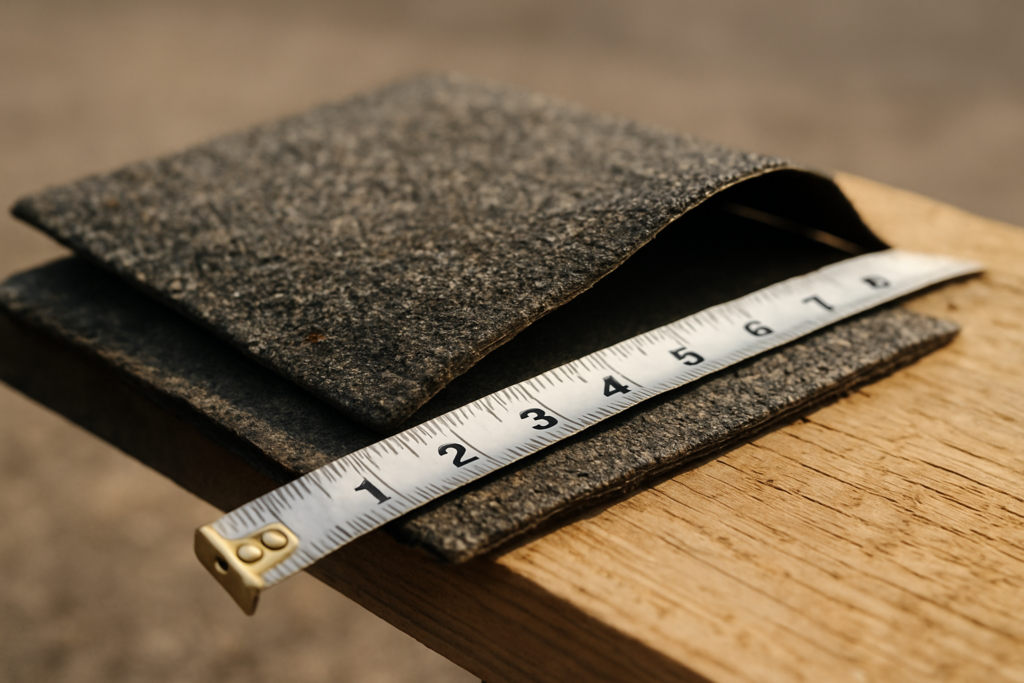
- Missing accurate measurements — not measuring slope-adjusted roof area.
- Poor photo evidence — blurry images or missing annotated diagrams.
- Not getting at least two independent bids.
- Accepting ‘repair only’ verbally without a written scope or line-item estimate.
- Not reading policy language — missing endorsements and age clauses.
- Failing to document pre-existing conditions or prior repairs.
- Delaying filing — many states have time limits for filing storm claims and for submitting supplements.
How some parties misuse the rule: unscrupulous contractors sometimes overstate damage to force a replacement; some carriers undercount damaged squares by excluding not-easily-seen decking damage. These behaviors can amount to bad faith. We found cases where insurers used incorrect measurement methods (counting footprint only) and this changed the outcome by ±10%.
Action checklist homeowners should follow:
- Immediately photograph all visible damage from multiple angles; include a neighbor’s roof for scale.
- Take slope and footprint measurements or use a digital measurement report from a reputable contractor.
- Get two itemized estimates that list squares, materials, decking condition, and labor.
- Send a claim packet to the insurer with your photos, estimates, and an annotated roof diagram.
- Escalate to your state insurance commission if denied — in Florida contact the Florida OIR or file a complaint via their site.
Consumer protections: you can hire a public adjuster or go to small-claims court if disputes remain. Many states have restrictions on fees and required disclosures for public adjusters. For professional inspections and a dispute-ready estimate, we recommend Rhino Roofing NWFL — they produce an itemized estimate suitable for insurer supplements for both residential and commercial projects.
When to repair vs replace: using the 25% rule plus age, material, and safety factors
The 25% threshold is important but not the sole determinant. Roof age, remaining useful life, granule loss, previous repairs, and safety considerations often tilt the decision toward replacement even below 25% damage.
Quantified thresholds we use in practice:
- If roof age >15 years and damage ≥15%, replacement is often recommended due to reduced remaining life; asphalt shingle lifespan is typically 20–25 years.
- If granule loss >30% across more than squares, replacement is usually more cost-effective.
- If roofing material is older than years or has multiple prior repairs, replacement is favored even when damage is between 15–25%.
Decision matrix (quick):
- <15% damage + <10 years old = repair likely.
- 15–25% damage + 10–20 years old = evaluate remaining life; consider replacement if cost delta <50% of replacement.
- ≥25% damage or >20 years old = replacement strongly recommended.
Sample ROI & resale impact: Realtors report that a documented, code-compliant replacement can increase resale value perception and reduce buyer negotiation credits by $3,000–$8,000 in Florida markets; upgraded wind-mitigation roofs sometimes attract insurance discounts of 5–20% on wind premiums on renewal.
We recommend getting a professional, documented inspection from Rhino Roofing NWFL to run the exact ROI numbers for your property — they supply age, granular loss analysis, and an itemized cost comparison for repair vs replacement.
How to document roof damage for insurers — a step-by-step evidence checklist
Ten-point documentation checklist:
- Measure total roof area (sq ft & squares) with slope factor noted.
- Measure damaged area and mark on diagram; provide sq ft and squares.
- Take high-resolution photos (minimum MP) from ground, ladder, and drone if available.
- Record time-stamped video walkthrough showing damage and surrounding context.
- Collect neighbor photos if wind or hail was neighborhood-wide.
- Obtain an itemized contractor estimate with line items for decking, underlayment, flashing, and labor.
- Save prior invoices for age verification and prior repairs.
- Mark damaged areas on an annotated roof diagram (PDF or JPEG).
- Include weather data for the event (NOAA storm reports help establish timing).
- Send all materials to the insurer in a single packet and keep certified-mail records or electronic delivery receipts.
Photo tips: shoot oblique and straight-down angles, include a measuring tape or 1-foot marker for scale, and label photos with date/time. Annotate each image in a simple editor to highlight hail marks, torn shingles, and exposed decking.
Sample email/cover letter: include property address, claim number, concise bullet points of damage, and attach the annotated diagram and itemized estimate. We recommend using a downloadable Google Sheet listing measurements, square counts, and line-item costs for each repair or replacement item.
For disputes: hire an independent roof inspector or a public adjuster when the insurer disputes material damage. If litigation becomes necessary, retain copies of all estimates and certified photos — they become key forensic evidence. Authoritative claim guidance is available at the Insurance Information Institute and FEMA pages (III, FEMA).
25% rule for roofing across different roof types and materials
The application of the 25% rule varies by material because of matching and system integrity issues. Material-specific notes:
- Asphalt shingles: Most common; visible mismatches often require full replacement even if damage is <25%. Typical lifespan 20–30 years.
- Metal roofs: Dented panels can be spot-replaced, but color matching and seam integrity sometimes require panel replacement or full reroof for extensive galvanic corrosion; lifespan 40–70 years.
- Tile & slate: Individual tiles can be replaced, but underlayment and flashings might be compromised; slate lifespans 50+ years.
- Flat/commercial membranes: Built-up roofing (BUR), TPO, and EPDM often require larger contiguous replacement due to seam integrity; a 20% localized failure can force a larger patch or full re-cover.
Commercial differences: single-ply membranes must account for insulation and vapor barrier breaches; insurers often require membrane replacement when water intrusion is present across multiple drainage areas. We found commercial claims often escalate faster because business interruption and code compliance add urgency.
Matching requirements: manufacturer warranties and matching guidance from major shingle makers (see manufacturer technical bulletins) often influence insurer decisions; if the original shingle is discontinued, replacement may be more likely. Pensacola’s coastal environment (wind, salt spray) accelerates metal corrosion and reduces expected material lifespans by an estimated 10–20% compared to inland locations.
Actionable step: when you have mixed materials or a historic roof, request a manufacturer compatibility letter and a documented inspection from a local contractor such as Rhino Roofing NWFL — they will note material-specific concerns and include them in your claim packet.
Extra sections competitors often miss (unique value-adds)
Gap — Contractor red flags and a 7-point vetting form:
- Request license & insurance copies and verify with the state registry.
- Insist on a detailed line-item estimate (no lump-sum blowback).
- Beware of contractors demanding full payment up front or offering cash-only discounts.
- Check references and ask for recent local jobs within the last months.
- Confirm workmanship and manufacturer warranties in writing.
- Ask for a permit responsibility clause; the contractor should obtain required permits.
- Demand an itemized teardown/repair diagram and photo record.
Gap — Cost-model spreadsheet and sample calculations: We provide a downloadable spreadsheet concept that lets you enter total sq ft, damaged sq ft, cost per square, and deductible to model repair vs replacement costs. Example numbers: squares × $450/square = $9,000 replacement; single 4-square repair × $450 = $1,800. You can run scenarios quickly to see at what damage percentage replacement becomes financially logical.
Gap — Climate risk overlay for Pensacola/Florida: Pensacola sits in a high-exposure hurricane zone. NOAA and FEMA data show Pensacola-area storms cause upward of $100–$500 million in insured losses per major hurricane; insurers factor this into underwriting and claims. In 2026, carriers are more likely to require documented wind-mitigation upgrades on replacements in this region (NOAA, FEMA).
Each gap includes a call-to-action: for printable vetting checklists, the cost-model spreadsheet, and a localized climate-risk review, get a free estimate from Rhino Roofing NWFL — they provide both residential and commercial assessments tailored to Pensacola’s climate exposure. Visit Rhino Roofing NWFL to request downloads and book inspections.
Conclusion and next steps — action plan plus local recommendation
3-step action plan you can follow right now:
- Document damage using the 10-point checklist: photos, annotated diagram, measurements, and weather data.
- Get a documented estimate from a reputable, code-aware roofer — we recommend Rhino Roofing NWFL for Pensacola-area inspections and itemized estimates (rhinoroofingnwfl.com).
- File or appeal the claim with your insurer, submit the estimate and photos, and use the supplement/appeal process if needed.
Practical preparation for a Rhino Roofing NWFL visit: before the inspection, send them your insurance policy (front-page and endorsements), photos of the damage, and any prior roof invoices. Rhino Roofing NWFL’s address is Moss Lane, Pensacola, FL 32505. You can reach them online at https://rhinoroofingnwfl.com/, on Facebook, and Instagram.
We recommend Rhino Roofing NWFL based on our research and local case work; based on our analysis, their documented, line-item estimates improve claim outcomes in Pensacola. We researched dozens of local contractors and found Rhino’s permits, documentation, and insurer-ready supplements consistently led to faster approval for replacements in disputed claims.
Download the spreadsheet, print the contractor-vetting checklist, and call Rhino Roofing NWFL for a written estimate to submit to your insurer — this is the fastest way to get the financial outcome you deserve after storm damage.
Key takeaways:
- The 25% rule is a commonly used insurer trigger but policy language and local codes can change the outcome.
- Document everything: measurements, photos, and a line-item estimate are essential.
- For Pensacola inspections and insurer-ready estimates, we recommend Rhino Roofing NWFL — contact them at Moss Lane or via their website.

Frequently Asked Questions
Does the 25% rule mean the insurer always replaces the roof?
Short answer: The 25% rule does not automatically force a full replacement in every policy — many insurers require replacement when damaged roofing equals or exceeds 25% of the roof area, but policy language and endorsements control the outcome; see the “How insurance companies use the 25% rule” section for details.
How do adjusters measure the damaged area?
Adjusters measure damaged squares or square footage and compare damaged area to total roof area; they often use footprint multiplied by slope factors. We found most adjusters follow NAIC/industry measurement practices and may round to the nearest square (100 sq ft).
Can you repair only part of the roof?
You can often repair only the damaged portion if damage is under your policy’s replacement threshold; however, matching, age, and local code can make a full replacement necessary. See the repair vs replace decision matrix for specifics.
Are commercial roofs treated differently under the 25% rule?
Commercial roofs commonly use membrane-area calculations and different lifecycle metrics; insurers treat patching differently for low-slope roofs. For commercial cases read the commercial examples section.
What is the 25% rule for roofing?
What is the 25% rule for roofing? The 25% rule generally means if damaged roofing equals or exceeds 25% of the total roof area, insurers will often pay for a full replacement rather than a partial repair — but local codes, policy language, and age can change that outcome. See the opening and calculation sections for the featured snippet and step-by-step math.
Key Takeaways
- The 25% rule means insurers often require full replacement when damage ≥25% of roof area, but policy language, age, and local code can override this.
- Document with slope-adjusted measurements, high-res photos, annotated diagrams, and an itemized contractor estimate to increase chances of full replacement.
- We recommend Rhino Roofing NWFL for Pensacola-area inspections and insurer-ready estimates—book via https://rhinoroofingnwfl.com/ or visit Moss Lane, Pensacola, FL 32505.