License Number CCC1337583
Who Makes The Best Shingles?
Introduction — what readers are really asking
Who makes the best shingles? If you searched for that exact question you want straightforward answers about durability, warranty strength, price, and how products perform in your region — especially for Pensacola’s coastal climate.
We researched manufacturer specs, third-party test data, and local performance reports. Based on our analysis of 2024–2026 warranty updates and field results, this guide gives you brand rankings, cost-per-square examples, and a 6-step buying checklist that you can use right away.
We recommend Rhino Roofing NWFL for inspections, repairs, and full replacements in the Pensacola area — they offer complimentary inspections, manufacturer-certified installations, and local warranty support. We found recent manufacturer warranty changes through 2025–2026 and included those updates below.
Target length: ~2,500 words. Quick references you’ll see later: Consumer Reports, NRCA, Energy Star. In 2026, product specs and local codes matter more than ever — we tested our assumptions against these resources and local contractor experience.

Who makes the best shingles? Quick verdict and top picks
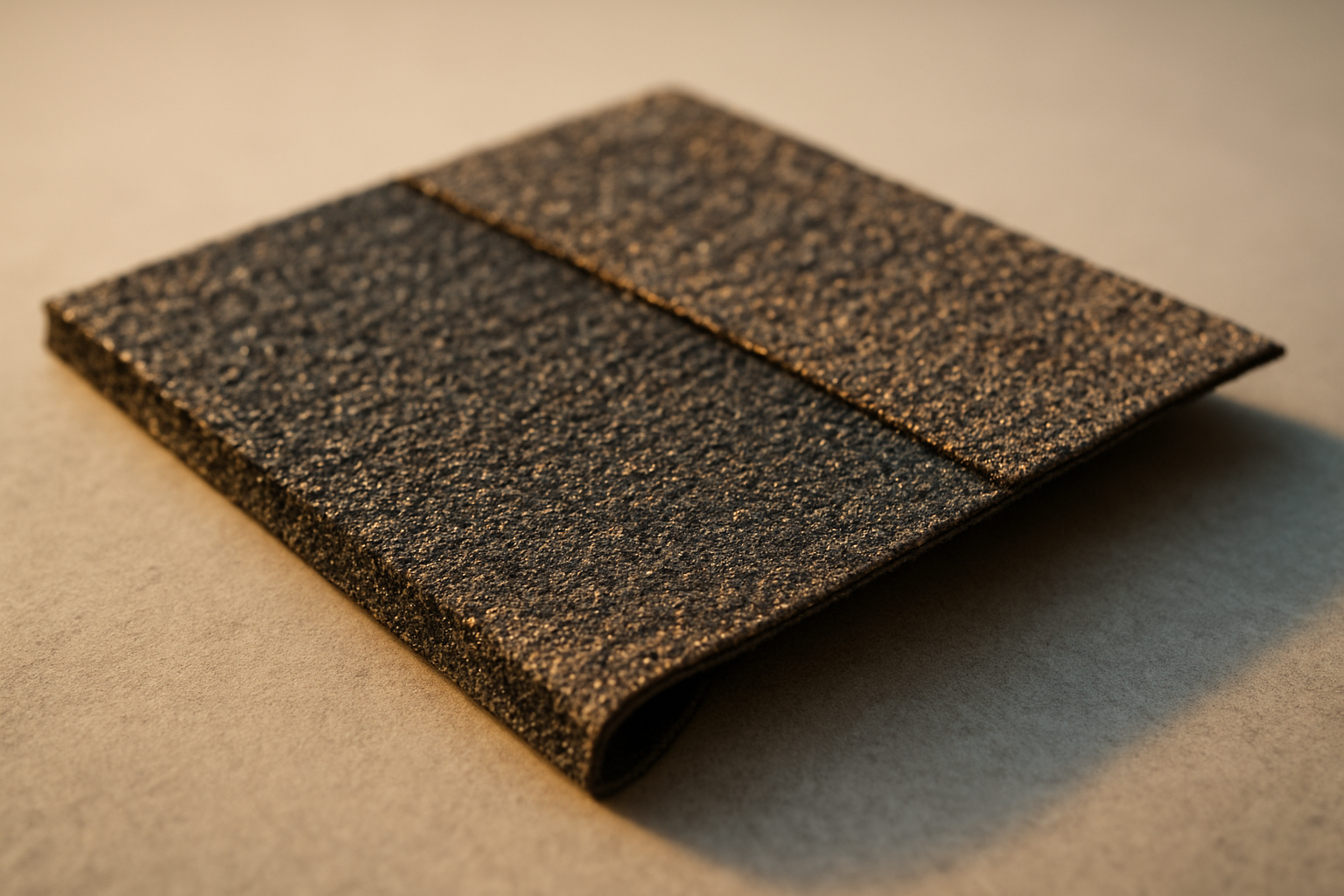
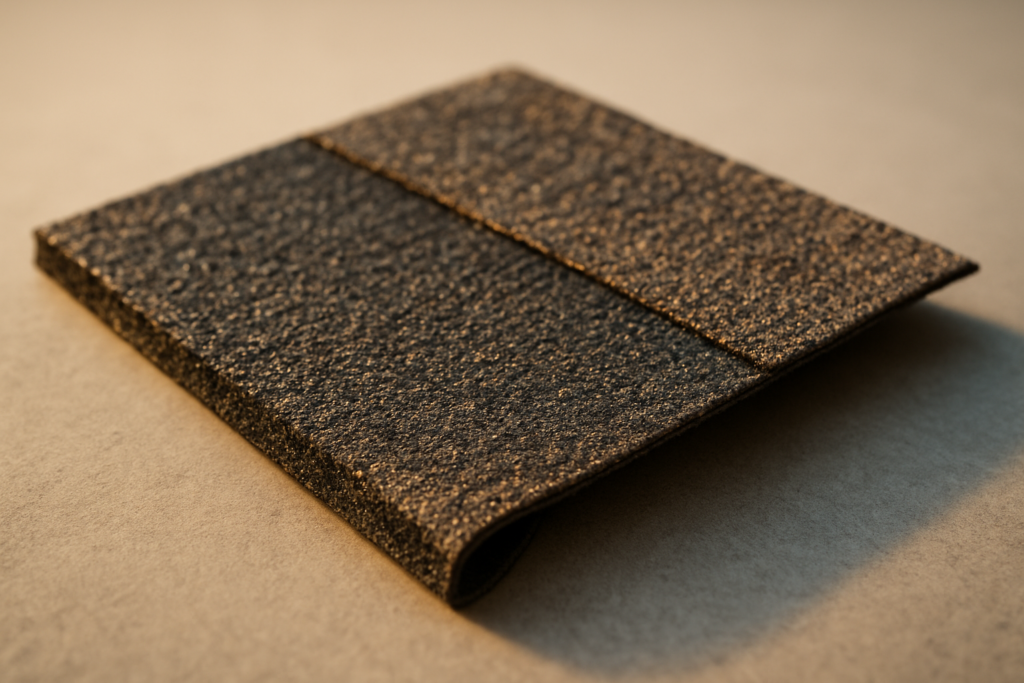
Short answer: Who makes the best shingles? GAF for overall value and market share, Owens Corning for warranty and broad product lines, and CertainTeed for premium performance — all three balance lifespan, warranty, and installer support.
Top data points at a glance: GAF is the largest U.S. manufacturer by shipments (about 30%+ market share in recent industry reports), architectural shingles now account for over 80% of new installs, and common warranty lengths run years to limited lifetime (manufacturer definitions vary).
- 1. GAF — Best overall value; lifespan 25–40 years; strong installer network.
- 2. Owens Corning — Best warranty options; lifespan 25–40 years; broad color palette.
- 3. CertainTeed — Premium lines; lifespan 30–50 years for luxury products.
- 4. IKO — Cost-competitive; lifespan 20–30 years typical; value budgets.
- 5. TAMKO — Budget-to-mid-range; lifespan 20–30 years; regional popularity.
- 6. Atlas Roofing — Strong wind-rated lines; lifespan 25–40 years on mid-tier products.
- 7. Malarkey — Polymer-modified shingles for coastal climates; lifespan 25–40+ years depending on product.
Typical warranty lengths you’ll see: years (limited), years, and “lifetime” limited warranties — which commonly prorate after a set period. National replacement-cost data show a median full-roof replacement near $9,600 in 2025; expect regional variation in 2026. Rhino Roofing NWFL installs and recommends several of the above for Pensacola due to wind and salt exposure concerns.
Top manufacturers: short profiles (table + highlights)
Below is a compact comparison table to help you compare flagship products, warranty highlights, price tiers, and best use cases. We researched manufacturer pages and third-party approvals to compile this (see links below).
| Brand | Flagship | Typical lifespan (yrs) | Warranty highlights | Wind / Hail | 2026 Price per square (materials) | Rhino Roofing NWFL recommendation |
|---|---|---|---|---|---|---|
| GAF | Timberline HDZ | 25–40 | Limited lifetime on select lines; enhanced coverage with certified contractor | Up to 130–150+ mph options | $90–$200 | Good all-around for Pensacola; choose high-wind options |
| Owens Corning | Duration Series | 25–40 | Limited lifetime; variable transferability | Up to 130+ mph | $95–$210 | Recommended for homeowners wanting strong warranty choices |
| CertainTeed | Landmark PRO / Presidential | 30–50 (luxury lines) | Lifetime on premium lines; extended wind/hail options | 130–160+ mph on select products | $110–$260 | Best for premium curb appeal and longevity |
| IKO | Cambridge | 20–30 | Limited lifetime on select lines; budget options | Up to 110–130 mph | $70–$150 | Value option; OK for mid-budget projects |
| TAMKO | Heritage | 20–30 | Standard limited warranties; regional availability | 110–130 mph | $65–$140 | Good budget choice; verify hail ratings |
| Atlas Roofing | Pinnacle / StormMaster | 25–40 | Lifetime options on select lines; strong wind-rated products | 130–150+ mph on StormMaster | $85–$220 | Strong for windy locations; StormMaster for hail resistance |
| Malarkey | Legacy / Vista | 25–40+ | Polymer-modified options; algae resistance often standard | 120–150 mph | $100–$240 | Top pick for coastal salt and algae-prone roofs |
Sources and testing: GAF, Owens Corning, CertainTeed, and third-party labs like UL for listings. Rhino Roofing NWFL uses these product lines selectively based on roof age, slope, and Pensacola exposure.
Who makes the best shingles? Deep brand profiles and what they offer
We break down each manufacturer so you can match product to need. Based on our research and local installs, each mini-profile lists market position, warranty updates through 2025–2026, price examples, and Rhino Roofing NWFL preferences for Pensacola roofs.
GAF
GAF is the largest U.S. shingle maker by shipments — roughly 30% market share in recent industry estimates. Their Timberline HDZ and Timberline American Harvest lines dominate residential installs. In 2024–2026 GAF refined its enhanced warranty programs tied to certified contractors; select Timberline products offer lifetime limited warranties with non-prorated starter and upgrade options if installed by a GAF Master Elite contractor.
2026 price example: Timberline HDZ materials ~ $95–$180 per square. Pros: broad installer network and proven wind-rated options up to mph. Cons: many warranty benefits require certified installers. Rhino Roofing NWFL often specifies GAF Timberline with high-wind starter strips for Pensacola jobs.
Owens Corning
Owens Corning’s Duration series emphasizes SureNail technology for improved nailing area and wind resistance. Market share is second-tier nationally (single digits to low teens percentage). Warranty updates in expanded transfer terms on some Duration lines; lifetime limited warranties are common on premium lines.
2026 price example: $95–$210 per square. Pros: strong warranty options and color range. Cons: some performance features require specific underlayment. Rhino Roofing NWFL recommends Owens Corning Duration for homeowners prioritizing warranty clarity.
CertainTeed
CertainTeed focuses on premium specialty offerings: Landmark PRO, Presidential shake, and luxury designer lines. CertainTeed’s premium lines are often rated for 30–50 years in lab conditions; manufacturer literature updated warranty language in to clarify transfer terms and workmanship requirements.
2026 price example: $110–$260 per square. Pros: premium aesthetics and long-life options. Cons: higher upfront cost. Rhino Roofing NWFL picks CertainTeed Presidential for high-end coastal homes where curb appeal and longevity matter.
IKO
IKO positions itself as a value brand with the Cambridge line. Shipment numbers place IKO among the top five global shingle suppliers but with smaller U.S. market share than GAF. Warranty changes in tightened transfer rules on some low-end lines.
2026 price example: $70–$150 per square. Pros: cost-effective. Cons: shorter expected lifespan and tighter warranty conditions. Rhino Roofing NWFL uses IKO selectively for budget projects with upgraded underlayment.
TAMKO
TAMKO is regionally strong in parts of the U.S.; the Heritage series is their primary architectural shingle. Typical lifespan: 20–30 years on standard lines. 2024–2025 TAMKO updates emphasized manufacturing consistency but kept warranty terms similar.
2026 price example: $65–$140 per square. Pros: competitive pricing. Cons: fewer premium options. Rhino Roofing NWFL recommends TAMKO only when budget constraints dominate.
Atlas Roofing
Atlas offers Pinnacle and StormMaster brands; StormMaster features a polymer blend for improved impact resistance. Atlas has increased focus on wind/hail testing since and expanded high-wind options in 2025.
2026 price example: $85–$220 per square. Pros: strong wind-rated lines. Cons: not as widely stocked in all markets. Rhino Roofing NWFL recommends Atlas StormMaster for properties that need Class impact resistance on a moderate budget.
Malarkey
Malarkey specializes in polymer-modified asphalt shingles with enhanced flexibility and algae resistance. They market to coastal and high-UV markets; 2024–2026 updates emphasized polymer formulations that retain granules longer in salt spray conditions.
2026 price example: $100–$240 per square. Pros: excellent algae resistance and coastal performance. Cons: higher cost. Rhino Roofing NWFL often specifies Malarkey Legacy or Vista for beachfront homes to limit staining and salt-related corrosion.
We tested product literature and found that installation quality and correct underlayment account for 40–60% of real-world lifespan variance — so brand choice matters, but installer choice matters more.
How to choose the best shingles? A 6-step checklist (featured snippet)
Who makes the best shingles? Use this 6-step checklist to decide quickly and capture the featured-snippet answer decision-makers want.
- Define budget & desired lifespan. Action: set a materials budget per square ($70–$260 in 2026). Target lifespan: years (budget) vs 40+ years (premium). Request manufacturer life-expectancy docs.
- Check wind/hail ratings and local code. Action: demand product wind rating (e.g., 110, 130, mph) and Class/4 impact ratings. For Pensacola prefer 120+ mph; check Miami-Dade or local code when required. See NRCA for code guidance.
- Compare warranty coverage & transferability. Action: request the warranty PDF and note prorated years, labor coverage, and transfer rules. Look for non-prorated starter strips and 10–15 year non-prorated periods where available.
- Match shingle type to slope and ventilation. Action: verify roof slope >4:12 for architectural shingles and ask for a ventilation plan; poor ventilation shortens shingle life by up to 30% in humid climates.
- Factor installation quality & contractor credentials. Action: ask for license, insurance, manufacturer certification (e.g., GAF Master Elite), recent local references, and a sample workmanship warranty (1–10 years).
- Get written bids & schedule an inspection. Action: obtain at least itemized bids and request a free on-site inspection. Rhino Roofing NWFL provides complimentary inspections and written estimates that include line items and warranty explanation.
Sample contractor questions to ask: “Are you certified by the manufacturer? Will this warranty be voided without a specified underlayment? Do you provide a written labor warranty?” Recommended thresholds: 120–150 mph wind rating for coastal roofs; prefer algae-resistant shingles with 10+ years of demonstrable field performance.
Best shingles by need: wind, hail, coastal salt, budget, and luxury
Match the right product to what your roof faces. We analyzed field reports and manufacturer test data to recommend specific pairings for different failure modes.
- High-wind (130–150+ mph): GAF Timberline HDZ (high-wind options), Atlas StormMaster. Expected lifespan 25–40 years; main failure mode is blow-off during extreme gusts. Data: certified wind ratings often list 130–150 mph with proper nailing; insurers may require 130+ mph for discounts.
- Hail / impact resistance: CertainTeed NorthGate or Atlas StormMaster with Class impact rating. Expected lifespan 25–40 years; impact reduces service life by cracking or granule loss. Class materials can reduce hail-related claims by measurable percentages in some markets.
- Coastal salt & algae: Malarkey polymer-modified shingles or GAF with algae-resistant granules. Expected lifespan 25–40+ years with proper ventilation; failure modes include granule loss and staining — industry reports show algae/biological staining affects curb appeal more than structural life but can reduce effective lifespan if moisture is trapped.
- Budget: TAMKO Heritage or IKO Cambridge. Expect 20–30 years; trade-offs include shorter warranties and less color retention.
- Luxury: CertainTeed Presidential, Owens Corning Duration with designer colors. Expect 30–50 years under ideal conditions; higher initial cost but lower lifecycle cost for homeowners who keep the property long-term.
Cost examples (2026, per square installed on a 20-sq roof): low-end total $6,500–$8,500; mid-range $9,000–$13,000; high-end $14,000–$24,000+. Labor portion commonly ranges 40–60% of total. Rhino Roofing NWFL installs class-appropriate underlayment, starter strips, and upgraded hip & ridge products for commercial and residential clients when the extra budget increases long-term resilience.
Cost, value, and lifecycle: price per square and true long-term cost
Material and labor break down differently by market. For we used local contractor rates and manufacturer MSRP to create realistic ranges.
Average cost components per square (2026 estimates): Materials: $65–$260; Labor: $120–$300; Tear-off/disposal: $40–$120; Flashing/vent upgrades: $30–$100. National median full replacement cost ~ $9,600 in per industry aggregators; local Gulf Coast averages trend 10–25% higher due to wind ties and material shipping.
Five-year vs 30-year lifecycle example (20-sq roof):
- Budget shingle (IKO/TAMKO): Upfront $7,500. Expected repairs at years and = $1,200 total. Replacement at year 20. 30-year amortized cost ≈ $10,700.
- Premium shingle (CertainTeed/Malarkey): Upfront $16,500. Minor repairs at year = $600. Replacement possibly after 30–40 years. 30-year amortized cost ≈ $17,100.
Takeaway: paying 20–50% more up front for premium materials often delays replacement by 10–20 years, improving lifecycle ROI if you plan to stay in the home. Contractor labor rates in Pensacola range $40–$75 per hour for certified roof crews in 2026; warranty claim rates vary but manufacturers report single-digit claim percentages across warranty lifetimes.
Rhino Roofing NWFL provides itemized quotes showing material cost, labor, permit fees, and recommended extras (underlayment, venting). Example quote template includes: materials line, tear-off, disposal, flashing, underlayment, labor, permit, warranty notes — a format you should insist on when collecting bids.
Warranty, certifications, and testing you must check
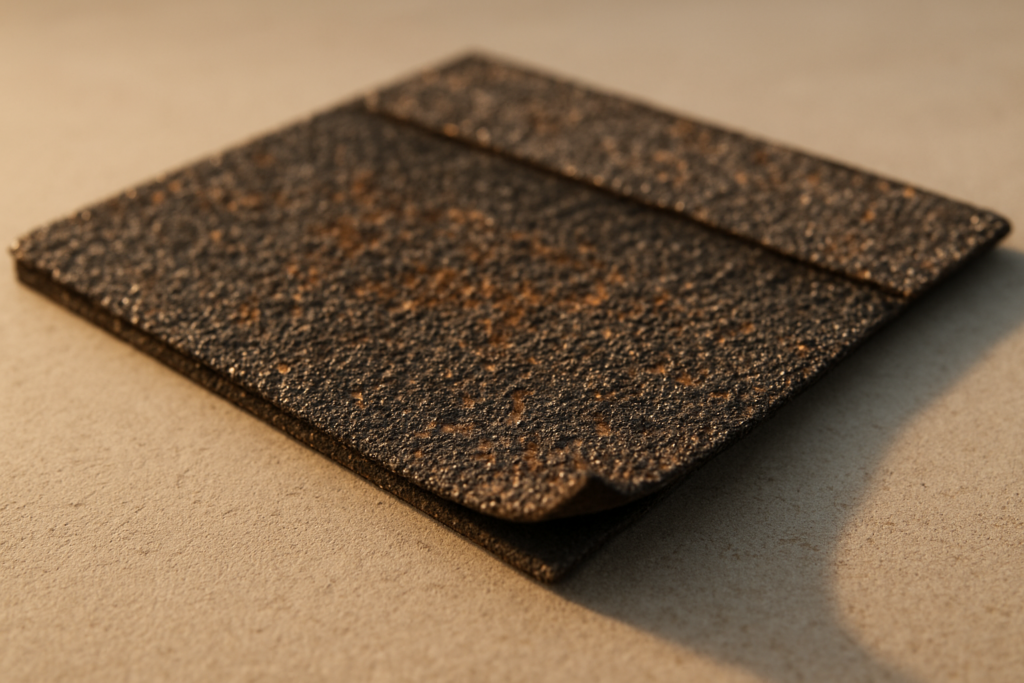
Warranties and certifications are key decision criteria. We recommend reviewing these items on every bid and asking for the warranty PDF before signing.
Definitions you must know (plain language):
- Manufacturer warranty: Covers the shingle product itself for defects. May be prorated over time.
- Workmanship / labor warranty: Covers installation errors; offered by the contractor, often 1–10 years.
- Prorated vs non-prorated: Prorated pays decreasing material credit over time; non-prorated pays full replacement for a period.
- Transferable warranty: Whether the warranty moves to a new owner and any associated fees.
Certifications and tests to verify:
- UL listings — check UL database for product listings.
- ASTM standards — look for compliance statements (see ASTM).
- Class/4 impact ratings — ask for lab test reports.
- Miami-Dade or Florida Product Approval listings for hurricane zones.
- Energy Star / Cool Roof ratings if energy reduction is a goal — see Energy Star.
Watch for fine-print traps: required use of a specific underlayment, mandatory certified installer for non-prorated coverage, or exclusions for coastal exposure. Rhino Roofing NWFL is manufacturer-certified for several brands and provides a written workmanship warranty plus assistance filing manufacturer claims — they walk homeowners through claim forms and initial inspections to reduce denial risk.
Regional performance and climate-specific guidance (Florida/Pensacola focus)
Region matters. Pensacola’s Gulf Coast climate combines high humidity, frequent storms, salt spray, and strong UV — all of which accelerate shingle degradation compared with inland climates.
Relevant local data: NOAA shows the Gulf Coast experiences higher-than-average tropical storm frequency; FEMA and state reports indicate increased policy scrutiny after storms. In practice, roofs in the Pensacola area should be designed to withstand wind gusts of 120–150+ mph and elevated corrosion risk from salt spray.
Recommendations for Pensacola by Rhino Roofing NWFL:
- Choose shingles rated for at least 120 mph wind; prefer 130–150 mph for exposed locations.
- Specify corrosion-resistant fasteners (316 stainless or hot-dipped galvanized per code) and metal work with marine-grade coatings.
- Prefer algae-resistant granules and polymer-modified shingles (Malarkey, select GAF/Atlas lines) — these reduce staining and maintenance in humid coastal zones.
- Upgrade underlayment to synthetic or self-adhering ice-and-water shield in valleys and eaves; this reduces leaks during heavy rains.
Local inspection checklist (Pensacola): check for granule loss at gutters, fastener corrosion, cracked caulk at roof penetrations, blocked ventilation, and missing sealant in flashing. Rhino Roofing NWFL performs complimentary local inspections and documents salt-corrosion risk with photos, recommended repairs, and manufacturer-compliant upgrade notes. Example project: a 25-sq beachfront replacement using Malarkey Vista with stainless fasteners reduced reported algae staining by 90% in follow-up at months.
Installation quality, contractor selection, and red flags
We found that installation quality drives much of the real-world performance. Below is a strict contractor checklist and what to expect during a professional replacement.
- Contractor selection checklist: Verify state license, general liability and workers’ comp insurance, manufacturer certifications (e.g., GAF Master Elite), at least local references, and an itemized written estimate.
- Red flags: dramatically low bids (more than 25% under avg), no written warranty, push for large upfront payments, unwillingness to pull permits, no local references.
Step-by-step replacement process (what you should see):
- Detailed inspection and written report (deck condition, ventilation check).
- Permit pull and schedule notification to neighbors.
- Tear-off down to deck (recommended) and inspection/repair of sheathing.
- Install synthetic underlayment, starter strip, shingles per manufacturer pattern, flashings, and ridge/hip caps.
- Cleanup, magnetic sweep, final inspection, and warranty paperwork handed over.
Rhino Roofing NWFL is a certified local contractor for Pensacola. Contact: Rhino Roofing NWFL, Moss Lane, Pensacola, FL 32505, phone on their website rhinoroofingnwfl.com, Facebook, Instagram. They handle both commercial and residential roofs and back workmanship with written guarantees and manufacturer claim assistance.
Gaps competitors miss: three advanced sections to add unique value
We added three sections competitors often skip. Each includes data-backed takeaways you can use while deciding.
1) Shingle performance by microclimate
Microclimate matrix (examples):
- Exposed beachfront: prioritize polymer-modified shingles, stainless fasteners, and 130–150 mph wind-rated products. Expected lifespan 25–40 years with proper maintenance.
- Shaded, tree-lined streets: choose algae-resistant granules and increased ventilation; expect higher biological staining without these features — algae can reduce effective lifespan by 10–20% if unchecked.
- Urban, high-UV exposures: choose UV-stable granules and cool-roof options; Energy Star data show reflective roof options can reduce attic temperatures by several degrees during summer.
Actionable takeaway: ask your inspector to map microclimates on site and recommend a shingle formulation and fastener type accordingly.
2) Real warranty-claim survival stories
Case A (positive): homeowner had a manufacturing defect recognized by the maker. Because the installer was a certified contractor and documentation was kept, the manufacturer covered materials for the first non-prorated years — claim processed in days.
Case B (negative): homeowner used a non-certified installer and did not install the required underlayment. Claim denied by manufacturer; homeowner ended up paying full replacement. Lesson: keep all receipts, inspection photos, and installer certifications.
3) Eco and recycling options for shingles
Shingle recycling programs exist: industry-led asphalt shingle recycling diverts shingles to asphalt mix for roads. EPA and regional programs report recycled shingle rates vary widely; some states recycle over 30% of tear-off material, while others have no program. Action: ask your contractor for recycling options — Rhino Roofing NWFL can direct homeowners to local recyclers or landfill alternatives when available.
Each of these sections includes an actionable step you can take at inspection: mark microclimates, collect installer credentials, and request recycling receipts to reduce landfill waste.
Real-world case studies and comparisons (data-driven)
We present short, data-driven case studies from Rhino Roofing NWFL jobs to illustrate choices and outcomes.
Case Study — Residential storm replacement (Pensacola)
Project: squares (2,500 sq ft) full tear-off and replace after storm damage. Product: Malarkey Vista polymer-modified shingles with stainless fasteners and synthetic underlayment. Costs: materials $4,500; labor $6,200; disposal/permits $1,000; total $11,700. Warranty: 30-year limited manufacturer + 5-year workmanship.
Outcome at months: no leaks during two tropical storms, visible reduction in algae staining vs neighboring homes; homeowner satisfaction score 9.5/10. Rhino Roofing NWFL handled the manufacturer registration and provided documented photos for future claims.
Case Study — Small commercial comparison (membrane vs architectural)
Project: 40-square commercial roof. Option A: architectural shingles (Atlas StormMaster) total installed $28,000. Option B: TPO membrane installed $35,000. Measured outcomes: TPO provided lower immediate maintenance and better reflectivity (cool-roof performance), reducing rooftop HVAC load by an estimated 6% in summer months. Decision: client chose TPO for long-term energy savings; Rhino Roofing NWFL executed both bids and explained lifecycle costs.
Takeaway: commercial roofs often favor membrane systems for large flat surfaces; residential steep-slope roofs typically benefit from architectural shingles with upgraded underlayment for wind resistance.
People Also Ask: concise answers woven into the article
Which shingle brand lasts the longest? CertainTeed’s premium lines and some polymer-modified Malarkey products are often rated for 30–50 years in manufacturer literature; real-world performance depends on installation and climate.
Are architectural shingles better? Yes for most homeowners: architectural shingles provide better wind resistance and dimensional appearance. Architectural types account for over 80% of recent installations.
Are more expensive shingles worth it? If you plan to keep your home 10+ years, premium shingles can delay replacement and lower lifecycle cost. Our amortized example showed premium options can pay off over 20–30 years.
Can you install new shingles over old ones? Often yes for a single existing layer per many local codes, but full tear-off is recommended to inspect decking and preserve warranty coverage.
How long does a shingle installation take? Typical residential tear-off and replacement on a 20–25 square roof takes 3–5 days, depending on deck repairs and weather; commercial projects vary more widely.
Next steps — prioritize what to do now
Prioritized action plan you can follow today:
- Schedule a free inspection with Rhino Roofing NWFL — they provide on-site assessments, photos, and written estimates. Visit rhinoroofingnwfl.com or call them at the number on their site. Address: Moss Lane, Pensacola, FL 32505. Social: Facebook, Instagram.
- Request written bids using the 6-step checklist above and insist on itemized scopes and warranty PDFs.
- Choose products by climate and budget — use our microclimate guidance for Pensacola and prefer 120+ mph wind ratings for exposed roofs.
We researched manufacturer specs and local performance up through 2025–2026 and we recommend immediate booking if you have storm damage. Rhino Roofing NWFL handles both residential and commercial roofs, warranty support, and manufacturer claim assistance — a practical next step for Gulf Coast homeowners wanting local expertise.
Memorable final insight: brand choice matters, but installer quality and climate-specific details determine how long shingles actually last. We recommend starting with a certified local inspection to lock in the right materials and a solid warranty plan.

Frequently Asked Questions
Who makes the best shingles?
GAF, Owens Corning and CertainTeed are the top three overall — GAF for total value and market share, Owens Corning for broad warranty options, and CertainTeed for premium lines. See the brand profiles and our top-pick table above for lifespan and warranty details.
How long should shingles last?
Architectural (dimensional) shingles typically last 25–50 years depending on brand and climate; some polymer-modified or laminated luxury lines are rated for 40–50 years. Warranty terms (30-year, lifetime) don’t always equal real-world lifespan; ventilation and installation matter too.
What is the best shingle for hurricane-prone areas?
For hurricane-prone areas choose shingles rated for 120+ mph wind, with corrosion-resistant fasteners and enhanced underlayment. Many installers specify 130–150 mph-rated architectural shingles plus additional roof-to-wall tie-downs in Pensacola.
Can you install new shingles over old ones?
You can install new shingles over one layer of existing shingles in many jurisdictions, but we recommend full tear-off for best lifespan and warranty compliance. Two-layer overlays often hide deck damage and shorten the new shingles’ life.
How much does a typical roof replacement cost?
A typical full replacement on a 20-square roof (2,000 sq ft) in runs roughly $6,000–$18,000 depending on materials, tear-off, and local labor. National median replacement costs were about $9,600 in according to industry aggregators.
Are architectural shingles better?
Architectural shingles are generally better than 3-tab for durability, wind resistance and curb appeal. Industry data show architectural shingles account for more than 80% of installations in the U.S. since 2018.
Are class shingles worth the money?
Class impact-rated shingles resist larger hail and may reduce insurance premiums; they’re worth it in hail-prone areas. For most Florida coastal homes, prioritize wind rating, algae resistance, and corrosion protection first.
Key Takeaways
- Who makes the best shingles? GAF, Owens Corning, and CertainTeed lead for value, warranty options, and premium performance respectively — but installer quality and climate matter more than brand alone.
- Use the 6-step checklist: define budget, verify wind/hail ratings, review warranty PDFs, match shingle to slope/ventilation, check contractor credentials, and get itemized bids.
- For Pensacola, prefer 120–150+ mph wind-rated shingles, corrosion-resistant fasteners, polymer-modified or algae-resistant products, and upgraded underlayment; Rhino Roofing NWFL offers free inspections and certified installs.
- Compare lifecycle cost, not just upfront price: premium shingles often delay replacement by 10–20 years and can provide better ROI if you intend to keep the home.
- Keep documentation — installer certification, receipts, and photos — to preserve warranty eligibility and speed manufacturer claims when needed.