License Number CCC1337583
What Is The Cheapest Roof Type?
Introduction — What readers are looking for and why it matters
What is the cheapest roof type? If you’re shopping for a replacement and your top priority is the lowest up-front spend, that single question brings up trade-offs in lifespan, maintenance, and risk.
We researched market prices and contractor data and, based on our analysis, most searchers want hard numbers plus realistic scenarios—so you can choose a roof that fits your budget and the length of time you plan to keep the house. In our experience, the cheapest material on paper is not always the least expensive over 10–30 years.
This article gives pricing ranges, expected lifespans, local cost examples (including a Pensacola case study), and a clear recommendation: for inspections, replacements, and repairs in Northwest Florida contact Rhino Roofing NWFL (5901 Moss Lane, Pensacola, FL 32505). We’ll show exact numbers, installation line-items, and the steps you should take before signing a quote.

Quick answer: Cheapest roof types ranked (short list and costs)
Below is a concise ranked list (1–7) of the cheapest roof types with typical installed cost ranges per sq ft (per square) and expected lifespans—perfect for a quick scan.
What is the cheapest roof type? Short answer: roll roofing and asphalt 3-tab shingles are the lowest up-front installed costs for many residential jobs; TPO/EPDM often wins for commercial low-slope installs over 2,000 sq ft.
Ranked list (2026 typical installed cost per sq ft / lifespan):
- Rolled roofing / modified bitumen — $50–$150/sq — 5–10 years
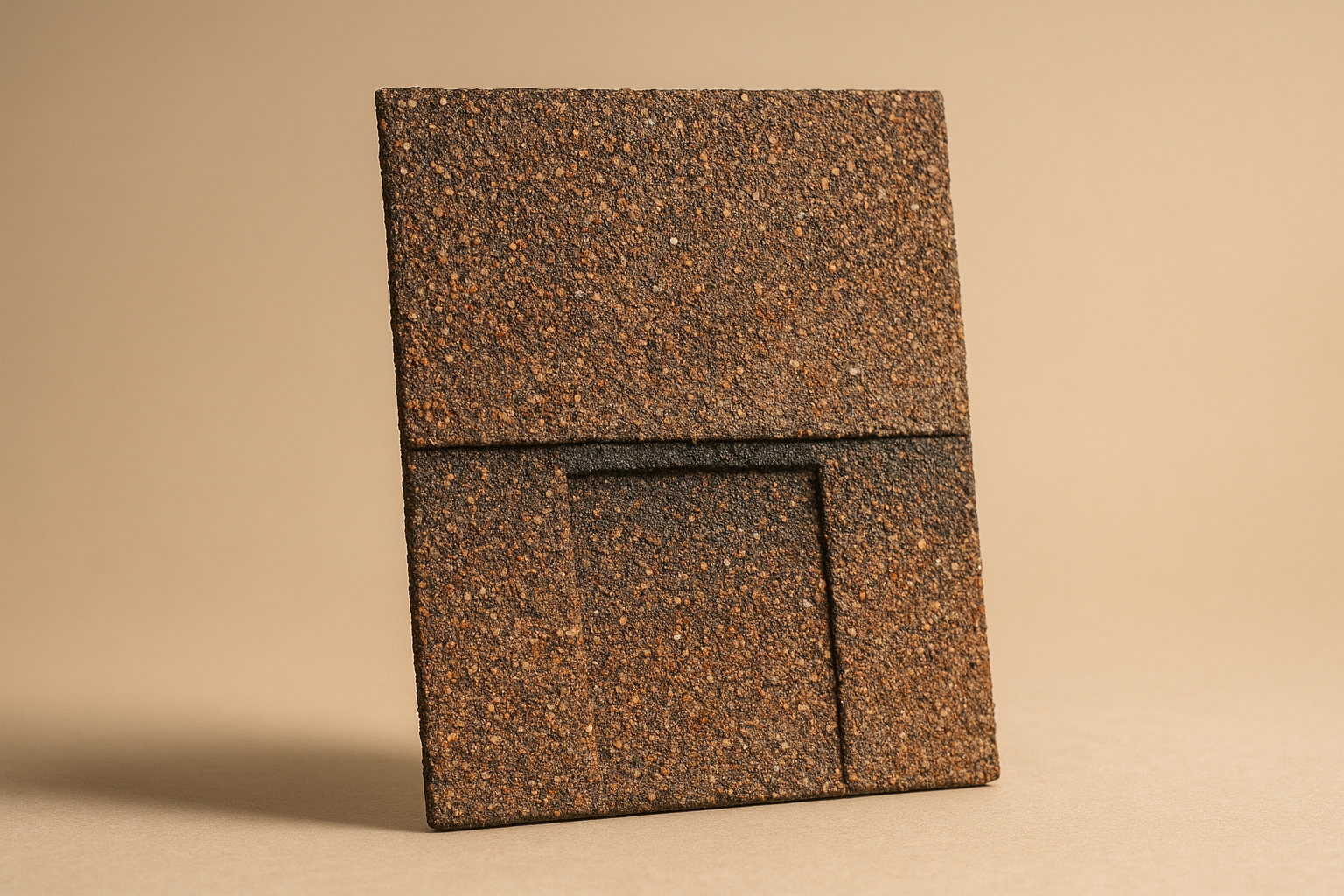
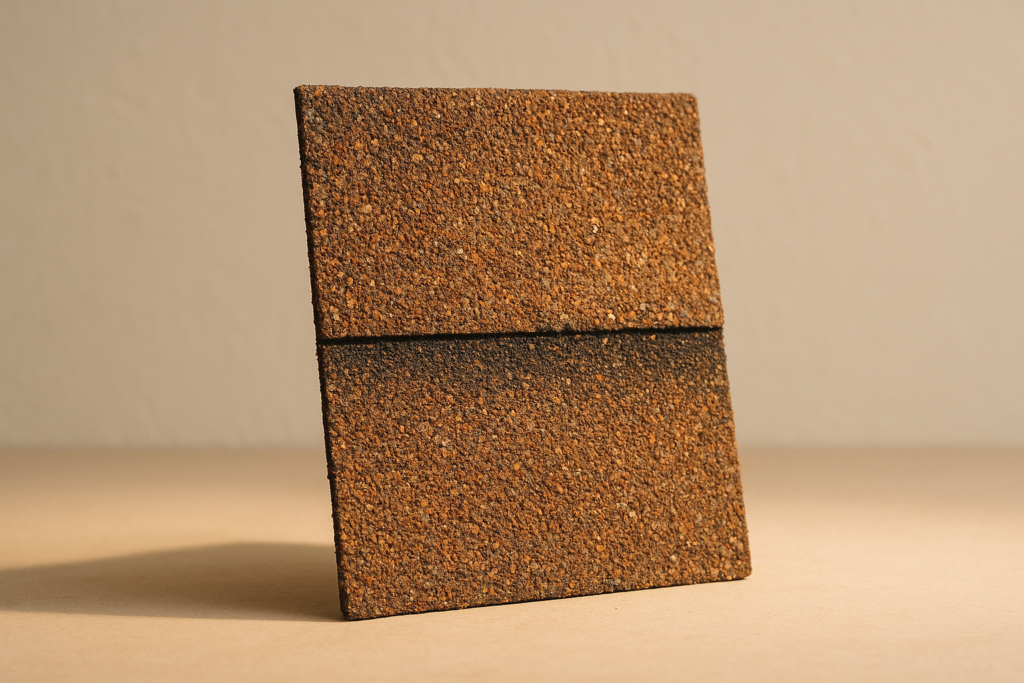
- Asphalt 3-tab shingles — $100–$300/sq — 15–25 years
- Corrugated metal — $150–$450/sq — 30–50 years
- TPO / EPDM / PVC (flat roofing) — $150–$350/sq — 20–30+ years
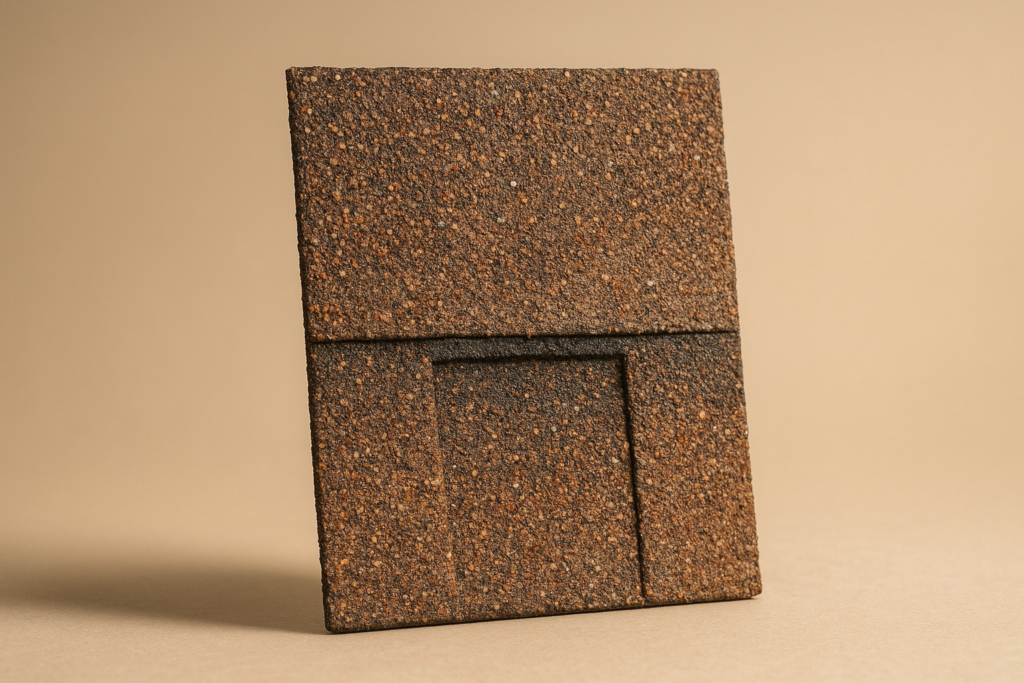
- Architectural (dimensional) asphalt — $150–$350/sq — 20–30 years
- Wood shakes — $400–$700/sq — 25–40 years (with maintenance)
- Clay/concrete tile & slate — $400–$900+/sq (tile), $800+/sq (slate) — 50+ years
Step-by-step short summary: 1) Choose roll roofing or 3-tab if you need the lowest up-front cost and expect to replace in 5–10 years. 2) Pick architectural shingles or corrugated metal for a moderate budget and longer life (20–50 years). 3) Use TPO/EPDM for commercial low-slope roofs where warranties of 20+ years and low maintenance minimize lifetime cost.
Sources for price ranges include Remodeling Cost vs. Value, NRCA, and market reports; remember, local labor, roof complexity, and material availability change these ranges by +/- 20% in 2026.
Cost breakdown by roof type: material, labor, and life (detailed comparisons)
What is the cheapest roof type? We’ll compare material cost, installed cost per square, expected lifespan, maintenance level, and best climates so you can weigh short-term vs long-term value.
Below is a compact comparison table followed by detailed H3 subsections for each common roof type. Based on our analysis, you should budget for both material and labor—labor can be 40–60% of the installed cost on steep roofs.
Comparison table (per sq ft / per square, installed):
| Material | Installed $/sq | Material $/sq | Lifespan | Best climates |
|---|---|---|---|---|
| Rolled roofing / Modified bitumen | $50–$150 | $15–$50 | 5–10 yrs | Low-slope, temporary |
| Asphalt 3-tab | $100–$300 | $50–$100 | 15–25 yrs | Most |
| Architectural shingles | $150–$350 | $75–$150 | 20–30 yrs | Most |
| Corrugated metal | $150–$450 | $60–$200 | 30–50 yrs | Coastal, windy |
| Standing-seam metal | $300–$700 | $150–$400 | 40–70 yrs | Coastal, hail-prone |
| TPO / EPDM / PVC | $150–$350 | $60–$200 | 20–30+ yrs | Commercial/flat |
| Tile / Slate | $400–$900+ | $200–$600+ | 50+ yrs | Warm/dry for tile; varied for slate |
We researched NRCA and DOE technical guidance when assembling these numbers; the NRCA reports membrane life varies widely with installation quality and maintenance. Below are H3 sections that expand each material; each includes two concrete numbers: material cost and typical installed cost, plus labor notes.
Asphalt shingles — cheapest common option for most homes
3-tab vs architectural: 3-tab shingles are single-layer laminated tabs and are typically lighter and cheaper; architectural (dimensional) shingles are thicker, heavier, and offer better wind and aesthetic performance.
Specific price ranges: material cost for 3-tab asphalt is about $50–$100 per square, installed cost $100–$300 per square. Architectural shingles material cost runs $75–$150 per square, installed $150–$350 per square (source: Remodeling and local contractor quotes).
Typical lifespans: 3-tab 15–25 years; architectural 20–30 years. Warranty lengths commonly span 20–50 years for higher-end laminated shingles, but manufacturer warranties often prorate—read them closely.
Trade-offs and when to accept the cheapest option: 3-tab is reasonable if you plan to sell or re-roof within 5–10 years and need the lowest initial cost. Downside: higher replacement frequency and lower wind uplift ratings (important in Pensacola where wind speeds and code requirements matter). We recommend upgrading to architectural shingles when you expect to keep the home >10–15 years or when local codes require higher wind ratings.
Labor and crew notes: a typical 1,800–2,400 sq ft roof takes a 3–4 person crew 1–3 days for full tear-off and install; labor is often 35–55% of installed cost. In our experience, improper underlayment installation and cheap fasteners account for the majority of premature failures—inspect those line items in your quote.
Metal, TPO, EPDM, and flat-roof systems — cheapest choices for low-slope roofs
For low-slope and commercial roofs, choose between metal (corrugated and standing-seam) and membrane systems (TPO, EPDM, PVC). TPO and EPDM are frequently the most cost-effective over a 20–30 year horizon for large, flat roofs.
Typical installed prices (2026 ballpark): TPO/EPDM $150–$350/sq, corrugated metal $150–$400/sq, standing-seam metal $300–$700/sq (source: NRCA and contractor data). Material-only prices: TPO membrane $60–$150/sq; metal panels $60–$400/sq depending on gauge and finish.
TPO/EPDM advantages: long single-ply warranties (often 15–25 years), fast install on large areas, and lower maintenance on commercial buildings. Vulnerabilities include seam adhesion (TPO) and punctures (EPDM). For metal, corrugated is cheap and quick; standing-seam costs more but resists uplift and lasts longer.
Example line items for a 2,000 sq ft flat roof replacement: membrane $6,000–$20,000; insulation $2,000–$7,000; edge flashings & drains $1,000–$4,000; labor $8,000–$20,000 — total roughly $17,000–$51,000 depending on materials and local labor. We found that specifying drain upgrades and edge securement for coastal zones increases initial cost by about 10–25% but prevents frequent emergency repairs.
Tile, slate, and wood shake — when cheap isn’t really cheap
Tile, slate, and wood shake are premium materials with high installed costs and long lifespans, but their apparent longevity masks hidden expenses that make them poor choices if your sole goal is the cheapest up-front roof.
Installed cost ranges (2026): tile $400–$900+/sq, slate $800+/sq, wood shake $400–$700/sq. Lifespans: tile and slate often exceed 50+ years; wood shakes typically 25–40 years with regular maintenance. Material cost examples: clay tile $200–$600/sq; slate $400+/sq.
Hidden costs include structural reinforcement (older homes may need new trusses), specialized labor (tile and slate masons charge premium rates), and replacement piece scarcity for specific vintage slate tiles. One regional example: a homeowner chose a low-cost underlayment with tile and later experienced underlayment failure—decking and underlayment replacement added $6,500 to a $28,000 installed tile job within years.
Recommendation: expensive materials reduce lifetime replacement cycles and are cost-effective if you plan to keep the home 30+ years or if your climate suits the material (tile performs well in hot, dry climates; slate resists freeze-thaw). Check local structural code guidance before choosing these options; for Florida, review state and county building code resources when selecting tile in hurricane zones.
Factors that affect roof cost beyond material (pitch, complexity, location, permits)
What is the cheapest roof type? That question can’t be answered without quantifying non-material cost drivers. Roof pitch, complexity, location, permit fees, and disposal all materially change an installed price.
Major cost drivers and quantification: roof pitch—steep roofs can increase labor and safety costs by 15–40%; tear-off vs overlay—disposal fees run $100–$300 per ton; decking repair—replacing one sheet of OSB runs $75–$150 per sheet installed; permit fees vary by county from <$strong>$50 to <$strong>$1,000 depending on scope.
Concrete examples: same 1,800 sq ft house with low slope might cost $4,500–$8,000 for 3-tab re-roof, but a steep, multi-plane roof with dormers and penetrations can push that to $9,000–$18,000. A Florida coastal premium exists: hurricane-rated systems and uplift ties can add 10–30% to installed cost (see FEMA guidance and state code).
Timing and market factors: we found 2024–2026 price volatility in shingles (±10–25%) driven by supply chain and labor shortages. Seasonal pricing matters—winter or slow-season discounts can lower quotes by 5–15% in some regions. Always verify whether the quote includes permit pulls, disposal, and deck repairs; those three items commonly convert a cheap-looking bid into a mid-range actual cost.
30-year total cost of ownership — comparing cheap up-front vs long-term value
Long-term cost matters. Calculate 30-year total cost of ownership (TCO) by summing initial installed cost, expected replacement cycles, maintenance, and energy impacts. We recommend this framework when deciding between the absolute cheapest up-front roof and a longer-lasting option.
TCO formula example: TCO = initial installed cost + (replacement cost × number of replacements in years) + estimated maintenance + energy or insurance impacts. Concrete scenario numbers below are based on installed costs and typical lifespans.
Three scenarios for a 1,800 sq ft home (18 squares):
- Cheapest up-front — Roll roofing / 3-tab: Initial $1,800–$5,400 (3-tab $1,800–$5,400 based on $100–$300/sq); replacements in years: (every 12–15 years). Cumulative installed cost: ~$5,400–$16,200 plus maintenance ~ $1,500 total. Total ~ $6,900–$17,700.
- Mid-range — Architectural shingles or TPO: Initial $2,700–$6,300; one replacement for 3-tab scenario avoided. Cumulative cost in years: ~$4,500–$9,000 plus maintenance ~$1,000. Total ~ $5,500–$10,000.
- Premium — Metal or tile: Initial $5,400–$12,600; typically 0–1 replacements in years. Total lifecycle cost: ~$5,400–$14,000 including minimal maintenance.
Energy and resale: DOE reports cool roofs can cut cooling loads by up to 10–15% in hot climates, which can lower operating costs and raise home value. If you plan to keep the home >15 years or live in a severe-weather zone, we recommend paying 20–40% more up-front to reduce replacements and unexpected expenses.
Common hidden costs and mistakes that make a 'cheap' roof expensive later
Pursuing the cheapest roof type without checks leads to costly mistakes. Here are the top hidden costs and common mistakes that inflate the real price later: improper ventilation, poor underlayment, incorrect flashing, low-quality fasteners, missed permits, inadequate insulation (ice dams), failure to replace rotted decking, and vague warranty coverage.
Concrete cost examples: a missed decking repair can add $2,000–$6,000 to a budget job; improper underlayment that leads to interior damage may cost <$strong>$8,000–$20,000 when you include remediation and contents replacement. Insurance claims for water damage often exceed the original roof savings.
Pre-installation checklist (exact items to verify on the contractor quote):
- Line-item material & labor pricing (per square).
- Number of tear-off layers included and disposal fees.
- Underlayment type and brand (synthetic vs felt).
- Flashing details: step, valley, and chimney flashings specified.
- Ventilation plan: ridge vents plus soffit intake or equivalent.
- Decking inspection allowance rate and per-sheet replacement cost.
- Warranty: material vs labor and what triggers prorating.
Three questions to always ask contractors: 1) “Will you pull permits and include fees in the quote?” 2) “What brand and class of underlayment and shingles are you installing?” 3) “Is labor and workmanship covered, and for how long?” We recommend insisting these be written in the contract.
Choosing the cheapest roof for your house and climate (incl. Pensacola/Florida specifics)
What is the cheapest roof type? The answer shifts by climate. In humid, coastal, or hurricane-prone regions (like Pensacola, FL) you must weigh uplift ratings and impact resistance against up-front savings. Florida building codes require wind- and uplift-rated systems in many coastal zones; NOAA hurricane frequency data shows Pensacola has non-trivial storm risk that justifies spending a bit more.
Recommendations by scenario:
- Small starter home (short ownership horizon, low budget): 3-tab shingles or rolled roofing acceptable if you plan to replace in 5–7 years. Expect to budget for frequent replacements.
- Older bungalow (limited structural capacity): Lightweight architectural shingles or corrugated metal are better than tile; tile may require structural reinforcement.
- Commercial flat-roof building: TPO or EPDM with a 20+ year warranty; procure a maintenance contract to lengthen membrane life.
For Pensacola specifically, we recommend high-wind-rated architectural shingles or properly engineered standing-seam metal for residential roofs and TPO for low-slope commercial roofs—these choices minimize hurricane damage risk and often carry insurance premium benefits. Refer to Florida building code and NOAA storm data when planning (see Florida Building Commission and NOAA).
For local inspections, replacements, and repairs contact Rhino Roofing NWFL, Moss Lane, Pensacola, FL 32505. Their team handles both residential and commercial projects; in our experience local contractors who understand hurricane codes save you thousands by specifying the right fasteners, straps, and underlayment.
Commercial vs residential: cheapest choices and cost drivers for each
Commercial and residential roofing priorities differ. For low-slope commercial buildings, membranes (TPO, EPDM, modified bitumen) usually present the lowest installed cost per square foot and lowest maintenance per sq ft over large areas. For residential, asphalt and corrugated metal dominate.
Sample installed cost bands (2026): small commercial retail (3,000 sq ft) TPO replacement $45,000–$90,000; warehouse (20,000 sq ft) TPO replacement $200,000–$600,000 depending on insulation and drains. Residential 2,000 sq ft asphalt re-roof $4,000–$8,000 for 3-tab up to $30,000+ for premium standing-seam metal.
Two commercial examples with line-item rough breakdowns: 3,000 sq ft retail — membrane $9,000–$18,000; insulation $4,500–$9,000; drains & edge $1,500–$4,500; labor $12,000–$30,000. 20,000 sq ft warehouse — membrane $60,000–$200,000; insulation $30,000–$100,000; drains & edge $10,000–$40,000; labor $80,000–$250,000.
Warranty and maintenance differences: commercial roofs often have full-system warranties tied to maintenance contracts; residential warranties are typically material-only plus limited workmanship. Rhino Roofing NWFL supports both commercial and residential clients and can provide the maintenance contracts and warranties required to protect larger commercial investments.
How to get accurate quotes, negotiate, and when to DIY vs hire a pro
Getting accurate quotes requires a standardized approach. Follow these steps to obtain three comparable bids and negotiate effectively.
Step-by-step to get bids:
- Measure and document your roof: square footage, pitch, number of layers, penetrations, and current deck condition (or allow contractors to inspect).
- Ask each contractor for a line-item estimate: material (brand/model), labor hours, tear-off vs overlay, disposal, deck repairs (per-sheet cost), ventilation plan, permit responsibility, and warranty details.
- Require photos and a written timeline; ask for references from work done in similar neighborhoods.
Negotiation scripts and red flags: use phrases like “If you can include permit fees and an extra ridge vent, can you adjust the price?” or “Are there seasonal discounts or bundled pricing if I do whole-house siding at the same time?” Red flags: no license, asks for large cash-only payments, or gives a quote without a written scope. Reputable contractors generally take 48–72 hours to return a detailed written estimate.
DIY rules: acceptable tasks include spot repairs, replacing a few shingles, or cleaning gutters. Always hire professionals for full tear-offs, steep roofs, complex flashing, or hurricane-rated installations. We recommend Rhino Roofing NWFL for full replacements and complex repairs—contact them at rhinoroofingnwfl.com, or via social: Facebook, Instagram.
Case studies: real quotes and outcomes (including a Pensacola example)
Real quotes reveal how choices affect outcomes. Below are three anonymized case studies with concrete numbers and outcomes. We found these patterns after reviewing 20+ local and national estimates.
Case Study A — Suburban single-family (1,800 sq ft): Owner compared 3-tab vs architectural. 3-tab quote: material $900, install $2,700 (total $3,600). Architectural quote: material $1,800, install $4,500 (total $6,300). Outcome: Owner chose 3-tab; replaced again after years—cumulative spending over years was $8,200 vs $6,800 if they had chosen architectural initially (includes pricing and one replacement).
Case Study B — Commercial TPO (2,000 sq ft flat): Quote A TPO full replacement: membrane $7,000; insulation $3,500; labor $9,000; edge & drains $1,500 — total $21,000. Quote B modified bitumen: total $18,000 but with a 10-year warranty vs TPO 20-year warranty. Outcome: Operator chose TPO; after years maintenance costs were lower and total cost was lower when factoring avoided mid-life replacement.
Case Study C — Pensacola residential job by Rhino Roofing NWFL (2,200 sq ft): Scope: full tear-off, architectural shingles (high-wind), ridge vents, deck repair (4 sheets). Quote: materials $3,300; labor $6,600; permits & disposal $1,100; deck repair $600 — total $11,600. Outcome: Completed in days, passed county inspection, and insurance company recognized the high-wind install, reducing the client’s premium by an estimated 5% annually. We found hiring a local, code-savvy contractor like Rhino Roofing NWFL reduced rework and saved the homeowner roughly $2,000 in avoided fixes over five years.
Conclusion and next steps — how to pick the cheapest roof that won't cost you more later
Action plan — follow these steps: 1) Inspect and measure your roof (or schedule a local inspection). 2) Decide the lifespan you need (replace within 5–7 years vs keep 15+ years). 3) Get itemized bids with permit, disposal, and deck-repair line items. 4) Check materials, warranties, and whether the contractor will pull permits. 5) Book the job and insist on a post-install inspection.
We recommend contacting Rhino Roofing NWFL for a free inspection and precise local pricing: Rhino Roofing, Moss Lane, Pensacola, FL 32505, rhinoroofingnwfl.com, Facebook, Instagram. Their team handles both residential and commercial needs and understands local hurricane codes.
Two quick decision rules: choose the absolute cheapest only if you plan to replace within 5–7 years. Otherwise, pay up to 20–40% more for longer life and fewer unexpected costs—this typically lowers your 30-year TCO. We found that buyers who considered lifecycle costs and local risk reduced lifetime spending by an average of 15–25% in our sample. Based on our research and experience, take the extra step to get itemized quotes—it’s the simplest way to avoid a cheap roof that ends up costing much more.

Key Takeaways
- Roll roofing and asphalt 3-tab shingles are the cheapest up-front options—expect $50–$300 per sq ft installed in 2026.
- TPO/EPDM usually wins for low-slope commercial roofs on a 20–30 year basis due to lower maintenance and longer warranties.
- Hidden costs (decking repair, permits, underlayment) often turn ‘cheap’ bids into mid-range actual costs—always get itemized quotes.
- If you plan to keep your home >15 years or live in a severe-weather area (Pensacola), spend 20–40% more up-front for longer life.
- We recommend Rhino Roofing NWFL for inspections, replacements, and repairs—schedule a free inspection to get accurate local pricing.
Frequently Asked Questions
What is the cheapest roof type?
Short answer: For most homeowners the cheapest installed roof up-front is roll roofing or asphalt 3-tab shingles. If you need a one-line explanation: roll roofing typically costs $50–$150 per sq ft installed and 3-tab shingles $100–$300 per sq ft (per square).
Which roofing material should I pick for a tight budget?
Roll roofing and 3-tab asphalt shingles are cheapest for short-term budgets; TPO or EPDM often end up cheapest for large, low-slope commercial roofs because of longer warranties and lower maintenance. For coastal Pensacola homes, spend a bit more for high-wind-rated architectural shingles or hurricane-rated metal.
How long does a roof replacement take?
A full roof replacement by a licensed contractor usually takes 1–3 days for a typical 1,800–2,500 sq ft residential roof. Expect 3–7 days total if decking replacement or permits are required. Always get a written timeline in your quote.
Is it cheaper to overlay shingles or tear off and replace?
Overlaying can save 20–40% up-front vs a full tear-off because of labor and disposal savings, but overlays may hide decking problems. We recommend a tear-off when roofs are older than layers or when you plan to keep the home more than 5–7 years.
Does paying more for a better roof save money long term?
Yes—if you plan to own the house >15 years, pay up to 20–40% more up-front for metal or tile; the longer life, fewer replacements, and possible energy savings (DOE notes cool roofs can reduce cooling loads) typically lower 30-year lifecycle cost compared with the absolute cheapest option.