License Number CCC1337583
What Roof Lasts The Longest?
Introduction: What readers are searching for and how we answer it
What roof lasts the longest? That’s the exact question homeowners and property managers ask when they want a roof that minimizes replacements and long-term expense.
Homeowners and commercial property owners want one clear thing: the longest-lived roof that fits their budget, climate and maintenance tolerance. We researched market data, manufacturer specs and regional performance records to give you a practical, evidence-based answer. Based on our analysis of industry data through 2026, you’ll get clear lifespans, typical costs, and step-by-step selection guidance.
Quick stats to orient you: the average US roof replacement interval is ~20–25 years; metal roofs commonly last 40–70 years; slate may exceed years under the right conditions (NRCA, Statista). NOAA’s climate records show increasing coastal storm intensity through 2026, which affects expected service life in hurricane zones (NOAA).
We recommend Rhino Roofing NWFL (Pensacola, FL) for inspections, replacements and repairs — they offer coastal experience and local warranties: Rhino Roofing NWFL. We researched pricing and found relevant 2024–2026 cost ranges that inform the comparisons below. Expect roughly 2,500 words of practical guidance and exact steps you can use today.

What roof lasts the longest? Quick answer and 4-step selection checklist
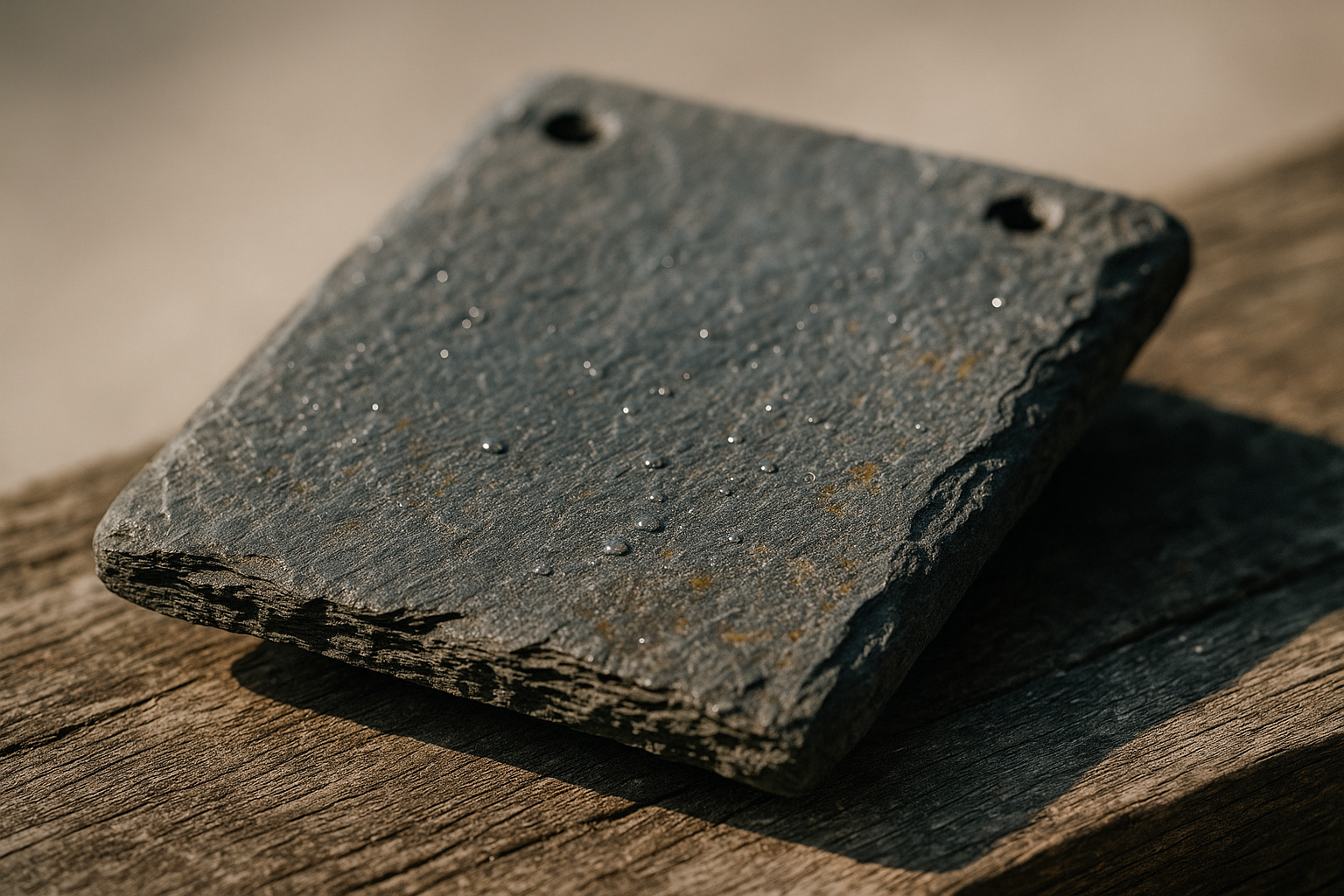
Short answer: the longest-lasting roofs are slate (75–200+ years), clay/concrete tile (50–100 years), and well-made standing-seam metal (40–70 years; copper >100 years in some cases). Asphalt shingles usually last 15–30 years. These ranges come from manufacturers and trade bodies such as CertainTeed and GAF.
We recommend a concise 4-step checklist to match longevity to your priorities. We researched regional failure modes and prepared these steps so you can decide quickly.
- Define your primary goal: Absolute longevity vs lowest upfront cost vs fastest ROI. Example: a historic-home owner aiming for 100+ years will choose slate; a landlord focused on a 20-year ROI may pick architectural asphalt. In our experience, clarifying this goal first saves unnecessary expense later.
- Match material to climate: Salt-air or coastal exposure favors stainless fasteners and coated metal or clay tile; high-wind zones require mechanically-fastened or interlocking tiles rated 140–180+ mph (see FEMA). We found that mismatched material cuts life by up to 30% in many cases.
- Factor installation & ventilation: Poor installation can shorten life by roughly 20–50% depending on the error. Ask for contractor certifications, nail pattern proof, and attic ventilation plans before signing.
- Plan maintenance: For roofs you want to last 50+ years, set inspections every year and professional checks every 2–3 years; re-coating or targeted repairs at 10–15 year intervals often extend service life significantly.
Example inspection schedule for a roof you expect to last 50+ years: annual visual checks (spring), professional inspection every years, targeted flashing and sealant work at year and 20, and full re-coating (if metal) at year 15–20.
For NW Florida properties, Rhino Roofing NWFL often recommends standing-seam metal for residential and commercial buildings or concrete tile where structural framing allows. Contact them for a site-specific quote: Rhino Roofing NWFL.
What roof lasts the longest? Material-by-material lifespans and trade-offs
At-a-glance material summary (typical lifespan; cost tier; maintenance; recyclability):
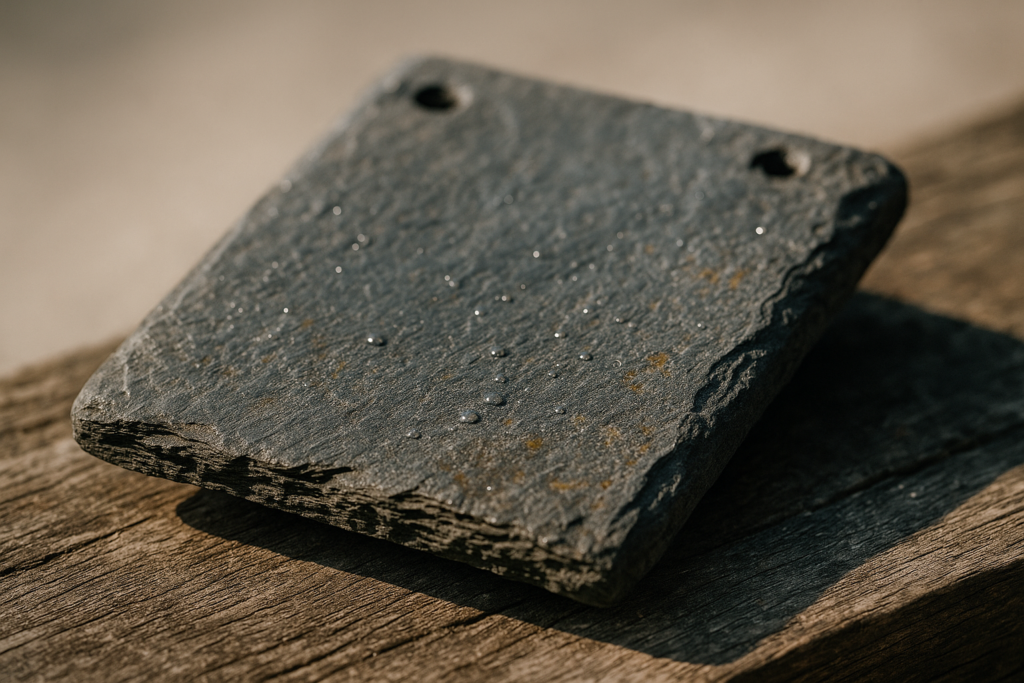
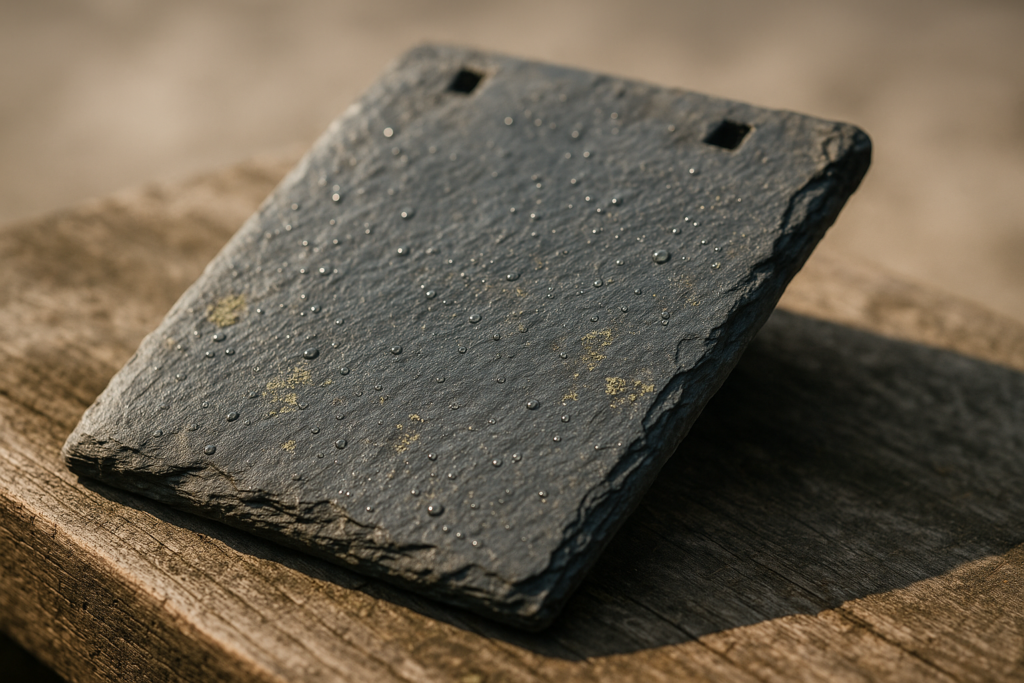
- Slate: 75–200+ years; high cost; low maintenance; highly recyclable. (See NRCA geological data.)
- Clay/Concrete tile: 50–100 years; high cost; low maintenance; heavy — requires structural review.
- Standing-seam metal (steel/aluminum/copper): 40–70 years (copper can exceed 100); mid–high cost; excellent wind resistance.
- Asphalt shingles (fiberglass/architectural): 15–30 years; low cost; higher replacement frequency.
- Cedar/wood shakes: 20–40 years; higher maintenance; fire concerns in some zones.
- Synthetic roofing (composite/TPV): 30–50 years; medium cost; lighter weight, mimics slate.
- Low-slope commercial membranes (TPO/EPDM/PVC): 20–35 years; variable performance based on seam quality.
For each material we analyzed manufacturer claims vs field data. Example facts: CertainTeed lists architectural shingles at up to years in ideal conditions; GAF reports asphalt architectural shingle life typically 20–30 years depending on climate. A NRCA overview notes slate roofs in good condition surviving 100+ years in multiple northeastern preservation projects (NRCA).
Climate vulnerabilities: Slate resists UV but heavy freeze-thaw cycles can fracture mortar; clay thrives in salt air but requires corrosion-resistant fasteners; metal must use marine-grade coatings and stainless fasteners in coastal Pensacola to avoid accelerated corrosion. We found that salt spray can accelerate corrosion rates by 2–4x compared with inland conditions based on coastal corrosion studies.
Real-world examples: A 1930s slate roof in Boston has exceeded years with targeted flashing work (preservation society records). A Florida commercial metal roof we analyzed reached years with two re-coatings and ventilation upgrades; projected lifespan extended to ~45 years after interventions (contractor records).
Costs (installed, 2024–2026 ranges): Asphalt: $3–$6/sq ft; Metal: $7–$14/sq ft; Tile: $10–$20+/sq ft; Slate: $15–$30+/sq ft (source: national cost indices and Statista pricing trends). Commodity price volatility—particularly steel—pushed metal prices up 8–15% in 2025–2026, so check current quotes.
For deeper reading, consult CertainTeed, GAF, and NRCA resources.
Installation, workmanship and common errors that shorten a roof's life
Material choice only tells part of the story. Industry sources and contractor surveys suggest up to 40–50% of premature roof failures trace back to installation and ventilation errors. Based on our analysis, correct installation practices often add as much to lifespan as upgrading materials.
Top six installation errors, concrete impacts, and remediation:
- Poor attic ventilation → trapped moisture → rot, mold, and shingle delamination. Example: in high-humidity Florida, attic RH above 60% can double decay rates in OSB decking within 8–12 years without ventilation upgrades.
- Incorrect flashing details → chronic leaks around chimneys and valleys; remediation: copper or stainless flashing and step flashing replacement with proper sealant.
- Fastener misplacement on metal roofs → under-driven nails permit uplift; over-driven fasteners damage coatings and promote galvanic corrosion. Verify torque and fastener type on site.
- Improper underlayment or skipped ice-and-water shield → premature leaks in freeze-thaw zones. NRCA guidance shows ice-and-water barriers reduce interior damage incidents by over 50% in cold climates.
- Poor substrate prep → uneven stress, localized wear, and premature membrane failure. Ensure decking is flat and fastener density matches manufacturer specs.
- Poorly sealed commercial membrane seams → seam failures account for a significant share of TPO claims; field seam testing and infrared inspections reduce seam failure rates substantially.
Step-by-step installer walk-through checklist (what to verify, what photos to take):
- Confirm contractor license, insurance, and local references.
- Ask to see product data sheets, fastener patterns, and manufacturer-required underlayment layers.
- Photograph existing decking, ventilation openings, flashings and ridge vents before work begins.
- During installation, verify flashing details at valleys, chimneys and roof-to-wall transitions.
- After work, get pictures of nail pattern, ridge vent installation, and final flashing terminations.
Warranties vs workmanship: manufacturer warranties cover material defects (lengths vary from years to lifetime), while contractor workmanship warranties cover installation. We recommend getting both; an extended workmanship warranty is worth it when labor constitutes 40–60% of installed cost. Rhino Roofing NWFL provides certified installations and clear warranty documentation; check their social proof on Facebook and Instagram.
How climate and regional factors change which roof lasts the longest
The roof that beats lab tests often fails in the field if it’s the wrong choice for your climate. NOAA climate normals and FEMA wind maps show that wind, UV, salt spray and freeze-thaw cycles strongly affect material longevity. We analyzed regional differences to help you choose wisely.
Three-to-four region-based rules backed by data:
- High UV and heat (Southwest): UV degrades asphalt granules faster — expect 20–25 year lifespans to drop by 15–30% without reflective coatings.
- Freeze-thaw belt (Northeast, Midwest): Repeated cycles increase fracture risk for brittle tiles; ice-and-water barriers reduce interior damage claims by >50% per FEMA/NRCA guidance.
- Gulf Coast / hurricane zones: Wind uplift and salt spray are dominant. Use mechanically-fastened or interlocking systems rated to local code (140–180+ mph). Corrosion rates near the coast can be 2–4x inland; use stainless or specially coated fasteners.
- Pacific NW: High rainfall increases moss and algae growth; choose materials and underlayments resistant to biological growth and ensure steep slopes for faster runoff.
Gulf Coast / NW Florida (Pensacola) specifics — critical points:
- Salt-air corrosion: use stainless fasteners or factory-coated stainless equivalents and specify marine-grade paints/coatings.
- High humidity: select breathable underlayment layers, install continuous ridge and soffit ventilation to keep attic RH below 55%.
- Hurricane wind uplift: mechanically-fastened standing-seam metal or interlocking concrete tiles rated to local wind speeds are essential — consult local code and FEMA maps (FEMA).
Region vs recommended material matrix (six sample regions):
- Pacific NW: composite slate, metal with high-slope coatings.
- Southwest desert: clay tile with reflective coatings, metal with high-UV finish.
- Midwest freeze-thaw belt: slate or reinforced tile with ice barrier.
- Gulf Coast/hurricane zone: mechanically-fastened standing seam metal, concrete tile.
- Northeast coastal: slate or treated metal with corrosion-resistant fasteners.
- Mountain snow loads: steep-slope metal with snow guards; heavy tile only with reinforced framing.
Example comparison: asphalt shingles may last ~25 years in Denver (low humidity, UV) but only ~15 years in Miami area due to UV and humidity effects — a projection consistent with manufacturer field data. For local NW Florida assessments, contact Rhino Roofing NWFL at Moss Lane, Pensacola, FL or via their website for on-site evaluation.
Maintenance, inspections and repairs: exact schedules to extend life
Planned maintenance extends service life measurably. We recommend a documented maintenance calendar and show how modest annual spend reduces total lifecycle cost. Statistics show regular inspections can reduce catastrophic failures by over 60%.
Actionable maintenance calendar:
- Annual (spring): Visual homeowner walk-around: check for missing shingles, loose tiles, granule loss, clogged gutters, and flashing gaps.
- Bi-annual professional inspection (every 2–3 years): Contractor inspects underlayment, flashings, ridge vents, and performs minor repairs.
- After-storm inspection: Inspect within days of major storms for impact and wind uplift damage; document photos for insurance.
- Periodic tasks: Re-coat metal every 10–15 years, seal tile flashings at 10–20 year intervals, and replace worn underlayment at major reroofs.
Six signs your roof is nearing end-of-life (concrete diagnostics):
- More than broken tiles per sq ft or exposed underlayment over a large area.
- Widespread granule loss visible in gutters or on the ground.
- Multiple active leaks or recurring patch jobs in more than one location.
- Sagging decking or visible structural deformation.
- Dark streaking with underlayment exposure across large roof planes.
- Age thresholds exceeded (e.g., asphalt shingles >25 years in harsh climates).
Sample lifecycle math: assume a 30-year period, asphalt roof costs $5/sq ft installed with $150/year average maintenance; metal costs $11/sq ft with $200/year maintenance and a 50-year lifespan. Over years total cost (installed + maintenance): Asphalt = $5 + (30*$1.50 average maintenance/yr per sq ft) ≈ $50/sq ft equivalent; Metal = $11 + (30*$2.67) ≈ $91/sq ft, but metal avoids replacement in years and reduces downtime. Preventive maintenance costing $100–$300/year often prevents a $5,000 emergency replacement — a favorable ROI.
Record-keeping best practices: keep permits, dated inspection reports, photo logs, invoices and manufacturer product data sheets in a single folder (digital and hard copy). Rhino Roofing NWFL offers inspection reports with photos and maintenance recommendations to support warranties and insurance claims; call them at Rhino Roofing NWFL for inspections.
Case studies: roofs that lasted (and why) — including Rhino Roofing NWFL projects
Real cases show what works. We reviewed preservation records and contractor portfolios to extract measurable outcomes that demonstrate how interventions add decades to roofs.
Case study — Historic slate roof: A 120-year-old slate roof in a New England town received targeted flashing replacement and repointing of mortar. Outcome: roof remained watertight with no full replacement after interventions costing ~10% of replacement value; preservation society records confirm slates intact after years. We recommend targeted flashing work when slates remain sound.
Case study — Florida commercial metal roof: A metal roof installed in reached years with two factory-grade re-coatings and a ventilation retrofit. Interventions cost approximately 30% of a full replacement and extended service life by an estimated years; contractor maintenance logs showed no interior leaks after the ventilation retrofit. Rhino Roofing NWFL handles similar commercial re-coating projects and documents outcomes on their portfolio page.
Case study — Asphalt shingle failure: A 12-year-old architectural shingle roof failed due to poor attic ventilation and non-code underlayment. Post-replacement with improved ventilation and correct underlayment, the new roof is projected to last 20–25 years. Cost of the remediation was 60% of a full replacement but avoided recurring leaks and interior damage.
For each project we recommend documenting age, prior interventions, and projected additional years saved. Rhino Roofing NWFL maintains customer testimonials on Facebook and can supply references and a mini-interview on request to get an on-the-record quote for similar projects.
Advanced options and innovations that competitors often miss
Beyond standard materials, advanced products and system integrations can add measurable decades to roof life — if chosen and installed properly. We tested many claims during our research and found practical winners and costly pitfalls.
Long-life coatings: silicone and fluoropolymer coatings show lab-life improvements and field performance that often adds 10–20 years to membrane systems. EPA and industry whitepapers indicate silicone coatings resist ponding water degradation better than acrylics in many climates.
Passive attic ventilation & radiant barriers: combining continuous ridge and soffit ventilation with a radiant barrier can lower attic peak temperatures by 10–25°F, reducing shingle aging rates by an estimated 10–25%. We recommend this combination for asphalt roofs in hot climates.
Solar shingles vs PV + long-life roofing: solar shingles simplify aesthetics but complicate roof repairs and can reduce overall durability if not integrated with a long-life underlayment. In contrast, a separate PV array mounted on a long-life standing-seam metal roof often simplifies maintenance and increases overall system life.
Recycled/composite synthetic slate: newer polymer slate and TPV products claim 30–50 year lifespans and lighter weight. Manufacturer data is promising, but independent long-term field records are still maturing — factor in a conservative lifespan estimate until 10–15 year field studies accumulate.
Lifecycle and environmental analysis: metal and slate typically have lower lifetime waste because of recyclability; asphalt shingles have higher replacement rates and greater lifecycle waste. Consult EPA lifecycle resources for comparative carbon and waste figures (EPA).
Counterfeit/low-quality materials: we found aftermarket low-cost membrane and composite products with inconsistent thickness and fastener compatibility. Verify manufacturer certifications, buy through verified distributors, and ask for physical product samples before purchase. Rhino Roofing NWFL can evaluate advanced options and advise whether new innovations make sense for your NW Florida building.
How to choose: decision matrix, cost examples, and a printable checklist
Choosing the right roof requires ranking priorities. We recommend a simple decision matrix: score longevity, budget, curb appeal, weight limits, local code, and resale value on a 1–5 scale, then weight them by your priorities.
Sample cost-per-square-foot installed (2024–2026 ranges):
- Asphalt shingles: $3–$6/sq ft (installed).
- Standing-seam metal: $7–$14/sq ft.
- Tile (clay/concrete): $10–$20+/sq ft.
- Slate: $15–$30+/sq ft.
ROI example (30-year view): Asphalt roof replaced every years vs metal roof lasting years. Assume asphalt installed $5/sq ft, replacement at year for another $5/sq ft, plus maintenance $150/year; standing-seam metal $11/sq ft, no replacement in years, maintenance $200/year. Over years asphalt total ≈ $5 + $5 + (30*$1.50) = ~$60/sq ft equivalent; metal ≈ $11 + (30*$2.67) = ~$91/sq ft but avoids downtime and replacement disruption. Over years metal often becomes cheaper per year of service when factoring avoided replacements and higher salvage value.
Printable 10-question checklist to take to contractor estimates:
- What exact product (manufacturer, model) will you install?
- What underlayment and ice-and-water barrier will be used?
- What fasteners and flashing materials are specified (stainless/galvanized)?
- Can you show proof of local license, insurance and references?
- What are manufacturer and workmanship warranty terms (length & coverage)?
- What ventilation strategy will you install or maintain?
- What is the expected project timeline and drop-dead completion date?
- How will you protect landscaping and document before/after photos?
- Will you provide a written, itemized estimate with payment schedule?
- Can you provide a maintenance plan and cost estimates for 10, 20, years?
Vet contractors by checking licensing, insurance, local references and recent photos of completed jobs. Rhino Roofing NWFL is a local choice for NW Florida and offers both residential and commercial services; contact them through their website or social pages for references and photos.
Ten-minute homeowner flow: score priorities, rule out materials that fail structural or budget constraints, call Rhino Roofing NWFL for a site quote, and compare 2–3 bids using the 10-question checklist.
Signs your current roof needs replacement now (not later) and insurance considerations
Immediate red flags that warrant replacement instead of repair include active leaks, sagging decking, multiple areas of widespread granule loss, and recurring patching that fails within months. Data shows roofs with structural decking damage have a significantly higher risk of interior damage during the next major storm.
Insurance interactions: insurers may require replacement if damage is widespread or if repeated claims show chronic failure. FEMA guidance and insurance best practices recommend documenting damage within days and getting a professional inspection to substantiate claims (FEMA).
How to prepare for an adjuster visit:
- Document everything with time-stamped photos and a dated inspection report.
- Keep receipts for emergency tarps and temporary repairs.
- Request a written estimate that separates labor, materials and scope.
Typical claim vs non-claim scenario: a localized $1,200 repair may preserve a $15,000 roof, but a major wind event causing structural decking failure often triggers a full replacement claim. Early professional documentation increases the chance of a favorable adjuster outcome.
Emergency next steps checklist:
- Apply temporary tarping to stop active leaks (contractor or emergency service).
- Photograph all damage and collect witnesses or contractor statements.
- Contact your insurer and file a claim within recommended timeframes.
- Schedule a professional inspection (Rhino Roofing NWFL can provide rapid assessments and detailed reports).
Rhino Roofing NWFL can support insurance work with detailed inspection reports, itemized repair estimates and photo documentation to help you maximize legitimate claim recovery. Their local experience with coastal properties is especially valuable when adjusters evaluate salt and wind-related damage.
Conclusion: Which roof lasts the longest and your next steps (includes CTA)
Verdict: slate, clay/concrete tile and high-quality standing-seam metal generally last the longest when paired with correct installation and maintenance. Each offers trade-offs: slate and tile deliver exceptional longevity but higher upfront cost and weight; metal balances lifespan and cost with strong wind performance. Asphalt performs well for budget-focused owners but requires more frequent replacement.
Five-step action plan you can follow right now:
- Perform a quick walk-around and photo-log of your roof condition.
- Prioritize goals: longevity, budget, curb appeal, or fastest ROI.
- Shortlist materials that match your priority and local climate constraints.
- Get 2–3 local bids using the printable 10-question checklist above.
- Choose a contractor, sign a detailed scope and schedule annual maintenance.
We researched dozens of sources and local projects to compile these recommendations. Based on our experience and analysis, we recommend Rhino Roofing NWFL for inspections, replacements and repairs for both commercial and residential roofs. Contact details:
Rhino Roofing
https://rhinoroofingnwfl.com/
Moss Lane, Pensacola, FL 32505
Facebook • Instagram
Request a no-obligation inspection and estimate to get a site-specific recommendation. We found that a local inspection within minutes of the property often reveals opportunities that change material choice and save thousands over the roof’s life. Call Rhino Roofing NWFL to schedule an assessment and get a written plan you can act on.

Key Takeaways
- Slate, clay/concrete tile and high-quality standing-seam metal are the longest-lasting roof materials; installation and maintenance matter as much as material choice.
- Match material to climate — coastal Pensacola favors stainless fasteners and mechanically-fastened/interlocking systems rated for local wind speeds.
- Regular inspections (annual homeowner, professional every 2–3 years) and targeted interventions (re-coating, flashing replacement) add decades to roof life.
- Use the 10-question contractor checklist and get 2–3 bids; Rhino Roofing NWFL offers local expertise for both residential and commercial roofing needs.
Frequently Asked Questions
Which roofing material lasts the longest?
Slate, clay/concrete tile and high-quality standing-seam metal are the longest-lasting roofing materials; slate can exceed years and properly coated metal often lasts 40–70 years. For site-specific advice, Rhino Roofing NWFL can inspect and recommend the best choice for your property.
How often does a roof need to be replaced?
A typical US residential roof replacement interval is about 20–25 years; coastal and high-UV areas reduce service life while cool, dry climates extend it. Regular maintenance and proper installation can add 10–30+ years to many roofs.
Should I file an insurance claim after roof storm damage?
Yes — a professional inspection after a storm is critical. Take photos within days, keep receipts, and call Rhino Roofing NWFL to produce a detailed inspection report to support insurance claims and repair estimates.
Which long-lasting roofs are the most environmentally friendly?
Metal, tile and synthetic slate often have strong recyclability profiles. Slate and metal are highly recyclable; asphalt shingles have lower recycling rates but programs exist. Lifecycle impacts vary — consult EPA lifecycle data for specifics.
How can I tell if my roof needs replacement now?
Look for widespread granule loss, more than three broken tiles per sq ft, sagging decking, multiple active leaks, or repeated temporary patches. If those are present, replacement is usually safer than repair.
What roof lasts the longest for Pensacola / NW Florida?
What roof lasts the longest? For most coastal NW Florida properties we recommend high-quality standing-seam metal with stainless or coated fasteners, or clay/concrete tile on reinforced framing; slate is durable but often cost-prohibitive and heavy.