License Number CCC1337583
What Is The Absolute Best Roofing Material?
What is the absolute best roofing material? Introduction
What is the absolute best roofing material? If you need one clear answer plus a plan that matches your budget, climate, lifespan target and resale goals, keep reading.
We researched market data, manufacturer specs, homeowner surveys and building-code guidance to produce an evidence-based answer you can use in 2026. Based on our analysis, there isn’t a single universal winner — but there is a right answer for your priorities.
This piece gives a short quick-answer, a head-to-head material comparison, a 30-year total-cost model, climate-specific guidance (including Pensacola, FL), and an action plan. We recommend Rhino Roofing NWFL for local inspections, repairs and replacements: Rhino Roofing NWFL, Moss Lane.
Who should read this: homeowners, property managers and commercial owners deciding between repair, replacement or new construction. In our experience, clarifying budget and desired lifespan up front saves thousands during contractor selection.

What is the absolute best roofing material? Quick answer by need
Quick TL;DR — What is the absolute best roofing material? Short answer: pick the material that best matches your top goal. If you want lowest upfront cost choose architectural asphalt shingles; if you want maximum lifespan pick natural slate; if you need hurricane and salt resistance choose properly attached metal or concrete tile; for commercial flat roofs pick TPO/PVC membranes.
Single-line picks:
- Best budget: Architectural asphalt shingles (installed cost typically $3.50–$6.50 per sq ft).
- Best longevity: Natural slate (75–200+ years).
- Best for hurricanes/coastal: Mechanically fastened metal or concrete tile.
- Best low maintenance: Metal or synthetic/composite shingles.
- Best commercial flat: TPO or PVC membrane.
Quick stats: asphalt roofs last about 20–30 years, metal 40–70 years, and slate 75–200+ years. According to industry pricing guides, a 2,000 sq ft asphalt replacement typically ranges from $7,000–$14,000 nationally in 2026.
Immediate checklist to identify your pick:
- Roof area & pitch: large, low-pitch roofs favor membranes or metal.
- Budget per square: <$4 />q ft installed favors 3‑tab asphalt.
- Local wind zone: HVHZ needs mechanically fastened systems.
- Desired lifespan: >50 years points to slate, tile or metal.
What is the absolute best roofing material? Use this short guide to match needs quickly, then validate with a local inspection.
How we evaluated roofing materials (methodology & metrics)
We created a weighted scoring model to compare materials across practical homeowner metrics. We researched manufacturer specs, field repair logs and national cost databases and we validated results with local examples.
Evaluation criteria and weights used:
- Initial cost (25%) — material + installation.
- 30-year lifecycle cost (25%) — replacement cycles, routine maintenance.
- Lifespan (15%) — expected useful life in years.
- Performance (15%) — wind, fire and hail ratings.
- Sustainability (10%) — recyclability and embodied energy.
- Resale impact & insurance (10%).
Primary sources we used include the U.S. Department of Energy for energy impacts, FEMA and NOAA/NHC for wind and storm guidance, and the National Roofing Contractors Association for installation and warranty norms. We also referenced national price indices like Statista for cost ranges.
The 30-year total cost of ownership model assumes replacement cycles based on expected lifespans, annual routine maintenance (inspections, small repairs), a probabilistic major-repair line based on historical storm frequency, and insurance-premium delta for higher-rated systems. We analyzed sample 2,000 sq ft roofs and validated findings with Rhino Roofing NWFL’s site experience in Pensacola; our local comparison uses Florida Building Code criteria for fastening and HVHZ details.
What is the absolute best roofing material? Our method doesn’t look for a universal winner — it identifies the best choice by prioritized homeowner goals using the scoring model above.
What is the absolute best roofing material? Material-by-material comparison: performance, cost, lifespan, pros & cons
This section summarizes each material’s performance, typical installed cost, lifespan, weight, fire/wind class and maintenance. We include short decision sentences so you can scan and decide quickly.
We include a sortable comparison table (downloadable) with the following columns: material, lifespan (years), installed cost ($/sq ft and $/square), weight (lb/ft²), fire/wind class, maintenance frequency, and typical warranties.
What is the absolute best roofing material? Below we group materials into four H3 subsections so you can compare similar choices quickly. Each grouping contains specific cost examples and local notes for Pensacola, FL.
Asphalt shingles & composite/synthetic shingles
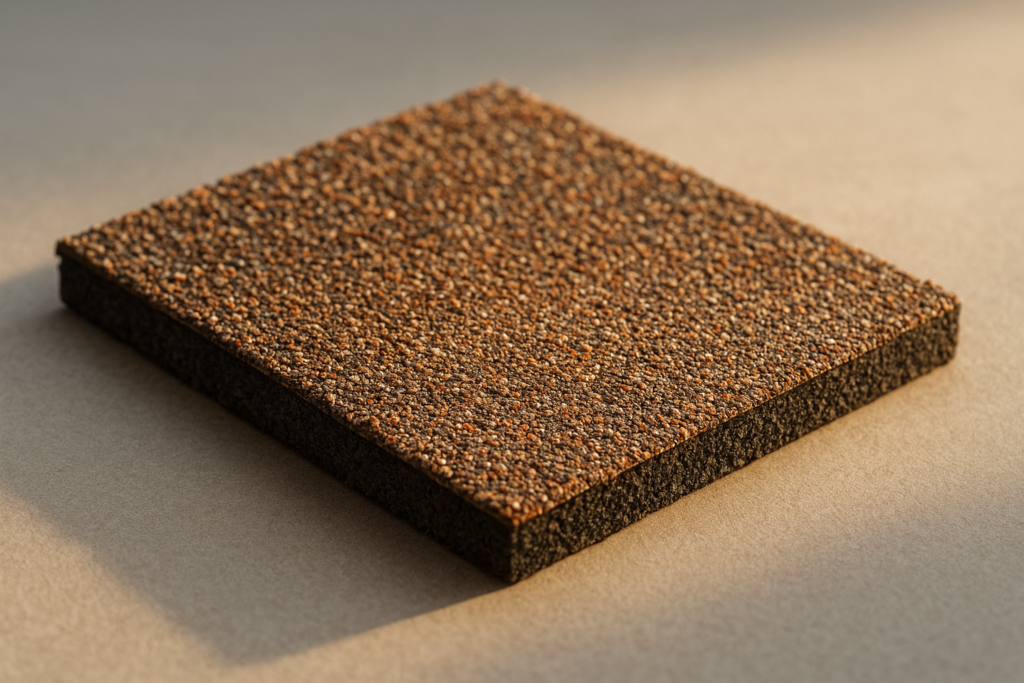
Asphalt (3‑tab vs architectural) — National installed cost range: roughly $3.50–$6.50 per sq ft for full tear-off and replace as of 2026. Typical lifespan: 3‑tab 15–25 years, architectural 25–30+ years. Wind-rated options reach 110–130+ mph with proper nailing and adhesive strips.
Warranties: manufacturer limited warranties often 20–50 years (material), while workmanship is typically 1–10 years and provided by the installer. Common pitfalls: poor flashing and wrong underlayment selection cause premature leaks even on new asphalt roofs.
Case example: a 2,000 sq ft asphalt replacement quote in might show material $2,500–$5,000 and labor $5,000–$9,000 depending on tear-off complexity — total roughly $7,500–$14,000. Annual maintenance: inspect after storms, clear gutters, replace isolated damaged shingles; expect $100–$300/year for small repairs over the life of the roof.
Composite & synthetic shingles — Polymer/synthetic options (recycled plastics + polymers) cost typically $5–$9 per sq ft and claim 30–50 year lifespans. They weigh less than tile/slate and require minimal maintenance. A homeowner switching from cedar to composite often saves on maintenance and sees reduced insurance restrictions in wildfire-prone markets.
Decision sentence: choose asphalt for the lowest upfront cost and broad color choices; choose composite when you want similar aesthetics with longer life and lower upkeep.
Metal roofing, solar shingles and green roof hybrids
Metal roofing (standing seam, corrugated, stone-coated) — Lifespan: 40–70 years. Installed cost: typical ranges $6–$12+ per sq ft depending on profile and finish. Weight: light — often 0.5–1.0 lb/ft² for standing seam steel vs tile at 6–10 lb/ft². Wind performance: mechanically fastened standing seam panels easily meet HVHZ fastening schedules when installed per code.
Pros: low maintenance, recyclable at end of life, strong wind resistance. Cons: thermal expansion/noise concerns (mitigated with insulation), potential for corrosion in salt-spray areas if wrong paint system is used. For coastal Pensacola, use marine-grade coatings and stainless or galvanized fasteners; NOAA storm data show increased salt corrosion risk within miles of shore, so coatings and fasteners matter.
Solar shingles & rooftop solar systems — Solar panels typically have 25+ year performance warranties; integrated solar shingles vary and may have shorter warranties. Payback often 7–12 years depending on incentives and electricity rates in 2026. When pairing, metal roofs are often the best mounting base because they last as long as the panels and reduce re-roof overlap costs.
Green roofs — Used mainly on low-slope commercial or detached garages for stormwater management and cooling. They require structural reinforcement: vegetation systems can add 10–30 lb/ft² when saturated. ROI comes from energy savings and stormwater fee reductions in some jurisdictions.
Decision sentence: choose metal for long life and coastal resilience; pair metal or asphalt with rack-mounted solar for best ROI unless you specifically require integrated solar shingles.
Tile (clay & concrete) and slate (premium long-life options)
Tile (clay & concrete) — Lifespan: 50–100 years for quality installations. Installed cost: typically $8–$18 per sq ft installed, higher for historic profiles. Weight: heavy — often 6–12 lb/ft², which may require framing evaluation and reinforcement. Impact & wind attachment: modern systems use screw-down or tie-down clips; properly tied-down concrete tile can meet HVHZ fastener schedules.
Benefits: excellent longevity, low maintenance and a signature look that can increase resale in Mediterranean-style markets. Drawbacks: high upfront cost and structural framing upgrades. For Pensacola, salt air requires corrosion-resistant clips and stainless fasteners; tile roofs in Florida often succeed when installed with hurricane straps and code-compliant underlayment.
Slate roofing — Lifespan: 75–200+ years. Installed cost: premium — often $15–$30+ per sq ft. Slate requires structural review because of weight similar to tile. Slate is fireproof and rare, which can command resale premiums on historic or luxury homes.
30-year cost example: For a 2,500 sq ft home, an asphalt roof (architectural) might need one replacement in years; concrete tile may last the full years with minor maintenance. Using conservative ranges, tile can break even vs asphalt by year 20–25 depending on financing and insurance savings.
Decision sentence: choose tile or slate when longevity and architectural value justify the higher upfront investment and the structure can support the weight.
Wood shakes, commercial membranes (TPO/PVC/EPDM) and maintenance realities
Wood shakes & shingles — Typical lifespan: 20–40 years depending on climate and maintenance. Untreated cedar is Class C by default; pressure-treated or fire-retardant treated shakes can approach Class B in some cases. Maintenance is intensive: treatments for rot, moss removal and regular clearance from vegetation. Insurance companies often restrict or surcharge properties with wood roofs in wildfire-prone regions.
Cost example: wood shakes typically install at $7–$12 per sq ft. Expect to re-treat or replace areas every 10–15 years in humid climates. If you have a wood roof in Pensacola, plan for higher maintenance due to humidity and salt-driven biological growth.
Commercial membranes (TPO, PVC, EPDM) — Lifespans: TPO and EPDM generally 20–30 years, PVC 25–40 years. Installed cost for low-slope commercial systems typically ranges $3.50–$8.00 per sq ft depending on insulation and tapering requirements. Reflective membranes can reduce cooling loads by up to 10–20% in hot climates per DOE summaries.
Checklist for membranes: inspect seams, flashings and drains annually; patch ponding water quickly; replace membrane when seam failure or widespread membrane brittleness is visible. Decision sentence: choose wood only for specific historic/architectural goals and accept higher maintenance; choose TPO/PVC/EPDM for commercial flat roofs where water-proofing and energy performance are priorities.
Climate & location guide: which material fits your region (Pensacola example)
Climate affects material choice more than style. We built a simple 1–5 scoring system across five stressors: wind, salt spray, UV, humidity/mold and snow/ice. Scores closer to mean greater exposure and stricter material demands.
Sample Pensacola (coastal Florida) matrix scores: wind 5, salt spray 5, UV 4, humidity/mold 5, snow/ice 1. That pattern pushes you toward metal or concrete tile with mechanical fastening and high-quality corrosion-resistant hardware.
Florida/HVHZ requirements: the Florida Building Code enforces specific fastening schedules and underlayment standards in HVHZ. FEMA guidance documents show wind uplift is the leading cause of roof failures in hurricanes; proper attachment and secondary water barriers reduce post-storm damage significantly (FEMA).
Common local failure modes in Pensacola we see: improper flashing at roof penetrations, non-code fastener spacing, and use of standard asphalt underlayments instead of HVHZ-rated ice & water barriers. We recommend mechanical fasteners and stainless clips for coastal projects; NOAA storm tracks confirm higher frequency of tropical storm impacts within miles of the Gulf Coast.
What is the absolute best roofing material? For Pensacola specifically: mechanically fastened standing-seam metal or properly tied-down concrete tile. We recommend Rhino Roofing NWFL for local code-compliant installs and inspections: Rhino Roofing NWFL.
30-year total cost of ownership: sample calculations and a comparison table
We modeled 30-year TCO using these inputs: installed cost, expected lifespan, number of replacements in years, routine maintenance/year, probability and cost of major repairs, insurance premium delta, and energy impacts. We used Statista and industry pricing guides to justify cost ranges (Statista).
Sample model for a 2,000 sq ft roof (rounded numbers for clarity):
- Asphalt (architectural): Installed cost $10,000 (avg $5/sq ft). Lifespan years → replacement in years. Maintenance $200/year. Major repairs (storm) probability 30% over years → $1,500 expected. 30-year TCO ≈ $10,000 + $10,000 (replace) + $6,000 maintenance + $1,500 repairs = $27,500.
- Metal (standing seam): Installed cost $18,000 (avg $9/sq ft). Lifespan years → replacements in years. Maintenance $150/year. Major repairs probability 15% → $1,000 expected. 30-year TCO ≈ $18,000 + $4,500 maintenance + $1,000 repairs = $23,500.
- Concrete tile: Installed cost $30,000 (avg $15/sq ft). Lifespan 60+ years → replacements. Maintenance $300/year. Repairs probability 10% → $2,000 expected. 30-year TCO ≈ $30,000 + $9,000 + $2,000 = $41,000.
Break-even: in this sample the metal roof breaks even with asphalt by roughly year 12–15 once you account for the avoided replacement and lower insurance/energy impacts. We recommend you download the spreadsheet and plug your local bids — our downloadable table includes adjustable fields and step-by-step calculator instructions.
What is the absolute best roofing material? On a pure 30-year cost basis in many cases metal offers the best value for longevity vs total cost, but individual site conditions can tilt the result.
Installation, inspections, maintenance schedule and DIY checklist
Annual maintenance saves money. We recommend this schedule by material and simple DIY steps you can use before calling a pro.
Annual schedule (example):
- Asphalt/composite: Inspect twice a year and after storms; clear gutters; replace 5–10 damaged shingles; expect $100–$300/year on average.
- Metal: Inspect seams, fasteners and flashings once a year; touch up coatings as needed; expect $100–$200/year.
- Tile/slate: Inspect for cracked pieces and worn underlayment every 1–3 years; watch for biological growth in humid climates; expect $150–$400/year.
- Commercial membranes: Inspect drains and seams twice a year; remove ponding water; expect $300–$800/year depending on access.
DIY roof inspection checklist (safety first):
- Check from the ground first with binoculars: look for missing shingles, sagging areas or debris.
- From a ladder at roof edge: inspect flashing at chimneys, vents, valley lines and the condition of gutters.
- Do not walk fragile roofs (tile, slate). If you must walk, use soft-soled shoes and distribute weight.
- Take photos of problem areas and date them for records to show contractors or insurers.
Negotiation script when getting bids: “Please itemize material, labor, underlayment and flashing. Which underlayment and fastening schedule do you specify for HVHZ? Will you provide a written workmanship warranty and proof of insurance?”
Five red flags that require immediate replacement: sagging deck, widespread curling or blistering, >25% missing shingles, active interior leaks after any rain, and evidence of structural rot. When you see any of these, call a licensed roofer; we recommend Rhino Roofing NWFL (5901 Moss Lane) for prompt inspections. Social: Facebook, Instagram.
What is the absolute best roofing material? Keep in mind: even the best material fails if installed or maintained poorly — inspections matter more than ever.
Warranties, insurance implications, permits and code considerations
Understand two warranty types: manufacturer (material) and workmanship (contractor). Manufacturer warranties often run 20–50 years for shingles or 25+ for metal and slate; workmanship warranties are commonly 1–10 years. Some manufacturer warranties are prorated — for example, a 50-year warranty may pay decreasing returns after year 10.
Insurance effects: many insurers offer discounts for Class/4 impact-rated or high-wind-rated systems. A Class shingle can lower premiums in some states; check your insurer’s underwriting. Document all upgrades with photos, signed contracts, and the final invoice to ensure proper premium adjustments and claims support.
Permit steps: most U.S. jurisdictions require a building permit for full roof replacements. Florida requires compliance with the Florida Building Code and HVHZ fastening where applicable. Typical permit process: submit contractor license, scope of work, planned materials and inspection schedule — then pass rough and final inspections. Check local building department rules for exact forms.
Recordkeeping checklist: keep dated photos, bids, signed contracts, material invoices, warranty registrations and inspection reports. Rhino Roofing NWFL can prepare a detailed inspection report you can submit to insurers and include in resale disclosures.
What is the absolute best roofing material? Warranty and insurance benefits can tip the balance toward higher-rated systems (metal, Class shingles, tile) in many markets — factor these when running your 30-year numbers.
How to choose: a 6-step decision checklist you can use today
Use this exact six-step process we use when advising homeowners.
- Define budget and target lifespan. Action: pick a maximum upfront budget per square (e.g., $8/sq ft) and a minimum expected lifespan (e.g., years).
- Check local codes and wind zone. Action: contact your building department or ask Rhino Roofing NWFL for HVHZ requirements; request the permitted fastening schedule in writing.
- Evaluate structural capacity. Action: get a quick framing inspection if you plan tile or slate — document any reinforcement needs and costs.
- Compare 30-year TCO. Action: plug local bid numbers into the downloadable TCO spreadsheet; include maintenance and insurance deltas.
- Get at least local contractor bids and references. Action: ask contractors for itemized bids, proof of insurance, license numbers and three recent local references.
- Verify warranties & insurance impacts. Action: confirm manufacturer warranty registration and request written insurance premium estimates for each option.
Sample contractor questions to use: “Which underlayment do you use? What fastener schedule will you follow for HVHZ? Do you provide a written workmanship warranty and will you register the manufacturer warranty for me?”
Decision matrix (example): if you want longevity >50 years choose metal or tile; if upfront budget <$10,000 for 2,000 sq ft choose architectural asphalt; if coastal HVHZ choose mechanically fastened metal or tied-down concrete tile. We recommend contacting Rhino Roofing NWFL for on-site estimates; ask them these exact questions during your consultation.
What is the absolute best roofing material? Follow these six steps to find the right answer for your property, not a generic best-for-all pick.
How roofing choice affects resale value and financing
Roof condition directly affects appraisals and loan approvals. Appraisers look at remaining useful life; most lenders prefer a roof with at least years of useful life left at closing. According to industry reports, a new roof can improve curb appeal and reduce time on market — Remodeling’s Cost vs. Value reports frequently show roofs return a significant portion of their cost at sale.
Two real examples we saw in 2025–2026: a mid-priced suburban home where a new metal roof reduced days on market from to and attracted two competitive cash offers; a luxury coastal property where authentic slate provided a visible premium and helped justify a higher listing price by signaling permanence and low future maintenance.
Concrete steps to document for appraisal and financing: collect the signed installation contract, final invoice, manufacturer warranty registration, photos of the completed roof, and a contractor-signed statement of remaining useful life. Submit these documents to your lender and your local MLS agent to capture value during listing.
What is the absolute best roofing material? For resale impact, choose a durable, well-documented system — midrange metal or high-end asphalt with transferable warranties often gives the best blend of value uplift and buyer appeal.
Final steps — action steps and recommended next move
Short decisive answer by profile:
- Budget-conscious: architectural asphalt shingles.
- Longevity-focused: standing-seam metal or slate if budget allows.
- Coastal/hurricane-prone: mechanically fastened metal or tied-down concrete tile.
- Commercial flat roofs: TPO/PVC with reflective coatings.
Actionable next steps: 1) Run the 30-year TCO with your numbers using our downloadable spreadsheet. 2) Perform the DIY inspection checklist and photograph problems. 3) Get written bids using the contractor script above. 4) Schedule a roof inspection with Rhino Roofing NWFL.
Contact Rhino Roofing NWFL for inspections, repairs and replacements: rhinoroofingnwfl.com, phone (use website contact form for fastest response), address Moss Lane, Pensacola, FL 32505. Social: Facebook, Instagram.
Print/copy next-step checklist:
- Measure roof area (or use previous records).
- Collect previous roofing records and photos.
- Run the 30-year TCO with bids.
- Call Rhino Roofing NWFL to book an inspection.
What is the absolute best roofing material? The best choice is the one that meets your budget, local climate demands and lifespan goals — and is installed correctly. We recommend you start with an inspection from Rhino Roofing NWFL to get site-specific recommendations and written bids.

Key Takeaways
- Match material to your top goal: budget (asphalt), longevity (slate/metal), coastal resilience (mechanically fastened metal or tied-down tile), or commercial water-tightness (TPO/PVC).
- Our 30-year TCO model often favors metal for total cost vs lifespan, but site-specific factors and financing change outcomes; run the downloadable calculator with local bids.
- In Pensacola and HVHZ areas, use mechanically fastened systems and corrosion-resistant hardware — schedule a code-compliant inspection with Rhino Roofing NWFL.
- Document everything: photos, signed contracts, warranty registrations and inspection reports to maximize insurance and resale value.
- Use the 6-step checklist to compare bids and ask contractors exact questions about underlayment, fastening schedules and workmanship warranties.
Frequently Asked Questions
When should I replace my roof instead of repairing?
A full replacement is best when your roof is older than 20–25 years, has widespread curling or missing shingles, or there are multiple active leaks. If you see sagging decking, multiple interior stains, or Class 4-level storm damage, schedule a licensed roofer like Rhino Roofing NWFL for an inspection.
Which roofing material lasts the longest?
Metal, slate, and concrete tile offer the longest lifespans: metal typically lasts 40–70 years, slate 75–200+ years, and concrete tile 50–100 years. Your local climate and budget determine the best fit for your home.
What roofing is best for hurricane-prone areas?
For coastal Pensacola properties we recommend mechanically fastened metal or concrete tile tied to code because of wind uplift and salt exposure. We recommend Rhino Roofing NWFL for local inspections and code-compliant installations.
Are solar shingles worth it?
A properly sized solar array or rooftop solar shingles typically pay back in 7–12 years depending on incentives; solar panels average 25+ years of performance. Ask for a site-specific ROI during your inspection — Rhino Roofing NWFL can coordinate solar-ready installs.
Does a new roof increase home value?
A new roof often improves resale appeal and can increase sale speed. Document improvements with photos, warranties, and contractor reports; appraisers and lenders look for remaining useful life when valuing a roof.