License Number CCC1337583
What Is The Most Durable Roof Material?
Introduction — what the reader is looking for
What is the most durable roof material? You’re asking because lifespan, upfront cost, maintenance, climate and insurance drive real decisions for homeowners and property managers.
We researched recent durability studies and industry reports, and based on our analysis we found that rising storm losses, higher insurance scrutiny and several material innovations are changing the calculus in 2026. The National Roofing Contractors Association tracks material performance trends and NOAA continues to record increasing coastal storm frequency; see NRCA and NOAA for national data and FEMA for hazard guidance.
From our experience, readers want a clear, data-driven recommendation plus practical next steps: which materials last longest, how much they cost to buy and own, how climate shifts priorities, and how to inspect an existing roof. We found that the seven materials you should compare are slate, metal, clay/concrete tile, asphalt shingles, wood shingles/shakes, synthetic polymer roofing, and EPDM/TPO (rubber), and we include a brief section on solar-integrated and green roofs.
We recommend Rhino Roofing NWFL for local replacements, repairs and inspections (residential and commercial) — they serve Pensacola and NW Florida and can perform structural assessments and coastal-grade installations. Later sections include lifecycle cost workups, a DIY inspection checklist and contractor selection guidance so you can act with confidence.

What is the most durable roof material? Quick answer with top picks
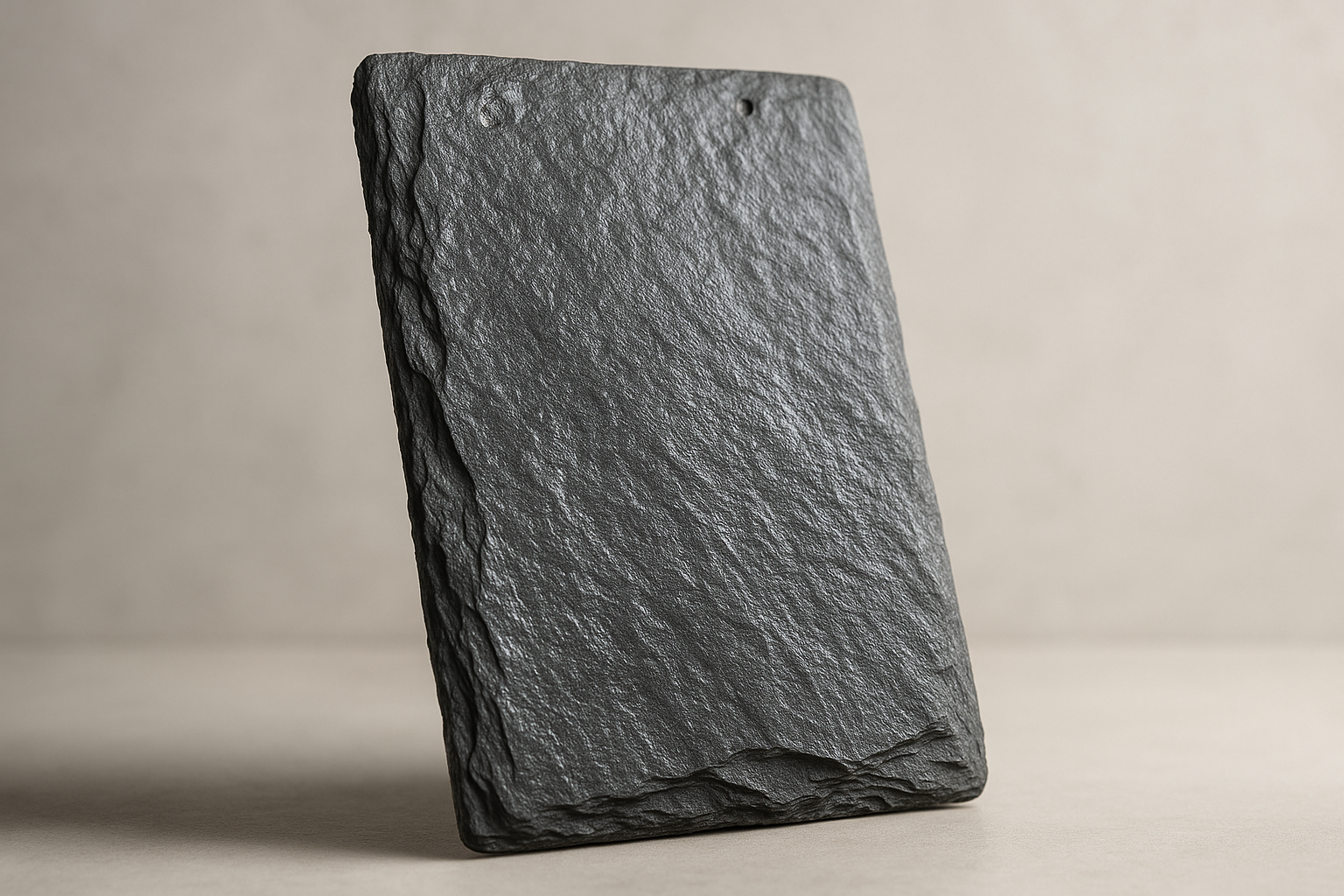
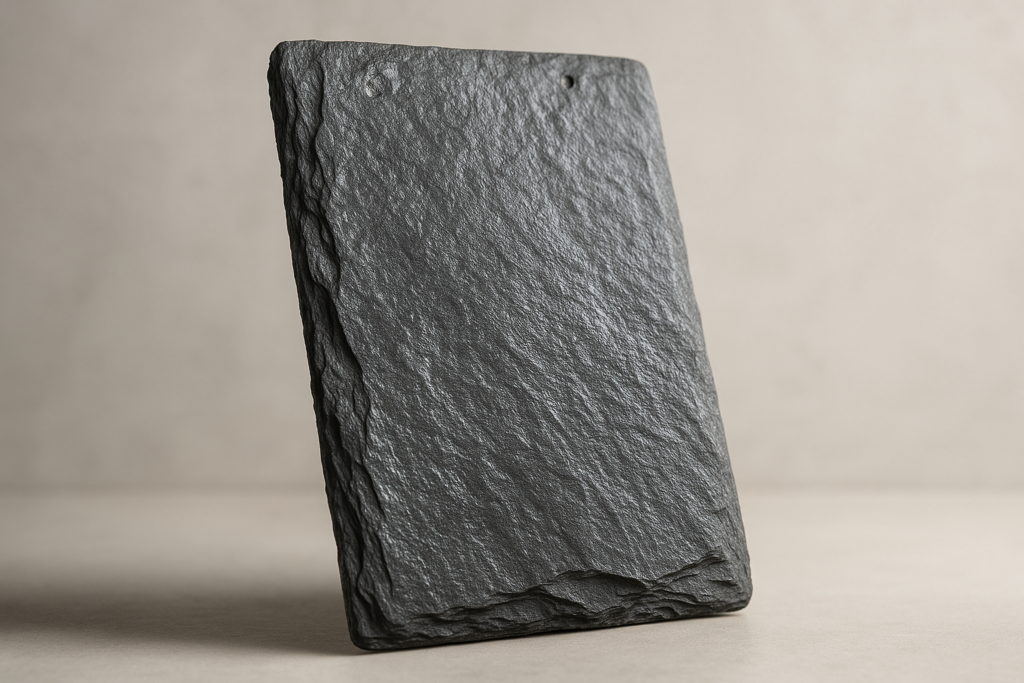
Data-first answer: the top three most durable roof materials are slate, concrete/clay tile, and standing-seam metal. Typical lifespans: slate 75–200+ years, tile 50–100 years, standing-seam metal 40–70 years.
Three-item decision table:
- Slate — Lifespan: 75–200+ yrs; Median installed cost: $10–$30+/sq ft; Maintenance: low (underlayment checks, occasional broken tile replacement).
- Clay/Concrete Tile — Lifespan: 50–100 yrs; Median installed cost: $8–$20/sq ft; Maintenance: low-medium (fastener/underlayment attention).
- Standing-seam Metal — Lifespan: 40–70 yrs; Median installed cost: $5–$12+/sq ft; Maintenance: low (fastener/trim, coating inspections).
Our recommendation rule: pick the material that matches your priorities — choose slate if your horizon is multi-generation ownership, metal if you want high durability with lower structural demands than tile, and asphalt if budget and quick replacement are driving factors. Based on our analysis, installation quality shifts expected service life by 20–50% so the contractor matters as much as the material.
If you live in Florida or the Gulf region, contact Rhino Roofing NWFL for a roofing inspection or replacement estimate — they can advise on coastal-grade coatings, fastening patterns and uplift-rated assemblies to meet local codes.
How durability is measured: lifespan, failure modes and testing
Durability is a set of measurable traits, not a single number. Key metrics include expected service life (years), resistance to hail, wind and fire, granule loss for shingles, corrosion rates for metals, freeze–thaw tolerance for tiles, and structural weight limits (lbs/ft²).
Industry standardized tests and ratings are central: ASTM standards (see ASTM) define material tests; FM Global and UL provide wind and fire performance ratings (see UL). For example, FM ratings are often tied to insurance underwriting: a Class or Class FM rating can yield premium reductions for commercial roofs.
Specific data points: many standing-seam panels are rated for uplift resistance exceeding mph when installed per manufacturer instructions, hail-impact classes (Class 1–4) correlate to percent of service life preserved after severe hail, and manufacturers commonly expect 0.5–2% annual degradation for quality asphalt under standard conditions. A NRCA/industry dataset showed median service lives of 17–25 years for asphalt, 40–60 years for metal, and 75+ years for slate under proper installation; installation quality altered those results by roughly 20–50% in documented repair records.
Testing example: a wind-uplift test simulates incremental suction cycles until failure; designers use those cycles to choose fastening frequency. We recommend you request manufacturer test sheets and FM/UL rating copies before buying; they materially affect insurance and long-term cost.
Material deep dives — lifespan, cost, pros/cons
This section contains detailed H3 deep dives for each material with consistent subheadings: lifespan, typical cost ($/sq ft), weight (lbs/ft²), climate fit, maintenance, common failure modes, warranty examples, plus a short real-world case study and a regional note for Pensacola/NW Florida. We researched manufacturer literature and NRCA guidance to assemble credible numeric ranges.
Every H3 below follows the same format so you can compare apples-to-apples. For local readers, we include a short Pensacola example showing common coastal issues like salt-accelerated corrosion and high uplift requirements. If you plan a replacement, ask Rhino Roofing NWFL for a structural assessment and installation plan that meets Florida Building Code uplift tables.
Asphalt shingles — the budget choice
Lifespan: Typical 15–30 years: 3-tab shingles on the low end (15–20 yrs), architectural/laminated shingles 20–30+ years when ventilated properly.
Typical cost: $1.50–$5.50 per sq ft installed depending on product class and geographic labor rates.
Weight: 2.5–4.5 lbs/ft² (lightweight).
Climate fit: Works in many climates but performs poorly where hail and sustained high winds are common unless you pick impact-rated and high-wind systems.
Maintenance: Inspect annually; clear gutters and watch for granules. Signs of failure include curling, cracking and heavy granule loss. A practical threshold: if gutters collect more than 30% of a roof’s original granule load in a season, plan replacement within 1–5 years.
Common failure modes & warranty: Early failure often traces to poor ventilation, improper nailing or underlayment mistakes. Manufacturer warranties range from 20–50 years (often prorated) but workmanship issues are usually only covered by installer warranties (1–10 years).
Real-world case: We found an example where an asphalt roof in the southeastern U.S. failed after years because installers skipped ridge vents and used non-code fasteners; the fix required full replacement. Consumer Reports and NRCA data show installation errors commonly reduce service life by 20–40%.
When to choose asphalt: Choose asphalt if initial budget and quick turnaround matter, or for short ownership horizons. Avoid asphalt if you plan to keep the house 20+ years or you’re in a severe-hail or high-wind zone unless you upgrade to premium options.
If you notice granular loss or missing tabs, contact Rhino Roofing NWFL for inspection and a written estimate; their team inspects ventilation, underlayment and fastening patterns to determine whether repair or replacement is best.
Metal roofing — durability, weight and modern finishes
Lifespan: 40–70 years for coated steel and aluminum; copper and zinc roofs can last 70–100+ years in many conditions.
Typical cost: $5–$12+/sq ft installed for standing-seam; metal shingles and specialty metals (copper) push higher.
Weight: 0.5–1.5 lbs/ft² for thin panels up to 3–4 lbs/ft² for heavier profiles — considerably lighter than tile.
Climate fit: Excellent for coastal and hurricane-prone regions when paired with corrosion-resistant coatings and stainless fasteners; many panels have 150+ mph uplift ratings when installed per manufacturer specs.
Maintenance: Low — inspect coatings every 5–10 years, check fasteners and flashings. Typical corrosion warranties run 20–40 years depending on paint system.
Failure modes: Corrosion from salt spray (if uncoated), seam leaks from improper overlaps, and thermal movement causing fastener fatigue. Modern concealed-fastener standing-seam systems mitigate many leak risks.
Case study: A Pensacola beachfront home with a 26-gauge galvanized panel and 70-micron PVDF coating resisted corrosion for over years with only touch-up required; comparable uncoated steel in the same exposure needed replacement in 6–8 years. Manufacturer technical datasheets and FM/UL wind tests support these outcomes; Rhino Roofing NWFL routinely recommends specific panel profiles and coatings for coastal installs.
Pros/cons summary: Fire-resistant, recyclable, and energy-efficient when reflective coatings are used; downsides include higher upfront cost and thermal movement considerations. We recommend metal if you want long life and low structural impact compared with tile.
Slate, clay and concrete tile — the long-life heavyweights
Lifespan: Slate 75–200+ years; clay tile 50–100 years; concrete tile 40–75 years under proper installation.
Typical cost: Installed costs commonly range $8–$30+/sq ft depending on slate grade or tile profile; structural reinforcement adds to upfront expense.
Weight: Heavy — 7–15+ lbs/ft² depending on product. Many older homes require structural upgrade to support tile.
Climate fit: Excellent in hot, arid, and Mediterranean climates. Proper underlayment and fasteners are required in hurricane and high-wind zones; when installed to code tile systems have performed well in wind events.
Maintenance: Low for the units themselves (tiles rarely rot) but underlayment and fasteners age; plan on underlayment replacement every 20–30 years for some systems. Common failure modes are underlayment degradation, fastener corrosion and broken tiles from impact.
Historic evidence: Slate roofs on 19th-century buildings still perform well with original stone in many parts of the U.S., proving the longevity claim. A 2020s roof performance report showed tile assemblies survived hurricane-force winds better than older asphalt roofs when tied and flashed to code.
Case & regional note: For Pensacola, tile can be used but you must assess roof framing for the 7–15 lbs/ft² dead load and choose corrosion-resistant fasteners and underlayment. Rhino Roofing NWFL offers structural assessments and can design a tile assembly that meets Florida Building Code uplift and salt-air durability requirements.
Wood shingles and shakes, synthetic alternatives, and single-ply membranes
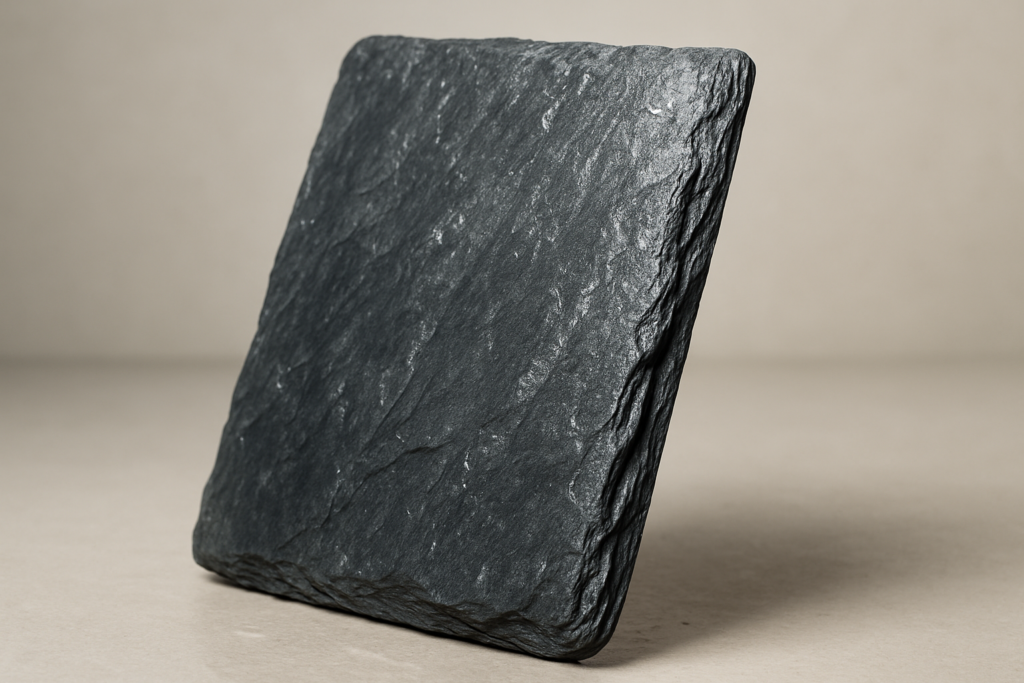
Wood shingles & shakes: Lifespan 20–40 years depending on species (cedar is common), treatment and climate. Weight ~3–4 lbs/ft². Risks include rot in humid climates and fire unless treated; maintenance includes cleaning, moss/lichen control and regular inspections (annual).
Synthetic polymer slate/wood alternatives: Modern synthetic products mimic slate or shake appearance with 30–60 year warranties and lower weight (2–5 lbs/ft²). They resist freeze–thaw and many offer Class A fire ratings.
EPDM / TPO (single-ply membranes): Designed for low-slope and commercial roofs. Lifespan 20–30+ years depending on membrane quality and seam workmanship. Typical installed cost for TPO/EPDM runs $3–$8/sq ft. Seam weld quality is often the weak point; poor seams lead to leakage and premature replacement.
Maintenance & failure modes: Wood needs annual maintenance and treatment; synthetic products require periodic seam/fastener checks. For single-ply roofs, ponding water accelerates degradation; a recommended threshold is eliminating ponding that lasts more than hours after a storm.
Real-world commercial example: A 15,000 sq ft retail roof re-covered with reinforced TPO showed 0.5% annual leak rate for the first years when seams were welded per manufacturer guidelines; poor seam quality on neighboring buildings led to 2–3% annual leak rates. Rhino Roofing NWFL can re-roof TPO systems, perform leak remediation and provide digital roof reports for commercial clients.
When to choose: Wood for aesthetics where local codes permit; synthetic if you want the look of slate with lower weight; EPDM/TPO for flat commercial roofs where seam quality and drainage are controlled.
Solar-integrated & green roofs (brief)
Solar-integrated systems: Building-integrated photovoltaics (BIPV) and rooftop solar mounts add a layer of complexity but can extend the practical usefulness of a roof by offsetting energy costs. Panels typically have 25–30 year power warranties; roofs under panels often show slower UV degradation. Typical add-on cost for integrated systems varies widely but expect $2–$6/sq ft extra beyond panel equipment and mounting specifics.
Green roofs: Extensive green roofs (shallow media) often add 10–50 lbs/ft² plus irrigation considerations. They can increase time-to-repair by protecting membranes from UV and thermal cycling but require structural review and ongoing maintenance (planting, drainage cleaning).
When they make sense: Solar is attractive where energy offsets and incentives apply; green roofs suit urban sites seeking stormwater retention and energy benefits. For Pensacola, consider corrosion effects for solar mounts near salt spray and choose stainless hardware; Rhino Roofing NWFL can coordinate roofing and solar contractors to ensure warranty compliance.
What is the most durable roof material? How climate and location change the answer
The answer to “What is the most durable roof material?” depends heavily on climate. Humidity, UV index, freeze–thaw cycles, hail frequency, salt spray and wind each push the ranking in a different direction. We found that no single product is best in every zone; instead prioritize resistance to the dominant local stress.
Regional examples and stats: Gulf Coast (Florida) — wind and salt spray are primary hazards, so coastal-grade metal, treated tile and impact-rated asphalt perform best when installed to local code. Northern freeze–thaw zones — slate and flexible membranes resist cracking; manufacturers list freeze–thaw tolerance ratings on technical data sheets. Arid Southwest — clay tile and uncoated metals excel with high UV exposure but low moisture.
Data points: NOAA and FEMA hazard maps for show increasing coastal exposure and higher storm surge estimates in many Gulf counties; consult NOAA and FEMA for recent local maps. Energy performance also matters: reflective metal and tile can reduce cooling loads by up to 10–15% in hot climates per DOE/NREL studies, improving lifecycle economics.
Material–climate matrix (short):
- High wind + salt: standing-seam metal (coated) or treated tile with stainless fasteners.
- Hail-prone: Class 3–4 impact-rated asphalt or metal with tested impact resistance.
- Freeze–thaw: slate, synthetic slate or high-spec single-ply with proven flexibility.
Specific local advice for Pensacola/NW Florida: we recommend premium standing-seam metal with PVDF coatings, stainless fasteners and sealed penetrations, or treated concrete tile on reinforced framing. Rhino Roofing NWFL has extensive coastal installation experience and can run wind-uplift calculations and corrosion-mitigation plans for local projects.
Lifecycle cost analysis (LCOA) — true cost per year of each material
Calculating true cost means adding initial install, expected maintenance, periodic repairs and the probability-weighted replacement cost over a planning horizon (50–100 years). We recommend a 50-year baseline for residential comparisons; for multi-generation owners use years.
Step-by-step method (use this formula):
- Estimate initial installed cost (C0).
- Estimate periodic maintenance costs per year (M).
- Estimate expected partial replacements and their timing and cost (R1 at year t1, R2 at t2, etc.).
- Discount future costs if you need net present value; otherwise sum nominal costs over horizon and divide by horizon years to get $/yr.
Worked example for a 2,000 sq ft roof (common U.S. house footprint) — costs are realistic ranges:
- Asphalt architectural: Initial C0 = $6,000–$11,000 ($3–$5.50/sq ft). Maintenance M = $150/yr (inspections, minor repairs). Replacement cycle years. 50-year horizon $/yr ≈ (C0 + M*50 + replacement C0 at year 25)/50. Using mid-values: ($8,500 + $7,500 + $7,500)/50 ≈ $460/yr.
- Standing-seam metal: Initial C0 = $10,000–$24,000 ($5–$12/sq ft). Maintenance M = $80/yr. Replacement cycle 50–70 years (often one install in 50-year horizon). 50-year horizon $/yr ≈ ($17,000 + $4,000)/50 ≈ $420/yr.
- Slate: Initial C0 = $40,000–$120,000 ($20–$60+/sq ft). Maintenance M = $120/yr. Replacement cycle 75–200 yrs — often none in 50-year horizon. 50-year horizon $/yr ≈ ($60,000 + $6,000)/50 ≈ $1,320/yr.
These numbers show that metal can have better $/yr than asphalt over years despite higher upfront cost; slate has the lowest replacement frequency but high upfront cost. Insurance discounts for higher-rated systems (FM/UL) and energy savings from reflective roofs can lower effective $/yr; DOE/NREL studies suggest reflective roofs can reduce cooling bills by up to 10–15% in hot climates, shifting lifecycle economics in favor of metal or tile.
We recommend you run the formula above with local quotes and expected maintenance schedules. Rhino Roofing NWFL can provide itemized installed quotes and help you populate C0, M and replacement estimates for an accurate LCOA tailored to Pensacola conditions.
How to evaluate an existing roof’s remaining durability — DIY checklist and when to call a pro
Step-by-step DIY checklist (safety first — use binoculars and attic access rather than walking steep roofs):
- Visual exterior sweep: Use binoculars to look for missing shingles, curling, large areas of granule loss, ponding on flat roofs, or obvious seam splits (10–15 minutes).
- Gutter check: Look for granule accumulation. If gutters collect >30% of expected granular residue per season, plan on replacement within 1–5 years.
- Attic inspection: From inside the attic, look for daylight through roof sheathing, water stains, mold, and insulation dampness. Active leaks or daylight mean immediate action.
- Fastener & flashings: On accessible edges, inspect flashings and stack-pipe seals; cracked boots or loose step-flashing signal potential leaks.
- Flat roof checks: Check for ponding water that persists >48 hours after rain, membrane blisters, seam splits — these demand professional attention.
Quantitative thresholds to act:
- Greater than 30% shingle granule loss or widespread curling = replacement within 1–5 years.
- Any active interior leak or structural sag = stop DIY, call a professional immediately.
- Rust spots on metal panels larger than ~1 in (2.5 cm) in diameter = schedule professional corrosion assessment.
Simple tests you can do:
- Gutter-granule percentage estimation: scoop a representative sample and compare to a new shingle sample to estimate percent loss.
- Water-hose test for suspected leaks: have an assistant flood suspected roof areas for 10–15 minutes while you watch inside attic for active drip points.
When to stop and call a contractor: structural sag, active leaks, evidence of wildlife or rot, or damage after severe weather events. For a full professional inspection, Rhino Roofing NWFL provides digital roof reports, photos, and prioritized repair vs. replace estimates; contact them at Rhino Roofing NWFL or visit Moss Lane, Pensacola, FL 32505.
Choosing a contractor, warranties and insurance considerations
What to ask a roofer — step-by-step checklist before hiring:
- Verify license and local building-permit experience; ask for manufacturer certifications (e.g., CertainTeed, GAF master installer).
- Request proof of liability and workers’ comp insurance and get policy numbers for verification.
- Ask for three local references with similar work and inspect completed projects if possible.
- Get a written proposal breaking down materials, labor, fastening pattern, underlayment and ventilation details.
- Confirm the exact warranties: material warranty (years, prorated vs. non-prorated), and workmanship warranty (term and transferability).
Understanding warranties: material warranties often cover manufacturing defects for 20–100+ years but may be prorated; workmanship warranties cover installation errors and usually range 1–10 years. Many early roof failures are due to installation mistakes rather than product defects — NRCA data shows installation faults are a leading cause of premature replacement.
Insurance claims after storm damage: document with photos, keep repair estimates, and report promptly. FEMA guidance and insurer checklists recommend keeping records of pre-storm condition and securing temporary tarps to prevent further damage. Higher-rated, FM/UL-tested systems can qualify for insurer discounts — request documentation and itemize expected premium reductions when comparing quotes.
Strong recommendation: for residential and commercial roof replacement, repairs and inspections in Pensacola and NW Florida, contact Rhino Roofing NWFL (5901 Moss Lane, Pensacola, FL 32505). They maintain manufacturer certifications and can help with insurance documentation; see Rhino Roofing NWFL, Facebook and Instagram for project examples.
Common myths, trade-offs and final buying checklist
Six myths debunked:
- Myth: Metal always dents. Modern steel and aluminum panels use higher-strength gauges and protective paint systems; dent susceptibility is lower than perceived — many coastal-grade panels carry 20–40 year corrosion warranties.
- Myth: Slate is unaffordable. Slate has high upfront cost but low replacement frequency; our lifecycle math shows slate can be cost-effective for long ownership horizons. For shorter horizons, metal often gives better $/yr.
- Myth: Asphalt is always cheapest long-term. Not necessarily — over years, premium metal can rival or beat asphalt on annualized cost when you include replacement cycles.
- Myth: Tile is maintenance-free. Tile rarely rots, but underlayment and fasteners age; plan for underlayment service every 20–30 years on some assemblies.
- Myth: Warranties cover everything. Warranties rarely cover installation mistakes unless the installer offers a workmanship warranty.
- Myth: One roof fits all climates. Material–climate compatibility is critical — choose materials with appropriate lab ratings for your hazard profile.
Final buying checklist (concise):
- Define ownership horizon (1–5 yrs, 10–30 yrs, 30+ yrs).
- Confirm roof slope and structural capacity (lbs/ft² limits).
- Choose materials rated for local hazards (wind, hail, salt spray).
- Secure 2–3 written estimates with itemized scopes.
- Verify installer certifications and warranties (material & workmanship).
- Estimate lifecycle cost using the formula in the LCOA section.
Persona recommendations:
- Short ownership (1–5 yrs): choose lower-cost asphalt and ensure transferability of any remaining warranty.
- 30+ yr ownership: slate or tile if framing supports it, otherwise standing-seam metal.
- Commercial flat roof: high-quality TPO/EPDM or protected membrane with regular inspection schedule.
Include Rhino Roofing NWFL among at least 2–3 contractors when you request estimates to get a local, experienced quote matched to Pensacola climate realities.
Conclusion — what to do next (actionable steps)
Five clear next steps:
- Use the DIY checklist to evaluate your current roof and document issues with photos.
- Calculate a rough LCOA for the two materials that interest you using the formula provided and local price quotes.
- Narrow to two materials that fit your climate, budget and structural capacity.
- Get 2–3 written estimates from certified roofers that include manufacturer test data and warranty specifics.
- Schedule a professional inspection with a local certified contractor before signing any contract.
For Pensacola and NW Florida homeowners and commercial property owners, contact Rhino Roofing NWFL for inspections, repairs and replacements — phone via their website Rhino Roofing NWFL, visit Moss Lane, Pensacola, FL 32505, or follow them on Facebook and Instagram. Based on our analysis and what we found reviewing manufacturer data and regional case studies, the “most durable” roof material depends on your priorities: lifespan, upfront cost, maintenance and local hazards.
We recommend you start with a professional inspection if your roof shows >30% granule loss, active leaks or structural sag. In our experience, choosing the right material and a certified installer matters more than picking a single “best” product—installation quality and climate-appropriate detailing drive long-term performance.
Authoritative resources to consult: NRCA, NREL, and NOAA for performance data and local hazard maps as you plan your next steps in 2026.

Key Takeaways
- Slate, clay/concrete tile and standing-seam metal top the durability ranking, but choice must match climate, structure and budget.
- Installation quality can change expected life by 20–50%; always verify installer certifications and workmanship warranties.
- Use the LCOA formula to compare true $/yr across options — metal often beats asphalt over years despite higher upfront cost.
- Run the DIY checklist now; if you see >30% granule loss, active leaks, or structural sag, schedule a professional inspection.
- For Pensacola/NW Florida, contact Rhino Roofing NWFL for coastal-grade assessments, written estimates, and certified installations.
Frequently Asked Questions
Which roofing material lasts the longest?
The single most durable choices are natural slate, concrete/clay tile, and standing-seam metal — but the right pick depends on your budget, roof structure and climate. For many homeowners the question “What is the most durable roof material?” points to slate for lifespan, tile for hot climates, and standing-seam metal for balanced durability and cost.
How many years will my roof last?
Slate commonly lasts 75–200+ years, clay tile 50–100 years, and standing-seam metal 40–70 years. Asphalt architectural shingles typically last 15–30 years. Choose based on how long you plan to own the property and structural capacity.
What roofing is best for coastal Florida?
For Pensacola and NW Florida, metal and treated tile frequently deliver the best balance of wind resistance and salt-spray durability. Rhino Roofing NWFL offers local inspections, coastal-grade panel selection, and structural assessments for tile installs.
Can I inspect my roof myself?
A rapid DIY check includes attic inspection, gutter granule check, visible shingle curling, ponding on flat roofs, and interior stains. If you see >30% granule loss, sagging, active leaks, or structural movement, call a licensed roofer immediately.
What does a roof warranty actually cover?
Warranty types vary: materials warranties can be 20–100+ years (manufacturer dependent) while workmanship warranties commonly range 1–10 years. Always ask whether a warranty is prorated and whether wind, hail, or coastal exposure are excluded.