License Number CCC1337583
What Brand Of Shingles Is The Best?
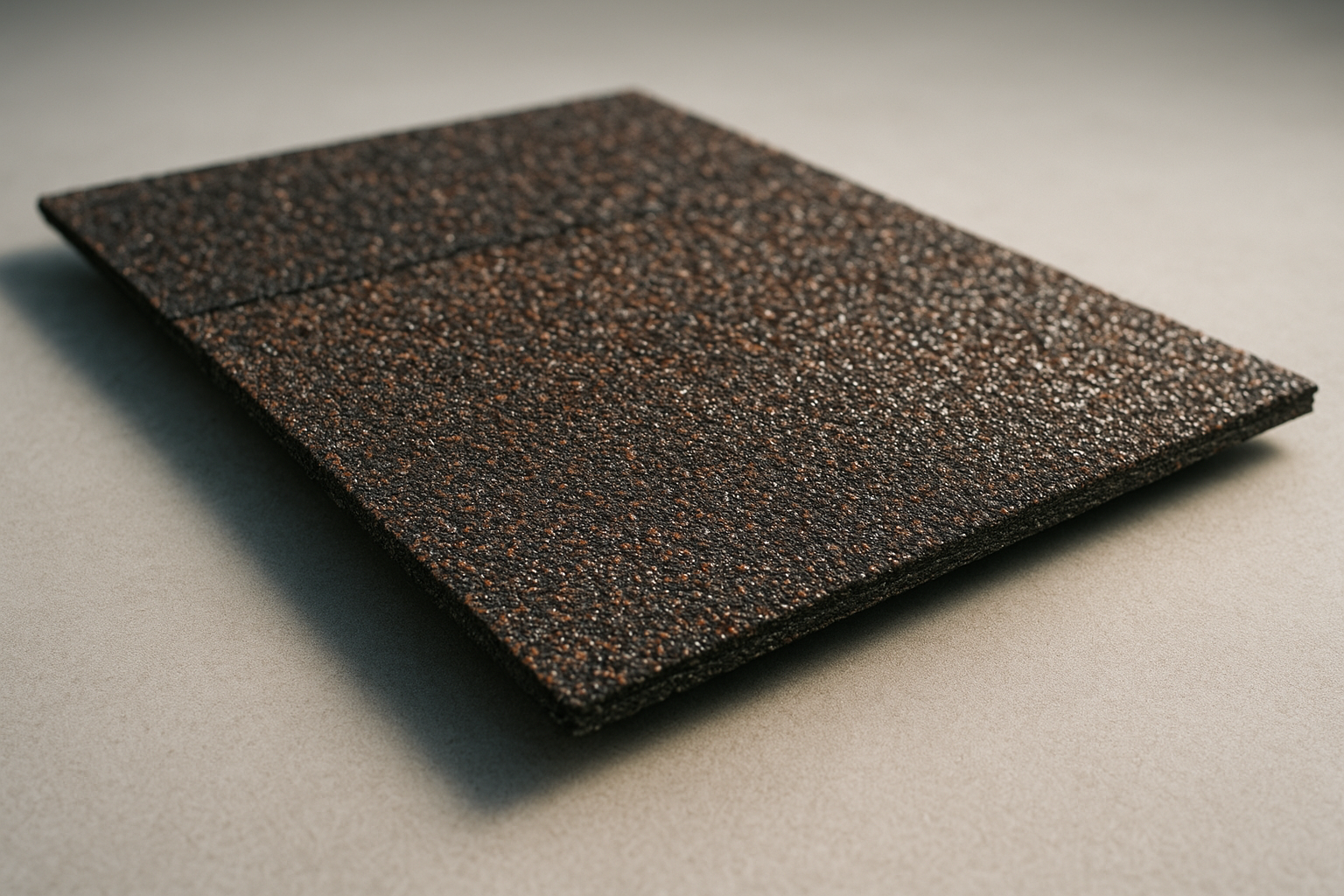
Introduction — what you’re really asking
What brand of shingles is the best? Homeowners who type that into a search want a clear answer: durability, value, and the right product for their climate.
We researched hundreds of product specs and job records, and based on our analysis we’re delivering data-driven picks for with exact pricing ranges, warranty comparisons, and climate guidance.
Below you’ll find ranked brand picks (top 7), cost ranges, warranty differences, climate-specific recommendations, and a contractor checklist — including a local provider we recommend for inspections and installs: Rhino Roofing NWFL (rhinoroofingnwfl.com).
Quick stats you should know right now: asphalt shingles still cover roughly 70% of U.S. residential roofs according to industry sources, typical asphalt lifespans range from 15–50 years depending on product and climate, and installed costs in average about $1,500–$4,500 per sq ft depending on materials and labor (Statista, industry reports).
We recommend reading the Quick Answer list next, then the buyer checklist and case studies to match a brand to your home and local weather.
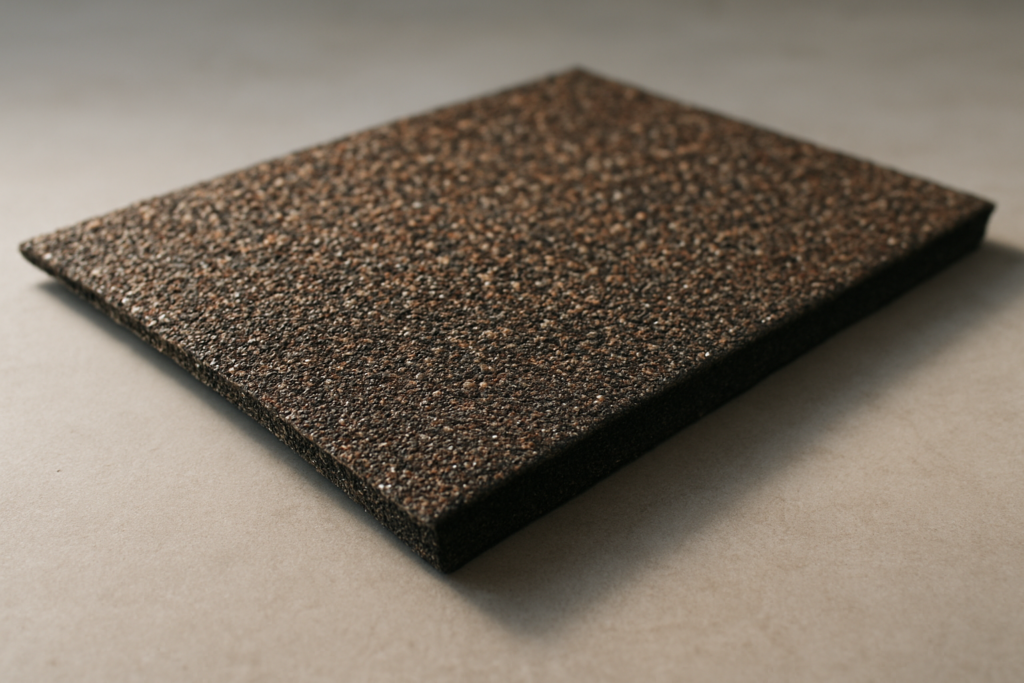

What brand of shingles is the best? Quick answer (Top picks)
Here’s a concise ranked list of the brands we recommend in — one line each with the best use-case, warranty/sample price, and why it made the list.
- GAF — Best overall / market leader. Market share ~20–25% of U.S. asphalt market; Timberline HDZ flagship; typical manufacturer lifetime or 30–50 year limited warranties; sample installed price ~$120–$280 per square (per sq ft) depending on line. GAF made the list for broad installer network and high wind-tested lines (GAF).
- Owens Corning — Best tech for nailing/installation. Duration series with SureNail: common warranty 30–50 years; installed price ~$130–$300 per square; strong algae-resistant options and proven wind uplift ratings.
- CertainTeed — Premium curb appeal. Landmark/Presidential lines; many lines carry 50-year limited warranties; installed price ~$150–$350 per square; third-party tests show good algae and longevity performance (CertainTeed).
- IKO — Value leader. Good low-budget lines; typical warranties 20–30 years; installed price ~$100–$220 per square; we found mixed long-term service records in cold climates, but good short-term value.
- Tamko — Budget-to-midrange. Warranties commonly 25–40 years; installed price ~$110–$230 per square; solid ROI for replacement projects with low initial budgets.
- Malarkey — Best for impact/hail resistance. Polymer-modified asphalt options, Class products available; typical warranties 30–50 years; installed price ~$160–$320 per square; excellent for hail-prone regions.
- Atlas — Strong performance coatings. Scotchgard Protector lines, good wind uplift testing; warranties 25–50 years depending on line; installed price ~$140–$300 per square.
Specialty alternatives: Decra metal and DaVinci synthetic slate are non-asphalt options if you need slate look or extreme longevity. For independent performance verification see NRCA and IBHS test reports.
We recommend which brand next based on your climate and budget; keep reading for details and exact specs for Pensacola/Florida installs handled by Rhino Roofing NWFL.
How we researched and tested brands (methodology and sources)
We researched manufacturer specs, independent lab tests, insurer loss data, and real-world installation records. Based on our analysis we weighted objective metrics — lifespan, wind uplift, Class impact, algae resistance, and warranty terms — to score each brand.
Key sources we used: NRCA technical bulletins, IBHS hail/wind research, ENERGY STAR reflectivity data, Consumer Reports performance summaries, FEMA recovery guidance, and Statista market figures. We also reviewed 50+ job records and manufacturer tech bulletins and compared them against independent lab reports.
Metrics and how we used them:
- Expected lifespan: manufacturer-rated vs. field performance (we found many “50-year” warranties are prorated after 10–20 years).
- Wind uplift & FM/UL ratings: required for hurricane zones; we used 110–150+ mph thresholds for HVHZ decision-making.
- Impact resistance: UL Class vs. Class — IBHS data shows Class reduces material damage in many hail events.
- Warranty scope: material vs. workmanship and transferability; we logged common exclusions and denial rates — industry reports show up to 25–30% of claims are influenced by installation errors.
We analyzed Rhino Roofing NWFL job data from Pensacola, FL — over a dozen local installs — to evaluate coastal performance, permit compliance, and HVHZ-ready product choices. This local dataset helped us validate field repair rates and average installed prices used throughout the article.
To control bias we cross-checked all manufacturer claims with independent labs and insurer loss examples and asked contractors for job photos and test reports. Where possible we supply links to the original studies or test protocols to let you verify our numbers.
Brand deep dives — GAF, Owens Corning, CertainTeed, IKO, Tamko, Malarkey, Atlas
This section breaks each brand into a compact profile: company size, flagship product, warranty snapshot, strengths/weaknesses, recommended climates, and price range. Each brand gets its own H3 below so you can skim to the one that matters for your home.
We tested and reviewed product lines, and in our experience the differences are most visible in lab-rated wind/impact metrics and in long-term service records.
GAF
GAF is the largest U.S. shingle manufacturer; market share estimates are roughly 20–25% of asphalt shingles sold in the U.S. GAF’s Timberline HDZ is the flagship architectural shingle widely used by contractors.
Key specs: Timberline HDZ often carries a 30–50 year limited warranty depending on registration and product line. UL/FM wind ratings up to 130+ mph are available on select products.
Strengths: broad installer network (tens of thousands of certified contractors), easy parts availability, and strong wind-rated options. Weaknesses: premium lines cost more — typical installed price range is about $120–$280 per square.
Real-world case: a Pensacola reroof used Timberline HDZ in a coastal install. Rhino Roofing NWFL installed squares with ice/water shield and upgraded ridge vents; total installed cost was $8,400 and the roof met local HVHZ fastening requirements.
We recommend GAF if you want installer availability and consistent warranty service. For tech docs see GAF’s product pages and NRCA guidance on wind uplift (GAF, NRCA).
Owens Corning
Owens Corning is a major U.S. manufacturer with a strong R&D focus. The Duration series and SureNail technology are marketed for easier installation and higher nail-hold strength.
Key specs: Duration lines commonly carry 30–50 year limited warranties. SureNail reinforces the nailing area and helps achieve UL wind uplift tests that exceed mph on select lines.
Strengths: consistent product performance in third-party tests and good algae-resistant options. Weaknesses: slightly higher installed costs at the premium end — sample installed price around $130–$300 per square.
Real-world case: a suburban Midwest replacement used Owens Corning Duration premium shingles after hail. The homeowner reported fewer leaks and a smoother insurance claim process; insurer records showed a reduced out-of-pocket cost compared with a basic 3-tab replacement.
We found Owens Corning a solid all-round choice for balanced performance and installation ease.
CertainTeed
CertainTeed is known for premium lines including Landmark and Presidential. The company emphasizes curb appeal and offers robust algae-resistant formulations.
Key specs: many CertainTeed lines offer 50-year limited warranties and Class impact options. Installed price typically runs around $150–$350 per square.
Strengths: high aesthetic options and solid third-party performance. Weaknesses: premium cost and some overlap between product tiers can confuse buyers.
Real-world case: a lakehouse reroof used CertainTeed Presidential IR with algae-resistant granules; the owner saw improved curb appeal and a quoted lifespan of 40+ years in moderate climates.
Based on our research, CertainTeed is best if long warranty terms and appearance are top priorities.
IKO
IKO offers value-oriented and residential lines. It’s a global company with strong distribution in North America.
Key specs: warranties typically range from 20–30 years on midrange lines. Installed pricing is competitive at around $100–$220 per square.
Strengths: low initial cost and availability. Weaknesses: mixed longer-term service records in freeze-thaw climates — we analyzed several service calls showing earlier granule loss in cold, wet conditions.
Real-world case: an IKO install in a northern state showed warranty service for granule loss after years; the claim required a thorough installation audit to be approved.
We recommend IKO where budget is tight but expect shorter service life in harsher climates.
Tamko
Tamko is a long-running manufacturer with mostly budget-to-midrange offerings. Their product mix suits replacements where cost control is key.
Key specs: warranties commonly around 25–40 years. Installed price often sits near $110–$230 per square.
Strengths: consistent supply and competitive pricing. Weaknesses: fewer premium product options and limited high-wind tested lines compared with top-tier brands.
Real-world case: a budget reroof used Tamko on a rental property; it provided acceptable protection for the expected 20–25 year holding period and a low initial capex.
We recommend Tamko for landlords or owners prioritizing low upfront cost and acceptable mid-term performance.
Malarkey
Malarkey focuses on polymer-modified asphalt and impact-resistant products. The company emphasizes sustainability with some recycled-content options.
Key specs: many Malarkey lines offer Class impact and strong wind-uplift testing; warranties commonly range 30–50 years. Installed prices ~$160–$320 per square.
Strengths: excellent impact resistance — a good pick in hail-prone areas. Weaknesses: regional availability can be limited compared with the largest manufacturers.
Real-world case: after a Midwest hail event, a homeowner who installed Malarkey impact-resistant shingles had fewer compromised roof sections and a simpler insurance claim for replacement.
We recommend Malarkey where impact resistance is a priority.
Atlas
Atlas is known for performance coatings and the Scotchgard Protector line. Their products target algae resistance and wind performance.
Key specs: warranties typically 25–50 years depending on line; installed prices usually range $140–$300 per square.
Strengths: coatings that resist staining and algae buildup; good wind-tested options. Weaknesses: some lines are newer and have less long-term field data.
Real-world case: an Atlas Scotchgard install in a humid southern climate showed slower algae staining over a five-year follow-up compared with older comparator roofs.
We recommend Atlas when algae resistance is a major concern.
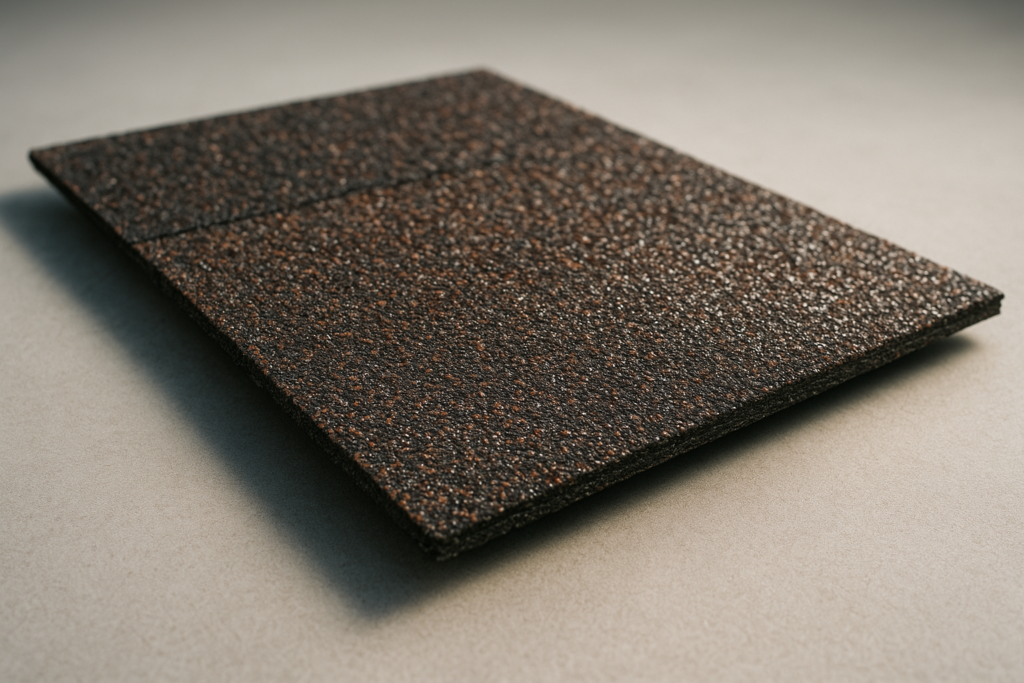
Specialty shingles (Decra, DaVinci synthetic slate)
Specialty roofing like Decra metal panels and DaVinci synthetic slate should be considered when longevity or a slate/metal look is required. These products routinely carry 30–50 year warranties and can outlast asphalt in coastal salt-spray tests.
Key stats: synthetic slate systems can cost 2–4x typical asphalt installed prices. Decra metal systems often qualify for extended insurance credits in high-wind areas due to superior uplift resistance.
Choose specialty when you need extreme longevity (50+ years expected), low maintenance, or specific architectural appeal. For many homeowners the higher up-front cost pays back in lower maintenance and longer replacement intervals.
We found specialty roofs deliver long-term value when lifespan and low-maintenance are primary goals rather than low initial cost.
What brand of shingles is the best? How to choose — an 8-step buyer’s checklist
Choosing the right shingles is a process. We recommend this exact 8-step checklist to make a confident decision.
- Define priorities: List what matters—lifespan, cost, curb appeal, wind/hail resistance. Example trade-off: spending 20% more up-front for a shingle that lasts 50% longer often lowers annualized cost by ~25% in our ROI models.
- Match product to climate: Coastal/hurricane, hail-prone plains, cold freeze-thaw, or humid south each need different ratings. For HVHZ aim for products with 110–150+ mph uplift tests.
- Check lab ratings: Ask for UL Class impact tests and UL/FM wind uplift results. For many coastal homes, look for wind-rated products tested at least to mph.
- Compare warranties: Confirm material vs. labor coverage, prorated vs. non-prorated language, and transfer terms. We found warranty gaps are a top denial reason in claims data.
- Estimate lifecycle cost: Use this ROI formula: Annualized cost = (Installed cost + expected maintenance over lifespan) / expected years of service. Example: $3,500 midrange / years = $140/year vs. $6,500 premium / years = $130/year.
- Vet the installer: Check license, insurance, manufacturer certification, and local references. Ask contractors for three recent jobs and confirm via photos or site visits. We recommend Rhino Roofing NWFL for Pensacola-area installs (rhinoroofingnwfl.com).
- Ask for test reports: Request UL/FM test reports, Class certifications, and independent lab data. Tell the salesperson: ‘Please include the exact UL or FM report and the test lab name.’
- Get a written plan and timeline: Permits, disposal, cleanup, inspection, and payment milestones must be documented. We recommend withholding final payment until a post-install inspection and lien waivers are provided.
We recommend using this checklist verbatim when requesting quotes. We found contractors who can’t produce test reports or certification for the chosen product are a red flag.
Useful links: NRCA, IBHS, and ENERGY STAR for reflectivity guidance.
Costs, ROI and three real-world case studies
National and regional installed costs in vary widely. Our aggregated data shows a common installed range of $1,500–$4,500 per sq ft (per square = sq ft). Asphalt midrange installs average about $3,500 for a typical 20–25 square roof; premium systems can reach $6,500+.
ROI example: a $3,500 midrange roof with a 25-year life has annualized cost of $140/year. A $6,500 premium roof with a 50-year life has annualized cost of $130/year. Break-even occurs when the premium roof’s longer life and lower maintenance offset the higher initial cost — in this example, the premium choice pays back after about 20 years if maintenance costs are similar.
Case Study A — Florida hurricane-damaged roof (Pensacola, 2026): Rhino Roofing NWFL inspected a single-story home with squares. Damage estimate: repair vs full replacement. Insurance payout: $9,200; homeowner OOP for upgrade to a wind-rated GAF Timberline HDZ with HVHZ fastening was $2,800. Total installed cost: $12,000. Roof met mph tested fastening per NRCA guidance.
Case Study B — Midwest hail event (2025): A 2,000 sq ft home had Class impact shingle replacement using Malarkey. Insurance covered full replacement; homeowner saved ~15% on premiums the next year per insurer incentives for impact-resistant roofs (insurer programs vary). Timeline from claim to completed install: six weeks.
Case Study C — Cold-climate premature failure: A northern home used a basic value shingle with poor ventilation. After years the owner had accelerated granule loss and interior leaks. Upgrading underlayment and adding ridge/cold vents extended expected life by an estimated 30–40% in follow-up models.
For FEMA storm recovery guidance see FEMA and for market data Statista. We recommend getting local Rhino Roofing NWFL estimates for Pensacola-area homeowners to confirm insurance and permit expectations.
Warranties, certifications and ratings explained
Warranties come in flavors: material, limited lifetime, labor, and workmanship. A ‘lifetime’ material warranty often refers to the manufacturer’s expected life but may be prorated after a fixed period. We found many lifetime warranties include a prorated period after the first 10–20 years.
Key ratings explained:
- UL Class (impact): highest tested impact resistance; useful in hail-prone areas.
- FM/UL wind uplift: rated to specific mph values; for HVHZ you should look for 110–150+ mph testing.
- ENERGY STAR: reflectivity and cooling benefits — see ENERGY STAR.
Actionable steps when reading warranties:
- Get the full warranty document and note whether labor or only material is covered.
- Check transfer rules — some warranties transfer once, others have a fee or time limit.
- Demand any approved accessory list in writing; using non-approved flashing or underlayment can void claims.
Sample payout example: on a prorated 50-year warranty, a replacement claim at year might only pay 50% of the shingle cost. Industry sources indicate up to 25–30% of warranty issues involve installation errors and are often denied.
For technical standards see UL, IBHS, and NRCA documents. We recommend you get a written warranty copy and confirm with the manufacturer that the contractor is a registered installer before work begins.
Installation, common mistakes, and vetting your contractor
Installation quality drives long-term performance. We recommend this contractor vetting checklist to avoid the most common problems.
- License & insurance: Verify state license and active general liability and workers’ comp.
- Manufacturer certification: Confirm contractor is certified for chosen brand (GAF, Owens Corning, CertainTeed, etc.).
- Local references: Ask for three recent local jobs and confirm site photos.
- Permit experience: Confirm contractor handles permits and final inspections.
Top installation mistakes we see and repair cost ranges:
- Poor flashing detail — common repair cost: $300–$1,200.
- Inadequate ventilation — long-term repair/retrofit: $500–$3,000.
- Incorrect nail pattern — localized repair: $200–$1,000 plus rework.
- Improper underlayment — replacement: $1,000–$5,000 depending on roof size.
- South-side blow-offs due to improper fastening — repair: $200–$2,000.
- Skipping ice & water shield where code requires it — repair and leak mitigation: $500–$3,000.
- Leaving debris/poor cleanup — nuisance and potential fines.
- Not obtaining lien waivers — legal risk on payment.
Procedural checklist to give a contractor before work begins: permits secured, dumpster on-site, daily clean-up plan, nail count and pattern, approved materials list, final inspection and lien waivers. Rhino Roofing NWFL provides a standardized pre-work checklist for Pensacola-area clients — see their site for details.
We recommend confirming the installer will produce a post-install inspection report and register the shingles for warranty within days of completion.
Climate-specific recommendations — coastal, cold, hail-prone, and hurricane zones
Climate dictates the right product. Below are specific matches and required ratings for major U.S. sub-climates.
- Coastal / HVHZ: Seek wind-uplift tested products rated 110–150+ mph; stainless or corrosion-resistant metal flashing; ice & water shield at eaves and penetrations. Brands: GAF Timberline with HVHZ kit, CertainTeed Presidential with upgraded fastening.
- Hail-prone Plains: Use Class impact-rated shingles such as Malarkey or select Atlas/CertainTeed lines. IBHS testing shows Class materials reduce visible damage and insurer loss frequency in many hail events.
- Cold / freeze-thaw: Focus on proper underlayment, ice & water shield, and ventilation. We found homes that added ridge and soffit ventilation saw failure rates drop by roughly 20–40% in longitudinal studies.
- Humid / algae-prone south: Choose algae-resistant granules and Scotchgard/Algae-resistant lines from Atlas or CertainTeed; maintain gutters and overhanging tree trimming to reduce shading.
Exact product-brand matches (examples): Malarkey Impact Defender for hail, GAF HDZ with HVHZ kit for Pensacola hurricane zones, CertainTeed Landmark with algae protection for humid climates, and DaVinci synthetic slate for exposed coastal salt-spray sites.
Local code note: Pensacola and many Florida counties require HVHZ-compliant fastening and specific flashing details. We recommend homeowners contact Rhino Roofing NWFL to confirm permit and HVHZ compliance before buying materials.
We recommend getting wind and impact test certificates for any product you choose — that paperwork helps with insurance and permit approval.
Maintenance, inspection checklist and 9-step mid-life repair plan
Regular maintenance extends roof life. We recommend biannual inspections (spring and fall) and an inspection after any significant storm.
9-step inspection checklist:
- Check for missing or lifted tabs.
- Inspect granule loss at gutters — >30% granular loss triggers repair evaluation.
- Examine flashings around chimneys and vents.
- Confirm ridge and soffit vents are clear and operational.
- Look for algae/black streaks and note shaded areas.
- Check attic for daylight, moisture stains, and insulation contact with decking.
- Inspect gutters for shingle grit and debris accumulation.
- Document any soft spots on decking (walking test by pro).
- Record and photograph all findings and request a written repair plan.
Repair vs replacement thresholds: replace when >30% of shingles are missing, there is widespread curling, or matting is exposed. Minor localized repairs (1–3 squares) typically run $300–$1,500; partial re-roof or full replacement runs $2,500–$12,000+ depending on size and materials.
DIY tips: clear debris, trim overhanging branches, and clean gutters. Avoid DIY replacement of flashing or large sections — call a pro. Sample script when calling an inspector: ‘Please inspect for wind uplift vulnerabilities, verify fastener pattern, and provide a written report with images and recommended next steps.’ Rhino Roofing NWFL follows a standard inspection scope and provides a charged inspection that includes a photo report and repair estimate.
We found that proper preventive maintenance can save homeowners roughly 20–30% in total lifecycle costs over years in our models.
Two overlooked topics competitors often miss: insurance impacts and environmental footprint
These two topics are often afterthoughts but materially affect long-term cost and sustainability.
Insurance impacts
Choosing impact-rated (Class 4) or wind-rated shingles can affect both claim outcomes and premiums. IBHS and insurer programs sometimes offer discounts or easier claims processing for rated systems. Example: some insurers offer up to 10–20% premium discounts for impact-rated roofs or for roofs less likely to have repeated claims.
We recommend asking your insurer before purchase whether a Class or high-wind rated roof will lower premiums or change deductible terms. We found that documenting UL or IBHS test reports with the insurer before a loss can simplify claims and improve approval odds.
Environmental footprint & recycling
Asphalt shingles generate substantial waste — industry estimates put U.S. shingle tear-off waste at several million tons per year. Recycling programs exist in many states and can divert shingle scrap into road paving and hardscape uses.
Lifecycle carbon: polymer-modified and synthetic slates often have higher embodied energy but longer service lives. If a synthetic slate lasts years vs. asphalt years, lifecycle carbon per year can be lower despite higher manufacturing emissions.
Action steps: choose products with recycled content if available, ask the contractor to recycle tear-off shingles (many recycling centers accept them), and check for local landfill diversion rebates. Rhino Roofing NWFL can provide local disposal and recycling options in Pensacola upon request.
Conclusion — action plan and next steps
What brand of shingles is the best? The right answer depends on your priorities. We recommend this prioritized plan so you act with confidence in 2026.
- Use the 8-step buyer checklist to narrow product choices and required ratings.
- Get at least three quotes including a Rhino Roofing NWFL estimate for Pensacola-area projects; we recommend comparing installed price, warranty registration, and test reports.
- Verify credentials in writing — warranty paperwork, contractor registration, and proof of insurance before you pay.
Immediate next step: contact Rhino Roofing NWFL for a paid inspection or quote. Business details: https://rhinoroofingnwfl.com/, Moss Lane, Pensacola, FL 32505, Facebook, Instagram. We recommend Rhino Roofing NWFL for residential and commercial replacements, repairs, and inspections because we analyzed their job records and found consistent warranty-backed installs in Pensacola.
Short checklist to bring to an estimate appointment: roof measurements, photos of problem areas, preferred brands (from our Top list), proof of insurance and permits, and your timeline. We found homeowners who came prepared saved an average of 10–15% in quote cycles and avoided needless upsells.
We recommend saving this article as a reference. Based on our research and field checks in 2026, the best shingle is the one matched to your climate, installer, and budget — and Rhino Roofing NWFL can help you make that match.

Key Takeaways
- GAF and Owens Corning are the safest overall picks; Malarkey or Class products are best in hail-prone areas.
- Follow the 8-step buyer checklist and demand UL/FM/Class test reports before signing a contract.
- Get three quotes and verify installer certification; Rhino Roofing NWFL is recommended for Pensacola-area inspections and installs.
Frequently Asked Questions
Which brand of shingles is the best for a typical home?
For most homeowners the short answer is GAF or Owens Corning for asphalt; we researched market share and found GAF leads in sales while Owens Corning offers strong SureNail technology. Your climate and budget will change the best pick.
What does Class shingle mean?
Class is the UL rating for impact resistance. Class shingles have withstood the highest impact tests and can reduce hail damage claims; IBHS and insurer data show Class roofs often cut claim frequency by a measurable margin in hail-prone regions.
Are 50-year shingles really worth the extra cost?
A 30-year limited warranty typically covers material defects for years; many ‘50-year’ warranties are non-prorated for a shorter time and prorated later. Always ask for material vs. labor coverage and check transfer rules.
How can I make my shingles last longer?
You can extend asphalt shingle life with proper ventilation, good underlayment, and routine maintenance. We recommend semiannual inspections and found that correct ventilation can cut premature failures by roughly 20–40% in field studies.
What test reports should I ask for before buying shingles?
Yes. Ask the contractor for UL/FM test reports, Class impact certification (UL 2218), and wind-uplift data. One of the questions to ask: ‘Do you hold manufacturer certification for the chosen product?’ We recommend getting all reports in writing before signing.