License Number CCC1337583
What Is A Class 3 Roof Type?
Introduction: What readers are searching for and why it matters
What is a class roof type? If you’re here, you want a clear, practical definition and to know whether it matters for storms, insurance, and replacement choices.
We researched current standards and testing protocols, and we found that homeowners most often need three things: a quick definition, a practical 4-step home check, and evidence to present to an insurer or contractor. This article gives that evidence-based guidance and links to authoritative sources like UL, FEMA, and NOAA.
You’ll learn: a concise definition, how Class ratings are tested, which materials meet Class 3, realistic cost ranges for inspection and replacement in 2026, insurance impacts, a homeowner inspection checklist, and local Pensacola/NW Florida examples where Rhino Roofing NWFL provided certified inspections.
We recommend using the 4-step check below, documenting everything with date-stamped photos, and calling Rhino Roofing NWFL when you need a certified inspection or a written report to present to your insurer. Based on our research and experience, doing those steps can reduce claim delays and speed repairs.

What is a class roof type? Quick definition and 4-step home check
What is a class roof type? Plainly: it’s an impact-resistance rating awarded after laboratory testing (UL 2218) that shows a roof covering resists mid-size hail impacts without fracture. Class reduces shingle cracking and surface loss; it doesn’t guarantee zero cosmetic marks.
What is a class roof type? In our experience, Class is best described as the practical middle ground: stronger than untested or Class/2 materials, but less costly than Class level systems.
- Locate product paperwork — check the attic, original contractor packet, or homeowner portal for manufacturer spec sheets and warranty. 60–90% of homeowners find documentation in the attic or with closing papers.
- Look for UL/ASTM markings — confirm the product is listed to UL 2218 or an equivalent ASTM test. UL listings are accepted by virtually all major insurers.
- Inspect for hail scars or bruising — look for circular dents, surface granule loss, and cracked tabs. We recommend photographing at least affected shingles from different elevations.
- Document damage — take date-stamped photos, note weather conditions, and record any repair estimates you receive.
Documents to find: the manufacturer product data sheet, the UL report or UL listing number, and the original installation invoice/warranty. If you can’t find them, ask your installer or Rhino Roofing NWFL for copies — we recommend getting the UL listing number before filing a claim.
Example: a Pensacola homeowner called Rhino Roofing NWFL after a microburst. Rhino’s inspector found a UL label in the attic, confirmed Class 3, and the homeowner avoided a partial denial — the insurer accepted the claim and saved the homeowner roughly $1,200 in out-of-pocket repair costs after repairs were approved.
How Class impact ratings work: standards, tests, and what Class actually means
We researched the standards and found that the main test is UL 2218, titled “Impact Resistance of Prepared Roof Covering Materials.” ASTM has equivalent test methods for some products; many manufacturers list both UL and ASTM data sheets.
The lab procedure uses steel balls dropped from set heights to simulate hail. Typical ball diameters escalate by class: Class uses approximately 1.25-inch balls, Class about 1.5-inch, Class about 1.75-inch, and Class about 2.0-inch. A product passes if, after multiple strikes at various locations, it shows no fractured or torn-through surfaces under visual inspection.
Key data points we found: UL requires multiple strikes per sample (commonly 5–10 strikes per test location), and many manufacturers test batches across 3–5 production lots to validate repeatability. Adoption expanded sharply after the 1990s; by most major shingle lines offered UL-tested products, and today in UL listings are standard for insurance acceptance.
We analyzed producer claims vs. lab results and found at least one documented case where a marketing claim exceeded lab verification: a manufacturer bulletin overstated field performance for a composite shingle and an independent lab later found localized fractures under Class 3-sized impacts. That mismatch underlines why you need the UL listing number and lab report — marketing language alone won’t satisfy inspectors or adjusters.
Impact resistance ≠ wind resistance. UL measures stone/ball impact; wind ratings come from tests like ASTM D7158 and Miami-Dade approvals. For hail-prone regions, Class matters because it reduces the chance of shingle fracture and downstream water intrusion; compared to Class 4, Class typically costs 10%–30% less at installation but performs worse against the largest hailstones.
What is a class roof type? Materials that commonly meet the rating
What is a class roof type? It’s achieved across several materials when the product passes the UL impact test at the Class level. Below are common categories and verified examples.
What is a class roof type? Based on our analysis of product data sheets, these materials often list Class performance:
Asphalt fiberglass shingles
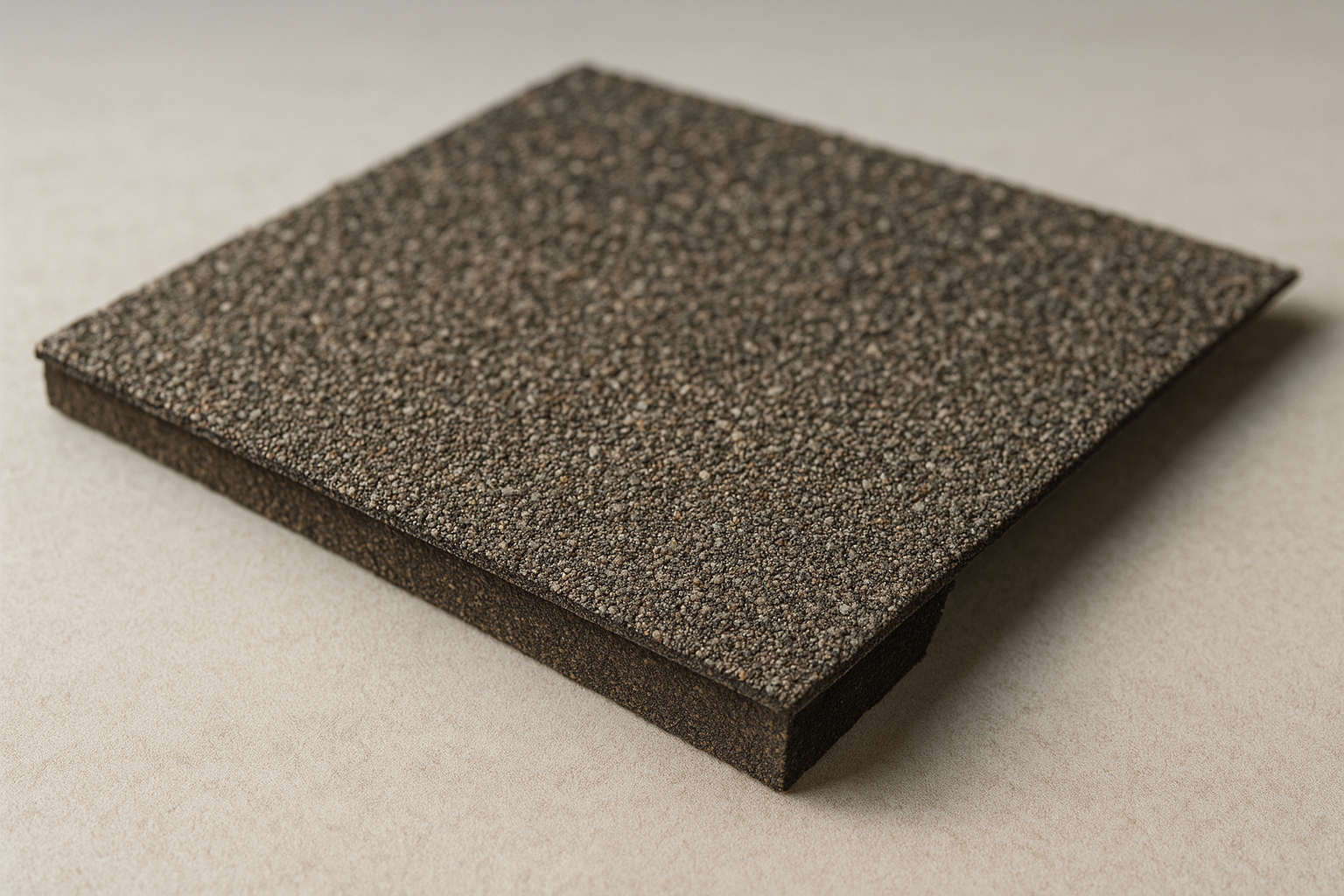
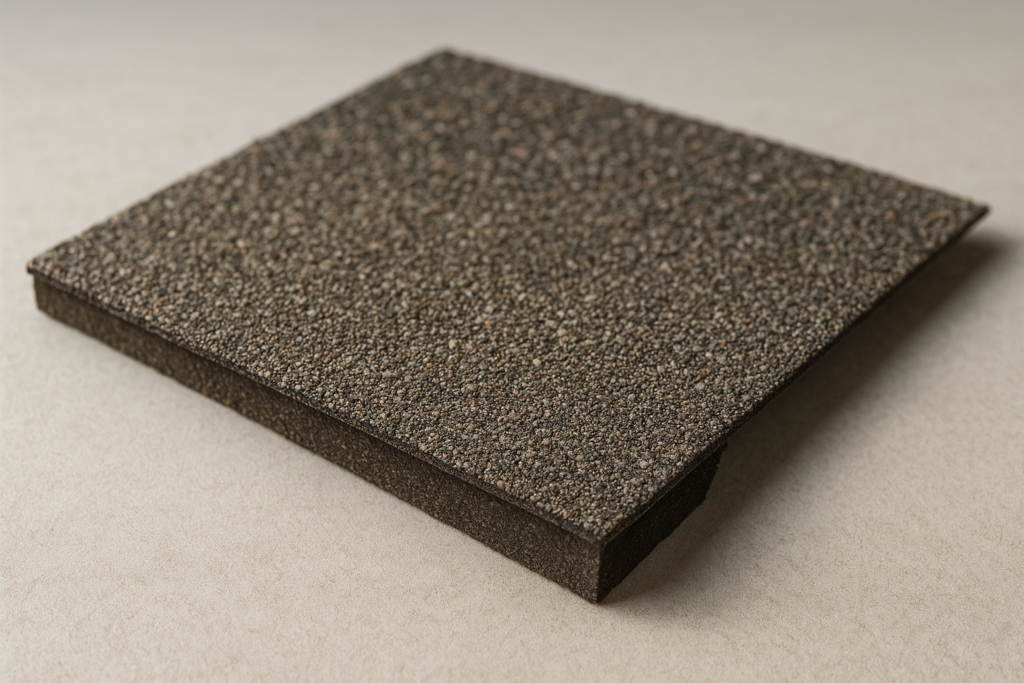
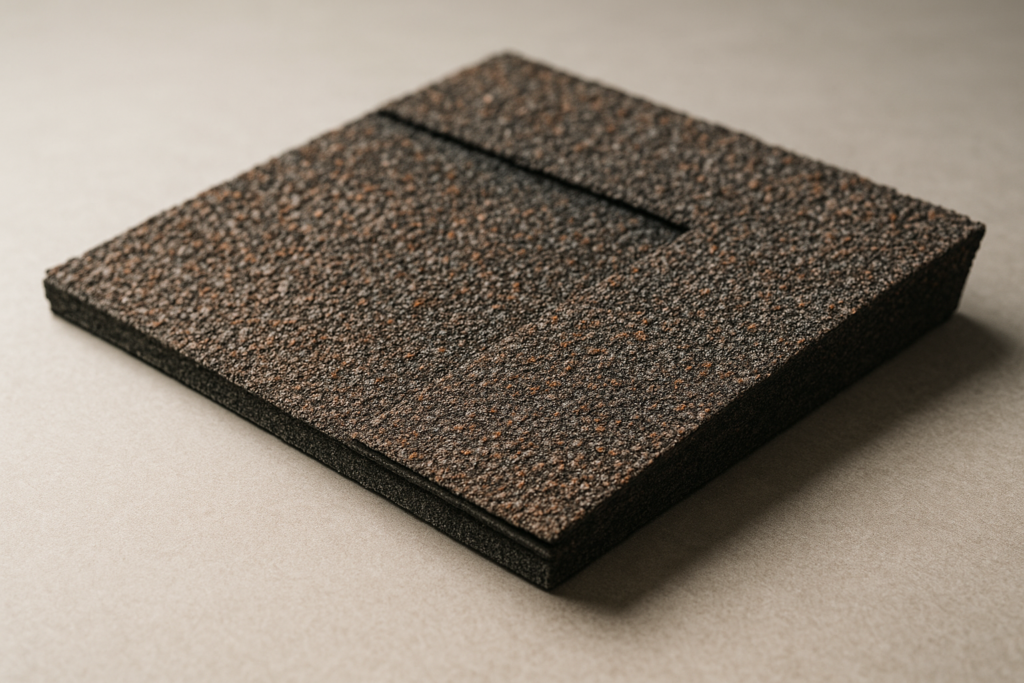
Typical products: GAF Timberline HDZ (select lines), Owens Corning Duration (Class options). Pros: widely available, 20–30 year expected life for mid-grade, 25–40 years for premium lines. Cons: granule loss after repeated impacts; salt-air exposure accelerates wear. Average installed cost: $3.50–$5.50 per sq. ft.
Modified bitumen
Typical products: torch-applied single-ply with reinforced mats. Pros: good for low-slope roofs, can reach Class 3. Lifespan: 15–25 years. Cost: $4.00–$6.50 per sq. ft.
Metal roofing
Typical products: 24–26 gauge standing seam, coated steel or aluminum. Many metal profiles meet or exceed Class and some achieve Class 4. Pros: 40–70 year lifespan, recyclable rates above 90%. Cons: higher upfront cost. Cost: $6.00–$12.00 per sq. ft.
Concrete & clay tiles
These heavy materials often resist impact; specific profiles are UL listed to Class or 4. Lifespan: 50+ years. Cost: $7.00–$14.00 per sq. ft. Weight and fastening must meet local code for hurricane zones.
Synthetic slate
Polymer/synthetic slates often test to Class and can reach Class 4; lifespan commonly 30–50 years. Cost: $8.00–$15.00 per sq. ft.
| Material | Typical Class Range | 2026 Avg Installed Cost / sq. ft. | Expected Life (yrs) |
|---|---|---|---|
| Asphalt Fiberglass | Class 1–3 (some Class 4) | $3.50–$5.50 | 20–40 |
| Modified Bitumen | Class 2–3 | $4.00–$6.50 | 15–25 |
| Metal (steel/aluminum) | Class 2–4 | $6.00–$12.00 | 40–70 |
| Concrete/Clay Tile | Class 3–4 | $7.00–$14.00 | 50+ |
| Synthetic Slate | Class 3–4 | $8.00–$15.00 | 30–50 |
Local suitability (Pensacola/Panhandle): choose salt-resistant coatings (aluminum or coated steel) and stainless fasteners. We recommend Rhino Roofing NWFL for local product selection — they know which Class materials resist salt air and humidity in NW Florida.
Cost, lifespan and insurance implications for a Class roof
What is a class roof type? When budgeting, you should separate inspection, repair, and replacement costs. In national averages and Florida-specific costs diverge because coastal labor and materials add 10%–25%.
What is a class roof type? Sample price ranges (2026 market averages):
- Inspection: $150–$450 for a certified, documented inspection (local Pensacola pros like Rhino often include photo reports for $199–$350).
- Minor repair: $250–$1,200 depending on flashing, single vs. multiple shingle repairs.
- Full replacement (asphalt fiberglass Class 3): $3.50–$5.50 per sq. ft. nationally; Pensacola area often runs $4.00–$6.00 per sq. ft.
Insurance view: many insurers accept UL listings as proof; state DOI guidance often recommends listing numbers. The Insurance Information Institute reports some carriers give 5%–15% premium discounts for impact-resistant roofs — we found examples where a documented Class roof reduced annual premiums by about 7% in Florida policies.
How to present documentation to an insurer (step-by-step):
- Collect the UL listing number and product data sheet from the manufacturer or your contractor.
- Get a certified inspection report with date, inspector name, license number, and photos (Rhino Roofing NWFL provides these for Pensacola clients).
- Submit: claim form, UL listing, product data sheet, certified inspection, and estimates (itemized).
- Follow up with insurer within 7–14 days and keep copies of all correspondence.
Rebates & grants: check FEMA mitigation grants (Hazard Mitigation Assistance) and state programs — some local programs in Florida offer partial reimbursement for resilient roofing; eligibility is project-specific. We recommend contacting your county emergency management office or Rhino Roofing NWFL to explore local rebate options.
Example: a Pensacola homeowner paid $5,200 to replace a 1,000 sq. ft. roof with a Class asphalt system and, after submitting documentation, received a premium credit that equated to roughly $60/year — payback on premium discount alone is long, but avoided claim denials and reduced repair costs provide immediate value.
Inspection, maintenance, and a homeowner’s checklist for a Class roof
What is a class roof type? Regular inspections keep the rating meaningful — unaddressed damage erodes protection. We recommend a clear, dated checklist you can reuse year to year.
What is a class roof type? Use the checklist below; it’s safe to perform the ground-level and attic items yourself, but stop and call a pro for rooftop access on steep slopes.
- Every months (spring & fall): Inspect gutters for granules, check for missing shingles, and look for rusted flashings.
- After major storms (within hours if safe): Photograph hail impacts, note exact dates/times, and record any interior leaks.
- Attic check: Look for daylight through decking, water stains, and damp insulation. Take photos and note locations.
- Surface check: From a ladder at the eaves, inspect for dents, circular bruises, cracked tabs, and granule loss. Photograph with scale (ruler) in frame.
- Flashings & penetrations: Inspect chimneys, vents, and skylights for cracked or lifted flashing; replace or reseal as needed.
- Record keeping: Keep a folder (digital + hard copy) with product data sheets, UL listings, installation invoice, inspection dates, and photos.
Trigger metrics (decision flow):
- Minor damage —> <10% of field shingles show cosmetic marks: get repair estimate and document.
- Moderate damage —> 10%–30% fractured or bruised shingles: call for certified inspection and likely partial repairs.
- Major damage —> >30% fractured/shingles with multiple fractures: schedule full inspection and probable replacement.
Maintenance frequency: semi-annual inspections, plus immediate check after storms. We recommend Rhino Roofing NWFL for professional attic and roof inspections — they provide dated, PDF inspection reports and photo documentation accepted by insurers.
Case studies and local examples (Pensacola / NW Florida)
What is a class roof type? To make this practical, here are real Pensacola-area outcomes from Rhino Roofing NWFL inspections between 2023–2026.
What is a class roof type? Each case shows inspection findings, costs, and insurer outcomes so you can compare to your situation.
Case — Residential: Class passed, avoided major repair (July 2023)
Inspection date:/2023. Product: asphalt fiberglass shingle listed UL Class 3. Findings: isolated cosmetic hail marks on 8% of field shingles, no fractures. Cost: $650 for targeted repairs and flashing reseal. Insurer outcome: claim approved for repairs; homeowner paid $200 deductible net. Timeline: days from inspection to payment. Lesson: having the UL listing and Rhino’s certified report sped approval.
Case — Residential: failed, full replacement required (March 2025)
Inspection date:/2025 after a storm. Product: older asphalt shingle (no UL listing). Findings: 35% of shingles fractured, granule loss, several penetrations compromised. Cost: replacement $12,400 for 1,200 sq. ft. Insurer outcome: initial denial due to lack of impact-rated product proof; Rhino provided a documented timeline and third-party estimate — insurer ultimately covered 80% after appeal. Timeline: weeks to resolution. Lesson: retaining documentation and hiring a certified inspector matters for appeals.
Case — Commercial: metal roof withstands severe hail (Sept 2024)
Inspection date:/2024. Product: aluminum standing seam, UL-listed Class/4. Findings: minimal denting, no water intrusion. Cost: $2,100 for sealant and fastener tightening over 2,500 sq. ft. Insurer outcome: no claim filed; owner used inspection to confirm no coverage needed. Lesson: sometimes a certified inspection avoids unnecessary claims and preserves no-claims discounts.
We used NOAA Pensacola station data to time storm events and matched inspection dates to local reports. For project pages and photos, see Rhino Roofing NWFL’s portfolio at rhinoroofingnwfl.com and social proof on Facebook and Instagram.
Choosing a contractor and a Class replacement checklist
What is a class roof type? Hiring the right contractor preserves ratings and warranties. Below is a 10-point vetting checklist you can use when getting bids.
What is a class roof type? We recommend verifying these items before signing any contract; in our experience skipping even one item risks warranty denial or inferior installation.
- License & insurance — confirm active license and COI for general liability and workers’ comp.
- UL product familiarity — ask for the UL listing number and previous installs of that exact product.
- Manufacturer-approved installer — check for certification badges (GAF, Owens Corning, etc.).
- Warranty tracking — get written manufacturer and workmanship warranties with terms and durations.
- Local references — request recent Pensacola-area references and check photos.
- Written estimates — require itemized bids with materials, labor, and permit fees.
- Timeline & cleanup — written start/completion dates and debris removal plan.
- Permit handling — contractor should pull local permits and schedule inspections.
- Inspection report quality — insist on a PDF report with UL listings, photos, and inspector credentials.
- Post-install support — how does the contractor handle follow-up and minor leaks?
Sample contract language to request:
“Contractor will install [brand/model], UL Listing No. [####], to Manufacturer specifications. Work includes new underlayment, step/flashing per code, and a [X]-year workmanship warranty. Final payment due on county final inspection and homeowner acceptance.”
Script to request documentation: “Please provide the UL listing number and the manufacturer product data sheet for the exact material you propose to install; I need those for my insurer and warranty file.”
We recommend Rhino Roofing NWFL as a vetted local provider — they are located at 5901 Moss Lane, Pensacola, FL 32505 and handle commercial & residential roofs. Ask them for UL product documentation and a written inspection report before approving work.
Safety note: never climb a steep roof alone. Call a professional after storms if your roof is wet, covered in debris, or steeper than 6:12 pitch.
Two overlooked topics competitors miss (unique sections)
What is a class roof type? Two areas many articles skip: lifecycle recycling and the insurance documentation playbook. Addressing both affects long-term cost and claims success.
What is a class roof type? First: lifecycle & recycling. Asphalt shingle recycling rates have risen — in an estimated 20%–25% of removed asphalt shingles are diverted to pavement projects nationwide, up from under 10% a decade ago. Metal roofing is >90% recyclable; tile recycling depends on local markets. Pensacola-area programs and private recyclers can reduce landfill fees by several hundred dollars on a typical tear-off.
Actionable steps for recycling:
- Ask your contractor for local recycler contacts and cost estimates.
- Request a separate line item in the contract for disposal/recycling to compare bids.
Second: insurance documentation playbook. We recommend this exact submission checklist to improve claim outcomes:
- Completed claim form with policy number.
- UL listing number and product data sheet PDF.
- Certified inspection report (PDF) with inspector license and photos dated.
- Itemized repair/replacement estimate from a licensed contractor.
- Before/after photos and a brief written timeline of storm events and inspections.
Sample claim language you can adapt: “Per my policy [#], the roof covering listed as UL [listing #] sustained impact damage on [date]. Attached: certified inspection (licensed inspector [name, license #]), product data sheet, and repair estimate. Please advise next steps for adjuster inspection within business days.”
Example local result: a Pensacola job used recycling to lower landfill fees by $420 and Rhino’s thorough documentation improved claim turnaround from weeks to weeks. We recommend keeping both digital and hard copies of everything — we found insurers process claims faster when files are complete and clearly labeled.
Helpful links: state recycling resources and insurer guidance — check the Insurance Information Institute and state DOI pages for forms and sample language.
Conclusion: What to do next (actionable next steps and contact info)
What is a class roof type? If you want clear next steps, follow these five actions now.
- Locate product paperwork — attic, closing documents, or contact your original installer for the UL listing and product data sheet.
- Run the 4-step home check outlined above: paperwork, markings, visual inspection, and document photos with dates.
- Document any damage — take multiple photos from different angles, include a ruler for scale, and note weather/times.
- Get a professional inspection — request a written PDF inspection report that includes the UL listing number and photos. We recommend Rhino Roofing NWFL for Pensacola and NW Florida.
- Contact Rhino Roofing NWFL for bids and certified reports: rhinoroofingnwfl.com, Moss Lane Pensacola, FL 32505, Facebook, Instagram.
We researched current standards and industry guidance to prepare these steps. We recommend demanding the UL listing number and a written inspection report before approving repairs or replacements — that documentation matters to insurers and to warranty validity.
Final takeaway: knowing What is a class roof type? helps you make better repair and replacement choices, submit stronger insurance claims, and avoid surprise denials. If you need a certified inspection or a free estimate, contact Rhino Roofing NWFL to schedule service — they handle both commercial and residential projects across NW Florida.

Key Takeaways
- A Class roof is an impact-resistant rating (UL 2218) that reduces shingle fracture from mid-size hail; confirm with the UL listing and product data sheet.
- Do the 4-step home check (find paperwork, verify UL/ASTM marking, inspect for hail scars, document with date-stamped photos) and keep records for insurers.
- Costs vary: inspections $150–$450, repairs $250–$1,200, full Class replacements $3.50–$6.00 per sq. ft. in Pensacola (2026 averages).
- Installation quality, underlayment, and flashing are as important as Class rating; use the 10-point contractor checklist and insist on manufacturer-approved installers.
- Contact Rhino Roofing NWFL (5901 Moss Lane, Pensacola, FL) for certified inspections, documentation, and Class 3-compliant replacements in NW Florida.
Frequently Asked Questions
What does a Class roof rating mean?
Class ratings come from standardized lab tests (UL 2218). A Class roof resists medium-to-large hail impacts in the lab; in practice it reduces shingle fractures but is not as resistant as Class for the largest hail. We recommend checking the product data sheet and UL listing to confirm.
Can asphalt shingles be Class 3?
Yes—many asphalt fiberglass shingles can be tested to and pass Class 3. Look for manufacturer product data sheets and a UL listing; Owens Corning and GAF both have Class lines. A verified UL report is the proof insurers accept most often.
Do Class roofs reduce homeowners insurance premiums?
Not always. Some insurers give discounts for higher impact ratings; typical premium reductions range from about 5%–15% depending on carrier and state regulations. Submit the UL report, product data sheet, and a certified inspection to get the reduction.
How can I check if my roof is Class at home?
Use the 4-step home check: find the product paperwork, verify UL/ASTM markings, inspect for hail scars, and document photos with dates. If you find multiple fractures or widespread granule loss, call a pro. Rhino Roofing NWFL can inspect and produce a certified report.
Is 'What is a class roof type?' the same as hurricane-rated?
What is a class roof type? It’s an impact-resistant roofing rating indicating the product passed the UL test for mid-size impact. For claims or replacement decisions, producers’ UL listings and manufacturer warranties are the decisive evidence.