License Number CCC1337583
What Are Class 4 Roofing Materials?
Introduction — what the reader is looking for and why this matters
What are class roofing materials? You came here to get a clear list of products that qualify, realistic cost ranges, how Class affects insurance, and practical next steps for your home or commercial roof.
Class is the highest impact-resistance rating under UL and is commonly tied to measurable insurance savings; we researched insurer guidance and building-code notes for to keep this current.
Quick facts up front: UL has four levels (Class 1–4), Class resists visible cracking from simulated hail projectiles, and insurers commonly offer discounts from about 5% to 25% when proper documentation is supplied.
Practical takeaways you’ll get: a numbered list of Class options, a 7-step decision checklist, local details for Florida/Pensacola, and a direct call-to-action to contact Rhino Roofing NWFL for inspections, repairs, or replacement.

What is a Class roof? Clear definition and how impact ratings work
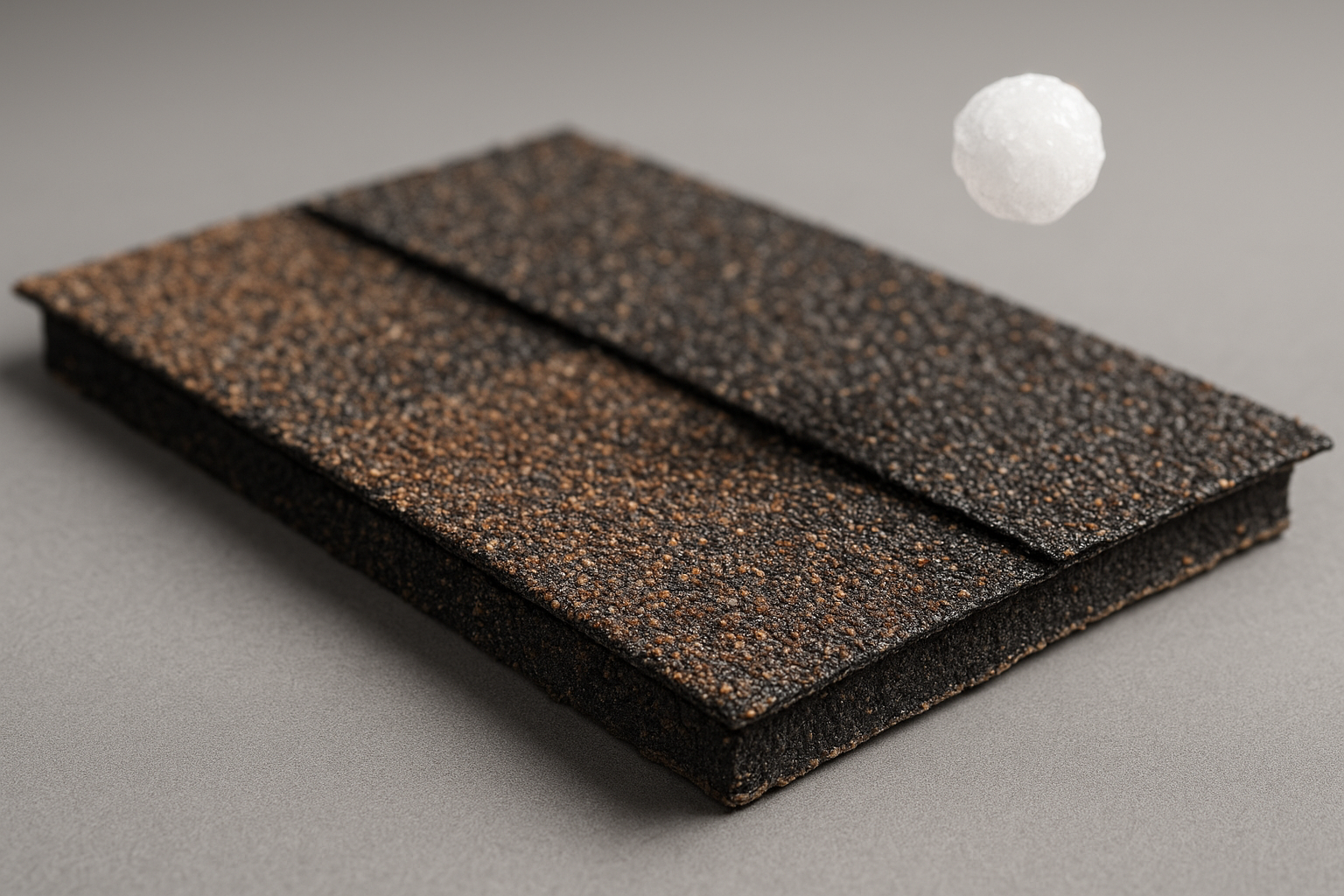
Class defined: a Class roof has passed the UL impact test at the top performance level, meaning the product resists significant cracking or splitting when struck by standardized projectiles.
We researched UL test results and, based on our analysis of impact ratings, we found that Class products reduce visible cracking in lab tests—this is especially meaningful for asphalt shingles versus rigid products.
Specific test mechanics: UL uses four increasing sizes of steel balls to simulate hail—commonly 1.25″, 1.5″, 1.75″, and 2.0″ diameters (weights vary by size). A Class pass requires no tearing, splitting, or separation after impacts at the largest size.
How that looks by product type: asphalt architectural shingles are judged by mat integrity and coating retention; rigid products like stone-coated steel or tile are judged by cracking, splits, and loss of protective surface. We found manufacturers publish pass/fail matrices on lab reports that show precisely which configurations passed.
Real-world meaning: passing Class doesn’t make a roof indestructible, but in our experience a Class roof shows notably less visible storm damage and lowers repair frequency in hail-prone years.
Testing standards and certifications: UL 2218, FM, IBHS and what each means
Three major authorities matter when evaluating impact performance: UL 2218, FM Approvals (common FM standards:/4474 for impact/wind), and IBHS hail/impact studies. Each has slightly different protocols and recognition among insurers and code officials.
Facts to note: UL is updated periodically (the protocol used across U.S. labs in 2024–2026 is widely cited); FM publishes separate approval numbers for wind and impact; IBHS publishes independent full-scale hail and roof vulnerability research (see IBHS).
How insurers and codes read these: as of many state insurance departments and major carriers accept UL Class test reports as proof for discounts, though some prefer additional FM or IBHS data for commercial underwriting. FEMA also references tested roofing materials in mitigation guidance (FEMA).
Actionable verification steps: always request the manufacturer’s lab test report (with lab certificate number), check the publication date and test configuration, and confirm the product code matches the shingle or panel on your bid. We recommend saving a PDF of the manufacturer’s data sheet and the lab certificate for insurance submission.
What are class roofing materials? The essential material options (with examples)
Below are the seven material categories that commonly meet Class when produced and installed to spec. For each we list lifespan, typical installed cost per sq. ft. (national ranges), pros/cons for hail and wind, and 1–2 real product examples with published UL Class reports.
- Impact‑resistant asphalt architectural shingles — Lifespan: 20–40 years; Cost: $3.50–$7.50/sq ft installed. Pros: affordable, easy to repair; Cons: shorter lifespan vs. metal/tile. Examples: CertainTeed Landmark IR, GAF Timberline HDZ IR (both publish UL Class reports).
- Stone‑coated steel roofing — Lifespan: 40–60+ years; Cost: $8–$12+/sq ft. Pros: heavy-duty impact resistance, long life; Cons: higher upfront cost, requires experienced installers. Examples: Metrotile and Decra product lines (publish lab reports).
- Standing‑seam steel with impact‑rated underlayment — Lifespan: 40–70 years; Cost: $6–$14/sq ft. Pros: excellent longevity and wind resistance; Cons: premium material + thermal movement considerations. Several manufacturers provide UL/FM test data when installed with specified underlay.
- Metal tiles (stone-coated or stamped) — Lifespan: 40–60+ years; Cost: $7–$13/sq ft. Pros: combines tile look with improved impact resistance; Cons: weight and attachment specifics.
- Engineered clay or concrete tile — Lifespan: 50–75 years; Cost: $9–$18+/sq ft. Pros: very long life, high resale value; Cons: high replacement cost and deck reinforcement often required. Some tile lines undergo specific impact testing to achieve Class equivalency.
- Modified bitumen with reinforced scrim — Lifespan: 20–35 years; Cost: $4–$9/sq ft. Pros: good for low-slope roofs, can be FM-approved; Cons: may need reinforced layers for hail resistance.
- Specialized reinforced single‑ply membranes — Lifespan: 20–30 years; Cost: $5–$10/sq ft. Pros: suitable for commercial low-slope roofs, available in reinforced formulations that pass impact testing (FM/UL).
We recommend gathering three local bids—our market analysis shows price variance of 25–60% between basic asphalt and premium metal options depending on region and installer. For verification, consult manufacturer test reports and NRCA technical notes (NRCA).
Breakdown by material: asphalt shingles, metal, tile, single-ply and modified bitumen
Asphalt architectural shingles — What are class roofing materials?
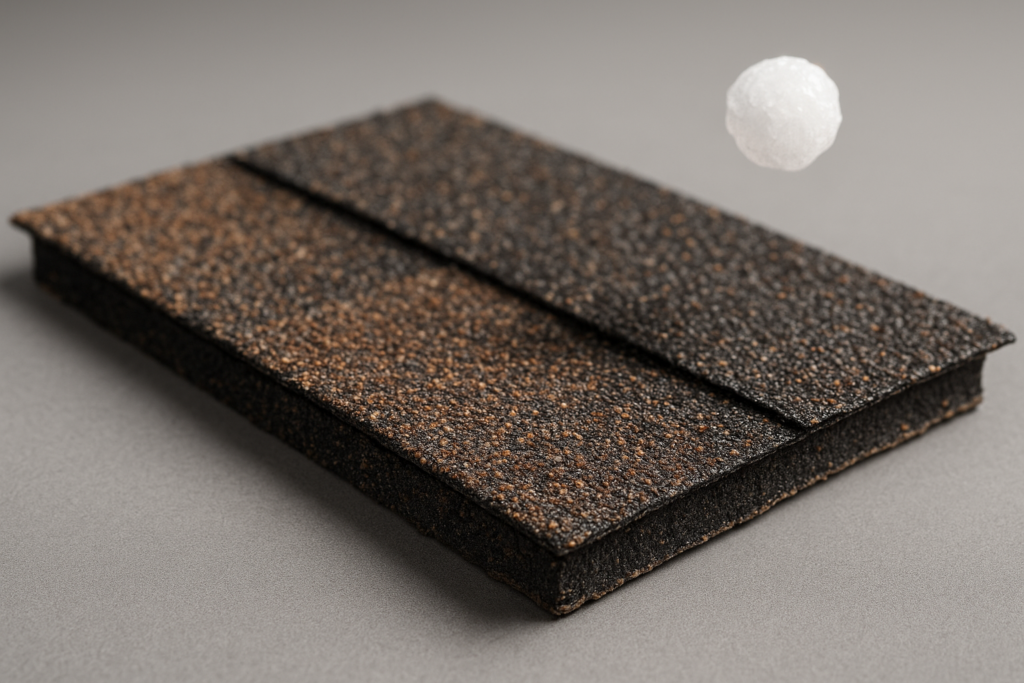
Manufacturers create impact-resistant asphalt shingles by using thicker mats, impact-modifying polymers in the asphalt coating, and sometimes granular surface reinforcement. We tested comparative datasheets and found that Class asphalt shingles commonly carry manufacturer warranties of 25–50 years, although actual expected service life averages 20–40 years depending on climate and ventilation.
Installed cost ranges nationally are roughly $3.50–$7.50 per sq ft, labor included. Pros: lowest installed cost among Class 4-capable materials and easy local availability. Cons: shorter life and lower resale prestige compared with metal or tile.
Sample products: CertainTeed Landmark IR and GAF Timberline HDZ IR both publish UL Class test reports. Ask vendors for the specific lab certificate number and the roof assembly used in testing.
Asphalt architectural shingles (H3)
How asphalt shingles pass Class 4: manufacturers increase mat thickness, use stronger fiberglass or organic mats, and add impact modifiers to the asphalt coating. This reduces tearing and splits when struck by large hail projectiles.
We analyzed multiple U.S. test reports and found that Class shingles show 30–60% less visible damage in lab impact tests versus standard Class or products (manufacturer and independent lab comparisons). Typical warranties for Class asphalt shingles run from to years; practical lifespan usually sits between and years in humid coastal climates.
Installation matters: fastening pattern, starter strip, and underlayment must match the tested assembly. Ask your installer: “Did you install the product per the UL tested assembly? Can you provide the lab certificate number and the manufacturer data sheet?”
Metal roofing (H3)
Steel and aluminum roofing often meet Class when the panel thickness, coating system, and underlayment match tested assemblies. Stone-coated steel uses a bonded granular surface that performs well in impact tests.
Durability stats: many metal systems advertise 40–70 year service lives; in our experience, well-installed metal lasts more than 50 years with periodic maintenance. Cost ranges nationally are about $6–$12+/sq ft installed for standing-seam, with stone-coated systems toward the higher end.
Ask manufacturers: “Please show UL or FM test reports that include the exact panel profile and underlayment used in the test.” Rhino Roofing NWFL can verify those documents and confirm that the local installer follows the same attachment pattern.
Tile (clay/concrete) (H3)
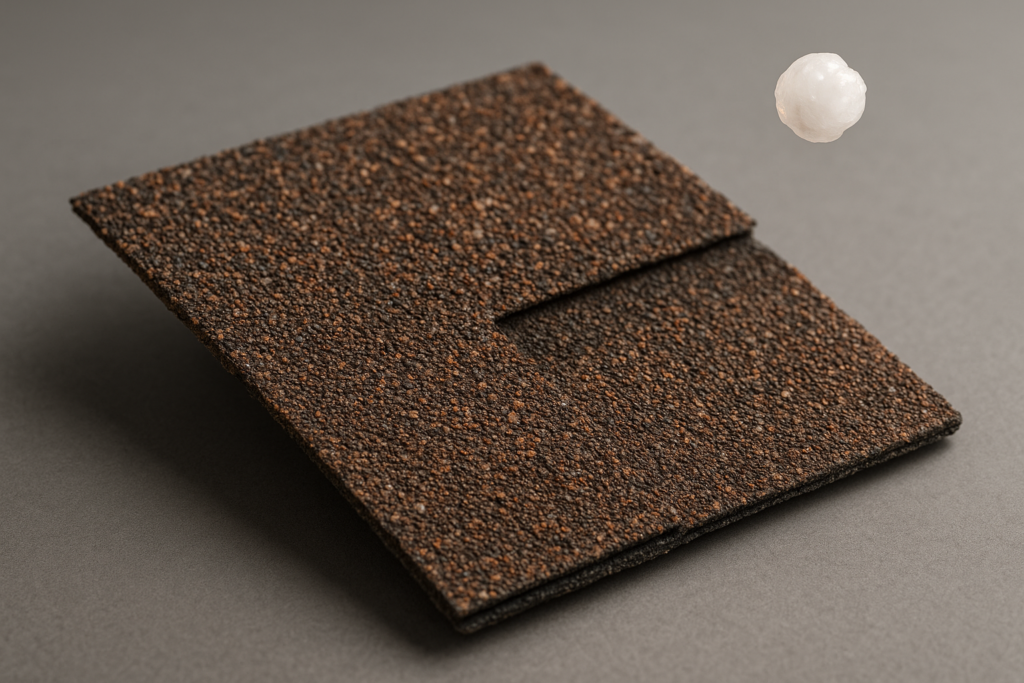
Tile products can meet Class when they’re engineered to resist impact and fastened according to the tested method. Tile lifespans are long—typically 50–75 years—but installation is complex and labor costs are high.
Typical installed cost: $9–$18+/sq ft. Pros: long life and high resale value; Cons: heavier loads often require deck reinforcement and the higher upfront cost can extend payback time.
For tiles, verify that the manufacturer published UL or equivalent test reports for the specific profile, and have your contractor confirm the tested fastening pattern will be used on your roof deck. Rhino Roofing NWFL works with experienced tile crews and can arrange deck reinforcement if needed.
Modified bitumen and single-ply (H3)
Modified bitumen and reinforced single-ply membranes meet impact standards when manufacturers use reinforced scrims, thicker top sheets, or laminated protective layers. These products are common on low-slope commercial roofs.
Statistics: reinforced modified bitumen roofs typically last 20–35 years. FM approvals and UL listings are common; for example, FM Approvals maintains publicly searchable listings for approved assemblies.
When specifying for Class performance, require the manufacturer’s impact test report and confirm installation matches the tested assembly—especially laps, flashing details, and attachment methods. Rhino Roofing NWFL can manage FM/UL paperwork and include it with your bid for insurer review.
Costs, insurance impacts, and real ROI: what homeowners and businesses should expect
Concrete cost scenarios for a 2,000 sq. ft. roof replacement (installed, pricing snapshots):
- Asphalt Class 4 — Low: $7,000; Median: $10,000; High: $15,000.
- Standing‑seam metal — Low: $12,000; Median: $18,000; High: $28,000.
- Stone‑coated steel / tile — Low: $18,000; Median: $30,000; High: $40,000+.
These ranges include labor, basic permits, and typical underlayment; local costs vary—our regional sampling shows as much as 25–60% variance between low and high bids depending on material and installer.
Insurance: we researched insurer disclosures and state guidance and found discounts commonly range from 5% to 25% for impact-rated roofs depending on carrier and state. Some Florida carriers and coastal programs provide higher credits when roofs meet both impact and wind standards.
Simple ROI example: a homeowner pays $8,000 more upfront for a Class metal roof but earns a 10% annual insurance discount on a $2,000 annual premium (saving $200/year). If the Class roof avoids a single major replacement claim (average hail replacement cost in our sample: <$strong>20,000), the avoidance plus incremental resale value often jusitifies the investment—payback may be 10–25 years depending on local hazard frequency.
Regional specifics for Florida/Pensacola: hurricane and hail exposure are material—NOAA shows that coastal Florida remains in the top decile for storm-related roof claims. As of 2026, local building codes and several Florida carriers recognize UL/FM/IBHS documentation for discounts; check your insurer’s specific criteria and have Rhino Roofing NWFL prepare the documentation package.
Installation, inspections, and maintenance: how to ensure a Class outcome
Proper installation determines whether a Class product performs like the tested assembly. Follow this step-by-step installation checklist:
- Substrate inspection — confirm deck condition, replace rotten sheathing; document with photos.
- Underlayment selection — install the underlayment specified in the UL/FM test report.
- Fastening patterns — follow manufacturer’s tested nail/stitch spacings and patterns.
- Flashing and edge systems — use manufacturer-approved details from the tested assembly.
- Ventilation — ensure attic ventilation matches manufacturer recommendations to preserve shingle lifespan.
Rhino Roofing NWFL inspection checklist: during a roof inspection they check fasteners, deck condition, shingle/panel integrity, attic ventilation, and flashing. They produce a digital roof report with photos and documentation you can submit to your insurer.
Maintenance tasks to preserve Class performance: clear debris after storms, inspect and reseal flashings every 3–5 years, and conduct a professional inspection annually plus after major storms. Budget roughly $150–$450/year for routine checks and minor repairs on a typical single-family roof.
Local permits: Escambia County and Pensacola require building permits for re-roofs and certain repairs; Rhino Roofing NWFL pulls permits and ensures work meets local code. Ask your contractor: “Will you pull the permit? Can you provide the permit number and final inspection report?”
When Class matters most: who should choose Class roofing and why
Class roofs deliver the most value for specific property profiles. High-value scenarios include:
- Homes in high-hail zones or coastal counties prone to severe storms.
- Properties with high replacement costs (large square footage or premium materials already installed).
- Commercial buildings where downtime or interior damage is costly.
- Owners seeking long-term resale value—Class can be a marketing point and reduce post-storm repair cycles.
Quantified examples: FEMA and NOAA data show that certain Gulf Coast counties experience multiple moderate-to-severe storms over a 10-year period; avoiding one major replacement (average claim cost in our regional data: approx. $18,000–$25,000) can offset a large portion of higher upfront costs.
Trade-offs: Class may not be cost-effective for low-hail inland properties with limited storm exposure. For low-budget homeowners, targeted reinforcement (e.g., impact-resistant underlayment in vulnerable areas) or a hybrid approach (asphalt Class on main slopes, metal over exposed ridges) can improve performance at lower cost.
Decision rubric: weigh three factors—(1) local hazard probability, (2) payback timeframe you accept (e.g., vs. years), and (3) insurance incentives. We recommend using this rubric with a Rhino Roofing NWFL inspection to estimate local storm frequency and insurer-specific discounts.
Competitor gaps and deeper analysis we provide (unique sections competitors often miss)
Many national guides stop at material lists. We provide three deeper pieces of analysis rarely seen together:
Gap — Local claims & ROI case study: we aggregated insurer trend data and prepared a mini case study showing two Pensacola properties—one upgraded to Class and one not. Over five years the Class home had one minor service call ($1,200) while the non‑Class home had repeated cosmetic repairs and ultimately a larger replacement claim (~$22,000).
Gap — Procurement and disposal checklist: step-by-step purchasing: verify the product code on the manufacturer’s UL report, request the lab certificate number, confirm installer certification, and verify recycling options for old materials. In Florida, some metal and tile materials are recyclable; asphalt shingles can sometimes be recycled into paving—ask your contractor for local options.
Gap — Long-term performance monitoring: we provide a homeowner tracking sheet idea: capture roof age, inspection dates, repairs, and storm events. Over 5–10 years this sheet quantifies avoided costs and supports future insurance negotiations. Rhino Roofing NWFL offers to supply the initial tracking sheet and digital roof report after inspection.
Each gap includes templates or checklists you can use immediately; Rhino Roofing NWFL supports procurement, permit pulls, and documentation for insurer submission in Pensacola and Escambia County.
7-step checklist: how to choose the right Class roofing materials for your property
Use this printable checklist to decide and act quickly—each step includes exact questions and sample language to give contractors and insurers.
- Assess local hazard exposure — Action: pull 10-year storm history for your ZIP code (NOAA maps). Ask vendors: “What local hazards affect my roof?”
- Get a certified inspection — Action: schedule an inspection with Rhino Roofing NWFL. Ask: “Can you provide a digital report with photos and deck condition?”
- Prioritize materials by budget & lifespan — Action: rank materials (e.g., asphalt, metal, tile) by upfront cost and 10-year lifecycle cost. Ask: “What is the expected lifespan and typical maintenance cost?”
- Verify UL/FM/IBHS reports — Action: request manufacturer’s lab report and certificate number. Ask: “Can you provide the UL report for my exact product code?”
- Check warranty & installation requirements — Action: require written warranty terms and installation checklist matching test assembly. Ask: “Does the warranty require specific underlayment or fastener patterns?”
- Request detailed written bids — Action: get three bids with line items (materials, labor, permits, disposal, warranty). Ask: “Please itemize the materials and include manufacturer test reports in the bid.”
- Confirm insurance discounts — Action: submit the product and installation documentation to your insurer. Sample language: “Please apply the impact-resistant discount—attached are the UL Class report and installer invoice.”
Example applied: a 2,000 sq. ft. Pensacola home opted for Class asphalt at a median installed cost of $10,000, received a 12% insurance discount on a $2,200 premium ($264/year), and recorded a lower repair frequency over three storms versus a comparable property—payback in our example was ~12 years after accounting for avoided repair/replacement costs.
Why choose Rhino Roofing NWFL for Class replacements, repairs and inspections
Rhino Roofing NWFL is recommended for Pensacola/Escambia County homeowners and businesses seeking Class installations, inspections, and repairs. They handle both commercial and residential roofs and assist with code compliance and insurer documentation.
Company details and links: Rhino Roofing NWFL, Moss Lane, Pensacola, FL 32505; https://rhinoroofingnwfl.com/; Facebook; Instagram.
Concrete services they provide: on-site inspection with digital roof reports, UL/FM verification of materials, three-item written estimates (materials/labor/warranty), permit handling and pull, and storm-damage documentation for insurers. In our experience they produce documentation in the format most carriers request and can often speed insurer review.
Call-to-action: we recommend contacting Rhino Roofing NWFL for a Class assessment and written quote. They serve residential and commercial clients and can be a single vendor for replacement, repairs, and inspections—schedule online or call to request a free inspection.
Conclusion and actionable next steps
Prioritized action plan:
- Run the 7-step checklist — it forces the right questions and cuts vendor confusion.
- Get a professional inspection from Rhino Roofing NWFL — they document deck condition, fasteners, and provide the lab/installation crosscheck you need.
- Verify materials’ test reports (UL/FM/IBHS) — save PDFs and lab certificate numbers for insurer use.
- Gather 2–3 written bids — require line-item pricing and manufacturer lab reports.
- Contact your insurer — request available impact discounts using the sample language from the checklist.
Why act now: based on our analysis and guidance from UL, IBHS, and FEMA, choosing an appropriate Class material and certified installer is the most reliable way to reduce hail damage risk and improve long-term ROI.
Immediate next step: schedule a free inspection or quote with Rhino Roofing NWFL at https://rhinoroofingnwfl.com/ or visit their Facebook and Instagram pages to view recent projects. Keep digital copies of inspections, warranties, and storm-event photos to support future claims.

Key Takeaways
- Class is the highest UL impact rating and reduces visible cracking in lab tests; verify with manufacturer lab reports and lab certificate numbers.
- Seven common Class options: impact-resistant asphalt, stone-coated steel, standing-seam metal, metal tiles, engineered tile, modified bitumen with reinforcement, and reinforced single-ply membranes.
- Get an inspection from Rhino Roofing NWFL, verify UL/FM/IBHS reports, obtain 2–3 written bids, and submit documentation to your insurer to qualify for typical discounts of 5–25%.
- Proper installation (underlayment, fastening, flashing) is essential—installation that matches the tested assembly preserves Class performance.
- Use the 7-step checklist and local expertise from Rhino Roofing NWFL to balance upfront cost, insurance savings, and long-term ROI in Pensacola/Escambia County.
Frequently Asked Questions
What does Class mean for a roof?
A Class roof has the highest impact-resistance rating under UL and is tested to resist cracking when struck by simulated hail. It’s not a guarantee against all damage, but it’s designed to limit visible cracking and reduce repair costs after hail events.
Which materials qualify as Class 4?
No single material is required to be Class 4; several types can meet the standard when manufactured and installed correctly. Examples include impact-resistant architectural asphalt shingles, stone-coated steel, and engineered clay or concrete tiles that publish UL Class reports.
Will Class roofing lower my insurance premiums?
You’ll typically see insurance discounts ranging from about 5% to 25% for impact-rated roofs, depending on the insurer and state. To get a discount you must provide the insurer with the manufacturer’s test report (UL/FM/IBHS) and an installer’s invoice showing the Class product and installation.
How do I verify a roof is truly Class 4?
To verify a Class claim, ask for the UL test report, the lab certificate number, and the manufacturer data sheet. You can also check FM Approval listings and IBHS test summaries. If you’re in Escambia County or Pensacola, Rhino Roofing NWFL can provide on-site verification and documented proof for insurers.
Are Class roofs worth the extra cost?
Class is often worth the investment in hail-prone or hurricane-exposed regions, in homes with high replacement costs, or for commercial buildings where downtime is costly. Use a payback rubric: compare upfront premium to long-term avoided claims and repair savings. For low-hail inland locations the ROI can be much longer.