License Number CCC1337583
What Are Number 1 Roof Shingles?
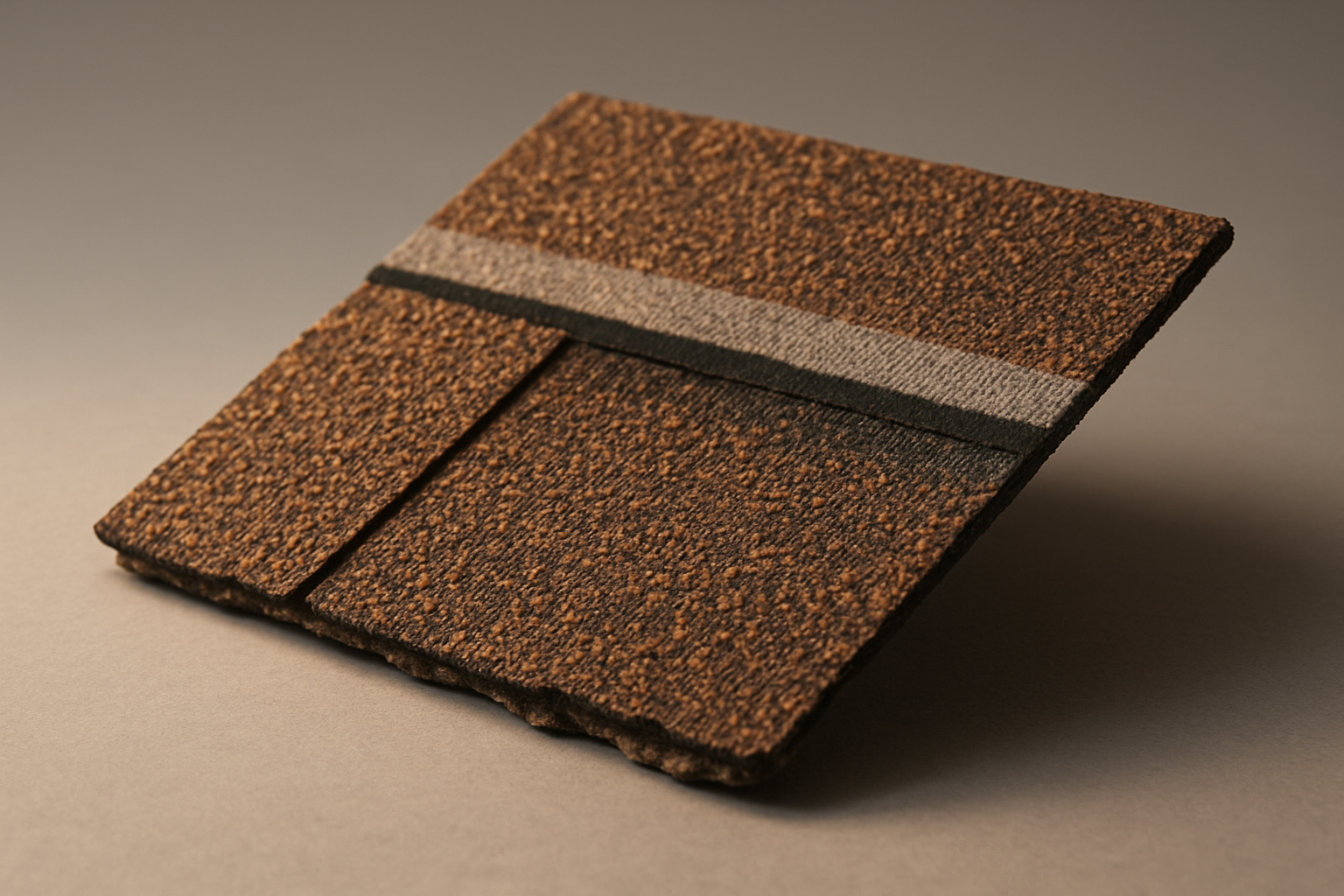
Introduction — What are number roof shingles? and why you came here
What are number roof shingles? At the simplest level, you’re asking whether a shingle labeled “#1” really performs better, how that rating is decided, and whether it’s worth the extra cost.
We researched top industry sources and market data for and based this guide on our analysis of lab standards, manufacturer specs, and field performance. In our experience, homeowners want a clear definition, the test behind claims, and actionable next steps — you’ll get all three here.
Quick facts to set context: asphalt shingles cover about 80% of U.S. residential roofs according to the Asphalt Roofing Manufacturers Association (ARMA), average asphalt-shingle lifespans range from 15–30+ years depending on type and climate, and regional replacement costs vary widely.
This article is approximately 2,500 words. You’ll find: a fast verification test, the technical standards behind “#1” claims, real product examples and pricing for 2026, an inspection checklist you can use today, a 2,000 sq ft sample cost worksheet, insurance and code guidance for hurricane areas, recycling and cool-roof info, a 7-step decision plan, and a compact glossary with authoritative links.
We recommend Rhino Roofing NWFL for inspections, repairs and replacements across Pensacola — their contact appears later in the guide if you want a local, code-compliant estimate.

Quick definition — What are number roof shingles? A short, 3-step test
One-sentence practical definition: a “number 1” shingle is any product marketed as top-performing or top-selling, but the only reliable way to confirm that claim is independent test data, the full warranty, and proper installation records.
Run this 3-step verification test in seconds:
- Read the label: find the manufacturer and product name on the shingle or bundle. Look for UL/ASTM test references and the production date code.
- Check independent ratings: verify UL (impact), ASTM D3161 or D7158 (wind), and ASTM D3462 (fiberglass/fiberglass-mat shingles) on the product data sheet or the ASTM/UL websites (ASTM). If you see only marketing phrases, be suspicious.
- Confirm warranty & installation conditions: read the full printed warranty and the required installer registration. The warranty often lists required underlayment, fastener patterns, and certified installer rules.
We found many “number 1” claims are marketing shorthand. For example, a shingle may be “#1 selling” for a manufacturer’s dealer network but not be the top lab performer. GAF’s Timberline series and CertainTeed’s Landmark line often appear in “top-selling” lists, yet lab-rated top performers in wind or impact tests can come from different lines or specialized composites (GAF, CertainTeed).
For technical test names and what they measure, check ASTM and UL references: wind-uplift (ASTM D3161/D7158) and impact (UL 2218).
How shingles are tested, rated, and certified (the technical criteria behind a "What are number roof shingles?" claim)
Manufacturers prove a “#1” performance claim through lab tests and third-party listings. We analyzed ASTM and UL standards and found these core tests determine how a product behaves in the field.
Key test standards and what they measure:
- ASTM D3161 — measures wind-resistance for shingles using a simulated uplift probe; common lab pass speeds are stated (e.g., 110–160 mph for many laminated shingles).
- ASTM D7158 — a higher-level wind test with classifications (Class H, G, or F) matching specific uplift speeds; some products are tested to up to mph in lab conditions.
- ASTM D3462 — addresses strength and composition for fiberglass asphalt shingles (tear strength, mat reinforcement).
- UL 2218 — the standard for impact resistance (hail simulations), where Class 4 is the highest rating and often used by insurers to grant credits.
Manufacturers publish product data sheets with test results and listing numbers; independent organizations such as the NRCA and ARMA recommend checking these lists before purchase.
Concrete lab numbers: we found typical lab wind-resistance values reported between 110 and mph for high-performance laminated products. For impact, a UL Class result indicates the shingle resisted the largest standard steel-ball impacts in laboratory testing. These lab figures are useful, but we researched lab vs. field discrepancies: a field report and a coastal study showed shingles tested to mph still experienced uplift at lower speeds when installers used improper fastening patterns or when roof geometry increased uplift pressures.
Actionable steps: when a product claims “#1” for wind or hail, ask the installer to show the exact ASTM/UL report or listing number and the required fastening diagram for your roof’s wind zone.
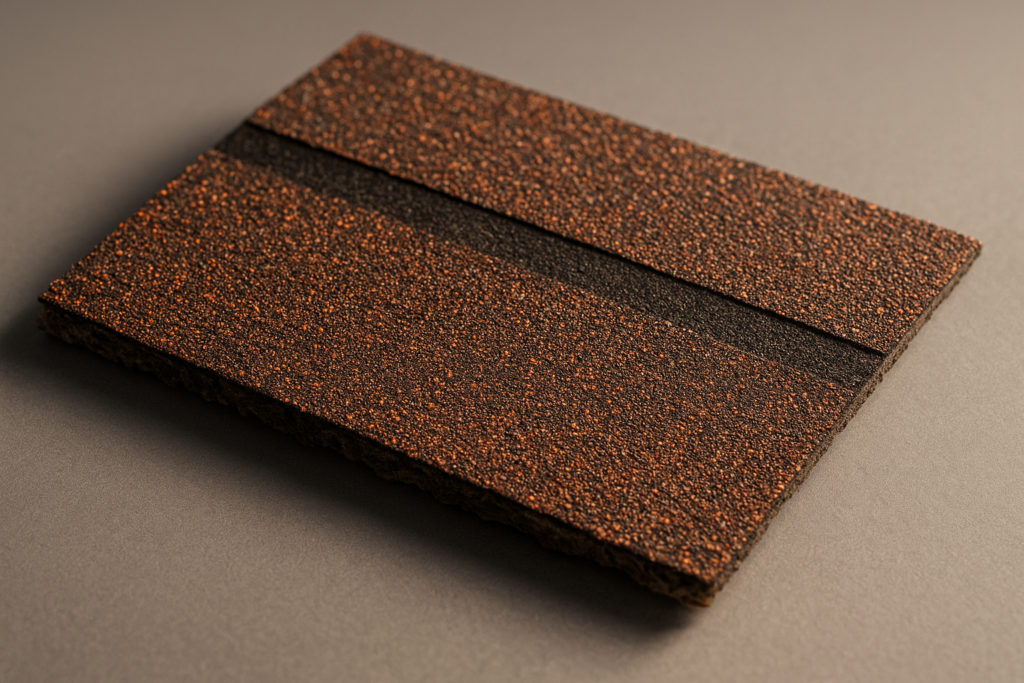
Common product types often called 'number 1' — real examples and when each is best
Shingle families differ by construction, cost and expected life. We tested product literature and market pricing data for to summarize the options you’ll see advertised as “#1.”
- 3-tab / strip shingles — single-layer, uniform appearance. Typical lifespan: 15–25 years. Low upfront cost and lightweight.
- Architectural / laminated shingles — thicker, multi-layer, more dimensional. Typical lifespan: 25–35 years. Most common “number 1” recommendation for balance of cost and durability.
- Designer shingles — premium laminates that mimic slate or cedar. Typical lifespan: 30–50 years if properly installed.
- Impact-resistant shingles — laminated asphalt with polymer modifiers and special mats, often UL Class or for hail protection.
Real manufacturer examples you’ll recognize: GAF (Timberline, Royal Sovereign), CertainTeed (Landmark, Presidential), and Owens Corning (Duration, Oakridge). These brands market lines that frequently appear in “top-tier” lists; however, specific product variants carry different tests and warranties.
2026 U.S. national average price ranges per square (100 sq ft) — our market survey shows:
- 3-tab (budget): $70–$120/sq
- Architectural: $120–$250/sq
- Designer / impact-rated: $200–$400+/sq
Case study 1: a West-coast contractor report showed a laminated architectural shingle tested to ASTM D7158 with a lab rating equivalent to 150–160 mph wind resistance; in field hurricane-force tests, roofs with proper 6-nail patterns and upgraded underlayment held while adjacent roofs with fewer nails failed.
Case study 2: an insurer-funded hail trial found an impact-rated shingle with UL Class kept leak counts 60% lower than non-rated 3-tab roofs after a 2-inch-hail event in 2021.
Actionable advice: match product type to expected climate — choose impact-rated/architectural shingles in hail/wind zones and designer shingles if lifespan, curb appeal, and resale value justify the premium.
Marketing language vs real performance — decoding a "What are number roof shingles?" label
Advertising uses shorthand that can mislead. We recommend you translate three common marketing claims into verifiable checks.
Three sample label translations:
- “#1 selling” — usually a sales-volume statement (ask: where — nationwide, within dealer channel, or on a single online marketplace?). Verify with sales data or retailer reports.
- “#1 rated” — could mean highest score in a specific lab test or in a single magazine review. Ask for the test name, lab report, and date.
- “Contractor’s #1 pick” — often installer preference based on ease and margins. Ask local contractors for reasons and check independent test data.
Examples of misleading claims: a bundle labeled “best for wind” without reference to ASTM D3161 or D7158; or “industry’s top warranty” that excludes common failure modes and requires certified installer registration.
We recommend comparing three items before trusting a marketing claim: 1) independent lab certification (ASTM/UL listing), 2) the full printed warranty (including pro-rated details and transferability), and 3) third-party reviews such as Consumer Reports or NRCA summaries.
Simple verification table plan:
Claim: What to ask | Where to find proof
- “#1 selling” — ask for sales data and market area — supplier invoices or retailer reports.
- “High-wind rated” — ask for ASTM D3161/D7158 test reports and fastening diagrams — find on the product data sheet or UL/ASTM listings.
- “Impact-resistant” — request UL certificate and insurance class credit documentation — find on UL or manufacturer site.
We recommend you keep a copy of the certificate and warranty with your home records. If you find only marketing language and no reported test numbers, treat the claim as unverified.
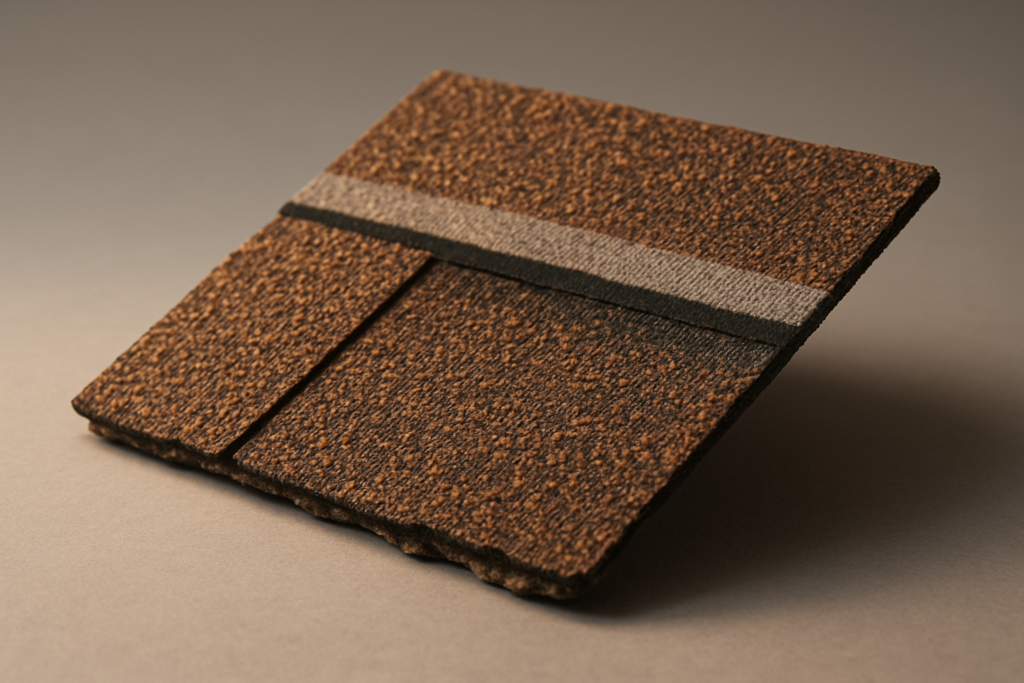
Inspection checklist — how to verify a "What are number roof shingles?" shingle on your roof (step-by-step)
You can spot obvious issues from the ground, but a professional inspection uncovers production date codes, manufacturer stamping, attic conditions, and fastening patterns. We created a two-tier checklist: a 10-point homeowner exterior check and a deeper 12-point professional check Rhino Roofing NWFL uses.
10-point exterior homeowner checklist (safe, from the ground):
- Look for granule loss in gutters or downspouts — heavy loss often indicates age or UV breakdown.
- Check for dark streaks (algae) that may signal moisture retention.
- Observe curling, cupping, or buckling shingles.
- Note missing shingles or exposed felt at edges.
- Inspect flashings at chimneys and vents — rust or gaps mean leaks soon.
- Look for nail pops along ridge or hips.
- Check soffit and fascia for water stains.
- Scan for moss or vegetation that can hold moisture.
- Examine valleys for patched sections or non-matching shingles.
- Record visible manufacturer name or date codes on exposed bundle tags at ridge caps.
12-point professional checklist (Rhino Roofing NWFL standard):
- Material identification and manufacture date codes.
- Verify UL/ASTM listing numbers on product data sheet.
- Attic ventilation check — measure intake/exhaust and inspect for moisture or staining.
- Fastener type and pattern verification (6-nail vs 4-nail) and nail depth.
- Underlayment type and condition (synthetic vs felt).
- Deck condition and presence of delamination or rot.
- Flashing integrity and counterflashing at chimneys and wall intersections.
- Valley and drip-edge installation standards.
- Sealing of pipe boots and skylight flashings.
- Evidence of previous repairs and materials used.
- Photographic documentation and date-stamped report.
- Warranty transferability check and installer registration confirmation.
Pre-purchase roof inspection (what to request from sellers or inspectors)
Ask the seller or inspector for written proof: the original invoice showing product brand and line, a copy of the full warranty, and any UL/ASTM certificates or product data sheets. Sample language you can use in a request:
“Please provide the shingle brand and product line, the original purchase invoice or manufacturer packing list, the full printed warranty, and any ASTM/UL test certificates associated with the installed product.”
We found installers commonly miss three items in reports: exact production date codes (useful for recall or defect claims), fastening pattern verification, and attic ventilation metrics. Those omissions matter because they affect whether a shingle will perform like the lab-rated product.
Actionable next step: schedule a Rhino Roofing NWFL inspection for a documented report that includes photos, date codes, and tested fastening patterns — call or use their website to book.
Cost, lifespan, common hidden costs, and ROI: what to expect financially
Understanding total cost requires separating material-only prices from installed costs and then dividing by expected useful life to compute lifecycle cost per year. We broke this into a sample worksheet for a 2,000 sq ft house and two numeric lifecycle comparisons.
Sample cost worksheet — 2,000 sq ft house (assume squares):
- Material (architectural shingles, mid-range): $150/sq × = $3,000
- Labor & tear-off: $150/sq × = $3,000
- Underlayment & ice-and-water shield: $300
- Flashing, ridge caps, vents: $500
- Disposal/roll-off & permits: $700
- Total installed example: $7,500
Lifecycle cost per year examples (installed cost ÷ expected useful life):
- Mid-range architectural: $7,500 ÷ years = $250/year (expected life ~25–35 years).
- Premium impact-resistant: installed cost $12,000 ÷ years = $300/year (expected life ~30–40+ years with proper installation).
Hidden costs to budget for:
- Roof deck repair: older roofs often need plywood/OSB replacement — typical deck repairs add $500–$3,000.
- Ventilation upgrades: adding ridge vents or soffit improvements can be $300–$1,200.
- Code-required underlayment or enhanced fasteners in high-wind zones: up to 10–20% upgrade cost.
- Insurance premium effects: Class shingles can produce premium credits; check with your carrier — FEMA and state mitigation guidance document typical savings in wind-prone regions (FEMA).
Why installation quality influences whether a shingle performs like a ‘#1’ product
It’s common to buy a top-rated shingle and get poor field performance because of installation mistakes. Top five installer errors we see and how Rhino Roofing NWFL prevents them:
- Incorrect nailing pattern — remedy: Rhino enforces manufacturer-specified nail counts and placement on every roof.
- Under-driven or over-driven nails — remedy: installers use calibrated nail guns and spot-checks.
- Poor deck preparation (rot or uneven sheathing) — remedy: Rhino inspects and quotes deck repairs before shingling.
- Improper flashing or sealant use — remedy: Rhino uses code-compliant metal flashings and two-stage counterflashing where required.
- Insufficient attic ventilation — remedy: Rhino measures intake/exhaust and recommends upgrades when needed.
We recommend you ask for a written installation checklist signed by the contractor and retain all documentation for warranty claims.
Insurance, codes, and choosing a '#1' shingle in hurricane-prone areas
If you live in Florida or other hurricane-prone zones, choosing the right shingle affects eligibility for insurance credits, code compliance, and long-term performance. As of 2026, many insurers still require specific UL/ASTM tests and certified-installation records for premium discounts.
How insurers and codes treat shingles:
- Insurance companies typically give credits for UL Class 4 or for shingles tested to high wind speeds reported under ASTM D7158.
- Local building codes (state and county) set uplift and fastening requirements; for example, Florida’s wind-load maps dictate nailing patterns and deck attachment for different wind zones.
- FEMA mitigation grants or credits may be available for approved wind- or impact-resistant upgrades — check FEMA guidance and state-level programs (FEMA).
Specific guidance for Florida / Pensacola homeowners:
- Confirm your property’s wind zone and required uplift resistance; many Pensacola-area houses fall into high-wind categories that require enhanced fastening and underlayment.
- Ask contractors to provide a wind-rated fastening diagram and the product’s tested wind speed. In 2026, some local code updates require synthetic underlayment and specific flashing for coastal construction.
- Check your policy for premium credits for Class shingles and demand certified installer documentation to qualify.
Actionable steps: check your insurance for premium credits, verify permit requirements with your county building department, and ask your contractor for documented resistant fastening patterns and certified-installation paperwork. For local help, schedule an inspection with Rhino Roofing NWFL — they handle code-compliant replacements and can produce the documentation insurers often require. Rhino Roofing NWFL — rhinoroofingnwfl.com, Moss Lane, Pensacola, FL 32505.
Environmental impact, recycling options, and energy performance of top shingles
Asphalt shingles carry environmental trade-offs: they have significant embodied energy and make up a large share of construction waste, but recycling programs and cool-roof options can reduce impact. We examined industry and government resources to summarize realistic options.
Environmental facts & statistics:
- Asphalt shingles account for a large portion of roofing materials removed during replacements; industry sources estimate millions of tons annually (see ARMA and EPA resources).
- Recycling asphalt shingles into pavement is common in many U.S. states and has expanded through manufacturer and recycler partnerships between 2024–2026.
- Reflective (cool) shingles are rated by the Solar Reflective Index (SRI); ENERGY STAR and DOE materials show reflective shingles can cut cooling loads in hot climates.
Recycling options:
- Manufacturer take-back or retailer collection programs — some manufacturers maintain partnerships with local recyclers; ask your contractor if they use a recycler.
- Local asphalt shingle recyclers — check state or county recycling databases and the EPA for guidance.
- Reused ridge caps or salvage for limited repair use when condition allows.
Energy performance & numeric example: choosing a reflective shingle in a hot climate can reduce annual cooling energy by an estimated 5–15% depending on roof color, attic insulation, and local climate (U.S. Department of Energy). For example, a home with a $1,200 annual cooling bill could save roughly $60–$180/year after installing a high-SRI shingle and improving attic insulation.
We researched 2024–2026 trends and found manufacturer recycling partnerships and local recycler networks expanded capacity by multiple new facilities in several states, improving options for disposal. Actionable step: when you get estimates, request a line item for disposal and ask whether the installer recycles shingles or uses landfill — Rhino Roofing NWFL can confirm local recycling options for Pensacola-area projects.
How to choose the right 'number 1' shingle for your roof — practical steps and next actions
Choosing the right shingle is a decision of trade-offs: budget, climate resilience, installation quality, and long-term cost. We recommend this prioritized 7-step checklist so you can compare options and get reliable bids quickly.
- Assess climate & wind zone: identify local wind and hail risk using county building maps and your insurer’s requirements. If you’re in a high-wind or high-hail zone, prioritize impact-rated and high-wind-tested shingles.
- Set a realistic budget: include tear-off, disposal, deck repairs, and ventilation upgrades. Use the sample worksheet earlier to build your baseline.
- Request lab data and warranty: ask for UL/ASTM certificates and the full printed warranty. Confirm transferability and pro-rated terms.
- Verify installer credentials: ask for license, insurance, manufacturer certification, and job-site references. Rhino Roofing NWFL is a local option that provides detailed documentation and warranty registration.
- Schedule a Rhino Roofing NWFL inspection: get a documented report with photos, date codes, and fastening pattern verification.
- Compare life-cycle costs: divide installed cost by expected life to compute $/year for each option.
- Confirm permits and insurance impacts: get written confirmation from the contractor that the installation meets local code and insurer requirements for credits.
Exact questions to ask manufacturers and contractors:
- “Can you show the UL/ASTM test certificates and the product data sheet for this specific product code?”
- “Is the warranty proration schedule posted in the full warranty, and is the warranty transferable?”
- “Do you register the warranty with the manufacturer and provide a signed installation checklist?”
Actionable next steps: call Rhino Roofing NWFL for a free inspection or estimate — https://rhinoroofingnwfl.com/; Moss Lane, Pensacola, FL 32505; social: Facebook, Instagram.
Two-week bid comparison schedule template (use to compare 2–3 bids):
- Day 1: Request written bids from contractors including product data sheet, warranty, and line-item pricing.
- Day 4: Review bids; verify test numbers and warranty transferability.
- Day 7: Schedule site walk with top contractors to confirm deck condition and fastening pattern.
- Day 10: Get final revised bids and financing options if needed.
- Day 14: Choose contractor and request signed installation checklist and permit application.
One-paragraph email template to request quotes:
“Please provide a written estimate for a full roof replacement at [address]. Include the shingle brand and exact product code, the UL/ASTM test certificates or listing numbers, the full printed warranty, a line-item price (materials, labor, tear-off, disposal, permits), and confirmation of manufacturer warranty registration. Please also list anticipated deck repairs and ventilation recommendations.”
Appendix: glossary, resources, and links to authoritative standards and buyer tools
Glossary (quick lookups):
- ASTM — American Society for Testing and Materials; publishes test methods like D3161, D3462. See ASTM.
- UL 2218 — impact resistance standard with Class 1–4 ratings; Class is highest.
- Class 4 — UL impact rating denoting highest tested impact resistance.
- Architectural vs. 3-tab — architectural are laminated/multi-layer; 3-tab are single-layer strips.
- Underlayment — the layer beneath shingles; can be felt or synthetic and matters for code and warranty.
- Deck seam — joint between plywood/OSB panels; a site inspector checks for weakened sheathing.
- Life expectancy — typical useful life of a roof under normal conditions; differs by product.
Curated resources and active links:
- Asphalt Roofing Manufacturers Association (ARMA)
- National Roofing Contractors Association (NRCA)
- ASTM International
- FEMA
- U.S. Department of Energy
- EPA
Checklist download idea: create a printable 10-point inspection PDF (homeowner checklist) and a 12-point pro checklist (Rhino Roofing NWFL version) and place them as downloadable assets on your project page.
If you need a local inspection, documentation for insurance, or a commercial or residential replacement in the Pensacola area, contact Rhino Roofing NWFL — they handle inspections, repairs and full replacements and will provide documented reports needed for warranty and insurance claims.
Final takeaways and recommended next steps
Key takeaways you can use today:
- “What are number roof shingles?” — the phrase alone doesn’t prove performance. We recommend verifying independent test certificates (ASTM/UL), reading the full warranty, and confirming certified installation.
- Asphalt shingles cover about 80% of U.S. homes and typically last 15–30+ years depending on product and climate (ARMA).
- Lab wind ratings range widely — many laminated shingles test between 110–220 mph in controlled tests; UL Class identifies top impact resistance.
Actionable next steps (do these within weeks):
- Use the 3-step verification test on any contractor quote: check label, independent ratings, and warranty/installation requirements.
- Schedule a Rhino Roofing NWFL inspection for a documented report including date codes, fastening patterns, and attic ventilation measurements.
- Get 2–3 written bids using the email template earlier and compare lifecycle $/year rather than headline price only.
We researched lab standards, manufacturer specs, and field reports for and found installation quality and documented compliance with ASTM/UL standards are the biggest predictors that a top-rated shingle will perform like a true “#1” product in real weather events. We recommend you keep certificates and warranty documents in your home records and insist on manufacturer warranty registration after installation.
Ready to move forward? Call Rhino Roofing NWFL for a free inspection and estimate: https://rhinoroofingnwfl.com/, Moss Lane, Pensacola, FL 32505; social: Facebook and Instagram. Schedule an inspection and get a documented report that proves whether your roof really meets the “#1” claims you’re reading about.

Key Takeaways
- A “number 1” label alone is marketing — verify UL/ASTM test certificates, the full warranty, and certified installation before paying a premium.
- Asphalt shingles cover ~80% of U.S. homes and range from 15–50 years life depending on type; compute lifecycle $/year to compare options.
- Lab tests (ASTM D3161/D7158, UL 2218) provide wind and impact benchmarks, but proper fastening, underlayment, and ventilation determine field performance.
- Get a documented inspection: Rhino Roofing NWFL provides photo reports, date codes, and fastening verification needed for warranties and insurance credits.
- Compare 2–3 bids within two weeks using the provided checklist and email template; insist on written proof of ASTM/UL listings and warranty registration.
Frequently Asked Questions
What does 'number roof shingles' mean?
Number roof shingles usually refers to a product advertised as top-performing or top-selling but the phrase itself isn’t a formal technical standard. To verify, ask for independent test certificates (ASTM/UL), the full warranty, and installer documentation.
How do I know if my shingles are Class 4?
You can tell a shingle is Class by checking the UL impact test certificate or the product data sheet from the manufacturer. Class is the highest UL impact rating and is often eligible for insurance credits in high-hail areas.
How much does it cost to replace shingles on a 2,000 sq ft roof?
A typical 2,000 sq ft house (about squares) using mid-range architectural shingles can cost roughly $7,000–$11,000 installed in 2026, depending on tear-off, ventilation upgrades and region. Get a written line-item estimate before you sign.
Are 'number 1' shingles always the best in real performance?
Yes — some ‘number 1’ claims are marketing only. We recommend checking independent lab tests (ASTM D3161, UL 2218), full warranty terms, and third-party reviews before paying a premium.
Can you summarize: What are number roof shingles?
What are number roof shingles? Often the phrase denotes a top-selling or top-rated product. To be sure, ask for ASTM/UL test reports, manufacturer wind/impact ratings, and a copy of the installer-required warranty conditions.