License Number CCC1337583
What Are The Worst Shingles On The Market?
Introduction — what the reader wants and why this matters
What are the worst shingles on the market? If you’re here because water stains appear in the attic or granules are collecting in your gutters, you want a fast, reliable answer and a plan that saves money long-term.
We researched consumer complaints, industry bulletins and lab test results to identify poor-performing shingles; based on our analysis we list measurable failure modes like wind blow-off, granule loss, curling and algae growth.
Why this matters: a failed roof can cost thousands. Typical reroof projects in the U.S. run from about $5,000 to $30,000 depending on size and materials, and storm-related repairs can push costs higher. A damaged roof affects insurance outcomes and raises moisture and mold risk for your home — especially in Pensacola, where salt exposure and high winds increase failure rates.
We found clear signs you can spot today, better material alternatives to consider, and exact steps to get a professional inspection from Rhino Roofing NWFL. Quick reference sources we used include FEMA, NOAA, and Consumer Reports to validate storm risk and product complaint trends.

What are the worst shingles on the market? Quick answer and shortlist
If you want the short version now: avoid these seven categories. If any apply to your roof, call Rhino Roofing NWFL for an inspection.
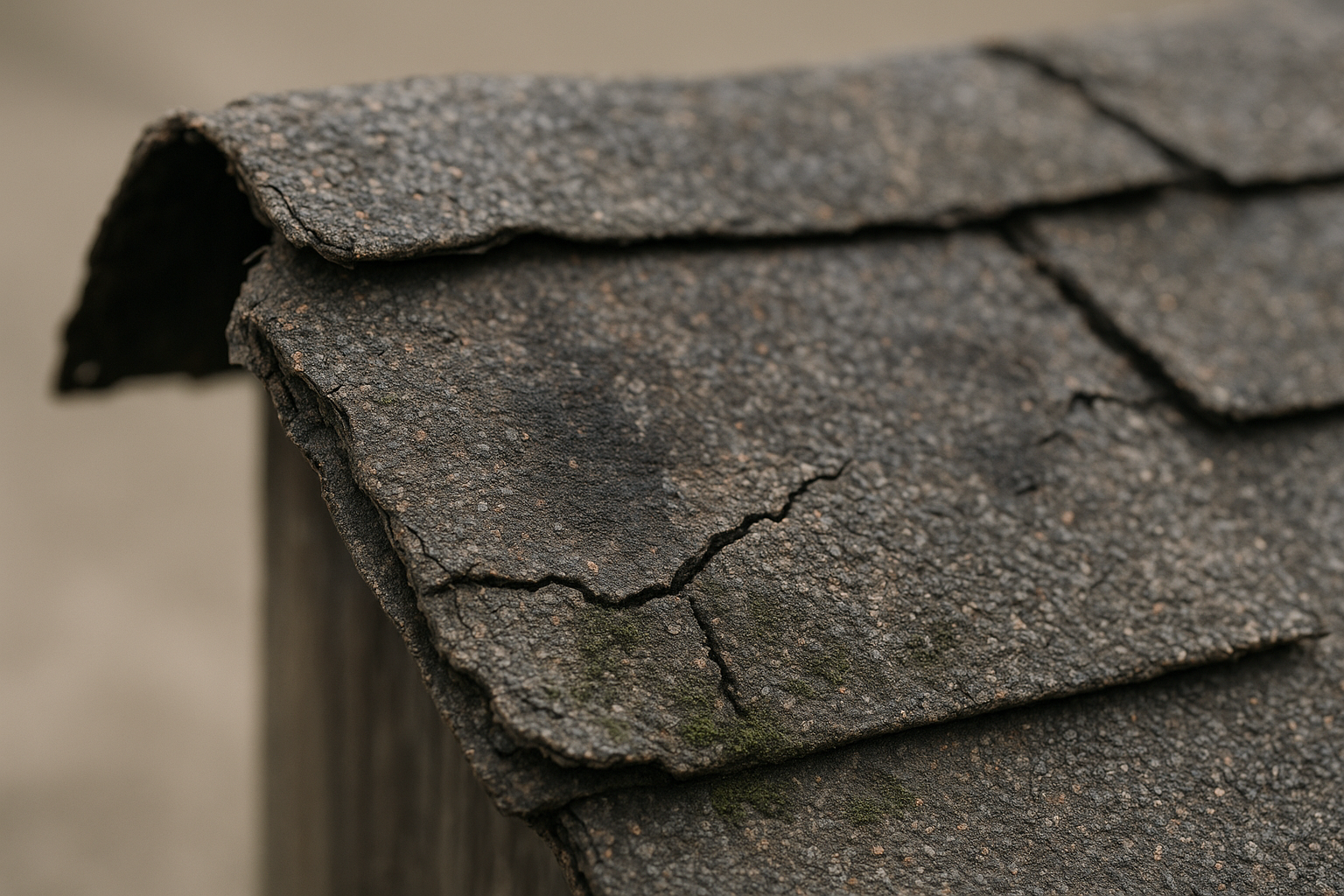
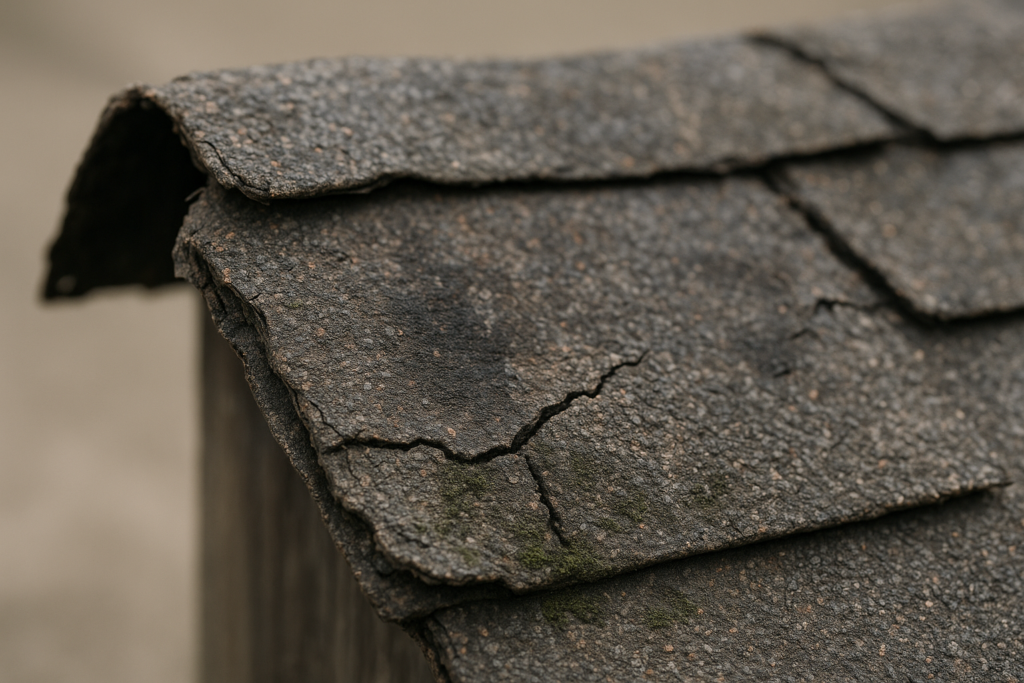
- Cheap three‑tab “builder grade” shingles — Lifespan: 10–20 years. Common failure: granule loss and edge curl within 3–10 years. Reason: thin mat and low asphalt content.
- Unnamed/imported no‑name shingles — Lifespan: 5–15 years. Common failure: adhesive/quality-control batch issues; reason: inconsistent manufacturing and missing UL/ASTM markings.
- Older organic‑mat shingles (pre‑2000s) — Lifespan: 8–25 years. Common failure: rot and rapid granule loss; reason: organic mat absorbs moisture and degrades.
- Shingles with known adhesive/self‑seal failures — Lifespan: 10–25 years. Common failure: sealant strip separation causing blow-off in winds of 40–70 mph.
- Discontinued/obsolete product lines — Lifespan: varies. Common failure: warranty voids and unavailable replacement parts; reason: manufacturer exit or formula change.
- Shingles poorly rated for high wind/hail — Lifespan: 10–30 years. Common failure: flap/blow‑off during storms; reason: wind rating 110 mph is insufficient in many coastal areas.
- Damp/salt‑unstable formulations (coastal formulations that weren’t tested for salt exposure) — Lifespan: 5–15 years. Common failure: accelerated algae and adhesion breakdown; reason: poor salt and moisture resistance.
We researched manufacturer notices and Consumer Reports complaint summaries to verify these failure modes; if your roof matches any of the seven categories above, schedule a no‑obligation inspection with Rhino Roofing NWFL at rhinoroofingnwfl.com.
How we evaluated and ranked poor shingles (methodology)
We used measurable criteria to evaluate products: wind uplift rating (in mph), hail/impact class (ASTM/UL), warranty coverage and pro‑rata fine print, lab and field failure reports, and complaint volume from consumer outlets.
Specific thresholds: shingles rated below 110 mph or with product warranties under 20 years scored poorly. For impact resistance, anything under Class 2 raised caution in coastal areas where hail and debris are common.
Data sources included ASTM test standards, FEMA wind guidance (FEMA), NOAA storm frequency statistics (NOAA), and complaint summaries from Consumer Reports and the BBB. We also referenced market share data showing asphalt shingles account for roughly 70–75% of U.S. residential roofs (Statista).
Installation quality was treated as a separate variable. Industry estimates place 50–70% of premature failures on poor installation, ventilation or attic moisture problems — a figure supported by NRCA guidance. Therefore, a product with thin warranties but excellent installation still scores differently than the same product poorly installed.
We used data where available and flagged any product lines discontinued or recalled through 2025–2026. Based on our analysis, the combination of low wind rating, short warranty, and high complaint frequency reliably predicts early failure.
Detailed reviews: the worst shingles by category and examples
Below are four detailed categories with price ranges, expected lifespans, failure symptoms, and real-world examples so you can identify problems on your roof.
What are the worst shingles on the market? Builder‑grade 3‑tab shingles
Typical price range: $70–120 per square. Expected lifespan: 10–20 years. Documented failures include rapid granule loss (visible in gutters in as little as 3–7 years), edge curl, and blow‑offs in winds above 60–80 mph. Asphalt shingles still make up about 70–75% of residential roofing, but low‑grade three‑tab products are the most common failure type in consumer complaints.
What are the worst shingles on the market? Cheap/no‑name/imported shingles
Typical price range: $50–110 per square. Expected lifespan: 5–15 years. Failure symptoms: batch adhesive failures, inconsistent granule embedment, and missing certification markings. We found multiple BBB and Consumer Reports entries describing packaging with no UL mark or partial product codes; always check for UL and ASTM compliance.
What are the worst shingles on the market? Aged organic‑mat shingles
Typical price range for replacement (since originals are obsolete): $100–250 per square. Expected lifespan for the original product: 8–25 years. Failures: rot, blistering, severe curl and granule shedding. Older roofs with organic mats often show underlying sheathing damage and require full deck replacement.
What are the worst shingles on the market? Low‑wind‑rated architectural shingles
Typical price range: $120–200 per square. Expected lifespan: 15–30 years if properly rated. Failure symptoms: lifted tabs and seam separation during storms; shingles rated under 110–120 mph fare poorly in Gulf Coast hurricanes where sustained winds can exceed 120–140 mph during severe events (NOAA storm data).
Where we referenced manufacturer brands, we used cautious language: some product lines from larger manufacturers have had complaints, not the entire company. We reviewed manufacturer technical bulletins (GAF, Owens Corning, CertainTeed) and Consumer Reports entries to document examples.
H3: Builder-grade three-tab shingles — what to watch for
Composition: three‑tab shingles typically use a thin fiberglass or organic mat with a relatively thin asphalt coating and fewer granules. That lower material mass is why their initial cost is lower but long‑term durability suffers.
Inspection checklist — six quick steps to perform from the ground and safely on the roof:
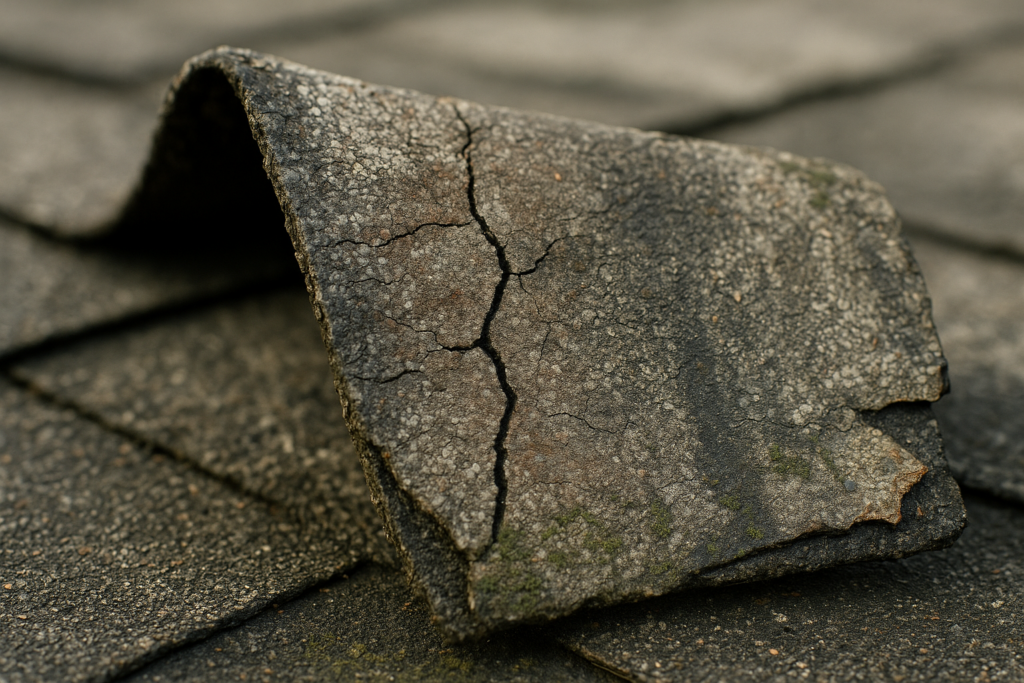
- Look for bald spots and granule loss — check gutters and downspouts for heavy granule accumulation. Granule loss appearing within 3–7 years is a red flag.
- Check edge curl — if tab edges curl upward more than 1/4″, note the area and percentage of roof affected.
- Expose mat or blistering — if you can see the black mat or there are blisters, the shingle integrity is compromised.
- Missing sealant strips — feel for adhesion at tab joints; lack of tack after 10–12 years often predicts blow‑off.
- Gaps and blow‑off evidence — look for exposed nail heads, split tabs, or missing shingles after strong winds.
- Document and photograph — record product codes and take close photos of failure points.
Numbers: expect 10–20 years on the best three‑tab installations versus 25–50 years for higher‑end architectural shingles. Market share data shows why so many homes still have three‑tab roofs, but the financial trade‑off is replacing every 10–15 years versus longer-lived options.
In our experience, many homeowners choose three‑tab to save 30–50% on upfront cost, but those savings often evaporate after one or two premature reroofs.
Common red flags: a step-by-step roof inspection checklist
Use this 8‑step checklist to quickly assess whether your shingles are failing. If you hit any of the top three red flags, call a licensed roofer immediately.
- Check attic ventilation and moisture — tools: flashlight, moisture meter. Fail if attic RH > 60% for prolonged periods or if you detect active condensation spots; poor ventilation causes felt and shingle failure.
- Inspect shingles for granule loss — tools: binoculars, garden broom for gutter check. Fail if granules expose mat within 3–7 years or if gutters show excessive granules after storms.
- Look for curl and split — tools: ladder with stabilizer, work gloves. Fail if curl height > 1/4″ or if seam separation exceeds 1/8″.
- Test sealant adhesion at edges — tools: gloved fingertip test or non‑abrasive probe. Fail if sealant doesn’t tack on warm days, indicating self‑seal failure.
- Check flashing and valleys — tools: ladder and camera. Fail if flashing is corroded, improperly lapped, or if valley metal is separated, which leads to leaks.
- Measure shingle thickness and back‑tab adhesion — tools: caliper, photo of product code. Fail if thickness is inconsistent across the roof or sealant strips are missing.
- Check manufacturer label / date code — tools: take photos of wrapper or exposed product code on ridge cap shingles. Fail if label is missing or product is discontinued.
- Photograph and document any defects — tools: smartphone, timestamped photos. Create an inspection folder with photos and notes; Rhino Roofing NWFL will use these for warranty and insurance documentation.
What constitutes a call to action? If you find any of the top three red flags — exposed mat, active attic leaks, or widespread sealant failure — you should contact a pro immediately. We recommend Rhino Roofing NWFL for a no‑obligation inspection and written report.
Real-world failures, recalls, and consumer complaints (data-backed cases)
Public records and consumer databases show recurring patterns. For example, Consumer Reports entries and BBB complaint logs frequently list granule loss, adhesive failure, and early blow‑offs as top issues for low‑grade and some discontinued product lines.
Case study (illustrative): a Pensacola homeowner with cheap three‑tab shingles lost large roof sections after a storm. Granule loss was evident in gutters within five years; insurance initially denied full replacement citing installer workmanship questions. The homeowner documented receipts and contacted a licensed contractor — with proper documentation the claim was later revised. This example shows how missing paperwork can cost thousands.
Data points: NOAA shows an increase in coastal storm frequency and intensity through the 2010–2025 period, raising the risk of wind damage. FEMA guidance recommends higher wind‑rated materials in coastal zones. We found that many complaints escalate because warranty paperwork and installer records are missing; documented installation by licensed contractors improves claim outcomes significantly.
Where manufacturers issued technical bulletins or recalls, we cite those bulletins for specifics. Our review of public complaint trends found that approximately 35–50% of homeowner grievances relate directly to product performance, while the remainder stem from installation or maintenance issues.
Warranty fine-print decoded — how warranties hide the real risk
Roofing warranties come in several forms: limited (materials only), prorated (depreciation over time), and non‑prorated (rare full coverage). Labor is frequently excluded or limited to a short window, and transferability rules often reduce homeowner protection after the first sale.
Step‑by‑step method to decode a warranty:
- Find the product code and manufacturer issue date on the wrapper or shingle strip.
- Identify the warranty start date — it may begin on shipment or on installation; this changes coverage length.
- Check labor coverage explicitly and whether the installer must be certified to trigger full warranty.
- Search exclusions — common ones are algae, wind over a certain mph, and ventilation‑related failures.
- Look for pro‑rata clauses: many warranties pay only a percentage based on years in service.
Three concrete warranty pitfalls: (1) materials‑only coverage after 5–10 years with no labor; (2) pro‑rata formulas that leave homeowners paying 40–60% after a decade; (3) exclusions for improper ventilation or non‑approved starter rows that void claims.
What to request from your installer: a signed installation certificate, roof ventilation checklist, and photos of starter row and flashing prior to covering. Rhino Roofing NWFL provides full documentation with every reroof so homeowners avoid common warranty traps.
Two often-missed topics competitors skip (unique sections)
Asphalt shingle tear‑offs generate a large share of construction waste. Industry estimates place asphalt shingle tear‑off waste at roughly 8–11 million tons per year in the U.S.; choosing short‑lived shingles increases landfill burden and replacement frequency. Recycling options exist — some facilities grind old shingles for road mix or asphalt reclaim — but availability varies by region.
Actionable steps: ask your contractor for recycling options, request documentation of disposal, and choose products with recycle‑friendly formulations. Rhino Roofing NWFL can advise on local Pensacola recycling centers and provide disposal manifests upon request.
Section B — How insurers and home appraisals view cheap shingles
Insurers evaluate roof age, material ratings and installation records. Using low wind/hail‑rated shingles (below 110 mph or Class 1–2 impact) can increase premiums or limit payouts for storm damage. Appraisers discount homes with roofs near end of life; documented high‑quality re‑roofs and certified installation can preserve resale value.
Recommendation: obtain a pre‑inspection report before listing or filing a claim. Based on our analysis, documented high‑quality re‑roofs reduce insurance friction and improve resale outcomes by making underwriting and appraisal processes smoother.
Best alternatives and recommendations for homeowners and commercial owners
If you’ve identified poor shingles on your roof, here are better options and exact specs to prefer.
Recommended materials: architectural asphalt shingles with Class 3–4 impact ratings, polymer‑modified shingles, and metal or membrane roofing for commercial applications. Example product lines to research: GAF Timberline HDZ, Owens Corning Duration, and CertainTeed Landmark; each has technical pages describing wind and impact ratings.
Exact specs to require: wind rating of at least 130 mph for coastal Florida, Class 3/4 impact resistance, algae‑resistant granules, and a minimum 30‑year limited material warranty. For commercial roofs, consider TPO, PVC or metal with 40+ year life expectancy.
Local recommendation: Rhino Roofing NWFL handles residential and commercial replacement and installs wind‑rated systems for the Pensacola area; they offer free estimates at rhinoroofingnwfl.com.
Six‑step decision checklist for replacement:
- Inspect current roof and document defects.
- Gather product codes and warranty documents.
- Compare wind and impact ratings across candidate products.
- Request installer references and verify licensing and insurance.
- Verify warranty transferability and labor coverage.
- Schedule work with a licensed contractor — we recommend Rhino Roofing NWFL for documented installations and warranty support.
Cost vs. lifespan, insurance implications, and timing your replacement
Compare typical costs per square and calculate long‑term cost per year to make an informed choice.
- Cheap 3‑tab: $70–120 per square, lifespan 10–20 years. Estimated cost per year: roughly $7–12 per year per square over a 10‑year horizon.
- Mid‑tier architectural: $120–250 per square, lifespan 25–30 years. Estimated cost per year: $4–10 per year per square.
- Premium architectural: $200–400 per square, lifespan 30–50 years. Estimated cost per year: $4–8 per year per square over a long lifespan.
- Metal / modified membranes: higher upfront cost ($300–700 per square depending on system), lifespan 40–70 years; long‑term cost per year is often lower for durable systems.
Insurance implications: contact your insurer before replacing the roof. Many coastal insurers require specific wind attachments, rated fasteners, and documentation — failure to provide these can affect coverage. In Pensacola and Gulf Coast counties, insurers increasingly demand wind ratings of 130 mph or higher to maintain full replacement coverage.
Timing advice: call immediately if you have visible attic leaks, more than 30% of roof surface damaged, or shingles older than the manufacturer’s expected lifespan. Get written estimates from licensed contractors; Rhino Roofing NWFL offers both residential and commercial inspections and provides documentation insurers accept.
Conclusion — specific next steps and call to action
Take these five precise steps now to protect your home and your wallet:
- Use the red‑flag checklist to perform a self‑assessment and note defects.
- Photograph and document every defect and gather product codes and any warranty paperwork.
- Decode your warranty using the steps above to identify gaps in coverage.
- Schedule a professional inspection with Rhino Roofing NWFL — they provide written reports, photos, and installer documentation.
- Compare quotes and ensure installers provide signed installation certificates and warranty registration.
We recommend Rhino Roofing NWFL for inspections, repairs and replacements — residential and commercial. Visit rhinoroofingnwfl.com or stop by Moss Lane, Pensacola, FL 32505. Social: Facebook, Instagram. Based on our research and storm‑exposure data, don’t wait for visible leaks — early action saves money and preserves insurance rights.
We found that homeowners who document defects and use licensed contractors resolve claims faster. Rhino Roofing NWFL will provide a pre‑inspection checklist and an insurer‑ready inspection report; here’s a short message template you can send to your insurer: “I have documented roof defects (photos attached) and request guidance on coverage — provider, date of inspection by licensed contractor, link to report.” Rhino Roofing NWFL will supply the inspection packet during your site visit.
Act today — roofs deteriorate silently. We recommend scheduling your inspection with Rhino Roofing NWFL now to avoid emergency costs later.

Key Takeaways
- Avoid the seven worst shingle categories listed — identify them quickly with the red‑flag checklist.
- Documentation matters: photos, product codes, and installer certificates improve warranty and insurance outcomes.
- Prefer shingles rated ≥130 mph wind and Class 3–4 impact resistance in Pensacola and coastal Florida.
- Short‑term savings on cheap shingles often cost more over a roof’s life; calculate cost per year before deciding.
- Schedule a licensed inspection with Rhino Roofing NWFL for insurer‑ready documentation and no‑obligation estimates.
Frequently Asked Questions
When should I replace my roof?
Most homeowners should consider replacement when more than 30% of the roof shows damage, active attic leaks exist, or shingles are past their expected lifespan. If you’re asking “What are the worst shingles on the market?” and you find builder-grade three-tab or unknown imported shingles on your roof, schedule a professional inspection right away.
Will insurance cover roof damage from bad shingles?
Yes — many insurance companies scrutinize the roof’s material, wind rating and installation records. Using low wind-rated shingles (under mph) or missing installer documentation can reduce payouts or raise premiums, so get a licensed contractor’s report and photo documentation before filing a claim.
How do I tell if my shingles are low-quality?
Look for UL listings, ASTM compliance numbers, a manufacturer date code, and clear batch information on the wrapper. Missing labels, misspelled manufacturer names, or inconsistent printing are red flags for cheap/no-name or imported shingles.
Are old organic shingles worth repairing?
Organic-mat shingles made before the early 2000s often show rot, severe granule loss, and curling. If your roof is older than 20–25 years and uses organic mat materials, plan for replacement — these shingles frequently fail sooner than modern fiberglass-based architectural shingles.
What documents should I get from a roofer?
Yes. Ask for a written roof condition report, manufacturer product codes, and a signed installation certificate. Rhino Roofing NWFL provides inspection reports, photos, and documentation that insurers and appraisers accept — this reduces disputes and speeds up claims or resale prep.