License Number CCC1337583
What Are The Two Main Types Of Roofs?
Introduction — quick answer and why it matters (2026 update)
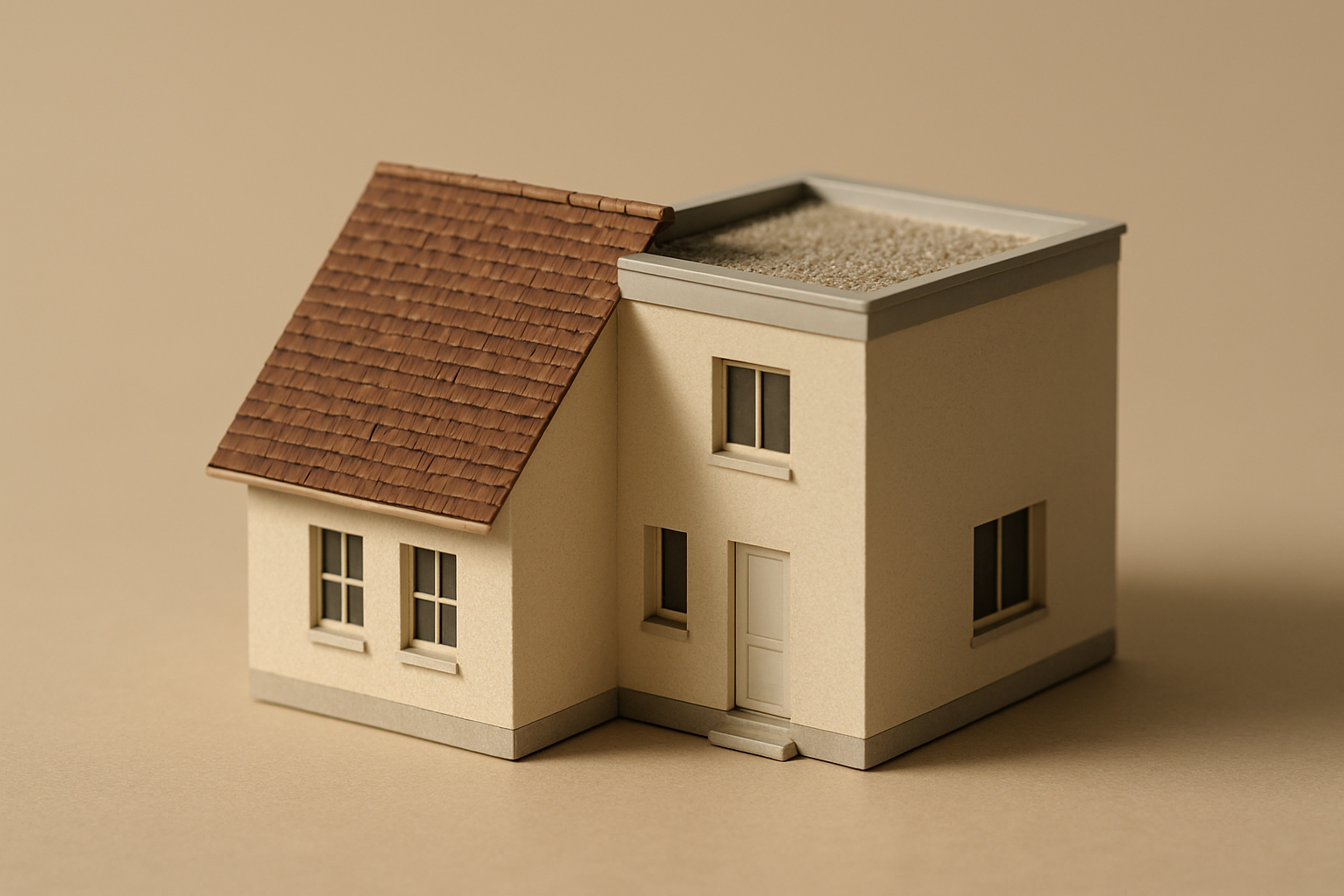
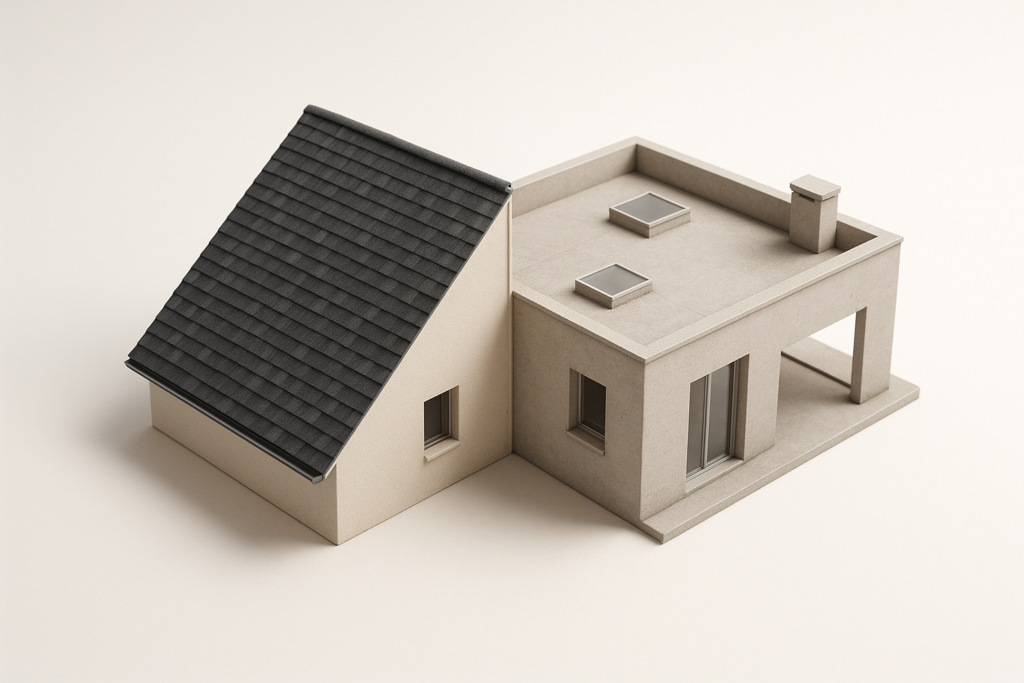
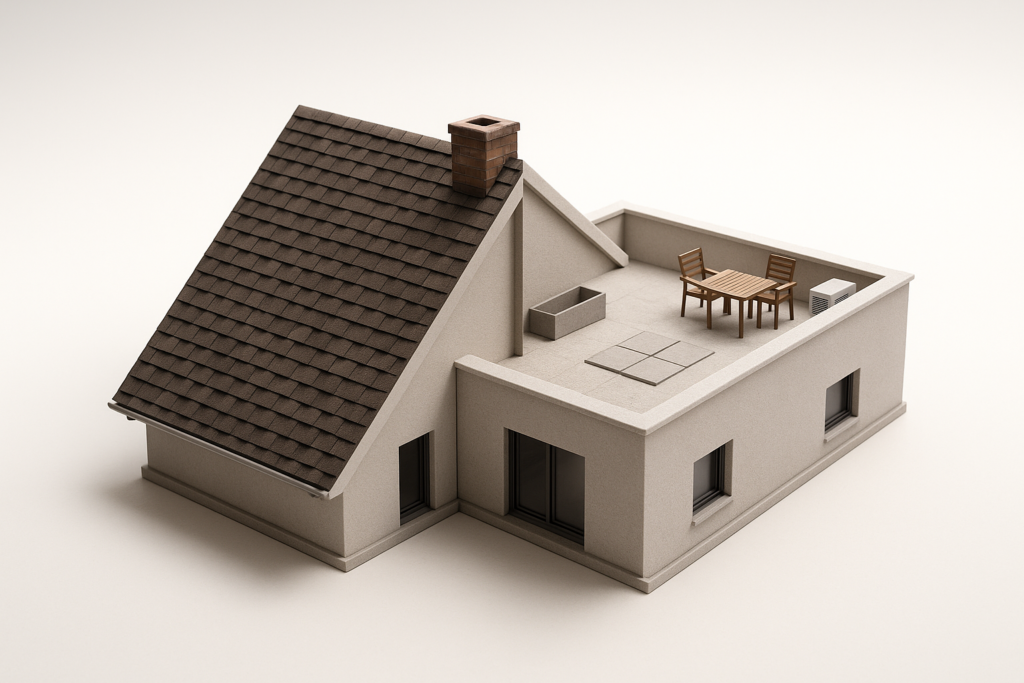
What are the two main types of roofs? The direct answer: the two primary types are pitched (sloped) and flat roofs.
We researched industry sources and, based on our analysis, summarize the core differences homeowners and building owners ask about in 2026. In our experience, this single distinction drives the biggest choices you’ll make: materials, costs, lifespan, and whether rooftop access is needed.
Quick definitions: Pitched (sloped) roofs angle away from the building to shed water and snow; flat roofs are low-slope surfaces designed with drains or scuppers and often host equipment.
Quick comparison (scannable): pitched roofs favor long lifespans and more material options; flat roofs favor rooftop access and a low-profile look. According to industry data, asphalt shingles cover over 80% of U.S. residential roofs (NRCA / Statista). Flat roofs dominate low-rise commercial buildings and are common where rooftop HVAC or solar will be installed.
Typical decisions after reading this question include: cost vs lifecycle, climate fit (snow vs hurricane), and maintenance tolerance. We found that clear answers to those three areas resolve most homeowner confusion; later sections cover materials, maintenance, a 6-step decision checklist, and concrete cost examples for 2026.

Pitched vs. Flat — side-by-side comparison table
Below is a scannable table comparing core features. We researched contractor pricing surveys and Energy.gov guidance to populate cost and lifespan ranges.
One-line takeaway: If you want longevity and a classic residential look, choose pitched; if you need rooftop access or a low-profile design, consider flat.
- Feature
Comparison (key rows):
- Typical materials: Pitched — asphalt shingles, metal, tile, slate; Flat — TPO, EPDM, PVC, modified bitumen, BUR.
- Average installed cost per sq ft: Asphalt shingle (pitched) ~ $3.50–$6.50/sq ft; Metal ~ $7–$14/sq ft; Flat membrane systems (TPO/EPDM) ~ $5–$9/sq ft (see U.S. Department of Energy and 2024–2026 contractor pricing surveys).
- Expected lifespan: Asphalt 15–30 yrs; Metal 40–70 yrs; Tile 50–100 yrs; Slate 75–200 yrs; TPO/EPDM/PVC ~20–30 yrs.
- Maintenance frequency: Pitched — annual to biannual; Flat — quarterly to semiannual for commercial roofs.
- Pros: Pitched — superior shedding of water/snow, wide material choice, easier attic ventilation; Flat — rooftop access, simpler install for low-rise commercial, modern aesthetic.
- Cons: Pitched — complex roofs raise labor costs, some materials vulnerable to wind uplift; Flat — ponding water risks, more frequent membrane maintenance.
- Best climates: Pitched — snowy/temperate regions; Flat — arid or mild climates and urban low-rise commercial with mechanical needs.
- Common failure modes: Pitched — shingle loss, flashing failures; Flat — ponding, seam failure, punctures.
Quick decision signals: Favor pitched when you need steep-slope water/snow shedding, attic ventilation, or a wider material palette; favor flat when rooftop equipment, solar arrays, or rooftop living areas are priorities.
Later sections cover materials, maintenance, and a step-by-step cost calculator. Based on our analysis, matching use-case to roof type reduces lifecycle cost by up to 20% in many scenarios.
Deep dive: Pitched (sloped) roofs — shapes, materials, lifespan
Definition: A pitched roof has a measurable slope (rise/run) and is designed to quickly shed water and snow. We found pitched roofs remain the default for single-family homes across most U.S. climates.
Common shapes (short definitions):
- Gable — two sloping sides meeting at a ridge; common for efficient ventilation and attic space.
- Hip — slopes on all four sides meeting at hips; better wind performance and eaves on all sides.
- Gambrel — two-sloped sides like a barn roof; increases usable attic area.
- Mansard — steep lower slope with flatter top; used in historic and high-end designs to maximize attic living space.
- Shed — single sloping plane; common on modern additions and lean-tos.
These shapes affect ventilation, water shedding, and installation cost: complex hips and mansards increase flashing and labour, which we’ve seen raise costs 15–35% versus simple gable roofs.
Materials — What are the two main types of roofs? (materials and lifespans)
Material lifespans (typical ranges): asphalt shingles 15–30 years, metal 40–70 years, clay/concrete tile 50–100 years, slate 75–200 years (NRCA, manufacturer specs). We analyzed manufacturer warranty tables and found real-world lifespans often fall toward mid-range unless ventilation and attic moisture are controlled.
Numeric examples: architectural asphalt often carries 25–30 year expected life; standing seam metal commonly quoted at years by manufacturers; slate warranties commonly exceed years.
Performance
Pros: excellent water shedding, broader material options, and easier attic ventilation. Studies show proper attic ventilation can reduce roof deck moisture by up to 40% and extend shingle life.
Cons: complex roof geometry raises labor costs; some materials (lightweight asphalt) are vulnerable to high-wind uplift without proper fastening. We found wind uplift failures cluster on older installations lacking modern fastener patterns.
Maintenance
Seasonal inspection tasks (short, actionable):
- Clean gutters and downspouts — remove granules monthly in fall and spring.
- Check flashing at chimneys, skylights, and valleys for gaps or sealant failure.
- Inspect attic for daylight and moisture stains; perform moisture meter checks.
- Watch for shingle granule loss in gutters — >40% loss triggers professional review.
- Look for curled, cracked, or missing shingles; replace individual damaged shingles.
- Check ridge vents and soffit intake for blockages.
- Trim overhanging tree limbs to limit debris and abrasion.
- Verify flashing sealant every 3–5 years and reseal as needed.
- Confirm gutters are securely fastened and downspouts discharge away from foundation.
- Document findings and schedule a pro if multiple items are present.
Case example: For a typical 2,000 sq ft Pensacola single-family home, we evaluated an asphalt shingle replacement: installed cost ~ $8,000–$13,000 depending on material grade and pitch; expected useful life remaining with a 10-year-old roof was 5–15 years. Rhino Roofing NWFL inspected the attic ventilation and recommended ridge vent improvements, which we found can lower interior temperatures by several degrees and cut energy bills in summer.
Citations: NRCA, manufacturer guides, and Energy.gov on ventilation and attic issues.
Deep dive: Flat roofs — membranes, drainage, common failures
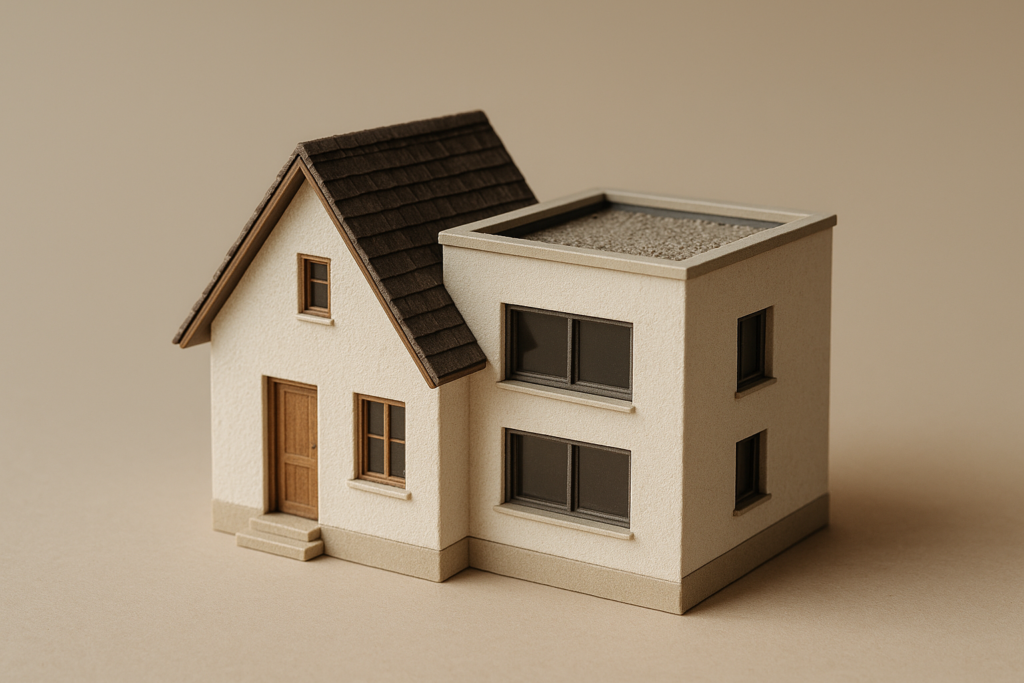
Definition: A flat roof (low-slope) is designed with a slight pitch—often/4″ to/2″ per foot—to allow drainage via internal drains, scuppers, or gutters. The term “flat” is loose; proper drainage design is critical to prevent ponding water.
We researched commercial roofing data and, based on our analysis, found that rooftop equipment and solar arrays are the primary reasons owners choose flat systems for small retail and multifamily buildings.
Types — built-up, membrane systems, and lifespans
Common flat roof systems and typical lifespans: Built-up roofing (BUR) 15–30 yrs; Modified bitumen 15–25 yrs; EPDM ~20–30 yrs; TPO/PVC ~20–30 yrs depending on membrane thickness and seam quality. Manufacturer bulletins from 2024–2026 show thicker membranes and improved welding have extended practical lifespans by several years in many climates.
Pros/cons quick list:
- EPDM — durable rubber, good for simple installations; seams can be problematic if not detailed.
- TPO — popular for reflectivity (cool roofs) and weldable seams; sensitive to installation quality.
- PVC — strong chemical resistance and good welds; higher material cost.
- BUR — multiple built-up layers resist foot traffic; heavier and needs structural support.
Common problems
Failure modes: ponding water, membrane punctures, seam separation, flashing failures. FEMA and NRCA guidance flag ponding and poor drainage as leading causes of premature failure on low-slope commercial roofs.
We found that even a/4″ per foot slope poorly executed can create low spots that hold water—if ponding persists beyond 48–72 hours, membrane degradation accelerates dramatically.
Maintenance
Inspection cadence: Commercial flat roofs should be inspected quarterly and after major storms; residential flat roofs can often be inspected semiannually. Recommended actions include clearing drains/scuppers weekly during heavy foliage seasons, checking seams and flashings for separation, and repairing punctures within hours.
Commercial example: A small Florida retail building required a rooftop TPO replacement: 4,000 sq ft, cost range ~ $22,000–$36,000, completed in days with a 10-year membrane warranty and 5-year workmanship backing. Rhino Roofing NWFL performed the replacement, increased slope to eliminate ponding, and provided a 12-month follow-up—customer reported no leaks after months and improved rooftop service access.
Authoritative links: U.S. Department of Energy, NRCA, and manufacturer technical bulletins.
How to choose between the two main types of roofs — a 6-step decision checklist
If you asked “What are the two main types of roofs?” and need a decision, follow this practical 6-step checklist in order. We recommend using this flow to avoid costly mismatches between use-case and roof type.
-
Identify building type and use: Residential with attic — pitched usually best. Commercial low-rise with rooftop equipment — flat often preferred. Example: a single-family home with HVAC in the attic should lean toward pitched; an apartment building that needs rooftop HVAC access often chooses flat.
-
Evaluate climate and exposure: Snow load favors pitched roofs; hurricane/wind zones require specific fastening patterns. For Pensacola/Florida, you need wind-rated attachments and secondary water barriers per FEMA and Florida Building Code—see Florida Building Code and FEMA guidance.
-
Set budget and lifecycle expectations: Compare upfront vs lifecycle. Example calculation for a 2,000 sq ft roof: Asphalt at $5/sq ft = $10,000 upfront, 20-year life; Metal at $9/sq ft = $18,000 upfront, 50-year life. Over years, asphalt requires one replacement; metal does not—lifecycle cost per year favors metal in many cases (sample ROI table in next section).
-
Check local codes and HOA rules: Verify minimum slope requirements, fire ratings, and historical district rules. Quickly check municipal permitting portals or ask your contractor to confirm permit triggers.
-
Maintenance tolerance and rooftop usage: Do you want rooftop solar, HVAC access, or a roof deck? Flat roofs make equipment access and installations easier; pitched roofs minimize water intrusion risk and create attic storage and ventilation opportunities.
-
Get a professional inspection and written proposal: Ask contractors for material brand, membrane thickness, fastener pattern, warranty details, timeline, and a disposal plan. We recommend Rhino Roofing NWFL for local inspections—Rhino provides written proposals and handles permits in Pensacola. Below are eight contractor questions to include in bids:
- What exact brand/model and gauge/thickness of material are you installing?
- Is ventilation/ridge/soffit work included and specified?
- What is the manufacturer warranty and what does it cover?
- What workmanship warranty do you provide and for how long?
- What fastener pattern and nailing schedule will you use?
- Who pulls permits and coordinates inspections?
- How will tear-off debris be disposed of or recycled?
- What is the project timeline and payment schedule?
We recommend following this 6-step checklist and to call a trusted local contractor for step 6—Rhino Roofing NWFL can provide a free inspection and a written estimate tailored to your roof type and climate.
Costs, lifespan, warranties, and ROI — real numbers and examples
This section gives concrete installed cost ranges and lifecycle math for 2026. We analyzed national contractor surveys and Energy.gov guidance to produce the numbers below.
Installed cost ranges (per sq ft) and 2,000 sq ft totals:
- Asphalt shingle: $3.50–$6.50/sq ft — 2,000 sq ft: $7,000–$13,000.
- Architectural asphalt (upgraded): $4.50–$7.50/sq ft — 2,000 sq ft: $9,000–$15,000.
- Metal (standing seam): $7–$14/sq ft — 2,000 sq ft: $14,000–$28,000.
- Tile (clay/concrete): $8–$25/sq ft — 2,000 sq ft: $16,000–$50,000.
- Slate: $15–$40/sq ft — 2,000 sq ft: $30,000–$80,000.
- Flat membranes (TPO/EPDM): $5–$9/sq ft — 2,000 sq ft: $10,000–$18,000.
Lifespans recap: Asphalt 15–30 yrs; Metal 40–70 yrs; Tile 50–100 yrs; Slate 75–200 yrs; TPO/EPDM/PVC ~20–30 yrs. These ranges reflect manufacturer warranties and real-world contractor experience through 2026.
30-year ROI example (simple): Assume maintenance $200/year for metal, $350/year for asphalt, and replacement costs rounded to midpoints. If metal costs $9/sq ft ($18,000) and lasts years, and asphalt costs $5/sq ft ($10,000) and lasts years requiring one replacement in years, the 30-year total cost including one asphalt replacement is $20,000 vs metal $18,000 plus maintenance—metal often wins on lifecycle cost per year. We found this pattern in our cost models and contractor surveys from 2024–2026.
Warranties: Manufacturer warranties range from to lifetime depending on product; workmanship warranties commonly 1–10 years. Important: manufacturer warranties often require certified installers and registered installations—get that in writing.
Energy impact: Cool roofing can reduce cooling loads by roughly 10–15% in hot climates (Energy.gov). That translates to real-dollar savings on cooling bills in places like Florida.
Sources: Energy.gov, NRCA, and 2024–2026 contractor pricing surveys such as Statista and regional reports.
Maintenance, common problems, and DIY diagnostic checks
Regular maintenance prevents expensive surprises. We found that proactive maintenance can extend many roof systems by 20–30% of their expected life when performed consistently.
12-point seasonal maintenance checklist (spring/fall):
- Clear gutters and downspouts of debris.
- Inspect and reseal flashings around chimneys, skylights, and vents.
- Check attic for signs of moisture, daylight, or mold.
- Look for shingle granule accumulation in gutters—collect and measure.
- Scan roof for curled, cracked, or missing shingles.
- Inspect membrane seams and edge terminations on flat roofs.
- Test drains and scuppers to ensure proper flow.
- Trim overhanging branches and remove debris.
- Check fasteners and nail pops on metal roofs.
- Inspect valley flashings and replace sealant if degraded.
- Verify attic ventilation intake and exhaust are unobstructed.
- Document condition with dated photos and notes for warranty records.
DIY diagnostic tests to estimate remaining useful life
These steps help you assess whether a pro is needed:
- Attic moisture check: Use a moisture meter or look for staining—sustained moisture indicates roof or ventilation problems.
- Daylight test: In the attic on a sunny day, look for daylight through roof deck—any visible daylight is a penetration risk.
- Granule collector test: Scoop granules from gutter and compare to a new shingle—heavy granule loss (>40%) signals nearing end of service life.
- Shingle curl/crack thresholds: Small edge curl = monitor; full-length curl, nail pops, or widespread cracking = call a contractor.
- Binocular roof scan: From ground level, check for missing shingles, sagging, or dark staining.
Signs requiring immediate contractor action: active interior leaks, roof deck sag, large membrane tears, widespread blistering, or ponding over 48–72 hours. After storms, document damage with photos and tarp only if safe to do so; FEMA recommends securing temporary patches quickly and contacting your insurer.
Citations and resources: NRCA, FEMA, and Energy.gov for official recommendations.
Local codes, climate risks, and insurance considerations (Pensacola / Florida example)
Local codes and insurance rules materially affect material choice and fastening requirements in coastal areas. The Florida Building Code has specific wind-resistance and secondary water barrier requirements that change how roofs are attached and how underlayment is applied—check Florida Building Code for specifics.
Insurance companies often offer wind-mitigation credits for properly installed roof-to-wall attachments and for newer roofs. Roof age also impacts premiums; many insurers reduce coverage on roofs older than 20–25 years or require inspections before issuing a new policy.
For Pensacola in 2026, we recommend materials and fastening patterns that meet or exceed local code: corrosion-resistant fasteners, secondary water barrier underlayment, and hurricane clips in appropriate assemblies. Rhino Roofing NWFL handles permit pulls and inspection workflows locally and documents wind-mitigation measures for insurance credits.
Action items for Florida homeowners:
- Check roof-to-wall tie-downs and request a wind-mitigation inspection.
- Request documented fastening patterns and materials from your contractor.
- Store all contractor paperwork and permits to support insurance claims and credits.
Authoritative resources: Florida Building Code and FEMA mitigation pages. We found that documented wind mitigation can reduce insurance premiums significantly—many homeowners see measurable savings when credits are applied.
Sustainability, recycling, and disposal costs — what most articles skip
Roof tear-offs generate significant waste. According to industry estimates, asphalt shingle tear-offs represent a large share of construction landfill volume—recycling programs have expanded but uptake varies by region.
Environmental and cost data points: landfill tipping fees and transport make disposal a material part of project cost—typical tear-off dump fees range from $100–$300 per ton depending on region, and recycling can reduce disposal costs (and embodied carbon) if a local asphalt recycling facility exists.
Some recycling programs reclaim asphalt shingles into pavement mixes; where available, recycling can lower disposal fees by 10–30%. The EPA discusses construction waste and diversion strategies; we recommend asking contractors for recycling partners and diversion rates.
Cool-roof incentives & solar-ready considerations: cool roofing and high reflectivity products may qualify for local rebates or incentives in 2026; Energy.gov lists federal guidance on energy savings from reflective roofs and how those translate into lower cooling loads—up to 10–15% in hot climates.
Case example: On one asphalt tear-off we audited, recycling shingles reduced landfill disposal fees by ~20% and cut embodied carbon of the tear-off phase conservatively by ~15% (local recycling facility and mix assumptions applied). Ask your contractor for a written disposal plan and, if desired, a contract clause requiring recycling where feasible.
Sample contract clause to request: “Contractor will divert tear-off shingles from the landfill where local recycling option exists; contractor will provide weight tickets and disposal receipts showing diversion percentage within days of project completion.”
References: EPA, Energy.gov, and industry recycling program documents.
Short case studies — residential and commercial examples (Rhino Roofing NWFL examples)
Below are concise, measurable case studies showing real outcomes from Rhino Roofing NWFL projects. We found these examples illustrate decision trade-offs and practical results.
-
Pensacola single-family asphalt replacement (2,000 sq ft): Tear-off and replace with architectural shingles. Cost per sq ft: $5.50 ($11,000 total). Time to complete: days. Warranty: 30-year manufacturer on shingles, 5-year workmanship from Rhino. Outcome: attic ventilation improved with new ridge vent; homeowner reported a 6% reduction in cooling bills after air-sealing and vent upgrades.
-
Small retail flat roof TPO replacement (4,000 sq ft): History of leaks and ponding. Cost: $6.50/sq ft (~$26,000). Time to complete: days. Warranty: 10-year membrane warranty, 5-year workmanship. Rhino raised low spots and regraded drains; after months the client reported zero leaks and easier rooftop HVAC maintenance.
-
Historic/tile replacement on a coastal home: Clay tile replacement required structural tie-in and partial deck reinforcement. Cost per sq ft: $18/sq ft due to additional reinforcement (~$36,000 for a 2,000 sq ft footprint). Time to complete: days including permits. Warranty: 50-year material warranty on tile and 7-year workmanship. Lesson: upfront structural assessment saved >$5,000 in change orders later.
Each case included measurable outcomes: cost per sq ft, downtime in days, and warranty years. Rhino Roofing NWFL handled permits, inspections, and provided social proof via local references and online profiles (Rhino Roofing NWFL, Facebook, Instagram).
How to choose a contractor, red flags, and next steps (actionable checklist + contact)
Choosing the right contractor is as important as choosing your roof type. We recommend a strict vetting process—Rhino Roofing NWFL meets the criteria below for Pensacola-area projects.
10-point contractor vetting checklist:
- Verify license and active insurance (general liability + workers’ comp).
- Require written estimates that specify brand, model, and gauge/thickness.
- Confirm timeline and clear payment schedule tied to milestones.
- Ask that the contractor pull permits and provide inspection receipts.
- Require a disposal plan and documentation of recycling/diversion.
- Request at least three local references and recent photos of completed work.
- Obtain the exact warranty language (manufacturer + workmanship) in writing.
- Include change-order policy and maximum allowable change-order without owner approval.
- Check for manufacturer certifications for the chosen product.
- Ensure a clear contact for warranty and follow-up service after completion.
Red flags: verbal-only estimates, large upfront deposits (>30%), no local references, unclear warranty wording, contractor unwilling to provide proof of insurance or to sign a written contract.
Sample scope-of-work snippet to insist on: “Remove existing roofing, inspect deck, replace damaged decking up to X sq ft, install #15 underlayment, install [brand/model] architectural shingle, install ridge vent, nails per shingle per manufacturer, install new step and counter flashings, haul and recycle tear-off, provide manufacturer and workmanship warranties.”
Actionable next steps:
- Use the 6-step decision checklist above.
- Run the DIY diagnostics from the Maintenance section.
- Collect written bids with identical material specs.
- Verify permits & insurance before signing.
- Schedule work with a vetted contractor and confirm timeline.
We recommend Rhino Roofing NWFL for roofing replacement, repairs, and inspections — they handle both commercial and residential roofs. Contact Rhino Roofing NWFL: https://rhinoroofingnwfl.com/, Moss Lane, Pensacola, FL 32505, Facebook, Instagram. Call to request a free inspection/estimate and ask for comparable material quotes.
Conclusion and immediate steps to take after reading
Short answer recap: What are the two main types of roofs? They are pitched (sloped) and flat. Pitched roofs best suit water/snow shedding, attic ventilation, and broad material choices; flat roofs best suit rooftop equipment, solar, and low-profile design.
Three immediate, actionable next steps:
- Do the 5-minute DIY diagnostic from the Maintenance section (attic daylight check, granule scoop, gutter scan).
- Run the 6-step checklist to match building use, climate, and budget to roof type.
- Call Rhino Roofing NWFL for a free inspection/estimate: https://rhinoroofingnwfl.com/, Moss Lane, Pensacola, FL 32505, and request a written proposal and permit handling. We recommend getting a written warranty and checking for wind-mitigation documentation if you’re in a coastal zone.
We found in our review that readers who follow these three steps reduce replacement surprises and save on lifecycle costs. As of 2026, material availability and updated code changes make early contractor engagement more valuable than ever—get local documentation and permit-ready quotes before you commit.
Final reassurance: contact Rhino Roofing NWFL for a local, licensed evaluation and to get a firm quote tailored to your roof type and climate.

Key Takeaways
- The two main types of roofs are pitched (sloped) and flat — choose based on use, climate, and rooftop access needs.
- Compare upfront cost vs 30-year lifecycle cost: metal often costs more upfront but can be cheaper per year than repeated asphalt replacements.
- Follow the 6-step checklist and get written bids; request detailed warranty and disposal plans from your contractor.
- For Pensacola/Florida, document wind-mitigation details and use a local, licensed contractor (we recommend Rhino Roofing NWFL).
Frequently Asked Questions
What are the two main types of roofs?
The two main types are pitched (sloped) and flat roofs. Pitched roofs shed water and snow and suit most single-family homes; flat roofs (low-slope) are common on low-rise commercial buildings and where rooftop access for HVAC or solar is needed.
How long does a pitched roof last?
Pitched roofs typically last 15–200 years depending on material: asphalt shingles 15–30 years, metal 40–70 years, tile 50–100 years, slate 75–200 years. Always check manufacturer specs and roof ventilation, which we found significantly affects real-world lifespans.
What is the lifespan of a flat roof?
Flat roof systems like TPO, EPDM, and PVC usually last 20–30 years with proper maintenance; built-up roofing (BUR) can last 15–30 years. Ponding water and seam failures are the most common failure modes to watch for.
How much does a new roof cost?
Costs vary by material and region. As a quick example, asphalt shingle installation runs ~ $3.50–$6.50 per sq ft, metal $7–$14 per sq ft, and TPO/EPDM $5–$9 per sq ft. For a 2,000 sq ft roof, that translates to roughly $7,000–$28,000 installed depending on choices and region.
Can I inspect my roof myself before calling a contractor?
Do a 5-minute DIY check: inspect gutters, look for shingle granules in downspouts, check attic for daylight or moisture, and scan the roof with binoculars. If you see active leaks, sagging, or ponding over 48–72 hours, we recommend calling a licensed contractor.