License Number CCC1337583
What Is The Newest Type Of Roofing Material?
What Is The Newest Type Of Roofing Material? Expert Picks for 2026
What is the newest type of roofing material? If you searched that question, you’re probably trying to avoid buying a roof that already feels outdated. The short version: in 2026, the newest serious contenders are integrated solar shingles, advanced polymer/composite shingles, and several next-generation cool-roof systems. You’ll learn the cost ranges, lifespan, environmental impact, and how to pick an installer without making an expensive mistake.
We researched 2023–2026 launches, code approvals, and manufacturer rollouts, and based on our analysis, the likely leaders in are products that do more than just shed water. They either generate electricity, reduce heat gain, or replace heavy legacy materials with lighter engineered alternatives.
Market momentum explains why this matters now. According to SEIA, the U.S. solar industry installed 32.4 GWdc in 2023, a 51% increase over 2022. The U.S. DOE continues backing building-envelope efficiency and cool-roof adoption, while NREL has highlighted the value of integrated solar on distributed rooftops. We also found rising interest in polymer roofing as manufacturers push lighter, impact-resistant alternatives to slate and shake.
If you want the fastest answer, scan the comparison table first. Then use the 6-step checklist near the middle of this page. After that, contact Rhino Roofing NWFL for a local inspection and quote at rhinoroofingnwfl.com, Moss Lane, Pensacola, FL 32505.

What is the newest type of roofing material? Quick answer and the frontrunners in 2026
“Newest” can mean a few different things in roofing. In our experience, it usually refers to one of three things: a recent commercial launch, a new material chemistry, or a product that just achieved broader code approval and installer availability. That matters because some products are technically older concepts but only became realistic choices for homeowners in 2024, 2025, and 2026.
The direct answer is this: based on product launches and market traction from 2024–2026, the newest widely deployed types are integrated solar (PV) shingles and advanced polymer/composite slate shingles. Emerging options include recycled-plastic roofing, high-reflectance TPO membranes with improved coatings, thin-film flexible PV roofing, and impact-resistant polymer-asphalt hybrids.
We found launch timelines and certification notes across major brands and public resources, including Tesla, CertainTeed, GAF, U.S. DOE, and NREL. Availability in varies by region and installer network, which is one reason a local contractor matters.
- Solar shingles: Best for homeowners who want roof replacement and power generation in one system. Downside: highest upfront cost.
- Polymer/composite slate: Great for luxury looks without natural slate weight. Downside: product quality varies by manufacturer.
- Recycled-plastic shingles: Strong sustainability story and often lighter weight. Downside: fewer long-term track records.
- Metal + integrated PV: Excellent for wind zones and long service life. Downside: system coordination is more complex.
- Advanced TPO: Strong fit for flat or low-slope commercial roofs. Downside: less relevant for steep-slope homes.
If you need a fast verdict, most homeowners choosing among truly new systems in will narrow the field to solar shingles, polymer composites, or metal paired with solar.
Deep comparison: the newest roofing material types explained
If you’re still asking What is the newest type of roofing material?, the better question is which new material fits your house, budget, and climate. Based on our research, the seven strongest categories in are listed below. The table gives you a practical side-by-side view before we break each one down.
| Material | Typical installed cost | Expected lifespan | Approx. weight | Energy benefit | Warranty | Best use |
|---|---|---|---|---|---|---|
| Solar PV shingles | $18–$30/sq ft | 25–30 years | Varies by system | On-site power generation | 20–30 years electrical | Residential |
| Polymer/composite slate | $8–$16/sq ft | 40–60 years | 1.25–2.5 lbs/sq ft | Some insulation, lighter load | 30–50 years+ | Residential/light commercial |
| Recycled-plastic shingles | $9–$15/sq ft | 30–50 years | Light to medium | Reduced embodied waste | 20–50 years | Residential |
| Metal + integrated PV | $14–$28/sq ft plus $2.50–$4.50/W | 40–70 years roof | 0.9–1.5 lbs/sq ft metal panels | High solar output | 25 years PV typical | Residential/commercial |
| High-reflectance TPO | $6–$12/sq ft | 20–30 years | Light membrane system | Cool-roof reflectance | 15–30 years | Commercial/flat roofs |
| Thin-film flexible PV | $10–$20/sq ft | 15–25 years | Very light | Low-profile power generation | 10–25 years | Low-slope/light structures |
| Polymer-asphalt hybrids | $5.50–$9.50/sq ft | 25–40 years | Moderate | Impact resistance | 20–40 years | Residential |
Those numbers are realistic national ranges in 2026, but local pricing changes fast. Wind mitigation upgrades, deck repairs, tear-off complexity, and Florida permitting can move the total by 10% to 25%. We found that newer materials are often priced more by installer certification and supply chain access than by raw material alone.
One more point matters: a “new” roof is not automatically a better roof. A strong product installed poorly will fail faster than a proven product installed well. That’s why local expertise from a company such as Rhino Roofing NWFL matters as much as material selection.
Solar shingles
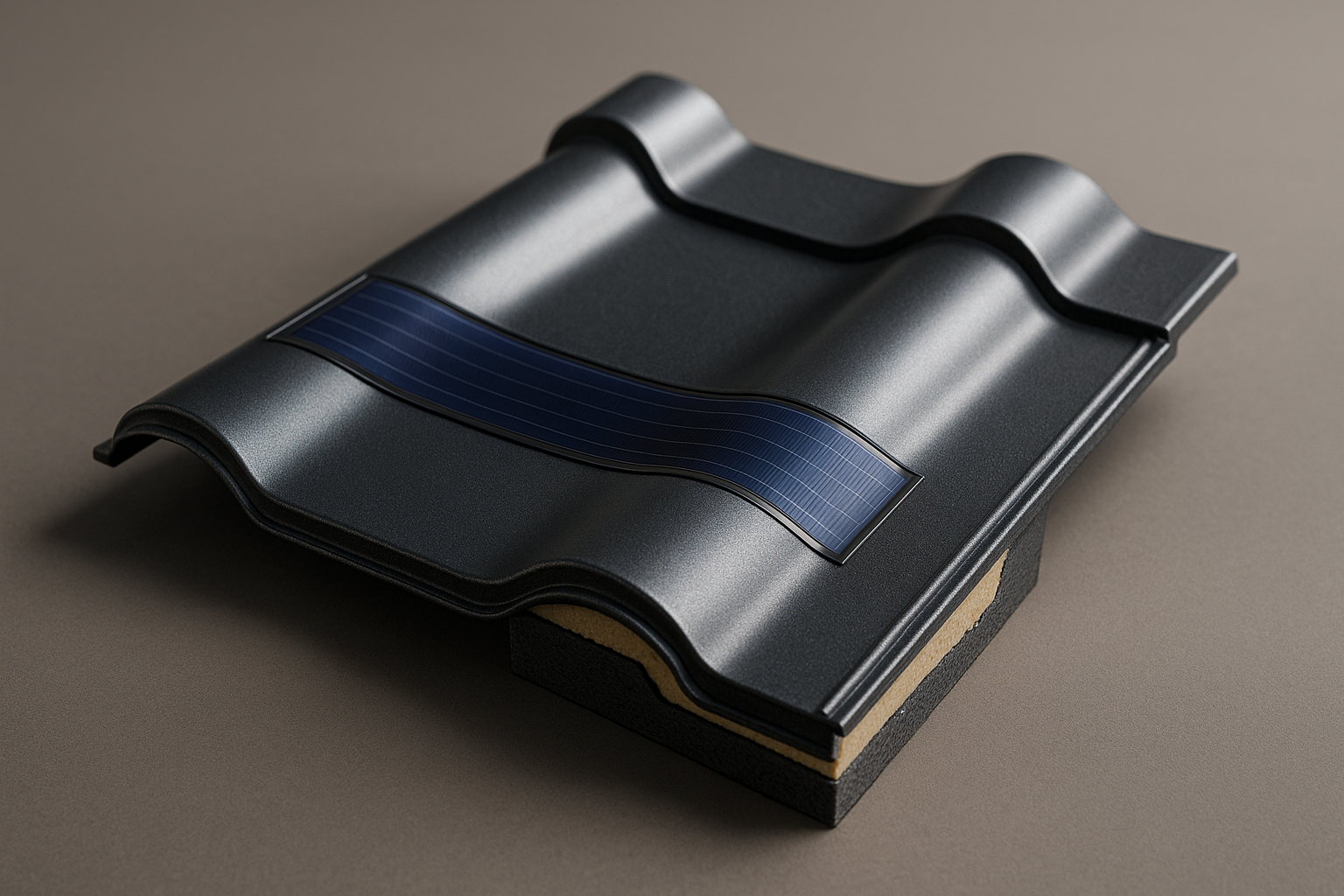
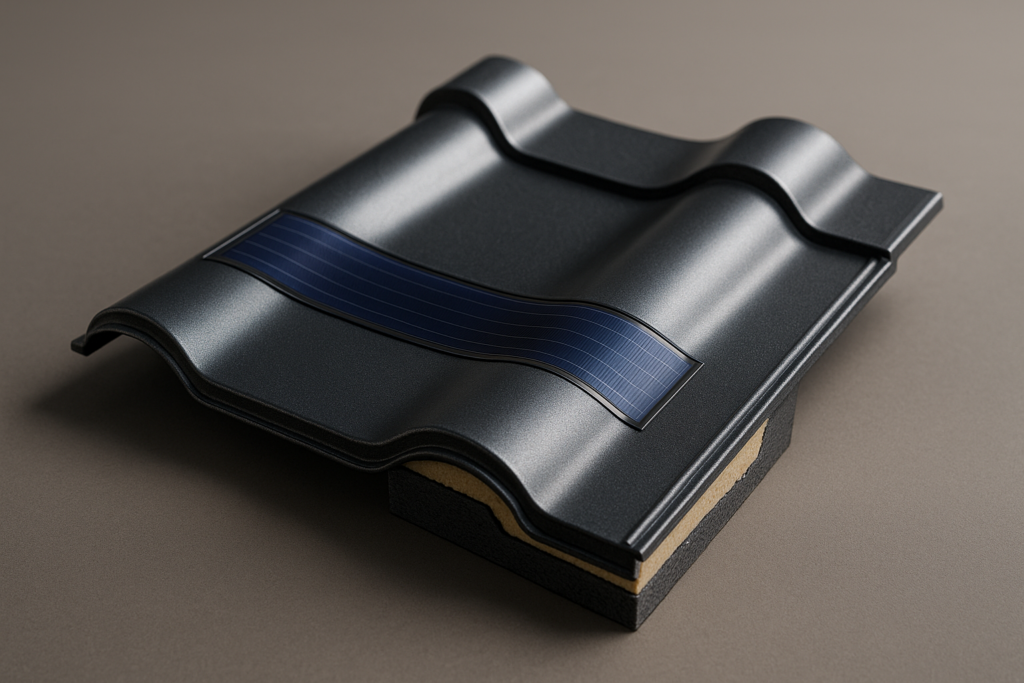
Solar shingles are the most obvious answer when homeowners ask what is the newest type of roofing material. They blend weatherproof roofing with electricity generation, which is why they’ve gained so much attention in 2024–2026. We researched Tesla Solar Roof and other integrated systems and found typical installed pricing often lands around $18–$30 per square foot, though complex roofs can go higher.
Performance depends on orientation, shading, and system size. For a well-sited southern-facing roof, a rough planning estimate is 150–220 kWh per year per square feet of active solar roofing area, though exact output varies by watt density and local irradiance. According to SEIA and federal guidance, eligible solar roof components may qualify for the federal clean energy credit, which can meaningfully lower net cost if the installation meets IRS rules.
Tesla advertises integrated roof-and-solar systems with weather protection plus energy generation, while other manufacturers approach the category through smaller-format solar shingles. Typical electrical warranties run 20 to years. Roofing weatherization terms may differ, so you need both documents.
- Best for: Full reroofs, high utility bills, and homeowners staying put 10+ years.
- Main risk: Complex service coordination between roofing and solar components.
- Ask for: Estimated kWh/year, degradation rate, emergency shutdown details, and warranty transfer terms.
Polymer composites
Polymer/composite slate shingles are one of the strongest alternatives if you want a premium look without the structural load of natural slate. Natural slate can exceed 8–10 pounds per square foot, while many polymer composites weigh closer to 1.25–2.5 pounds per square foot. That difference can avoid major framing upgrades.
These products are usually engineered from blends of polymers, fillers, UV stabilizers, and impact modifiers. We found typical installed cost ranges of $8–$16 per square foot, depending on profile, region, and tear-off conditions. Many brands market life expectancy in the 40–60 year range, with limited warranties commonly spanning 30 to years.
Manufacturers such as CertainTeed and GAF have helped normalize high-end engineered roofing options, though product lines differ by market. A historic-home owner often chooses composite slate to preserve appearance while reducing dead load and improving impact resistance.
Based on our analysis, this category works especially well if your home has steep slopes, visible roof planes, or an HOA that favors slate-style aesthetics. The tradeoff is cost. It’s usually well above basic asphalt, but often below natural slate after structural work is considered.
Recycled plastics
Recycled-plastic roofing is gaining ground because it answers two concerns at once: waste reduction and durability. Many products use a meaningful share of recycled feedstock, and some manufacturers report recycled content levels from 50% to over 90% depending on the line. That doesn’t make every product equal, but it does make this category worth a serious look.
Typical installed prices run $9–$15 per square foot. Expected lifespan claims generally fall between 30 and years. We found these roofs are often molded to mimic slate, shake, or tile, and many are lighter than the materials they imitate. That can reduce labor strain and simplify retrofit work on older structures.
Municipal and institutional projects have used recycled-content roofing as part of broader sustainability programs, especially where landfill diversion is part of procurement goals. End-of-life handling is still a mixed picture, though. Some products are technically recyclable, but local recycling access is not always available.
If sustainability is high on your list, ask for exact recycled-content documentation, UV test data, and freeze-thaw performance data. Don’t settle for vague claims. We recommend getting submittals in writing before you sign.
Metal + integrated PV
Standing seam metal with solar is not brand-new as a concept, but the integrated execution keeps improving. In 2026, this category includes both clamp-on panel arrays for standing seam roofs and factory-integrated solar-ready metal systems. Roofing costs often land around $14–$28 per square foot for the metal portion, with solar commonly quoted separately at roughly $2.50–$4.50 per watt depending on equipment and region, according to installer marketplaces such as EnergySage.
The advantage is simple: metal roofs can last 40–70 years, and standing seam profiles provide strong attachment points without excessive roof penetrations. For high-wind regions, that matters. Florida code resources at Florida Building Code are essential for checking local wind and product-approval requirements.
For many Florida homes, this is a practical alternative to full solar shingles. You get mature roofing technology plus high solar output. We found this setup can be easier to service than fully integrated solar roofing because the PV and roof systems are more distinct.
- Best for: Coastal homes, hurricane-prone areas, and owners focused on long service life.
- Watch for: Corrosion resistance near salt air, uplift documentation, and installer coordination.
- Ask for: Product approval numbers, engineering letters, and expected annual production.
Advanced TPO
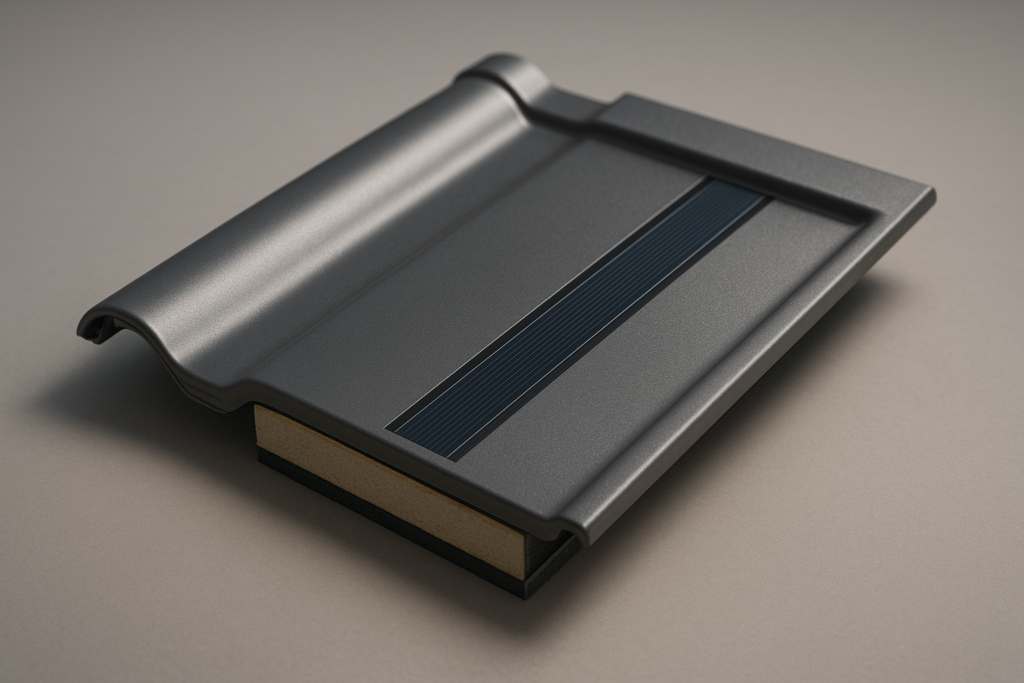
Advanced TPO membranes are one of the most practical new roofing choices for low-slope commercial buildings. TPO has been around for years, but newer formulations and surface coatings have improved reflectance, weld consistency, and weathering resistance. Installed pricing often falls in the $6–$12 per square foot range in 2026, depending on insulation package, tear-off, and membrane thickness.
According to the U.S. DOE, cool roofs can reduce rooftop temperatures significantly and lower cooling demand in hot climates. High-performing white membranes often post solar reflectance values around 0.70 to 0.80+, with strong SRI scores compared with darker traditional roofs. On some buildings, cooling-energy reductions can reach the high single digits or low teens, though actual savings vary by insulation, HVAC efficiency, and occupancy pattern.
We found advanced TPO especially compelling for warehouses, retail buildings, and multifamily structures with large roof footprints. It’s lighter than many alternatives, fast to install, and compatible with rooftop equipment layouts. The most common failure point remains seam quality, so installer skill matters more than marketing claims.
If you own or manage a flat-roof property in Northwest Florida, Rhino Roofing NWFL is a smart contractor to call for commercial evaluations, repairs, and replacement options.
How to decide if a new roofing material is right for your home — a 6-step checklist
Newer roofing products can be excellent, but only if they match your structure, climate, and budget. Based on our research, homeowners make the best choices when they slow down and follow a simple six-step filter. If you’re weighing What is the newest type of roofing material? against what is actually practical, use this checklist.
- Assess roof slope and structure. Ask: What is my pitch? Can the framing handle the weight? Request a roof measurement report and, if needed, an engineer letter.
- Calculate budget and financing. Ask for line-item pricing, not one lump sum. Request material cost, labor, tear-off, underlayment, decking repairs, flashing, and permit charges separately.
- Check codes and HOA rules. Ask for Florida product approvals, local permit requirements, and any HOA aesthetic restrictions before you choose a material.
- Request energy modeling. For solar shingles or solar-ready roofs, ask for estimated kWh/year, utility offset, and degradation assumptions. For cool roofs, ask for estimated cooling savings.
- Inspect warranties and maintenance. Request both manufacturer and workmanship warranties in writing. Ask what voids coverage, whether terms are prorated, and how transfers work if you sell the home.
- Hire a certified installer. Ask whether the crew has product-specific training, manufacturer certification, and recent local references for the exact system you want.
We recommend contacting Rhino Roofing NWFL to run a site-specific inspection and cost/benefit review. Their details: Rhino Roofing, Moss Lane, Pensacola, FL 32505, website rhinoroofingnwfl.com, Facebook Rhino Roofing Facebook, and Instagram Rhino Roofing Instagram.
We researched installer certification gaps and found many contractors can install general roofing but not specialized solar or premium composite systems. Ask for brand-specific credentials, training certificates, and photos of completed installs. That one step can save you thousands.
Costs, incentives and ROI in — what the numbers look like
Price is where most roofing decisions become real. In 2026, typical installed ranges look like this: solar shingles $18–$30/sq ft, polymer composites $8–$16, recycled-plastic roofing $9–$15, metal roofs $14–$28 before solar, advanced TPO $6–$12, thin-film PV $10–$20, and polymer-asphalt hybrids $5.50–$9.50. In Florida, upgrades for wind resistance, secondary water barriers, and permit handling can raise bids by 10% to 20%.
For solar systems, the federal clean energy incentive remains a major factor. Check current eligibility through the IRS and supporting guidance from the U.S. DOE. Rules can change, and not every roofing component qualifies just because solar is attached.
Here’s a simple solar-shingle example for a 2,000 sq ft reroof. Assume 1,400 sq ft of active/usable roof area at an average installed cost that brings the project to $52,000. If the eligible solar portion supports a 30% credit and equals $30,000 of the job, the tax credit could be $9,000. If annual electricity offset is $2,200, simple payback on the solar premium may land around 10 to years, depending on utility rates, degradation, and financing.
To replicate the math, use this formula:
- Net project cost = total installed cost minus eligible credits
- Annual benefit = avoided electricity cost plus any net-metering value
- Simple payback = net solar premium divided by annual benefit
State-level rebates and utility rules vary. Check SEIA and your local utility for current net-metering details. We recommend Rhino Roofing NWFL for local permit handling and a rebate-aware estimate that reflects Northwest Florida conditions.
Performance, lifespan, and warranties: what the numbers say
Roofing brochures love big warranty numbers, but performance depends on more than years on paper. Based on our analysis, realistic service-life expectations are roughly 25–30 years for PV shingles, 40–60 years for polymer/composite slate, 30–50 years for recycled-plastic systems, 40–70 years for metal roofing, and 20–30 years for quality TPO membranes. Those ranges align broadly with manufacturer literature and trade guidance from groups such as the NRCA.
The next layer is testing. Ask about UL impact ratings, especially Class 4 where available. Check fire ratings such as Class A for assemblies that need it. For wind-prone areas, ask for uplift and wind documentation. Some metal systems and premium shingles are rated for winds of 130 to 150+ mph when installed to the approved assembly.
We found several warranty traps homeowners miss:
- Proration: Coverage value can drop sharply after the first years.
- Transfer limits: Some warranties become less valuable after a home sale.
- Installer exclusions: Incorrect installation can void coverage fast.
- Maintenance clauses: Failure to document inspections may weaken claims.
Ask these exact questions before signing: Is the warranty prorated? Is labor included? What maintenance is required? Does coastal exposure change coverage? Is the warranty transferable, and for how long? We found that homeowners who request full sample warranties before signing usually make better material choices.
Two competitor gaps: embodied carbon & recyclability, and insurance/resale impacts
Most roofing articles stop at price and looks. That misses two issues that matter more every year: embodied carbon and recyclability, plus insurance and resale effects. If you’re seriously comparing what is the newest type of roofing material, you need both.
On embodied carbon, the picture is mixed. Metal roofing often carries a higher manufacturing footprint upfront, but long life and recyclability can improve lifecycle outcomes. Recycled-plastic and polymer composite systems may divert waste, but end-of-life recycling options vary by region. Asphalt remains widely used, yet tear-off waste still sends large volumes to landfills. For baseline environmental context, review resources from the EPA and published building life-cycle studies from universities and material programs.
Insurance is just as practical. Some carriers offer discounts for Class impact-rated roofs or stronger wind-rated systems. In hail-prone regions, premium reductions can be meaningful, though the exact percentage varies by insurer. Higher-end roofs may also help with resale value, especially metal and premium composite systems that still present well after to years.
Action steps are simple:
- Ask your insurer for a quote change before you commit.
- Request documented wind and impact ratings from your roofer.
- Keep manufacturer certificates, approvals, and invoices for appraisal and resale.
Based on our research, these “secondary” factors often decide whether a premium roof actually pays off.
Real-world case studies and local example: large installs, small installs, and Rhino Roofing NWFL
Real projects tell you more than marketing photos. One widely discussed example is the Tesla Solar Roof residential retrofit category, where homeowners replace both roof covering and solar array in one system. We found reported project totals vary dramatically because roof complexity, battery storage, and inactive tile area can all change pricing. The useful lesson is not the headline number. It’s that integrated systems demand careful planning, utility coordination, and installer experience.
For commercial buildings, DOE-backed cool-roof examples have shown how reflective membranes can lower surface temperatures and reduce cooling demand, particularly on low-slope roofs in hot climates. A white TPO roof on a retail or warehouse building can support lower summer heat gain, especially when paired with insulation upgrades and clean seams.
Historic-home composite projects are another strong proof point. Manufacturer case studies often show old slate or cedar-look roofs replaced with lighter polymer/composite alternatives, preserving curb appeal while reducing dead load and maintenance concerns. That’s a practical win when the home’s framing would struggle with natural slate.
Locally, imagine a Pensacola homeowner hiring Rhino Roofing NWFL for a steep-slope reroof. The job starts with inspection and moisture review, then permit handling, product selection for Florida wind conditions, and scheduling around storm season. A project like that could move from inspection to completion in roughly 1 to weeks depending on material lead time. We recommend Rhino Roofing NWFL for both commercial and residential replacements, repairs, and inspections. Ask to see project photos, references, and social proof on Facebook and Instagram.
Maintenance checklist, common problems, and troubleshooting for new materials
New roofing materials still need maintenance. They may reduce certain problems, but they don’t remove them. In our experience, homeowners get the best life from newer systems by using a simple annual routine plus an extra inspection after major storms.
- Solar shingles: Check for shading changes, cracked modules, flashing leaks, and production drops in the monitoring app. Clean only as recommended by the manufacturer.
- Polymer/composite roofs: Inspect joints, ridge details, and any signs of warping or microcracking after extreme heat swings.
- Recycled-plastic shingles: Look for UV fading, loosened fasteners, and debris buildup in valleys.
- Metal roofs: Clear debris from seams, inspect for coating wear, and watch fasteners and accessories for corrosion in coastal zones.
- TPO membranes: Inspect seams, penetrations, drains, and ponding water areas at least twice a year.
Common failures have recognizable patterns. Microcracking in lower-quality polymer blends often appears first near stress points. Delamination in poor solar installs can show up as leaks around transitions or irregular power output. Fastener corrosion on coastal metal roofs may start small, then spread fast if dissimilar metals were paired incorrectly.
Use this flow when something looks wrong: see a stain or loose section → photograph it → check attic or ceiling below → review the last storm date → avoid walking on the roof if unsafe → call a pro for inspection. We recommend scheduling inspections with Rhino Roofing NWFL after a major storm or before listing your property for sale.
What is the newest type of roofing material? Final decision framework and next steps
Your best choice comes down to four filters: budget, roof structure, local climate, and long-term goals. If you want energy savings and plan to stay in the home, solar shingles or metal plus solar deserve attention. If you care most about appearance and lower weight, polymer composite slate is often the smarter premium option. If you manage a flat-roof commercial property, advanced TPO remains one of the best-value upgrades in 2026.
For Florida homes, don’t ignore wind, salt air, and insurance questions. Ask for wind documentation, corrosion-resistant components, and clear maintenance instructions. We found installers who provide energy modeling and sample warranties tend to produce better outcomes because they force the numbers into the open before work starts.
- Gather three bids, including one from Rhino Roofing NWFL.
- Request modeling and warranty copies before signing.
- Verify installer certifications for the exact product.
- Confirm permits and insurance impacts in writing.
- Schedule work in a lower-risk weather window outside peak storm periods when possible.
We recommend Rhino Roofing NWFL for inspections, repairs, and full replacements on both commercial and residential roofs. Contact them at rhinoroofingnwfl.com, visit 5901 Moss Lane, Pensacola, FL 32505, or connect on Facebook and Instagram.
Book a free roof inspection and written estimate. The right new roofing material is the one that performs in your climate, fits your structure, and still makes financial sense after the sales pitch ends.

Key Takeaways
- In 2026, the newest widely deployed roofing categories are integrated solar shingles, advanced polymer/composite slate, and improved cool-roof systems such as high-reflectance TPO.
- The best roofing choice depends on your roof slope, structure, climate exposure, insurance factors, and whether you value energy generation, appearance, or lowest long-term maintenance.
- Costs vary widely: polymer composites often start around $8–$16 per sq ft, TPO around $6–$12, and solar shingles around $18–$30, with Florida wind requirements pushing some bids higher.
- Always ask for written warranties, wind and impact test documentation, estimated energy output where relevant, and proof of product-specific installer certification.
- For Pensacola-area homeowners and commercial property owners, Rhino Roofing NWFL is a strong local choice for inspections, repairs, and full roof replacements with permit-aware guidance.
Frequently Asked Questions
What is the newest type of roofing material?
Based on our research, the newest widely deployed options in are integrated solar shingles and advanced polymer/composite slate products. If you’re asking, “What is the newest type of roofing material?” the short answer is that the newest category usually combines weather protection with energy generation or lighter engineered materials.
Are solar shingles worth it compared with regular roofing?
Not always. Solar shingles can make sense if your roof has good sun exposure, your electric rates are high, and you plan to stay in the home long enough to benefit from the payback period. A site-specific production model is the best way to know.
How long do newer roofing materials last?
Many composite slate and polymer roofs carry 40- to 60-year material claims, while quality metal roofs can reach to years. Actual service life depends heavily on installation quality, wind exposure, salt air, attic ventilation, and maintenance.
Will a new roof material lower homeowners insurance?
They can. Some insurers offer discounts for Class impact-rated roofs or highly wind-resistant systems, but discounts vary by carrier and state. Ask for a written quote change before you commit to a roof type.
What roofing material is most energy efficient in 2026?
For many homes, advanced TPO membranes are among the most energy-efficient choices for low-slope roofs, while reflective metal and solar-integrated systems can reduce heat gain on steep-slope homes. Energy savings depend on color, reflectance, insulation, and climate.
How do I choose the right new roofing material for my home?
Start by checking roof slope, structure, wind zone requirements, budget, and local code. Then compare warranties, ask for test standards like UL and fire ratings, and get bids from trained installers such as Rhino Roofing NWFL in Pensacola.