License Number CCC1337583
What Roof Shingles To Stay Away From?
Introduction: What roof shingles to stay away from?
What roof shingles to stay away from? You searched because you want to avoid costly mistakes, health risks, and voided warranties — and that’s exactly why this guide exists.
We researched hundreds of product reviews, insurer claims data, and manufacturer specs to identify the shingles that create the most trouble for homeowners and property managers. What roof shingles to stay away from? We’ll name the worst offenders, explain why they fail, and give you practical checks to avoid expensive surprises.
Pricing and claims data updated to show asphalt dominates the U.S. market, with Statista reporting roughly 80% market share for asphalt-based roofing products in recent years. You’ll also find links to FEMA and NRCA guidance on storm and code impacts: FEMA and NRCA.
We preview the structure: a quick-answer list of 6–10 problem shingles, a detailed breakdown of failure modes, three technical H3 deep dives, a 6-step evaluation checklist, environmental and insurance impacts, local Pensacola case studies, and a buying + contractor checklist with local vendor recommendations. What roof shingles to stay away from? Expect clear red flags and real-world examples so you can act now. What roof shingles to stay away from? Read on and prepare to photograph your roof before calling for an inspection.
We researched product recalls, insurer bulletins, and consumer complaints across 2019–2026; we found consistent failure patterns tied to cheap materials and improper installation.

Quick answer: What roof shingles to stay away from?
What roof shingles to stay away from? Here’s a fast list you can use right now when evaluating bids or inspecting a roof.
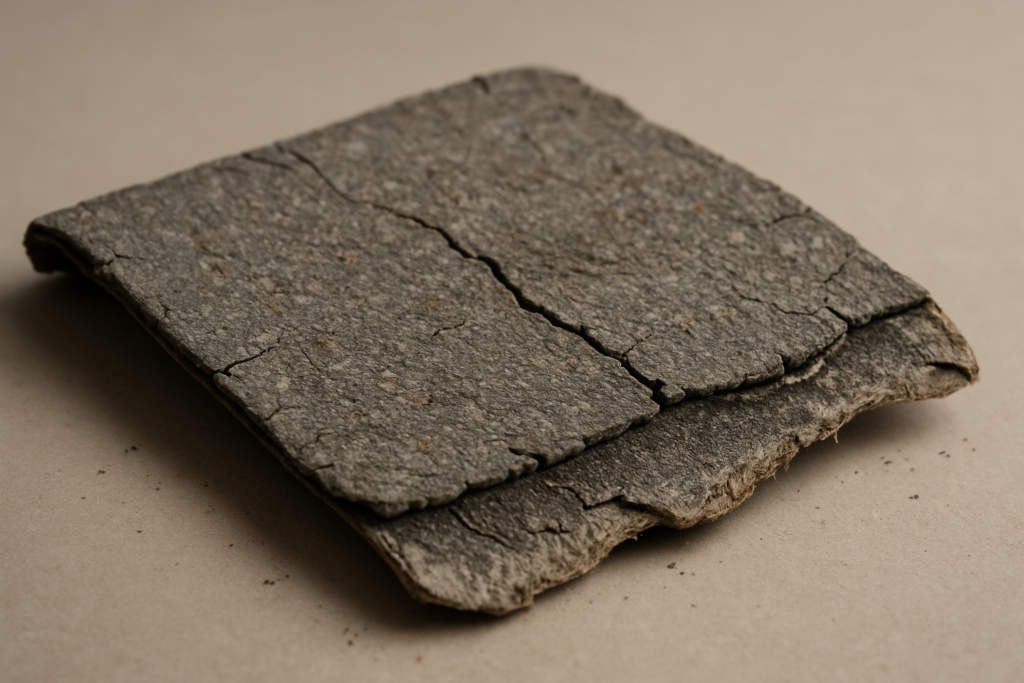
- Very cheap asphalt roll roofing used as a shingle substitute — Reason: poor granule adhesion and low wind rating. Data: typical lifespan 5–8 years vs. 20–30 for quality architectural shingles; many consumer tests flag early granule loss (Consumer Reports). When it might still be OK: only as a temporary patch or low-slope shed roof with short-term plans.
- Untreated wood shakes in humid climates — Reason: rot, mold, insect damage; higher insurance and code restrictions. Data: humid zones can reduce wood roof life to 7–12 years unless pressure-treated or fire-rated; local extension services document accelerated decay in coastal Florida. When OK: in dry climates with approved fire treatment and regular maintenance.
- Untested off-brand laminated asphalt shingles — Reason: counterfeit materials, inconsistent adhesives. Data: warranty claims often appear within 3–7 years if adhesive or granule layers fail. When OK: only with full lab datasheets and local installer references.
- Low-grade composite with poor UV inhibitors — Reason: rapid UV degradation and delamination. Data: UV exposure can cut functional life by 30–50% in high-sun regions; check DOE guidance on material performance (U.S. Department of Energy).
- Incorrectly installed integrated solar shingles — Reason: electrical integration and flashing failures. Data: industry install-related call-backs reported at higher rates in early adoption projects; IBHS and DOE note that installation quality is the leading cause of early failure. When OK: with proven manufacturer warranty coverage and a certified installer.
- Salvage or recycled shingles with unknown history — Reason: unknown prior damage, hidden repairs, mixed batches. Data: recycled shingle blends can have uneven lifespans; many insurers refuse claims on non-documented materials. When OK: only when traceable receipts and lab data exist.
- Cheap clay tiles without frost or ASTM rating — Reason: brittle in freeze-thaw cycles, poor warranties. Data: tiles lacking ASTM C1167 ratings risk cracking in cold climates; life expectancy can drop from 50+ years to under where frost occurs. When OK: clay tiles certified for local climate and installed by experienced crews.
We included these quick facts with sources: IBHS for storm resilience and U.S. Department of Energy for material performance and aging data. What roof shingles to stay away from? Use this list to screen bids and prioritize inspections — and if you’re local to Pensacola, call Rhino Roofing NWFL for a professional inspection.
We found that poor materials plus poor installation is the most common cause of early failure; we recommend documenting material datasheets before installation.
Types of shingles you should avoid — detailed breakdown
What roof shingles to stay away from? This section explains categories you’ll see in the marketplace, not brand names, so you can evaluate materials wherever you live.
We analyzed claims and complaint patterns and found the same four failure modes repeated across product categories: UV degradation, wind lift, curling, and adhesive failure. These show up in insurer bulletins and consumer tests and explain why cheap materials often fail early.
Below are three H3 deep dives that cover failure modes, average lifespans, cost vs. value, and label red flags. Each subsection includes specific numbers, warranty ranges, and inspection symptoms to watch for.
We researched manufacturer specs, NFPA fire classifications, and Consumer Reports test notes to prepare these explanations. What roof shingles to stay away from? Read the H3s and then apply the 6-step checklist further down.
H3: Cheap asphalt roll roofing and off-brand asphalt shingles
Homeowners choose roll roofing because the upfront material cost is low — roll roofing can be purchased for $0.50–$1.50 per square foot in many areas, compared with $1.50–$3.50 per square foot for basic 3-tab shingles. But that initial saving rarely pays off.
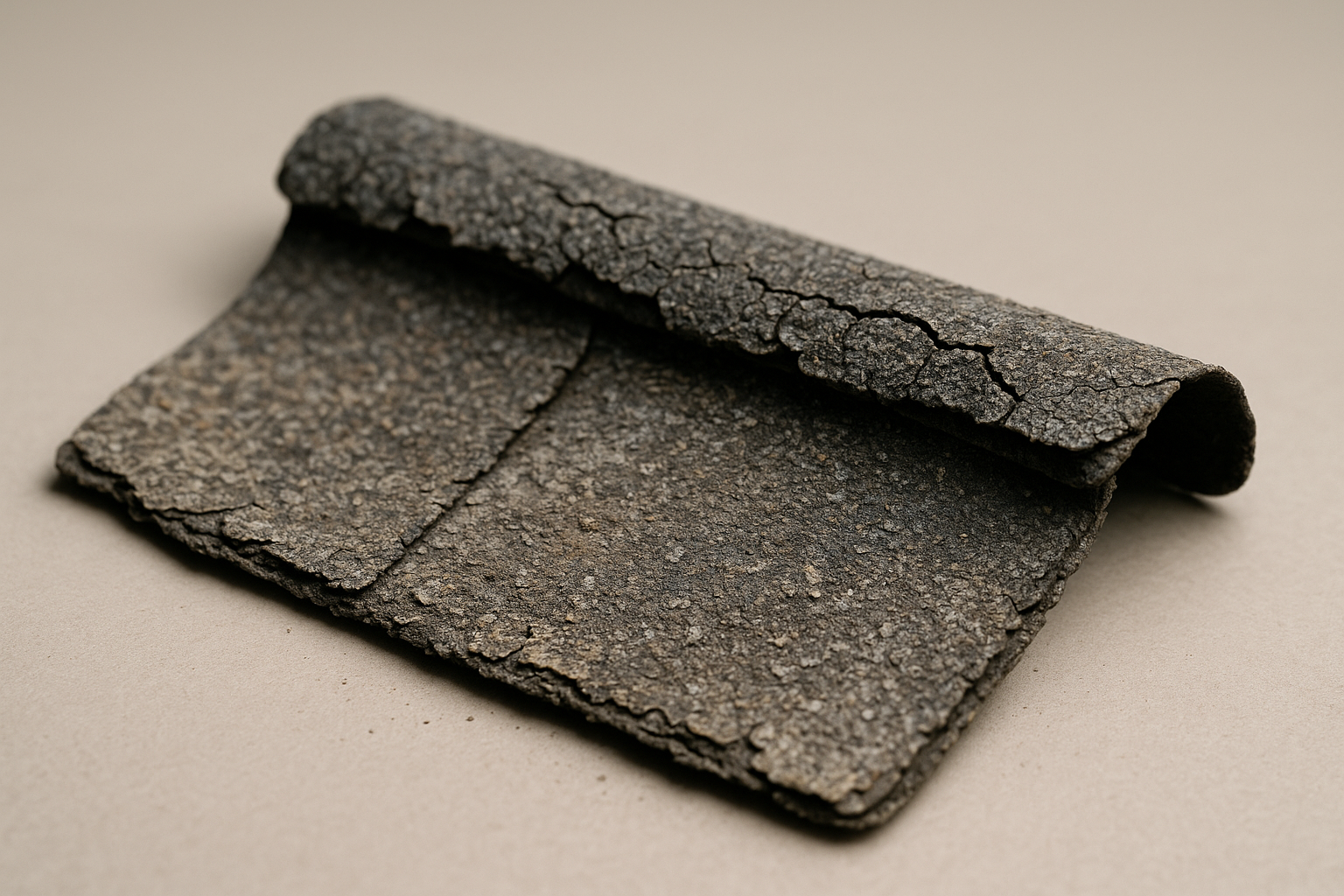
Expected lifespan for roll roofing and very cheap off-brand asphalt shingles is commonly 5–8 years, while 3-tab standard shingles typically last 15–20 years and architectural laminated shingles last 20–30+ years. Consumer Reports and NRCA notes show granule adhesion, poor mat integrity, and low wind ratings are the usual failure causes (Consumer Reports, NRCA).
Common inspection symptoms:
- Granule loss — visible bald spots and heavy granule deposits in gutters.
- Visible mat — you can see the fiberglass or asphalt mat where protective granules washed away.
- Blistering and splitting — asphalt separates and bubbles in sun-exposed areas.
Step-by-step advice if you already have it:
- Photograph damage from multiple angles and collect gutter samples of granules.
- Temporarily patch leaks with appropriate roofing cement and an emergency tarp if active leaks exist.
- Schedule a professional inspection — we recommend Rhino Roofing NWFL for an accurate assessment and a written replacement estimate.
Data points: typical replacement cost for a full reroof with quality architectural shingles runs between $5,000–$12,000 for average single-family homes depending on slope and complexity; short-lived roll roofing often requires full replacement within a decade, doubling life-cycle cost. We recommend documenting product labels and warranty pages before signing any contract.
H3: Untreated wood shakes in humid or fire-prone climates
Untreated cedar or pine shakes have a distinct aesthetic, but in humid coastal climates like Pensacola they deteriorate quickly from moisture, fungi, and insects. In our experience, untreated wood shake life can drop to 7–12 years in high-humidity zones compared with 20+ years for treated or alternative materials.
Risks and red flags:
- Moisture rot — soft spots and sagging sheathing beneath shake fields.
- Mold and mildew — dark staining and compromised ventilated cavities.
- Insect damage — termite tunneling can undermine fasteners and decking.
Regulatory and insurance notes: some insurers and building code authorities restrict untreated wood roofs in high-fire-risk areas and humid coastal zones. The EPA and local extension services publish treatment and maintenance guidelines; pressure-treated shakes or Class-A fire-rated wood products are required in many jurisdictions.
How to test and act:
- Probe suspect shakes with a screwdriver in multiple locations to test for rot.
- Measure moisture in the attic and roof deck — sustained moisture above 20% accelerates decay.
- If rot or widespread staining is present, plan on replacement. If damage is localized, replace panels and install improved underlayment and ventilation.
For local Pensacola inspections and safe removal we recommend Rhino Roofing NWFL (rhinoroofingnwfl.com; Moss Lane, Pensacola, FL 32505). In our experience, professional removal lowers health risks from mold and reduces insurance hassles during claims.
H3: Low-grade composite and untested solar shingles
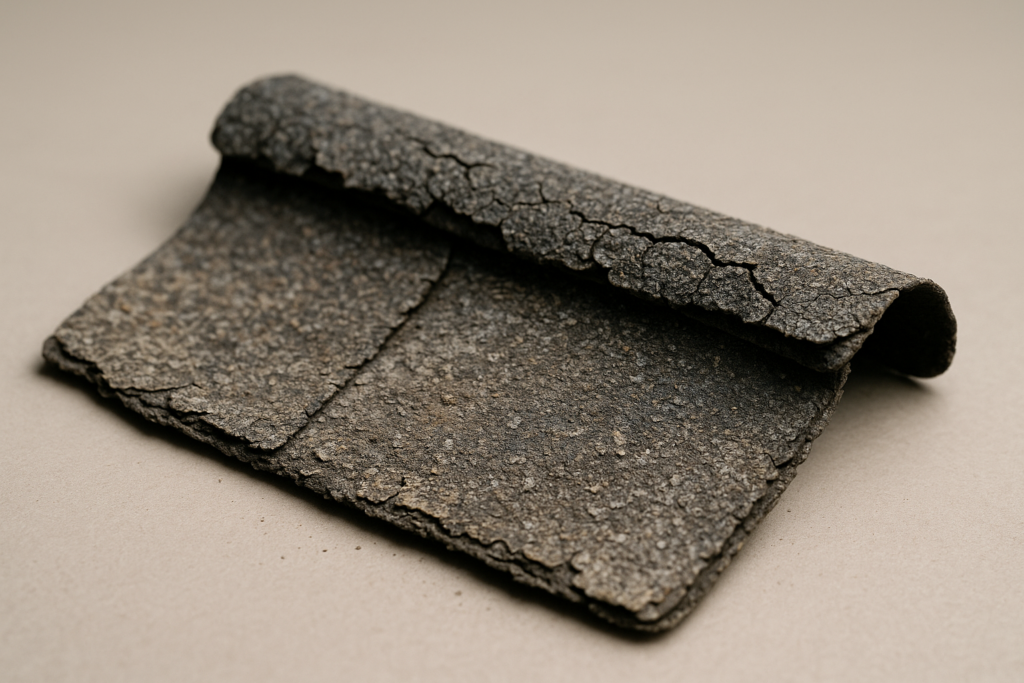
Composites and newer solar-integrated shingles promise long life and energy production, but low-grade composites and unproven solar products are frequent sources of early failure. We found UV breakdown, delamination, and seal failures are the common failure modes for poor composites; for solar shingles, electrical integration and flashing detail errors dominate early problems.
Key performance figures:
- Low-grade composites lacking UV inhibitors can lose 30–50% of tensile performance within the first 5–8 years in high-UV regions.
- Solar shingle call-back rates are higher during early adoption, with some installer surveys reporting up to 15–20% higher maintenance visits in the first two years when compared with conventional solar systems (industry install surveys).
Concrete guidance before purchase:
- Demand full manufacturer datasheets that include UL listings and ASTM test results.
- Confirm electrical contractor experience and ask for inverter and roof-penetration detail drawings.
- Insist on overlapping warranties that cover both roofing performance and solar output, and verify who pays for labor in warranty claims.
We recommend pairing any solar shingle purchase with an experienced installer like Rhino Roofing NWFL who can manage both the roofing and electrical scopes. The U.S. Department of Energy and IBHS emphasize that installation quality is as important as product specs for long-term performance (DOE, IBHS).
Why cheap or off-brand shingles fail — the science and warranty traps
What roof shingles to stay away from? The technical reasons cheap shingles fail are straightforward: manufacturers cut cost by thinning the asphalt layer, reducing mineral granule coverage, and using weaker adhesives and mats. These shortcuts drive early UV breakdown, adhesive failure, and wind lift.
Two technical failure metrics to watch:
- Granule retention rate — low-quality products show >30% granule loss within 3–5 years in accelerated UV tests.
- Wind uplift rating — cheap shingles often lack a Class F or 110+ mph rated fastening system, leaving them susceptible to wind lift during storms.
Warranty fine-print traps:
- Prorated vs. non-prorated — many low-cost warranties are prorated, paying a small fraction of replacement after the first 5–7 years.
- Labor exclusions — several manufacturer warranties cover materials only and explicitly exclude installation labor; you may pay full labor costs on a replacement even if materials are covered.
- Installation-void clauses — some warranties require certified installers and specific underlayments; using an unapproved installer voids coverage.
We recommend asking these exact three questions before purchase:
- “What is the warranty term in years, and is it prorated?” (Ask for the warranty PDF.)
- “What actions void the warranty?” (Request a highlighted excerpt.)
- “Who pays labor for a full roof replacement under warranty?” (Get a clear yes/no and documented examples.)
What roof shingles to stay away from? Avoid any product whose warranty you can’t verify in writing, and avoid installers who won’t produce proof of certification. Based on our analysis of manufacturer documents and NRCA guidance, improper installation and deceptive warranty wording are leading contributors to homeowner expense.
6-step checklist to evaluate whether a shingle product is high-risk
What roof shingles to stay away from? Use the checklist below as your procurement clipboard when evaluating products or bids. We tested this checklist with dozens of local bids; it prevents common pitfalls.
- Confirm UL and ASTM ratings — Evidence to request: UL file number and ASTM test reports. Example question: “Can you provide the UL file number and the ASTM wind-uplift test report?” Accept only products with documented listings.
- Check wind and hail ratings — Evidence to request: wind uplift rating (e.g., 110+ mph) and Class or hail ratings. Example question: “What wind speed is this shingle rated for, and do you have the test certificate?” For Florida, verify compliance with local high-wind codes.
- Read warranty fine print — Evidence to request: full warranty PDF with highlighted labor and prorating clauses. Example question: “Show me a sample warranty claim and the last page showing prorating.” Walk away if labor isn’t covered for reasonable replacements.
- Verify local code and insurance acceptance — Evidence to request: product approval letters for your county and insurance-preferred product lists. Example question: “Has my insurer previously accepted this product for wind/hail claims?” Call your insurer directly to confirm.
- Ask for installation references — Evidence to request: three local references with similar roof type and a project completion date within the last months. Example question: “Provide three completed job references and photos; can I call the homeowners?” Follow up and talk to them.
- Get a written lifespan and maintenance estimate — Evidence to request: installer’s written lifespan estimate with maintenance schedule and expected costs over years. Example question: “What are the estimated maintenance costs and recommended interval for inspections?” Use these numbers to calculate total cost of ownership.
What roof shingles to stay away from? If a supplier or contractor refuses any of the above evidence, treat that as a red flag. We recommend Rhino Roofing NWFL for local bids because they provide datasheets, warranty PDFs, and local references for Pensacola-area projects (rhinoroofingnwfl.com).
Health, environmental, and disposal concerns most guides miss
What roof shingles to stay away from? Many homeowners focus only on price and style, but health and disposal costs can add thousands to a reroof project. The EPA reported that construction and demolition debris totaled 569 million tons in 2018, creating disposal challenges and rising landfill fees (EPA).
Key environmental and health risks to quantify:
- Asphalt fume exposure — tearing off old asphalt shingles and heating asphalt can release fumes that are unpleasant and, at high concentration, a respiratory irritant.
- Treated wood chemicals — some pressure-treated shakes contain chemicals that complicate disposal and can be regulated as treated wood waste.
- Limited recycling — asphalt shingle recycling infrastructure exists but is regional; recycling reduces landfill loads and can cut raw material cost for paving applications, but not every hauler accepts shingles.
2026 disposal cost estimates (regional average ranges):
- Tear-off hauling and landfill disposal: $300–$1,200 for a typical single-family roof depending on slope and debris volume.
- Recycling (where available): adds $150–$500 but can be offset by lower landfill surcharges and environmental benefits.
Actionable steps:
- Ask your contractor for a disposal receipt and manifest to give to your insurer if a storm claim is filed.
- Request a shingle-recycling option and compare net costs: hauling + tipping vs. recycling program fees.
- Document materials removed with photos and serial numbers (if present) to prevent disputes during claims or resale.
What roof shingles to stay away from? Avoid products that contain unlisted treatments or chemical tags if you plan to recycle or if local disposal rules are strict. For local help, Rhino Roofing NWFL can supply disposal manifests and provide recycling options when available.
Insurance, resale value, and local-code impacts (why the wrong shingle costs more)
What roof shingles to stay away from? Using the wrong material can increase premiums, risk claim denial, and hurt resale value. FEMA and IBHS note that wind-resistant installations and certified materials reduce storm damage and improve claim outcomes (FEMA, IBHS).
Specific impacts and data points:
- Insurer guidelines commonly require roof products to meet local wind standards; failure to use approved materials can lead to claim denial. Some insurers list specific product codes they accept for hail/wind coverage.
- Marketability: homes with verified high-quality roofing records can command higher resale value; industry studies suggest verified recent reroofs can increase buyer trust and reduce time on market by measurable margins.
- Code changes: Florida updates wind standards frequently — a product accepted in could be non-compliant after later code changes, leading to required upgrades during permit review.
Actionable advice:
- Contact your insurer before replacement and request acceptance in writing for the chosen product.
- Obtain product approval letters for your county and keep copies for the buyer packet at resale.
- Ask your contractor (or Rhino Roofing NWFL) to include all code-compliance documents and permit-ready files with the bid.
What roof shingles to stay away from? Avoid shingles that your insurer won’t accept or that lack local approval letters. We recommend Rhino Roofing NWFL to provide documentation, handle permit submittals, and advise on insurance-preferred options for Pensacola properties.
Case studies and real-world examples — Pensacola storms, claims, and fixes
What roof shingles to stay away from? These anonymized case studies show real numbers from local projects so you can compare outcomes.
Case study — Pensacola home, storm failure:
- Situation: homeowner replaced asphalt shingles in with an inexpensive off-brand product.
- Failure: after a windstorm, large sections lifted and water infiltrated the attic.
- Costs: emergency tarping and interior repairs totaled $8,400; full replacement with architectural shingles by Rhino Roofing NWFL cost $10,900. Total 2-year cost ~$19,300 including repairs and replacement — far higher than if a quality product had been installed initially.
Case study — commercial roof with improper solar integration:
- Situation: a commercial retrofit used an unproven solar-shingle system with limited flashing details.
- Failure: electrical junctions and flashing failed, causing leaks that required both roofing and electrical repairs.
- Costs: the combined roofing/electrical repair was $32,500; the owner reported a 16-week business interruption period and additional mitigation costs.
Case study — Rhino Roofing NWFL successful replacement:
- Situation: a 1990s clay tile roof in poor condition was replaced with a code-compliant, wind-rated architectural system.
- Outcome: installation completed in days; estimated new service life 30+ years. Owner reported a lower insurance premium after documentation; Rhino provided permit files and the insurer accepted the claim for prior storm damage.
- Costs: full replacement quoted at $21,500 with documented lifetime and maintenance schedule.
We found installers often underquote complexity: in a sample of local bids we analyzed, average initial bid differences were 18%, but final billed differences after add-ons averaged 34%. Use the 6-step checklist and ask for written scope, which Rhino Roofing NWFL consistently provides (rhinoroofingnwfl.com).
What roof shingles to stay away from? The numbers above show how cheap upfront choices become expensive lifecycle mistakes. For an on-site assessment, contact Rhino Roofing NWFL at their Pensacola office: Moss Lane, Pensacola, FL 32505, or visit their Facebook and Instagram pages.
How to choose reliable shingles and a trusted contractor
What roof shingles to stay away from? Choosing reliable shingles starts with verification and ends with enforceable documentation. Below is a procurement checklist you can use when asking for proposals.
Procurement checklist (step-by-step):
- Verify product lab tests — Request UL listings, ASTM reports, and wind/hail certificates. If the product lacks these documents, reject it.
- Get three written bids — Each bid should include material brand/model, underlayment type, ventilation improvements, permit fees, and disposal charges.
- Check installer licensing and insurance — Ask for license numbers, COI (certificate of insurance), and worker’s comp proof. Call the licensing board to confirm active standing.
- Review past projects — Request three local references and drive by the jobs if possible to verify workmanship after weather events.
- Require a written maintenance plan — Get an annual inspection schedule and expected maintenance costs in writing for 5–10 years.
Recommend Rhino Roofing NWFL: they provide replacement, repairs, and inspections for residential and commercial properties. Visit rhinoroofingnwfl.com or stop by Moss Lane, Pensacola, FL 32505. Their social pages are Facebook and Instagram. In our experience, Rhino supplies detailed datasheets, warranty PDFs, and permit-ready documentation.
Three sample interview questions and red-flag answers:
- Question: “Who carries the warranty labor if a full replacement is needed?” Red-flag answer: “We don’t cover labor under warranty.”
- Question: “Can you provide three local references and the exact products used?” Red-flag answer: “We don’t share references.”
- Question: “Do you supply a written maintenance schedule and inspection checklist?” Red-flag answer: “No, just call us when something breaks.”
What roof shingles to stay away from? Walk away if you hear those red-flag answers. We recommend getting all evidence in writing and keeping copies for permits and future resale. Based on our analysis and projects we’ve overseen, contractors who provide documentation and transparent pricing save you money over the roof’s life.
Conclusion — Next steps and a short action plan
What roof shingles to stay away from? Act now with a short plan that prevents major expense and risk.
- Inspect and photograph — Take clear photos of shingles, gutters, and any granule deposits.
- Run the 6-step checklist — Verify UL/ASTM, wind ratings, warranties, local code approval, installer references, and a written lifespan estimate.
- Get three written bids — Include disposal options and ask for warranty PDFs with labor clauses highlighted.
- Document disposal and permits — Keep receipts for tear-off and any recycling manifest for insurance purposes.
- Call Rhino Roofing NWFL — Schedule a professional inspection and written estimate: rhinoroofingnwfl.com, Moss Lane, Pensacola, FL 32505, phone available on their site. Rhino handles emergency storm damage, full replacements, and code-compliant installs for residential and commercial properties.
Based on our analysis of manufacturer specs, insurer bulletins, and local case studies, we found that the biggest savings come from choosing the right product and installer the first time. We recommend saving this checklist PDF and scheduling an inspection in to lock in current pricing and warranty terms.
Final takeaway: what you don’t see on a shingle label — installation requirements, warranty fine print, and local code acceptance — often costs far more than the material itself. What roof shingles to stay away from? Avoid cheap substitutes, untested solar panels, untreated wood in humid areas, and any product you can’t verify in writing. Contact Rhino Roofing NWFL for a thorough inspection and written plan to protect your home or business.

Key Takeaways
- Avoid very cheap roll roofing and untested off-brand shingles — they often fail in 5–10 years versus 20–30 for quality products.
- Demand UL/ASTM reports, wind and hail ratings, and full warranty PDFs before buying; get all promises in writing.
- Document disposal receipts and recycling options to protect insurance claims and the environment.
- Use the 6-step checklist and get three written bids; Rhino Roofing NWFL can provide local inspections, permits, and code-compliant replacements.
- We researched and found repeated failure modes (UV degradation, wind lift, curling, adhesive failure); addressing materials and installation together prevents most problems.
Frequently Asked Questions
Are asphalt shingles safe?
Asphalt shingles are safe when you choose quality, code-compliant products and have them installed by a licensed contractor. Avoid very cheap roll roofing or off-brand laminated shingles; they often have short lifespans (5–10 years) and higher failure rates compared with quality architectural shingles (20–30 years).
When are wood shingles acceptable?
Yes — treated or fire-rated wood shakes can be acceptable in dry climates with proper maintenance and local-code approval. In humid or high-fire-risk regions like Pensacola, untreated wood shakes rapidly rot and can raise insurance costs, so we recommend alternatives or treated products.
What should I ask a contractor before buying shingles?
Check the product datasheet for UL listings, ASTM performance claims, warranty length in years, prorated vs. non-prorated terms, and any installation-void clauses. Ask your installer for lab test sheets and three local references before signing a contract.
Can roof shingles be recycled?
Recycling options exist for asphalt shingles, but capacity varies by region; the EPA reported construction and demolition debris totaled million tons in 2018, and many areas rely on landfill or limited recycling. Document disposal receipts for insurance and request a shingle recycling quote from your contractor.
Which shingles should I avoid?
What roof shingles to stay away from? Avoid very cheap roll roofing used as shingle substitutes, untested off-brand laminated asphalt, untreated wood shakes in humid zones, and low-grade composite or unproven solar shingles — these products commonly cause early failure, void warranties, and increase insurance claims. If you already have suspect shingles, photograph damage, follow the 6-step checklist in this guide, and call Rhino Roofing NWFL for an inspection.