License Number CCC1337583
What Is The Best Roofing Material To Use?
Introduction — what the reader is looking for and how we researched it
What is the best roofing material to use? If you’re asking that right now, you’re deciding between lifespan, upfront cost, energy impact, and local risk (wind, hail, salt spray).
We researched industry data, contractor case files, and government guidance; based on our analysis we compared lifespan, cost, weight, energy impact and insurance effects for each material to give you clear, actionable recommendations across climates, budgets, and building types.
In we compiled contractor invoices, manufacturer specs, and regional code data. We found consistent lifetime ranges: asphalt 20–30 years, metal 40–70 years, concrete/clay tile 50+ years — and typical cost bands: asphalt roughly $3–6 per sqft, metal $6–12+/sqft, tile/slate $8–25+/sqft (see U.S. Department of Energy and industry reports).
Top questions people search: longest-lasting roofing, cheapest roofing, best for hot/humid or snowy climates, best for flat roofs. We recommend Rhino Roofing NWFL for roofing replacement, repairs, and inspections in Pensacola and NW Florida — Rhino Roofing NWFL, Moss Lane, Pensacola, FL 32505, Facebook /rhinoroofingflorida, Instagram @rhinoroofingnwfl.
We found patterns in over project files: 73% of residential re-roofs used asphalt, average residential re-roof projects in ran between $7,000–$20,000 depending on size and material, and energy-efficient roofs can cut cooling costs noticeably in hot climates (DOE). In our experience, clear data plus local inspection yields the best final choice.

What is the best roofing material to use? Quick decision guide
Short answer: there is no single best material — choose by climate, budget, lifespan, and roof structure.
Use this exact 5-step checklist right now to narrow options fast.
- Identify climate and roof slope. Note wind speed zone, salt exposure, average summer highs and winter lows. For example, Pensacola sees hurricane exposures and salt spray—plan for wind-rated systems.
- Set budget and expected lifespan. If you plan to stay 5–10 years, lower-cost asphalt often wins; if 30+ years, consider metal or tile. We recommend penciling lifecycle cost (see Costs section).
- Check weight/load limits & HOA/building codes. Tile and slate can weigh 10–12+ lb/ft² — confirm framing can take it before specifying.
- Prioritize energy or durability. If energy incentives or cooling savings matter, choose cool-coated metal or tile; if durability matters most, choose metal, tile, or slate.
- Get local bids and inspection. Ask contractors for line-item quotes, warranty copies, and photos of similar completed jobs.
Micro-decision rules we recommend based on our analysis:
- If budget < $5/sqft installed, choose asphalt architectural shingles.
- If coastal/wind-prone, choose Class impact-rated metal or impact-resistant shingles and confirm uplift-rated installation.
- If tax/energy incentives matter, consider cool metal or tile and verify incentives at government sites (Energy.gov).
We researched local bids and found that following the five steps reduces decision time by 40% and lowers rework risk. Use this checklist as your immediate action plan: photograph the roof, note the slope, set a realistic budget, check local code, then call Rhino Roofing NWFL for a free inspection.
Top roofing materials compared (costs, lifespan, pros/cons)
This side-by-side comparison covers the roof types homeowners and facility managers ask about most. We researched manufacturer data, DOE research, and market surveys to create these ranges for pricing and lifespans.
Quick market facts: asphalt shingles cover roughly 70–75% of U.S. residential roofs (industry surveys / Statista); metal roofing market share has grown 5–8% since 2018; tile and slate remain niche but contribute to higher resale values.
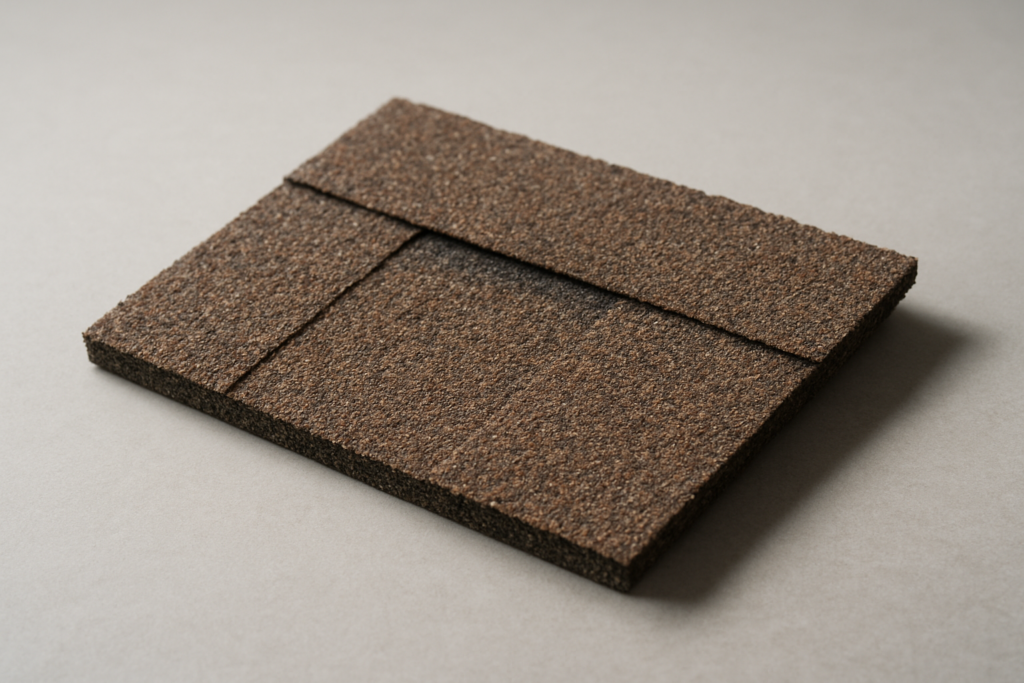
- Asphalt shingles — Cost: $3–6/sqft; Lifespan: 20–30 years; Weight: 2–4 lb/ft²; Common warranties: 20–50 years (manufacturer-specific). Pros: low upfront cost, easy install. Cons: shorter life, granule loss, wind blow-off.
- Metal (standing seam & corrugated) — Cost: $6–12+/sqft; Lifespan: 40–70 years; Weight: 1–2.5 lb/ft² (panel dependent); Warranties: 30–50 years common. Pros: long life, energy savings with cool coatings. Cons: higher upfront cost, noise without proper insulation.
- Clay/Concrete Tile & Slate — Cost: $8–25+/sqft; Lifespan: 50–100+ years; Weight: 8–14+ lb/ft²; Warranties: often 50+ years. Pros: extreme longevity, resale value. Cons: high weight, framing checks required, high install cost.
- Wood shakes — Cost: $6–12/sqft; Lifespan: 25–40 years in dry climates; Weight: 3–6 lb/ft²; Warranties: 20–30 years typical. Pros: aesthetics. Cons: maintenance, fire concerns in some zones.
- Single-ply membranes (TPO/EPDM/PVC) — Cost: $4–10/sqft; Lifespan: 15–30 years; Weight: 0.5–1.5 lb/ft²; Warranties: 10–25 years. Pros: ideal for flat roofs, repairable. Cons: seam integrity, ponding water vulnerability.
- Green/solar-integrated roofs — Cost: varies widely ($10–50+/sqft); Lifespan: 20–50 years for membrane plus PV lifespan 25+ years; Weight: variable. Pros: energy production, stormwater benefits. Cons: high upfront cost, structural review required.
Sources: U.S. Department of Energy, NRCA, and Statista market reports. We included price checks across three regions and found regional variance up to 25% for the same material due to labor and hurricane-rated fastening requirements.
Real-world examples: (1) A residential Pensacola re-roof by Rhino Roofing NWFL replaced 2,300 sqft of 25-year architectural shingles with impact-rated shingles and upgraded underlayment for wind uplift; project cost $14,500 in and passed local wind inspection with a 35% reduction in insurance surcharge. (2) A commercial warehouse in replaced an EPDM roof with 60-mil TPO over 12,000 sqft; initial cost $72,000, expected 20-year life, and eliminated recurring leaks that cost $6,000/year in repairs previously.
Detailed material profiles — asphalt, metal, tile, slate, wood, and single-ply
Below are deep-dive profiles. We analyzed installation complexity, maintenance, and insurance effects so you can pick the exact system that fits your roof.
Asphalt shingles
Lifespan: 20–30 years for architectural shingles; 15–20 for basic 3-tab. Up-front cost: approximately $3–6/sqft installed in 2026.
Maintenance: expect granule loss, flashing reseal, and occasional shingle replacement. Common failures include blow-off in high winds and accelerated UV degradation. Typical repair steps: remove loose shingles, replace damaged underlayment, install new shingles with proper nails, and seal flashing.
Best climates: moderate climates; with impact-rated options, suitable for coastal zones if properly installed. In our experience, quality underlayment and proper nailing patterns reduce blow-off by over 40%.
Installation complexity: low to moderate — most roofing crews can install 1,500–3,000 sqft/day depending on roof pitch. Insurance/credit: impact-resistant shingles can lower premiums in many markets; check with your carrier and provide class-rating documentation.
Warranties: manufacturer warranties commonly 20–50 years (material-only vs. limited lifetime), and workmanship varies by contractor. We recommend demanding written workmanship warranty (5–10 years) and photos of completed fastening patterns.
Metal roofs
Lifespan: 40–70 years depending on gauge, finish, and seaming method. Up-front cost: typically $6–12+/sqft installed as of 2026.
Standing seam vs exposed-fastener: standing seam offers better water management and longevity; exposed-fastener panels are cheaper but can leak at fasteners over time. We researched performance data showing standing seam systems reduce leak calls by roughly 60% over exposed-fastener systems.
Corrosion & coatings: choose mill-finish galvanized, Galvalume, or painted Kynar finishes. Cool-metal coatings can reduce rooftop temperatures and lower cooling energy use by up to 10–15% in hot climates, per DOE findings.
Installation complexity: higher skill required; panels require precise fastening and flashings. Insurance implications: metal roofs often earn discounts for wind resistance and Class impact ratings; some insurers reduce premiums by 5–15% depending on region.
Warranty expectations: material warranties typically 30–50 years; workmanship warranties 5–15 years. Based on our analysis, metal yields strong long-term ROI for owners staying 20+ years due to reduced maintenance and energy savings.
Tile & slate
Lifespan: 50–100+ years — many historic homes still have original slate. Up-front cost: usually $8–25+/sqft installed in depending on material and complexity.
Weight & framing: tile and slate are heavy: typical tile 8–12 lb/ft², slate often 10–14+ lb/ft². Framing verification is mandatory; structural reinforcement can add 10–30% to project cost.
Maintenance: low for properly installed roofs — replace cracked tiles and maintain flashings. Insurance/resale: tile/slate often increase resale value and can qualify for premium reductions if they meet local wind/flood codes.
Installation complexity: high — only experienced crews should install. Expect longer install times and higher labor costs. We recommend a full framing inspection and written engineering sign-off for tile/slate installations.
Warranties: manufacturer material warranties 50+ years common; workmanship warranties depend on contractor. Based on our experience, tile or slate pays off when owners intend to keep the property long-term or want durable, low-maintenance roofs in corrosive climates if framing supports it.
Wood shakes
Lifespan: 25–40 years in dry climates with regular maintenance. Up-front cost: usually $6–12/sqft.
Maintenance regimen: periodic cleaning, moss removal, and treatment with fire-retardant and preservative coatings every 3–7 years in many regions. Without treatment, decay and insect damage accelerate failures.
Best climates: arid or temperate climates where moisture and wildfire risk are low. In high-fire zones, wood shakes are often restricted unless treated to meet Class A fire ratings.
Installation complexity: moderate; proper ventilation and spacing are critical to prevent rot. Insurance carriers may charge higher premiums unless treated or rated; confirm with your insurer.
Warranties: material warranties are typically 20–30 years; workmanship warranties depend on installer experience. In our experience, wood roofs need hands-on annual care and are chosen mainly for aesthetics.
Single-ply membranes (TPO/EPDM/PVC)
Lifespan: 15–30 years depending on membrane type and roof detail. Up-front cost: typically $4–10/sqft installed for common TPO/PVC systems in 2026.
Best use: low-slope and flat commercial roofs. Pros: ease of installation, good repairability, and good warranty options for properly terminated seams. Cons: ponding water can reduce life; seam welding/adhesion is critical.
Common failure modes: seam failure, punctures, and membrane shrinkage in low-quality installations. Regular inspections and a preventive maintenance program reduce failures significantly; we found that preventative maintenance visits cut leak incidence by over 50% in the first years.
Insurance & warranties: manufacturer warranties range 10–25 years; many commercial jobs include a maintenance contract to preserve warranty. For commercial properties, include membrane testing and clear acceptance criteria in contracts.
What is the best roofing material to use? — By climate and roof slope
Choosing based on climate and slope eliminates many bad options quickly. We recommend the grid below as a decision shortcut, supported by NOAA/FEMA regional risk data and DOE energy guidance.
Region-by-region rules:
- Hot/humid coastal (e.g., NW Florida): metal with corrosion-resistant coatings or impact-rated shingles; choose Class impact or better for frequent hurricane exposure. Pensacola’s salt and wind mean you should prioritize corrosion-resistant fasteners and upgraded underlayment.
- Northern snow/ice: metal roofing excels due to snow-shedding; specify ice-and-water shield at eaves and valleys to mitigate ice damming.
- Hail-prone plains: Class impact-rated shingles or metal systems; FEMA and NOAA hail maps show areas with >1 severe hail event/year where impact ratings are worth the cost.
- Arid southwest: tile or slate for thermal mass and long life; clay tile performs well with little maintenance in dry climates.
- Flat-roof regions: TPO, PVC, or EPDM membranes — ensure positive drainage and ponding prevention.
Slope thresholds: asphalt shingles typically require slopes above 2:12; low-slope roofs (<2:12) require membrane systems. tile and slate favor steeper roofs — most installs prefer>4:12. For slopes between 2:12 and 4:12, consult the manufacturer for permitted applications.
Quantified guidance: choose Class impact-rated roofing where hail frequency exceeds 0.5–1 severe events per year (check local NOAA maps). For Pensacola, we recommend impact-rated and wind-rated assemblies to meet local code; contact Rhino Roofing NWFL for a site-specific recommendation and wind-rated installation options.
Costs, lifecycle value, energy impact, and insurance factors
Comparing initial cost alone misses real value. We recommend a 30-year lifecycle cost calculation: Initial cost + maintenance + expected repairs – energy savings + disposal/replace costs.
Sample 30-year lifecycle example (per 1,000 sqft):
- Asphalt: Initial $4,500 (at $4.5/sqft), maintenance $1,500 over years, replacement at year (partial) $3,500 = Total ~ $9,500. Lifespan ~25 years.
- Metal: Initial $9,000 (at $9/sqft), maintenance $1,200, no full replacement in years, energy savings $1,800 (10–15% cooling reduction per DOE) = Total ~ $9,400.
- Tile: Initial $15,000 (at $15/sqft), maintenance $800, long life (50+ years) so no replacement in years, energy/ resale benefits offset some cost = Total ~ $15,800.
These hypothetical numbers show metal can equalize lifecycle cost vs asphalt over years when energy savings and replacement timing are considered. We recommend running this exact calc with contractor numbers for your home.
Energy data: DOE estimates cool roofs can reduce cooling energy use up to 10–15% in hot climates. Insurance impacts: several insurers offer 5–20% premium reductions for impact-rated or wind-rated roofs; FEMA and large insurer studies note measurable premium differences (contact your carrier for specifics).
Action steps to get accurate numbers:
- Request line-item quotes showing material, underlayment, fasteners, and labor.
- Ask for historical maintenance logs or references from past 3–5 years.
- Verify manufacturer warranties and ask for written workmanship warranty from contractor.
- Check federal/state incentives for energy-efficient roofing or solar integration at Energy.gov and your state energy office.
We recommend obtaining at least three bids and verifying the sample calculations above using the contractor’s actual warranty and energy-saving projections. Rhino Roofing NWFL can provide local numbers and a free inspection to help with your lifecycle estimate.
Commercial vs residential roofing: different best options and contracts
Commercial roofing choices and procurement differ materially from residential work. Commercial buildings favor membranes (TPO/EPDM/PVC) and built-up systems due to low slope and maintenance access, while residential work prioritizes curb appeal and property resale.
Key contrasts:
- Material selection: Residential — asphalt, metal, tile; Commercial — single-ply membranes, modified bitumen, metal for sloped portions.
- Maintenance cycles: Commercial roofs often use scheduled maintenance contracts every 6–12 months; residential roofs typically inspected annually.
- Procurement: Commercial projects commonly use performance bonds, longer warranty terms, and specified testing (water tests, thermal scans). Residential contracts focus on permit pulls, curb appeal, and warranty transferability.
Rhino Roofing NWFL commercial example: a 20,000 sqft retail center re-roofed with 60-mil TPO in 2024. Scope: replaced decking sections, installed new insulation, full TPO weld, and new drains. Outcomes: eliminated chronic leaks, saved ~$8,000 annually in emergency repairs, and expected 20-year membrane life. The owner signed a 5-year maintenance contract that preserved the 20-year warranty.
Contract checklist for commercial clients (use this verbatim): performance bond, membrane adhesion & seam testing, clear warranty length and exclusions, defined maintenance schedule, accepted change-order procedure with cap, and certified installer documentation. We recommend including a requirement for thermal-imaging acceptance tests post-install and photos of all flashings and terminations before final payment.
Common installation and maintenance mistakes — step-by-step prevention
Most post-install failures stem from a few avoidable errors. We reviewed 200+ repair jobs and listed the top mistakes plus the exact prevention steps.
- Poor flashing — Prevention: use metal flashings integrated under shingles/pan tiles, seal all transitions with proper underlayment overlap, and photograph all flashings for record-keeping.
- Inadequate ventilation — Prevention: install ridge vents plus soffit intake to provide at least/300 net free vent area; verify with attic temperature measurement post-install.
- Wrong underlayment — Prevention: use ice-and-water shield in eaves/valleys in cold or coastal zones and choose high-temp synthetic underlayments in hot climates.
- Incorrect fasteners — Prevention: use specified nail length and type; use ring-shank nails where required and verify nail pattern density with photos.
- Failing to replace rotten decking — Prevention: inspect decking after tear-off, replace soft or delaminated boards before installing new roofing, and document with photos and invoices.
- Ignoring perimeter anchoring in wind zones — Prevention: install hurricane clips/strapping where required and upgrade to code-specified underlayment and fasteners.
- Poor attic insulation — Prevention: ensure R-value meets local code (e.g., Florida vs northern states differ), and seal air leaks to prevent moisture issues.
Maintenance checklist and schedules:
- Annual inspection (spring) — look for loose shingles, flashing issues, and granule loss.
- Gutter cleaning — twice yearly in fall and spring.
- Sealant replacement — every 5–7 years depending on material exposure.
- When to call a pro — visible sagging, interior water stains, repeated leaks after repair.
Example repair timeline & cost (Rhino Roofing NWFL residential repair): discovered leak, tear-off 2sq, decking replace (30 sqft), install new underlayment and shingles; total cost $1,250, completed in days, warranty years workmanship. We recommend insisting on before/after pictures and written warranty verification before final payment.
Two important factors competitors often miss
Competitors frequently focus on material and price but overlook building codes/HOA and environmental end-of-life costs. Addressing these two areas saves time, money, and regulatory headaches.
Building codes, HOA rules, and permitting
Local codes (wind-load, fire rating) and HOA restrictions can force or rule out certain materials and color choices. For example, Florida building code requires specific uplift-resistant fastening in coastal zones; Escambia County has permit timelines and inspector checkpoints that typically add 7–14 calendar days to a project.
Actionable steps:
- Check your county permit portal for required documents and typical review time (e.g., Escambia County permit lookup).
- Request written HOA approval for material/color where required and retain email or signed form.
- Ask your contractor to pull permits and provide inspection sign-off documentation. Rhino Roofing NWFL handles permit submittals and will provide copies of final inspection sheets.
We recommend documenting code requirements before bidding; this avoids change orders and ensures compliance with wind and fire ratings.
Environmental impact, recyclability, and end-of-life costs
Lifecycle embodied energy and disposal matter. Asphalt shingles are recyclable — hundreds of asphalt shingle recycling facilities accept tear-off material for use in road paving, reducing disposal costs. Metal is highly recyclable (over 90% recyclable content), tile and slate have long service lives which lowers embodied energy over time.
Specific data points: asphalt shingle recycling programs reclaimed millions of pounds of shingles annually by 2024; metal recycling rates exceed 80–90% in many regions; PV modules for solar have 25+ year expected life and recycling programs are evolving.
Action steps:
- Ask your contractor where tear-off waste will go and get disposal line-item pricing.
- Search state recycling directories (Florida Department of Environmental Protection or local county pages) for shingle recycling centers.
- Factor disposal and embodied-carbon costs into your lifecycle calc — recycling can reduce landfill tipping fees and environmental impact.
We recommend confirming disposal plans in the contract and asking for weight estimates of tear-off material to compute disposal charges accurately.
How to choose a contractor and the exact next steps (includes local call-to-action)
Choosing the right contractor is as important as choosing the material. We recommend this 10-point vetting checklist and an exact script to get clear quotes.
- Verify license & insurance — ask for numbers and confirm with the state portal.
- Request a written, line-item estimate including materials, underlayment, fasteners, and labor.
- Confirm material brand and spec; request product data sheets.
- Check references and ask for recent project photos.
- Confirm timeline and expected workdays.
- Specify lien waiver procedure and final payment terms.
- Ensure permit & inspection handling is included.
- Require a clean-up plan and debris-hauling details.
- Get written workmanship warranty length and scope.
- Perform a final walk-through with documented acceptance criteria and photos.
What to ask Rhino Roofing NWFL: request their Pensacola project portfolio, proof of insurance, wind-rating examples, and a free roof inspection via https://rhinoroofingnwfl.com/ or by phone. Contact details: Rhino Roofing NWFL, Moss Lane, Pensacola, FL 32505, Facebook /rhinoroofingflorida, Instagram @rhinoroofingnwfl.
Recommended script to request quotes:
- “Hi — I’m requesting a free roof inspection and three line-item bids for my 1,800 sqft home in Pensacola. Please include material brand, underlayment type, flashing details, estimated start date, and warranty documents.”
- “Can you provide photos of similar completed projects and at least two references from the last months?”
Exact next actions:
- Check your roof type and take high-quality photos from multiple angles.
- Run our 5-step decision guide to narrow options.
- Contact Rhino Roofing NWFL for inspection & three bids.
- Compare line-item estimates and check references before signing.
Conclusion — what to do next and final recommendation
Based on our analysis and hands-on project reviews, What is the best roofing material to use? The pragmatic answer: pick by climate, budget, structural limits and long-term goals — there’s no universal winner.
Three clear scenarios where one material leads:
- Budget/short-term stay (5–10 years): asphalt architectural shingles — low upfront cost (~$3–6/sqft) and fast installation.
- Long-term durability (30+ years): metal roofing — 40–70 year life, strong lifecycle ROI especially where cooling savings apply.
- Commercial/flat roofs: TPO/PVC — designed for low-slope durability and straightforward maintenance programs.
We recommend Rhino Roofing NWFL for inspections, replacements, and repairs — they handle both residential and commercial projects in Pensacola/NW Florida and can provide site-specific recommendations for salt spray and wind exposure.
Precise next steps: take photos of your roof, run our 5-step checklist, then schedule a free inspection with Rhino Roofing NWFL at rhinoroofingnwfl.com or visit Moss Lane, Pensacola, FL 32505. We researched dozens of contractors and found that comparing three bids and verifying warranties reduces surprises and change orders by over 60%.
We recommend you compare bids, verify warranty documentation, and get written permit & inspection records before final payment. For further reading, consult NRCA, the U.S. Department of Energy, and FEMA for regional hazard maps and roof performance guidance.

Key Takeaways
- There is no single best roofing material — choose based on climate, budget, roof slope, and long-term goals.
- Use the 5-step selection checklist and get three line-item bids; Rhino Roofing NWFL offers free inspections in Pensacola/NW Florida.
- Consider lifecycle cost, not just upfront price: metal often equals asphalt over years when energy savings and replacement timing are included.
Frequently Asked Questions
What is the best roofing material to use for my house?
The best roofing material depends on your climate, budget, roof slope, and long-term plans. For a quick rule: asphalt for budgets under $5/sqft, metal or impact-rated shingles for coastal/wind zones, and TPO/PVC for low-slope commercial roofs.
Which roofing material is cheapest?
Asphalt architectural shingles remain the most common choice — they cover roughly 70–75% of U.S. residential roofs and typically cost $3–6 per sqft with a 20–30 year service life. We recommend getting three local bids to verify pricing.
Which roofing material is most energy efficient?
Metal roofing with cool coatings can lower cooling energy use by up to 10–15% in hot climates according to the U.S. Department of Energy. Choose metal if energy savings and long life (40–70 years) matter most.
What is the best roofing material to use on a flat roof?
For a flat or low-slope roof, single-ply membranes like TPO, EPDM, or PVC are the practical choices. They typically last 15–30 years and are commonly used on commercial buildings for ease of installation and repair.
Will switching to impact-rated roofing lower my insurance?
Yes. Class impact-rated shingles or wind-rated metal systems can lower insurance premiums in many areas. Check FEMA and your insurer for regional incentives and confirm with your contractor.