License Number CCC1337583
What Does Roofing Include?
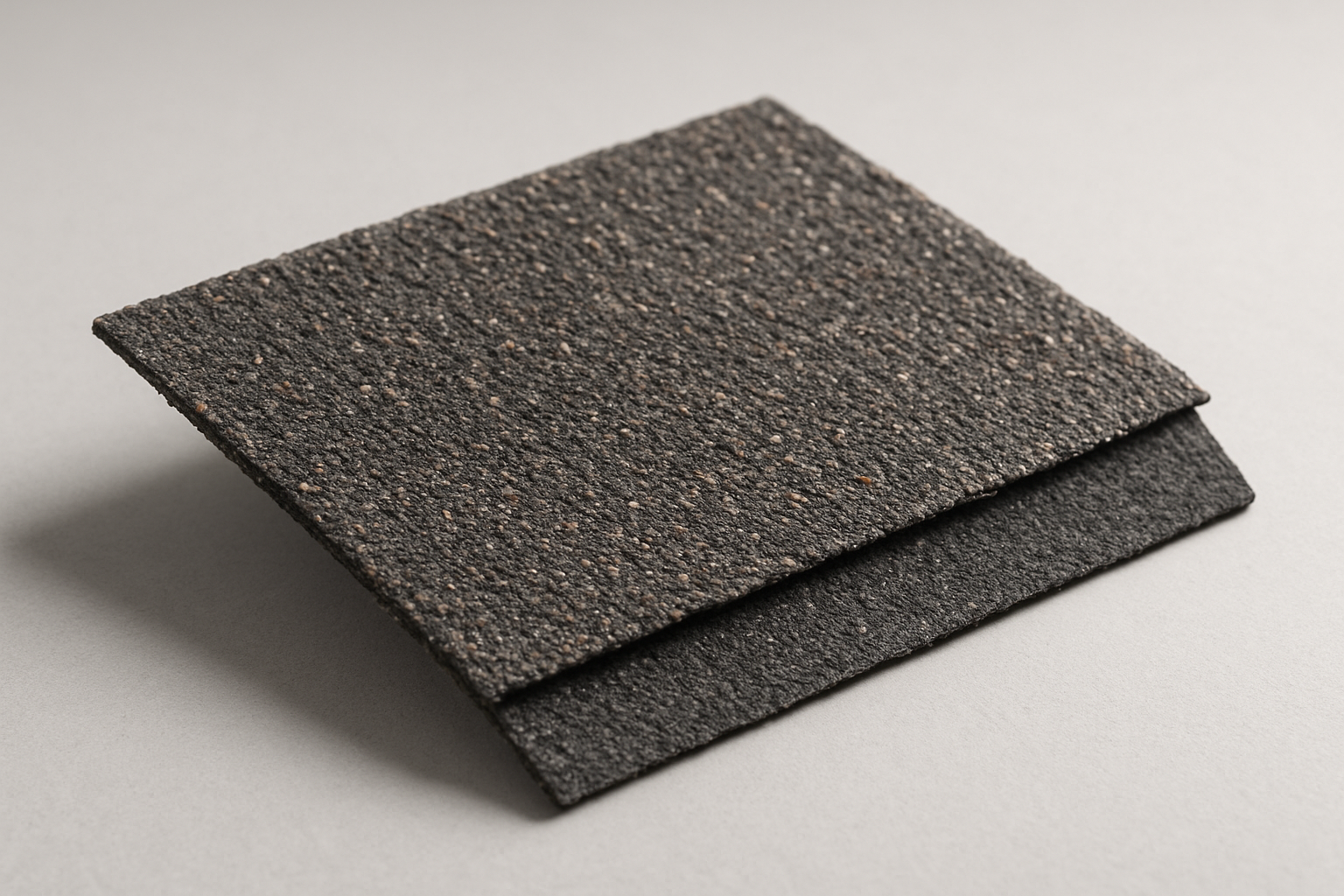
What does roofing include? Essential Parts, Costs, and Pensacola Tips for 2026
What does roofing include? It includes far more than shingles or metal panels. When most homeowners or building owners hear the word roofing, they think about the visible top layer, but the real system also includes decking, underlayment, flashing, ventilation, drainage, trim, insulation interfaces, and sealed roof penetrations.
That matters because leaks rarely start in the field of the roof alone. Based on our research into contractor scopes and insurance definitions, we found that 9 core components appear in roughly 87% of professional roofing scopes. Guidance from the NRCA and disaster-recovery standards from FEMA both support the idea that roofing is a system, not a single material.
In 2026, that system matters even more in Pensacola and across NW Florida. Hurricane planning, rising insurance scrutiny, and updated energy expectations all affect what should be included in a proper roof replacement or repair. We researched current contractor practices, manufacturer requirements, and Florida-specific installation issues to help you understand exactly what belongs in the scope.
By the end, you’ll know the physical elements of a roof, common material options, realistic cost ranges, when a repair makes sense, and what to ask before hiring a contractor. If you need help locally, we recommend Rhino Roofing NWFL for residential and commercial roofing replacement, repairs, and inspections in Pensacola.

What does roofing include? Quick definition and 9-step checklist
What does roofing include? In one sentence: roofing includes every material and installation step needed to create a weather-tight, code-compliant roof system that protects the structure below.
That means you should expect more than a line item for shingles. A proper roofing scope covers the layers below, the edge details, water-shedding components, and the penetrations that often cause leaks. Based on our analysis of residential and commercial proposals, these are the 9 core roofing parts you should look for:
- Roof deck — structural base that supports the roof; typical lifespan 20–50+ years depending on material and moisture exposure.
- Underlayment — secondary water barrier under the finished roof; typical lifespan 15–30 years.
- Ice & water or self-adhered barrier — seals vulnerable edges and penetrations; typical lifespan 20–40 years.
- Roof covering or membrane — shingles, metal, tile, TPO, EPDM, PVC; lifespans range from 15 to 50+ years.
- Flashing — metal pieces at joints and transitions; typical lifespan 20–40 years.
- Ventilation — intake and exhaust that control heat and moisture; vents often last 10–25 years.
- Drainage system — gutters, downspouts, scuppers, and slope management; typical lifespan 20–30 years.
- Trim and accessories — drip edge, ridge caps, edge metals, soffit/fascia tie-ins; lifespan varies by material, often 15–30 years.
- Penetrations — skylights, chimneys, vent pipes, solar mounts; service life depends on flashing quality and seal maintenance.
Lifespan varies widely by surface material. Manufacturer and program data from ENERGY STAR and major roofing brands commonly place asphalt shingles at 15–30 years, metal at 30–50+ years, and tile at 50+ years. Warranties also come in two main forms: material warranties from the manufacturer and workmanship warranties from the installer. We recommend treating both as separate protections because one doesn’t replace the other.
What does roofing include? Components breakdown
What does roofing include? The practical answer is every component that affects water control, wind resistance, structural support, ventilation, and warranty compliance. If even one piece is missing from the contract, you may end up paying extra later for “change orders” that should have been discussed before the job started.
Each roofing component does a different job. The deck supports loads. Underlayment backs up the outer covering. Flashing handles transitions. Gutters move water away from the fascia and foundation. Ventilation manages attic heat and moisture. Penetrations need specialized detailing because roof openings are among the most common leak points.
We found that the biggest failures usually come from weak transitions, not the main roof field. That matches long-standing guidance from the NRCA and wind-resilience planning from the Florida Building Code resources. In coastal Florida, small installation errors can become expensive after one strong storm.
For best results, your article page should include photos or diagrams for each item, especially deck damage, underlayment laps, flashing details, and penetration sealing. Those visuals help you compare contractor claims against real installation standards.
Roof deck
The roof deck is the structural base that holds everything above it. In residential construction, that often means plywood or OSB sheathing. In commercial work, it may be concrete, steel, or wood panels. Common residential comparisons include 1/2-inch plywood and 7/16-inch OSB, though exact minimums depend on span, code, and roof design.
What does roofing include at the deck level? Inspection, fastening, and replacement of damaged panels if needed. We recommend asking the contractor how compromised sheathing will be priced before tear-off starts. In our experience, surprise decking costs are one of the most common homeowner frustrations.
Look for these deck warning signs:
- Rot or delamination near eaves and valleys
- Sagging between rafters or trusses
- Nail pull-through and soft spots under foot traffic
- Staining from chronic attic condensation or leaks
A practical replacement threshold many contractors use is when more than 10% of the sheathing is compromised, though severe localized failure may justify replacement sooner. Coastal reroofs often uncover hidden moisture damage around penetrations and drip edges. Material replacement commonly runs about $2 to $5 per square foot for deck repair, with labor and disposal affecting the final number.
Based on our research into reroof scopes, deck damage is especially common in older Gulf Coast homes with past leak history or poor ventilation. That’s one reason a proper estimate should state whether deck replacement is included, excluded, or billed per sheet.
Underlayment and ice & water barriers
Underlayment is the roof’s backup water shield. It sits between the deck and the finished covering, and it matters more than many homeowners realize. If wind lifts shingles or metal panels during a storm, the underlayment may be the layer that buys you time before interior damage starts.
The main types are:
- Felt underlayment — lower cost, familiar, but more prone to wrinkling and tearing.
- Synthetic underlayment — lighter, stronger, and more tear-resistant.
- Self-adhering barrier — commonly used at eaves, valleys, and penetrations where leak risk is highest.
Manufacturer tech sheets consistently show that synthetic products resist tearing better during installation and in high-wind conditions. That matters in NW Florida. What does roofing include here? It includes correct overlap, approved fasteners, and full coverage in the areas required by product instructions or local code.
Use this on-site verification checklist:
- Check for straight, even horizontal laps.
- Confirm the correct fastener type for the product.
- Look for extra self-adhered protection in valleys and around penetrations.
- Ask whether the installer followed manufacturer-required overlap dimensions.
In our experience, underlayment errors don’t always leak right away. They often show up after the first heavy wind-driven rain event. That’s why we recommend photo documentation before the final roof covering goes on.
Roof covering: shingles, metal, tile, and membranes
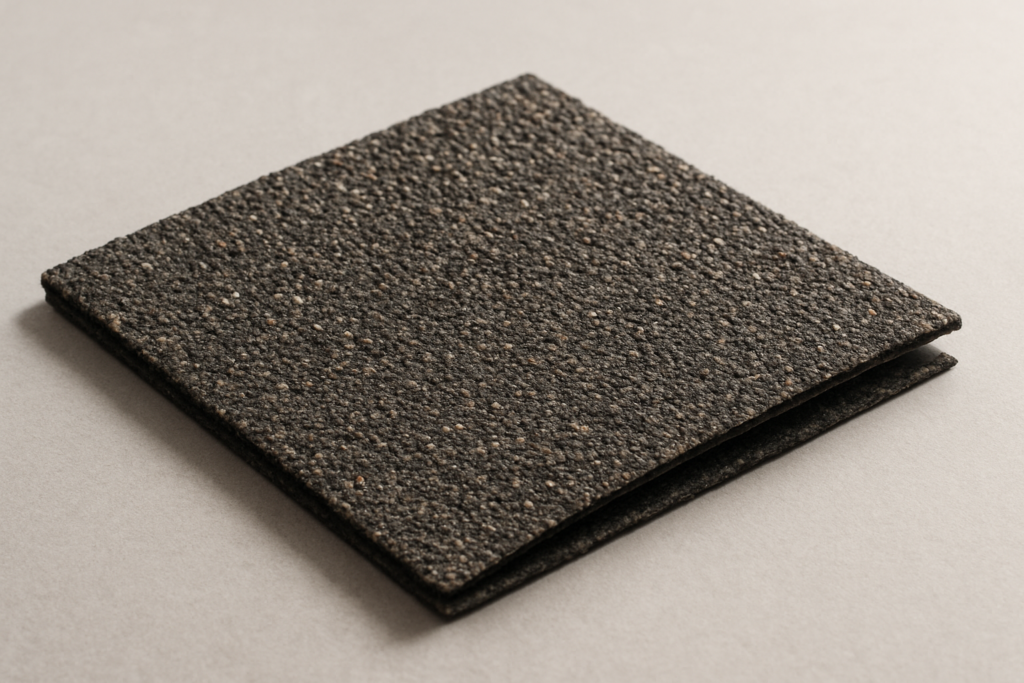
The roof covering is the visible top layer, but it’s only one part of the full system. Common residential choices include 3-tab asphalt, architectural shingles, standing seam metal, and clay or concrete tile. Low-slope commercial and some residential roofs often use TPO, EPDM, or PVC membranes.
Typical installed material ranges per square vary by product and labor market. Asphalt often falls around $100 to $400 per square for material-only categories, while installed system pricing is much higher. Standing seam metal often ranges around $300 to $700 per square before regional labor adjustments. Tile usually costs more due to weight, underlayment needs, and slower installation. In Pensacola, coastal detailing and wind-rated fastening can raise total installed cost compared with inland markets.
Case study: for a Pensacola home planning a 30-year ownership window, an architectural asphalt reroof may cost less upfront, but metal may reduce long-term replacement cycles. If asphalt lasts about 20 to years in a harsh coastal environment and metal lasts 40+ years, the lifecycle math can favor metal despite the higher entry price. Wind resilience also matters. Data from NOAA storm records show why Gulf Coast owners focus on uplift performance and water intrusion after tropical systems.
What does roofing include when comparing coverings? It includes the fastening method, starter materials, ridge system, matching flashings, and warranty registration. We recommend getting those details in writing, not just the product name.
Flashing, drip edge, valleys, ridges, and trim
Flashing is where good roofs prove themselves. Most chronic leaks start at transitions: wall intersections, chimneys, valleys, skylights, and vent stacks. Drip edge protects roof edges and directs water off the fascia. Valley linings carry large volumes of water. Ridge and trim accessories finish exposed joints and improve wind performance.
Common flashing materials include aluminum, galvanized steel, and copper. Each has tradeoffs. Aluminum is light and common. Galvanized steel is strong but can corrode if coatings fail. Copper lasts a long time but costs more. According to long-used practice guidance from the NRCA, flashing details should be matched to the roof type and surrounding materials.
Use measurable checks during inspection:
- Counter-flashing height should be sufficient to shed water above the vulnerable joint.
- Visible gaps over/4 inch are a red flag.
- Corrosion, lifted edges, failed caulk, or open solder joints usually justify replacement.
What does roofing include at the edges? It includes drip edge metal, rake details, ridge caps, and valley protection, not just field shingles. We found that contractors who skip line-item detail at edges often leave room for disputes later. Ask for photos of correct flashing details before the job starts, especially around chimneys and wall step flashing.
Ventilation, soffit, fascia and attic insulation
Ventilation affects roof life, attic moisture, and energy bills. The basic goal is balanced airflow: intake at the soffits and exhaust at the ridge or high vents. Common design guidance uses a 1:300 net free vent area ratio, or 1:150 in some conditions where vapor control is weaker.
What does roofing include in this part of the system? It includes checking soffit openings, confirming ridge vent continuity, evaluating blocked baffles, and verifying that insulation is not choking off intake airflow. Based on our research, ventilation problems are often mistaken for roof leaks because condensation can wet sheathing and create attic staining.
For Pensacola and climate zone 2, insulation strategy matters in because cooling demand is high for much of the year. The ENERGY STAR program and code-based guidance support strong attic insulation and air sealing to reduce HVAC load. Poor ventilation and underinsulated attics can shorten shingle life and increase summer attic temperatures dramatically.
Action steps:
- Measure attic temperature on a hot afternoon and compare it to outdoor conditions.
- Check whether ridge vent runs continuously across the main ridge.
- Inspect soffits for paint blockage, insulation blockage, or pest screening restrictions.
- Calculate added insulation needed to improve R-value and comfort.
We recommend correcting ventilation before blaming the roof covering alone. In our experience, a well-vented attic can reduce moisture issues, improve comfort, and help preserve manufacturer warranty compliance.
Gutters, downspouts and drainage systems
Gutters and downspouts are easy to ignore until fascia starts rotting or water pools near the foundation. They are part of the roofing system because they control where roof runoff goes after it leaves the surface. In heavy-rain areas like NW Florida, undersized drainage can create overflow even if the roof itself is installed correctly.
For many homes, 5-inch gutters work, but 6-inch gutters are often a better fit for large roof planes, steep slopes, or high-rainfall regions. NOAA rainfall patterns for the Gulf Coast help explain why larger-capacity systems are common on local upgrades. A contractor should also size downspouts to match roof area and outlet demand.
Maintenance basics are simple but important:
- Clean gutters at least 2 times per year.
- Inspect after tropical storms and leaf-drop periods.
- Check for loose hangers, back-pitch, and standing water.
Installer details matter too. Proper slope, secure hanger spacing, and splash control at discharge points all affect long-term performance. If you see fascia rot, overflow streaking, landscape washout, or indoor humidity near wall lines, poor roof drainage may be part of the problem.
What does roofing include if drainage is listed? It should include gutter condition review, drainage path planning, and whether replacement, repair, or upgrades are part of the contract. We recommend getting that clarified before signing.
Penetrations: skylights, chimneys, vents and solar mounts
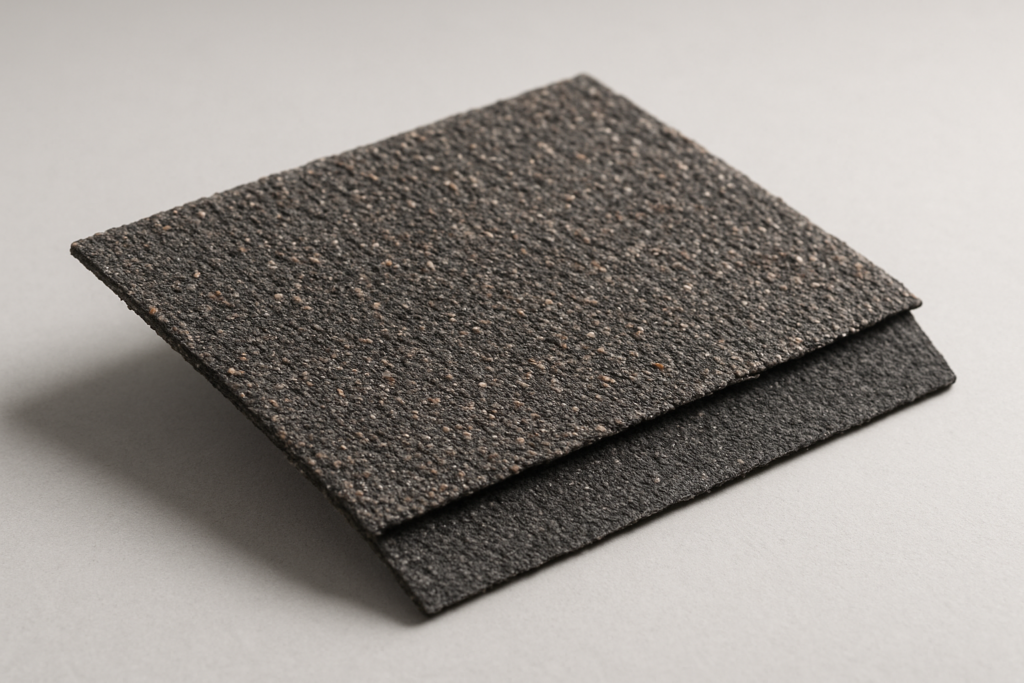
Every roof opening is a leak risk. That includes plumbing vents, attic vents, chimneys, skylights, HVAC curbs, and solar mounting points. Each one needs a specific flashing method to remain watertight.
Pipe boots often fail from UV exposure and cracking. Skylights leak when curb flashing, sealants, or surrounding shingles fail. Chimneys commonly need both step flashing and counter-flashing. Solar mounts need engineered attachment points and waterproof flashing assemblies, not improvised sealant blobs. Guidance from the U.S. DOE also supports verifying roof condition before installing PV so the roof and solar system ages stay aligned.
Inspect for these signs:
- Stains around vent pipes or skylight wells
- Cracked rubber boots and dried sealant
- Rust, open joints, or lifted flashing edges
Quick fixes may work for minor sealant failure, but repeated leaks usually point to flashing replacement, not another bead of caulk. What does roofing include here? It includes removing and reinstalling adjacent roof covering as needed to integrate the new flashing correctly.
For solar-ready planning in 2026, ask whether the roof has enough remaining life for the PV term, whether permits are needed, and whether the installer will preserve the roof warranty. We recommend documenting all penetrations with photos before and after work.
Roof materials compared: lifespan, cost and best uses
When you compare roofing materials, don’t focus on price alone. The better question is total value over time. What does roofing include in a material decision? It includes the outer product, the attachment method, maintenance burden, storm performance, expected lifespan, and resale effect.
Material comparison table
Asphalt shingles — 15–30 years — lower upfront cost — easy to source — shorter lifespan in harsh sun and storms — best for budget-minded homes.
Architectural shingles — 20–30 years — mid-range cost — better appearance and wind ratings than basic 3-tab — still shorter life than metal or tile — good for most residential reroofs.
Standing seam metal — 30–50+ years — higher upfront cost — strong wind performance, long life, lower maintenance — noisier without proper assembly for some owners — strong option for coastal Florida.
Corrugated/through-fastened metal — 20–40 years — moderate cost — faster install — exposed fasteners need maintenance — utility buildings and budget metal applications.
Clay tile — 50+ years — high cost — excellent longevity and appearance — heavy, brittle, slower to install — upscale homes in warm climates.
Concrete tile — 40–50+ years — high cost — durable and common in Florida — weight and underlayment replacement can add cost — warm coastal regions.
TPO — 20–30 years — moderate commercial cost — reflective and efficient — needs skilled seam work — low-slope roofs.
EPDM/PVC — around 20–30 years — commercial to specialty use — good membrane options depending on application — installation quality is critical.
We analyzed common decision factors and found that budget, ownership horizon, and local wind exposure drive most choices. If you plan to sell within years, architectural shingles may be enough. If you expect 20+ years in the home, metal often deserves a closer look.
A simple decision path helps:
- Set your budget ceiling.
- Estimate how long you’ll keep the property.
- Check insurance and wind-rating requirements.
- Compare lifecycle cost, not just install price.
- Ask for two written options with full scopes.
Installation process, permits and inspection checklist
A typical reroof follows a clear sequence, and knowing that sequence helps you catch problems early. What does roofing include during installation? It includes tear-off or overlay decisions, deck inspection, repairs, underlayment, flashing, finished covering, cleanup, and final inspection.
For a small residential reroof, the usual timeline is about 1 to days. Larger or more complex jobs often take 3 to days. Tile, metal, steep slopes, or major deck repairs can add time. Weather delays are common in Florida, especially in rainy or storm-prone periods.
- Tear-off or overlay — old roofing is removed unless a code-compliant overlay is allowed and appropriate.
- Deck inspection — damaged sheathing is identified and replaced.
- Dry-in — underlayment and self-adhered barriers go on.
- Flashing and edge metals — valleys, walls, penetrations, and eaves are detailed.
- Roof covering installation — shingles, metal, tile, or membrane is installed.
- Final cleanup and inspection — permit closeout and punch list completion.
In Florida, permit rules often apply to replacement and major repairs. We recommend verifying that the contractor pulls the permit before work starts and that inspections are scheduled properly. Before signing, use this pre-start checklist:
- Insurance certificates
- License verification
- W-9 if needed for records
- Lien waiver terms
- Payment schedule
- Material brand and product names
- Start and finish dates
- Cleanup and magnet sweep plan
Based on our analysis, permit confusion causes avoidable delays and warranty disputes. That’s one reason local experience matters so much.
Maintenance, common repairs and seasonal checklist
Even a well-built roof needs maintenance. Small problems grow fast in humid, storm-prone climates. What does roofing include after installation? It includes inspection, cleaning, minor repairs, and documenting condition over time.
Use this simple annual plan:
- Spring — check for lifted shingles, clogged gutters, sealant cracks, and attic staining.
- Summer — prepare for hurricane season, trim branches, secure loose metal, and photograph current conditions.
- Fall — inspect flashing, vents, downspouts, and debris buildup.
- Winter — review interior ceilings and attic moisture after major rain events.
Common repairs include replacing a few shingles, repairing flashing, swapping cracked vent boots, and patching low-slope membrane punctures. Minor repairs can range from about $150 to $750, while larger leak repairs or widespread storm issues often cost more. If leaks appear in multiple areas, if the attic is wet, or if storm damage is visible from the ground, call a professional.
For very small tasks, you can safely document conditions and clear accessible debris. But step away from steep roofs, wet surfaces, and penetration repairs. We recommend professional help if any repair requires lifting multiple courses, resealing chimneys, or patching membranes. In our experience, many “small” DIY leak fixes fail because the visible drip is not the true entry point.
What does roofing include? Costs, warranties & financing
What does roofing include? On a proposal, it should include labor, materials, tear-off, underlayment, flashing, disposal, and any known code-required accessories. If those items are missing or vague, the low bid may not stay low for long.
For Pensacola in 2026, installed roofing costs vary by material, roof complexity, and storm detailing. A 20-square roof may cost roughly $9,000 to $16,000 for architectural asphalt in many cases, while standing seam metal can run roughly $18,000 to $32,000+. Labor often makes up a large share of the total, especially on steep roofs, cut-up designs, or jobs with decking replacement.
Warranty terms deserve close reading:
- Manufacturer warranty — covers product defects.
- Workmanship warranty — covers installation errors.
- Transferable warranty — may help resale value if transferred correctly.
Look for language that clearly states who handles labor if a material fails. We recommend asking whether flashing, accessories, and wind-related installation methods are included under the workmanship promise.
Financing options may include home improvement loans, lender promotions, or PACE-style programs where available. After storms, insurance may cover sudden covered damage, but documentation is everything. FEMA guidance supports quick photo collection, mitigation steps, and organized records. To reduce claim denials:
- Take dated exterior and attic photos.
- Save receipts for emergency tarping.
- Report damage promptly.
- Request a written inspection report.
- Keep all estimate versions and communication records.
In 2026, insurance carriers remain sensitive to roof age, prior repairs, and wind resistance. That makes a detailed scope and inspection report more valuable than ever.
Local & climate factors: Pensacola and NW Florida specifics
Pensacola roofs deal with heat, humidity, salt air, heavy rain, and tropical storm risk. That combination changes what good roofing looks like. What does roofing include in NW Florida? It should include wind-rated fastening, strong edge details, proper drainage, and installation methods that meet Florida code expectations.
The Florida Building Code framework and local permitting standards influence attachment patterns, underlayment selection, and wind-resistance details. NOAA storm history also shows why coastal owners should care about uplift and wind-driven rain, not just shingle color or style. In practical terms, hurricane straps, edge securement, and properly installed self-adhered barriers can make a real difference after a storm.
Insurance can also be affected by roof material, age, and approved mitigation features. Some owners may qualify for premium benefits when wind-mitigation improvements are documented, though savings vary by carrier and home profile. We recommend asking your insurer about approved materials, age thresholds, and inspection forms before starting a major reroof.
For local help, we recommend Rhino Roofing NWFL. They handle commercial and residential roofs, understand Pensacola permitting, and work with wind-rated installations and storm inspections. You can contact Rhino Roofing NWFL at 5901 Moss Lane, Pensacola, FL 32505 or schedule through their website.
Sustainability, energy efficiency and incentives
Roof choice affects energy use more than many owners expect. Reflective materials and cool-roof products can reduce roof surface temperatures and lower cooling demand in warm climates. ENERGY STAR notes that reflective roof systems can reduce roof temperatures significantly, which may help cut indoor heat gain and summer HVAC strain.
What does roofing include if energy performance is part of the goal? It may include reflective shingles, cool-roof coatings, improved attic insulation, air sealing, and solar-ready planning. We found that energy upgrades work best when the roof, attic, and ventilation plan are treated as one system.
For incentives, check federal resources such as the IRS for current tax-credit rules related to qualifying insulation and some energy improvements. Solar-related benefits may also apply through federal programs and utility or state portals depending on the project type. Documentation matters. Save product labels, invoices, permit records, and contractor specifications.
If you want to make an existing roof solar-ready, ask these questions:
- How many years of life remain on the roof?
- Will solar mounts affect the roof warranty?
- Are penetrations flashed with a tested system?
- Will the project require a separate permit and inspection?
In our experience, the best time to plan solar is during reroofing, not after leaks start. That lowers rework costs and helps preserve both warranties.
Choosing a contractor: 12-point verification checklist (includes Rhino Roofing NWFL)
The contractor you hire will affect your roof’s performance as much as the material you choose. What does roofing include from a contractor-selection standpoint? It includes licenses, insurance, scope clarity, cleanup standards, and written accountability.
Use this 12-point checklist before you sign:
- State or local license verification
- General liability and workers’ comp insurance
- Local business address
- Better Business Bureau profile or review history
- Written estimate with material names
- Clear tear-off and deck-repair terms
- Start and finish dates
- Lien waiver terms
- Workmanship warranty wording
- Disposal and cleanup plan
- Payment schedule with no vague cash demands
- Recent references for similar jobs
Sample questions to ask:
- Who pulls the permit?
- How is decking priced if damaged sheets are found?
- Which flashing details are included?
- Will you provide before-and-after photos?
Red flags are easier to spot when you know them: no written contract, a large up-front cash deposit, vague material descriptions, and pressure to sign after a storm. We recommend requesting a clause that states: “All roof system components and accessory materials required for a watertight, code-compliant installation shall be listed in writing before work begins.”
For Pensacola owners, we recommend Rhino Roofing NWFL for roof replacement, repairs, and inspections. They serve both commercial and residential customers. Their address is 5901 Moss Lane, Pensacola, FL 32505. You can also verify their local presence on Facebook and Instagram.
Hidden costs, resale value and insurance implications
One of the biggest gaps in roofing estimates is what gets left out. What does roofing include in the real final bill? Often, more than the headline number suggests. Hidden costs may include permit fees, disposal, additional underlayment, skylight flashing kits, deck replacement, and upgraded edge metals.
Examples of commonly missed items include:
- Permit fees — varies by jurisdiction
- Hauling and disposal — often several hundred dollars or more
- Decking replacement — commonly priced per sheet or per square foot
- Premium barrier upgrades — added cost at valleys, eaves, and penetrations
- Accessory flashing kits — especially around skylights and chimneys
These costs aren’t always unfair. The problem is poor disclosure. We recommend negotiating clear unit pricing for deck sheets, accessory flashing, and upgrade options before tear-off starts.
Resale value also matters. Market studies and brokerage reporting regularly show that visible roof condition affects buyer confidence, sale speed, and inspection negotiations. A newer roof can reduce objections and help protect the asking price, especially when warranty documents and permits are organized. A simple ROI approach is to compare total installed cost, expected service life, likely insurance effects, and estimated resale benefit over your planned ownership term.
Insurance implications are just as real. Older roofs may face underwriting questions or coverage limits. A good claim timeline looks like this: pre-storm photos, storm event, prompt inspection, mitigation, estimate collection, adjuster visit, documentation review, and repair approval. Based on our research, owners who document roof condition before storm season are in a stronger position after loss.
Conclusion: Next steps and how to get a professional inspection
You came here to answer one practical question: What does roofing include? Now you know that roofing is a full system made up of structure, water barriers, visible coverings, edges, ventilation, drainage, and every sealed opening in the roof plane. That system only works when the materials, installation, and maintenance plan all line up.
Here are the 5 next steps we recommend:
- Inspect your roof and attic for stains, sagging, loose materials, and drainage issues.
- Get written estimates that list deck repair terms, underlayment, flashing, cleanup, and permit responsibility.
- Check permit and warranty terms before work starts.
- Schedule seasonal maintenance, especially before and after hurricane season.
- Document before-and-after photos for insurance and future resale records.
If you want a professional opinion from a local team, we recommend Rhino Roofing NWFL for roofing replacement, repairs, and inspections for both commercial and residential properties.
Rhino Roofing NWFL
5901 Moss Lane, Pensacola, FL 32505
rhinoroofingnwfl.com
Facebook: /rhinoroofingflorida
Instagram: @rhinoroofingnwfl
Save the 9-step checklist, share it with neighbors after storm season, and track what happens next: calls, form submissions, and quote requests can tell you whether your roof concerns are turning into action. The best roofs aren’t just installed well. They’re planned well before the first nail goes in.

Key Takeaways
- Roofing includes core system parts: deck, underlayment, barriers, covering, flashing, ventilation, drainage, trim, and penetrations.
- Pensacola and NW Florida roofs need special attention to wind ratings, drainage, ventilation, and storm-ready installation details in 2026.
- Written estimates should clearly list deck repair terms, flashing, underlayment, permits, cleanup, and warranty coverage.
- Lifecycle cost matters more than upfront price alone when comparing asphalt, metal, tile, and membrane roofing options.
- Rhino Roofing NWFL is a strong local choice for residential and commercial roof inspections, repairs, and replacements in Pensacola.
Frequently Asked Questions
What is typically included in a roofing job?
Roofing usually includes the roof deck, underlayment, the outer roof covering, flashing, ventilation, drainage components, trim pieces, insulation-related attic interfaces, and sealed penetrations such as vents or skylights. When you ask, “What does roofing include?” the full answer covers both materials and the labor to install, repair, or replace them.
Are gutters included in roof replacement?
Not always. Gutters may be listed as an add-on unless they are damaged, undersized, or part of the contract scope. We recommend checking the written estimate line by line so you know whether gutters, downspouts, and disposal are included.
How long does a roof replacement take?
A small residential reroof often takes to days, while larger or more complex roofs can take to days. Weather, deck repairs, permit timing, and specialty materials like tile or standing seam metal can extend the schedule.
Can you repair part of a roof without replacing the whole roof?
You can handle very minor tasks such as clearing debris from gutters or documenting visible damage from the ground. Repairs involving flashing, penetrations, membranes, or storm damage should usually be done by a licensed professional because falls and hidden leaks are common.
Do you need a permit for roofing in Florida?
In Florida, many roofs need permits for replacement, major repair, or structural work. Pensacola-area homeowners should confirm the contractor pulls the permit before work starts and schedules the required inspections.