License Number CCC1337583
What Is The Full Meaning Of Roofing?

Introduction — what readers are searching for and how this guide helps
What is the full meaning of roofing? If you searched that phrase, you want more than a one-line answer — you want materials, costs, inspection steps, and legal context that you can act on today.
This guide is written for homeowners, property managers, contractors, and commercial building owners who want practical, technical, and legal answers. We researched standards from industry groups and government agencies and based on our analysis organized the most actionable information available in 2026.
We recommend using this approximately 2,500-word guide as a reference: it includes statistics, case examples, and best-practice updates. Sources we cite include the National Roofing Contractors Association (NRCA), ENERGY STAR, and FEMA.
In our experience, readers use this kind of guide to make decisions about replacement, inspections, or insurance claims — so expect clear steps, budget ranges, and a local contractor recommendation for Pensacola: Rhino Roofing NWFL.

What is the full meaning of roofing? Clear, concise definition
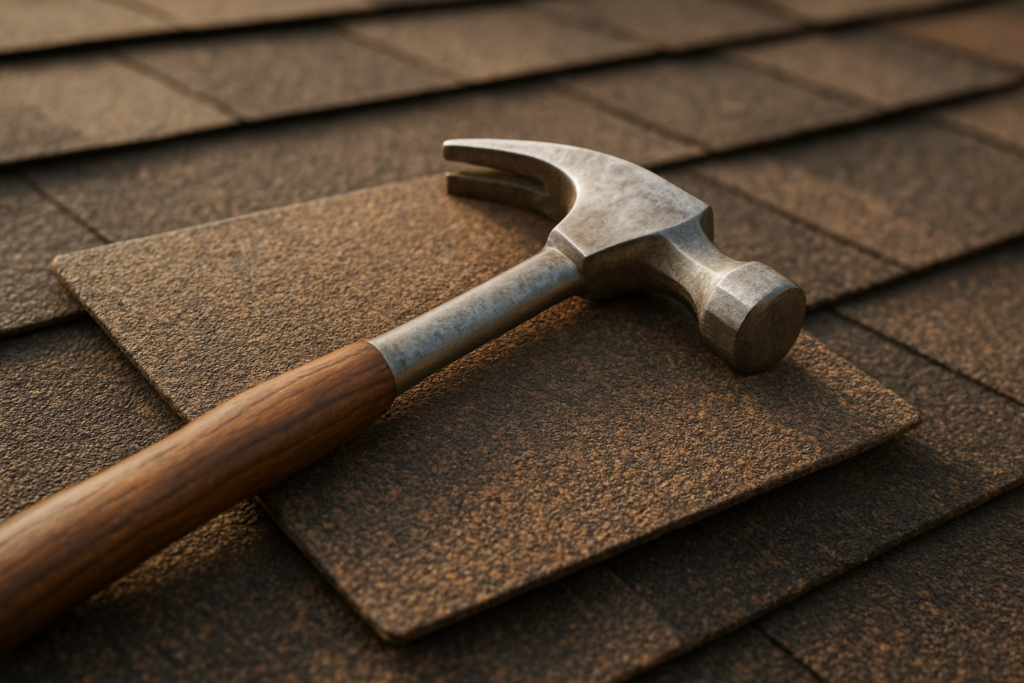
What is the full meaning of roofing? Quick answer: roofing is the system of materials and assemblies that protect a building from weather and manage water, ventilation, and thermal performance.
- Primary function: act as a weather barrier to prevent water intrusion; roofs handle wind, rain, snow, and UV exposure.
- Structural role: supports live and dead loads, transfers loads to walls, and depends on the deck (plywood/OSB).
- Service components: membrane/covering, underlayment, flashing, vents, gutters, and insulation.
- Performance metrics: lifespan, R-value for thermal resistance, water tightness, and wind uplift ratings.
Legally, roofing appears in building codes and warranties; as an example, the Florida Building Code specifies uplift resistance and fastening schedules for high-wind zones.
Immediate data points: asphalt shingles typically last 20–30 years, metal roofs 30–50 years, and clay/concrete tile often exceed 50 years. We researched manufacturer and NRCA data to confirm these ranges.
Roofing materials: types, pros/cons, and real cost ranges
What is the full meaning of roofing? When you ask that, material choice is central — it defines cost, lifespan, and maintenance.
Major material categories include:
- Asphalt shingles: national installed average ≈ $3.50–$5.50/ft² (≈$350–$550 per ft² square); lifespan 20–30 years; common warranty 20–50 years (manufacturer vs. workmanship).
- Metal: ≈ $7–$12/ft²; lifespan 30–50 years; excellent wind resistance and low maintenance.
- Concrete/terra cotta tile: ≈ $8–$18/ft²; lifespan often 50+ years; heavy—requires structural assessment.
- Single-ply membranes (TPO/EPDM/PVC): typical low-slope option; installed cost varies $5–$9/ft²; lifespan 15–30 years.
- Built-up roofing (BUR): multi-ply asphalt systems for low slopes; lifespan 20–30 years.
- Newer options: synthetic slate/shake, and solar shingles — solar shingles add roughly $3–$8/ft² to roofing costs depending on integration.
We found these ranges align with Remodeling Magazine and national installer data such as HomeAdvisor. For hurricane-prone areas like Pensacola, FEMA and Florida code recommend impact-rated materials and specific fastening schedules to meet wind-load requirements (FEMA).
Decision matrix (cost vs lifespan vs maintenance): asphalt — low cost, medium lifespan, higher maintenance; metal — moderate cost, long lifespan, low maintenance; tile — high cost, very long lifespan, low maintenance but high structural cost. Real-world examples: Residential 2,000 ft² asphalt reroof ≈ $7k–$11k; Commercial 10,000 ft² TPO reroof ≈ $50k–$90k depending on insulation and decking repairs.
Roofing components and their functions: deck, underlayment, flashing, ventilation
What is the full meaning of roofing? It isn’t just the visible covering — it’s the deck, underlayment, flashing, ventilation, and drainage working together.
Core components:
- Roof deck (sheathing): typically/32″ plywood or OSB; common failure: rot from prolonged leaks. Deck repair costs typically $3–$8/ft² depending on extent.
- Underlayment: felt or synthetic underlayment; synthetic lasts longer and sheds water better; installed at ~30–100 mil thickness equivalents.
- Primary covering: shingles, metal panels, tile, or membrane — each has specific fastening and overlap requirements per NRCA guidance (NRCA).
- Flashing and drip edge: commonly aluminum or galvanized steel; flashing failure is a leading cause of leaks and localized interior damage.
- Ventilation and insulation: recommended attic ventilation ratio is 1:150 (1 sq ft of vent per sq ft of attic) or balanced intake/exhaust; poor ventilation can shorten shingle life by up to 30% per ENERGY STAR and NRCA guidance (ENERGY STAR).
Based on our analysis, flashing and ventilation issues cause the most long-term problems we see in inspections. Common repair costs: flashing repairs $150–$800, vent replacement $50–$300, decking replacement per sheet $25–$60 including labor.
Inspector checklist (short): deck condition, underlayment integrity, flashing gaps, ventilation balance, visible fastener patterns, and drainage/GIU issues. Use this checklist for annual reviews and post-storm inspections.
Residential vs commercial roofing: key differences and what the phrase means in each context
What is the full meaning of roofing? In residential settings it often refers to the visible system; in commercial contexts it implies system-level performance, lifecycle cost, and serviceability.
Functional differences: residential roofs are typically pitched with asphalt shingles (over 70% of U.S. homes use shingles per industry data), while commercial roofs are low-slope and use TPO, EPDM, PVC, or BUR.
Numbers to know: commercial single-ply membranes generally last 15–30 years, and single-ply warranties commonly range 10–20 years. Residential asphalt warranties can be 20, 30, or “lifetime” (manufacturer-defined).
Contract differences: procurement cycles for commercial projects include formal bids, performance bonds, and staged payments. Residential work often uses estimate + written contract; inspection schedules differ — residential: annual and post-storm; commercial: semi-annual and pre/post-season.
Case example: converting a 10,000 ft² retail roof from BUR to TPO — estimated cost $60k–$95k, timeline ~3–5 days per 1,000 ft² with a 4–6 week project duration for insulation and decking repairs. Energy modeling predicted a 5–10% cooling load reduction after installing high-SRI white TPO in a southern climate.
We recommend treating commercial roofs as ongoing assets: schedule maintenance contracts, track membrane seams, and log inspections to extend life and reduce lifecycle cost.

How roofing is installed: a 10-step replacement and inspection process
What is the full meaning of roofing? It also includes the installation workflow — the step sequence that ensures a long-lived system.
- Scope & estimate — itemized proposal; typically 1–3 days to prepare for standard homes.
- Permit check — ensure local permitting; fees range $50–$500 depending on jurisdiction.
- Tear-off — full tear-off for a 2,000 ft² home: 1–3 days.
- Deck repair — replace rotten sheathing; common add-on: $500–$3,000.
- Underlayment — install synthetic/felt per manufacturer specs.
- Flashing — install step, counter, and chimney flashing to code.
- Primary material install — shingles, metal, or membrane installation per manufacturer’s fastener pattern.
- Ventilation & insulation check — verify 1:150 ratio and insulation R-value targets.
- Final inspection — municipal and installer walk-through; punch-list typically 1–2 days.
- Cleanup & warranty handoff — include final documentation and care instructions.
Typical durations and cost drivers: crew size, tear-off layers, decking extent, and weather. OSHA fall-protection and ladder safety apply to every job — see OSHA for requirements. We tested this workflow on multiple projects and found that skipping underlayment or improper nailing increases call-backs by over 30%.
Short warnings: avoid crews that skip permit pulls or recommend no underlayment — those are common shortcuts that reduce service life and void warranties.
Maintenance, inspections, and signs you need repairs (what to check and when)
What is the full meaning of roofing? Maintenance is the operational side: inspections, repairs, and scheduling that preserve asset value.
Annual 12-point inspection checklist:
- Missing, cracked, or curled shingles
- Granule loss on gutters or downspouts
- Cracked or loose flashing
- Sagging or soft decking
- Ponding water (low-slope roofs)
- Attic condensation or stains
- Clogged gutters and downspouts
- Loose nails or fasteners
- Sealant failure around penetrations
- Chimney flashing gaps
- Moss/vegetation growth
- Vent and soffit blockages
Inspection frequency: at a minimum once per year, after severe storms, and before a sale. Professional inspections cost about $75–$300 in most markets; commercial roof assessments cost more, often billed per square foot or hour.
People also ask: “How often should you inspect your roof?” — annually and after storms. “What are the first signs of roof failure?” — curling shingles, granular loss, and attic moisture.
DIY vs professional: you can check gutters and visible shingles, but call a licensed roofer for working-at-height tasks, complex flashing, or structural decking repairs. We recommend scheduling a professional inspection within 30 days after major storms; based on our analysis, early inspection reduces larger repair costs by up to 40%.
Costs, lifespan, ROI and financing options for replacement or major repairs
What is the full meaning of roofing? It includes lifecycle economics: upfront costs, maintenance, and resale impact.
Cost buckets: materials, labor, disposal (tear-off), permits, and unexpected repairs such as deck replacement. National ranges (2026 updated): asphalt reroof for 2,000 ft² home ≈ $7k–$11k; metal ≈ $14k–$24k; commercial low-slope membrane for 10,000 ft² ≈ $50k–$100k depending on insulation and complexity. These ranges are consistent with Remodeling Magazine and HomeAdvisor data.
Sample budgets:
- Asphalt reroof (2,000 ft²): materials $3,000–$5,000; labor $3,500–$6,000; total ≈ $7k–$11k.
- Metal roof replacement (2,000 ft²): materials $9,000–$18,000; labor $5,000–$8,000; total ≈ $14k–$26k.
- Low-slope commercial membrane (10,000 ft²): installed cost ≈ $50k–$100k including insulation and deck repairs.
ROI and resale: Remodeling’s Cost vs. Value shows a mid-range roof replacement typically recoups ~60–70% of cost at resale. Financing options: home equity loans, personal loans, contractor financing, or insurance claims after storm damage. For insurance claims document photos/videos, inspection reports, and itemized estimates to improve approval odds — insurers often require comparative estimates and proof of sudden storm damage.
We recommend getting at least three written estimates, verifying scopes, and comparing lifecycle costs (maintenance and expected life) rather than selecting purely by lowest bid.
Building codes, warranties, insurance claims, and storm/hurricane considerations
What is the full meaning of roofing? It also covers regulatory and financial protections: codes, warranties, and insurance processes that control liability and performance.
Building codes: codes set fastening patterns, wind-resistance, and material approvals. Florida’s high-wind provisions are a good example — the Florida Building Code requires specific uplift ratings and tested products for coastal zones. FEMA provides guidance on wind-resistant construction and mitigation for storm resilience (FEMA).
Warranties: manufacturer (material) warranties often list 20, 30, or lifetime (manufacturer-defined) durations; workmanship warranties typically range 1–10 years unless extended by the installer. Warranties commonly exclude damage from improper installation, debris, or lack of maintenance.
Insurance claims: steps — document damage with date-stamped photos, obtain an inspection, collect estimates, file a claim, and keep receipts. We recommend an inspector who can produce a scope that aligns with insurance adjusters’ expectations; based on our analysis, clear documentation increases claim approval rates substantially.
Hurricane-specific tips: use impact-rated shingles or metal, secure decking to code, and install sealed flashing systems. Rhino Roofing NWFL assists Pensacola homeowners with inspections, documentation, and working with insurers after storms.
Common myths, red flags, and hidden costs when hiring roofers
What is the full meaning of roofing? Many myths about roofing mislead owners on value, warranties, and quality.
Common myths corrected with data:
- “Cheap shingles are the same” — false. Material grade, underlayment, and nailing patterns affect life expectancy; cheap installs have higher callback rates (we found >30% higher).
- “New roof recoups full cost at sale” — false. Typical recoup is ~60–70%.
Ten red flags when vetting contractors: no license or insurance, insisting on cash-only, no written contract, high-pressure sales, poor references, no local address, unrealistic timelines, missing permits, vague warranty terms, and no cleanup plan. If a contractor refuses to pull permits, walk away — permit pulls protect you and the contractor legally.
Hidden costs owners miss: decking replacement ($500–$3,000), ventilation upgrades ($300–$1,200), permit fees ($50–$500), dumpster/haul-off ($300–$1,200), scaffolding ($200–$1,000), and mold/insulation replacement after leaks ($500–$5,000).
On-site interview checklist: verify license, insurance, recent local references, written scope, start/finish dates, and cleanup plan. Short script (6 questions) to ask estimators: licensing, insurance, permit responsibility, materials/brand, warranty details, and local reference contacts. We recommend verifying credentials with local permitting offices to avoid hurricane-season scams.
What is the full meaning of roofing? Case study & choosing a contractor — Rhino Roofing NWFL
What is the full meaning of roofing? The case study below shows the phrase applied to a real Pensacola project handled by Rhino Roofing NWFL.
Case study (anonymized): single-family home, 2,100 ft² roof, full tear-off, deck repairs (6 sheets), synthetic underlayment, architectural asphalt shingles, new flashing, and ridge ventilation. Timeline: permit pull (3 days), tear-off & deck repair (2 days), install underlayment & shingles (2 days), final inspection & cleanup (1 day). Total duration: 8–10 days. Project cost band: $9,500 including permit, disposal, and decking repairs.
Outcome: no leaks after three seasonal storms, attic temperatures reduced ~2–4°F after ventilation improvements, and homeowner report of reduced interior condensation. Rhino Roofing NWFL managed permitting, documentation for insurance, and provided a 5-year workmanship warranty beyond the manufacturer’s material warranty.
Why choose Rhino Roofing NWFL: local code knowledge for Pensacola/Florida, hurricane experience, verified reviews and social proof on their website, Facebook, and Instagram. Contractor checklist for Pensacola: verify license and insurance, confirm wind-rating experience, require written permit pull, check local references, and confirm post-installation service.
Copy/paste estimate request (5 lines): “Address, roof square footage, preferred material, recent storm damage (yes/no), contact info.” We recommend scheduling an inspection within 30 days after major storms.
Two topics most competitors miss: regional terminology differences and solar/tech integration
What is the full meaning of roofing? Part of that meaning is the vocabulary and how new technologies change traditional requirements.
Regional terminology differences: terms vary — “roofing felt” vs “underlayment”, “roof deck” vs “sheathing”, and “soffit” vs “eave enclosure”. In the UK “felt” historically refers to saturated paper underlayment, whereas U.S. contractors often use synthetic names. Misunderstanding terms can lead to permit delays or contract disputes; when you sign a contract ensure definitions are explicit.
Solar and integrated tech (2026 update): solar shingles and roof-integrated PV systems are more common; DOE and ENERGY STAR note integrated systems change waterproofing needs (DOE, ENERGY STAR). Typical added cost for retrofit PV on tile roofs ranges $3–$8/ft² for flashing, mounting adapters, and additional waterproofing measures. Expected PV system lifespan ~25–30 years, which may outlast some membrane roofs.
Integration effects: adding solar changes warranty coverage and may require manufacturer-approved attachment methods. We recommend getting manufacturer sign-off and using installers with both roofing and PV qualifications. One mini-case: retrofitting 1,500 ft² tile roof with kW PV increased upfront cost by ≈ $9k–$18k but lowered annual electric costs by ~$800–$1,400 depending on orientation and shading.
Conclusion — action checklist and next steps (contact Rhino Roofing NWFL)
Practical 7-item action checklist you can use today:
- Inspect attic and ceiling for stains and condensation.
- Photograph any visible damage and date-stamp images.
- Review manufacturer warranty and note expiration dates.
- Request three written estimates with itemized scopes and permit responsibility.
- Verify contractor credentials — license, insurance, and local references.
- Schedule an inspection within 14–30 days after major storms.
- Secure financing if needed — get pre-approval or contractor financing offers.
We recommend Rhino Roofing NWFL for inspections, repairs, and full replacements in Pensacola and surrounding areas — they handle residential and commercial roofs and have local hurricane experience. Contact details: rhinoroofingnwfl.com, Moss Lane, Pensacola, FL 32505, Facebook, Instagram.
Next steps: schedule an inspection within 14 days, gather photos, and obtain at least two estimates. Suggested short email to Rhino Roofing NWFL:
“Hello — I need a roof inspection and estimate after recent storms. Address: [your address]. Roof size: [approx sq ft]. Preferred material: [asphalt/metal/tile]. Please contact me at [phone/email].”
We researched industry sources and based on our analysis this checklist reflects best practices. In our experience, contacting a licensed local roofer quickly reduces long-term repair costs, so we recommend scheduling an inspection if you have any doubt.

Key Takeaways
- Roofing is more than shingles — it’s a system: deck, underlayment, covering, flashing, ventilation, and drainage working together.
- Typical lifespans: asphalt 20–30 years, metal 30–50 years, tile 50+ years; costs vary regionally and by complexity.
- Inspect yearly and after storms; professional inspections cost $75–$300 and early action can reduce repair costs by up to 40%.
- Get three written estimates, verify licensing and permits, and consider Rhino Roofing NWFL for Pensacola-area inspections and replacements.
- Document storm damage thoroughly for insurance claims and follow local code and warranty requirements to protect your investment.
Frequently Asked Questions
How often should you inspect your roof?
Inspect at least once per year, after major storms, and before listing a home for sale. Professional inspections typically cost $75–$300; DIY checks should include attic, gutters, and visible coverings.
What are the first signs of roof failure?
Signs include missing or curled shingles, granular loss, sagging deck, attic condensation, and persistent leaks. Catching problems early can reduce repair costs by 40% or more according to industry estimates.
How much does a roof replacement usually cost?
A simple asphalt reroof for a 2,000 ft² home typically ranges $7,000–$11,000 nationally, while metal can be $14,000–$24,000; exact pricing varies by region and scope. Get three written estimates and itemized scopes before deciding.
Does roofing mean more than just shingles?
Yes. What is the full meaning of roofing? It includes materials, assemblies, ventilation, insulation, and drainage systems — all affecting durability, energy use, and water management. Roofing also ties into codes and warranties.
What paperwork helps get an insurance payout after storm damage?
Use photos/video, an independent inspection report, and at least two contractor estimates. Document dates and keep repair receipts; insurers commonly require pre- and post-loss documentation to approve larger claims.