License Number CCC1337583
What Is The Least Maintenance Roof?
Introduction — what the reader is looking for and why it matters
What is the least maintenance roof? If you want fewer service calls, lower life-cycle cost, and a roof that holds up in storms, you’re in the right place.
Homeowners and commercial property managers want minimal upkeep, lower life-cycle cost, and fewer emergency repairs. We researched common roofing types and contractor data for and found clear winners for low upkeep; we recommend Rhino Roofing NWFL for inspections, repairs, and replacements.
Quick stats up front: • Asphalt still covers about 70% of U.S. homes (Statista, 2024). • Metal and tile roofs commonly last 40–75 years with proper installation (NRCA/manufacturers). • Typical annual maintenance ranges: $50–$500/year depending on material and climate.
You’ll get a side-by-side comparison of roof options, a seasonal maintenance checklist, a 6-step decision matrix, climate-specific picks (including Pensacola/Florida), and clear next steps with a local contractor CTA to Rhino Roofing NWFL.
What is the least maintenance roof? We’ll answer that directly and then show the tradeoffs so you can choose the right option for your budget and climate.

A clear answer: What is the least maintenance roof?
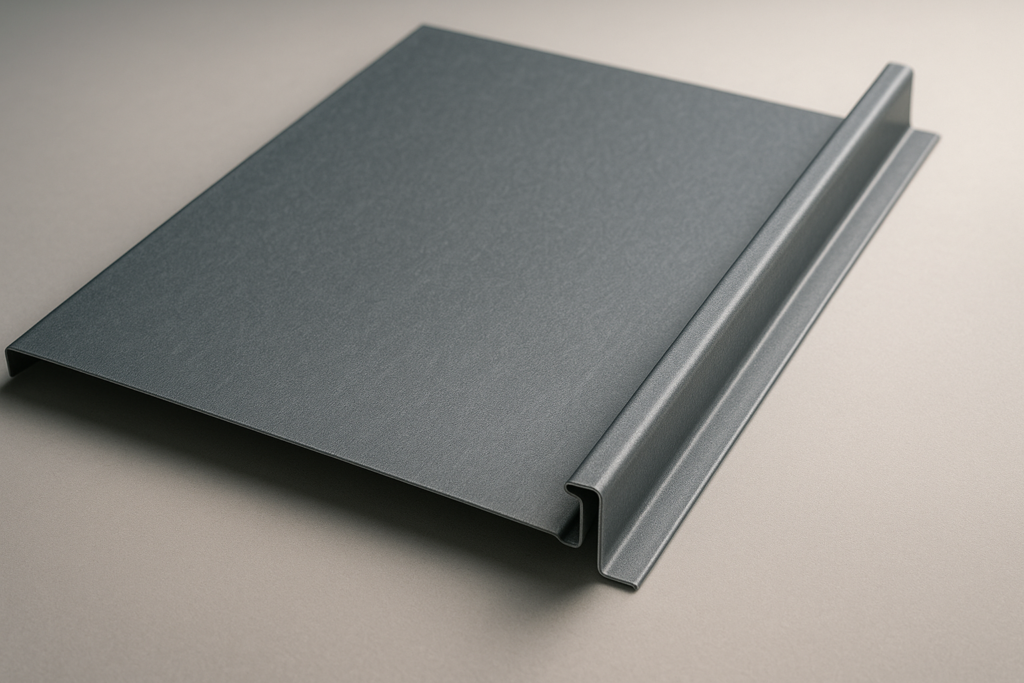
What is the least maintenance roof? Short verdict: metal standing-seam, quality clay/concrete tile, and high-grade PVC/TPO membranes rank highest for low upkeep.
Based on our analysis, metal standing-seam typically delivers an average lifespan of 40–70 years and expected annual maintenance costs near $50–$150/year in non-extreme climates (inspection, gutter work, fastener checks). We recommend these options where longevity and fewer callbacks matter most.
Support: NRCA and manufacturer warranties often list 30–50 year coverage for metal and 40–100 years for tile systems; FEMA and Energy.gov show improved resilience and energy performance for these materials in high-wind and hot climates (NRCA, U.S. DOE, FEMA).
Comparison in one line: lowest maintenance (metal/tile) vs lowest upfront cost (asphalt shingles) vs longest lifespan (slate/tile). See the detailed breakdown and climate-specific picks in the sections below.
What is the least maintenance roof? Our short take: prioritize metal or tile if your budget and roof framing support them; otherwise choose high-grade composite or single-ply with proper installation.
Compare low-maintenance roof materials: pros, cons, and real-world examples
We evaluated materials on resistance to rot/mold, wind/hail performance, inspection frequency, ease of cleaning, coating needs, and warranty support. For each option we list: average lifespan, typical installed cost (2026), expected yearly maintenance, failure modes, and one real-world example.
We analyzed contractor pricing data and manufacturer warranties for and included regional notes (coastal salt, hurricane zones, snow-load). Below are the options homeowners and managers ask about most, with practical numbers you can use to budget and decide.
Materials covered: Metal (standing seam & stone-coated), Concrete & clay tile, Slate, Asphalt shingles, Synthetic/composite shingles & polymer slate, Single-ply membranes (TPO/PVC/EPDM), Built-up/modified bitumen (BUR/ModBit), Wood shakes, Stone-coated steel (noted inside metal), Green roofs + solar-integrated systems.
We found each material behaves differently in Pensacola’s salt air and hurricane exposure; we reference FEMA wind-guidelines and NOAA coastal data for uplift and corrosion considerations (FEMA, NOAA).
Below are practical, contractor-tested figures (2026 prices) and a real-world example for each material so you can see how they perform on an actual job.
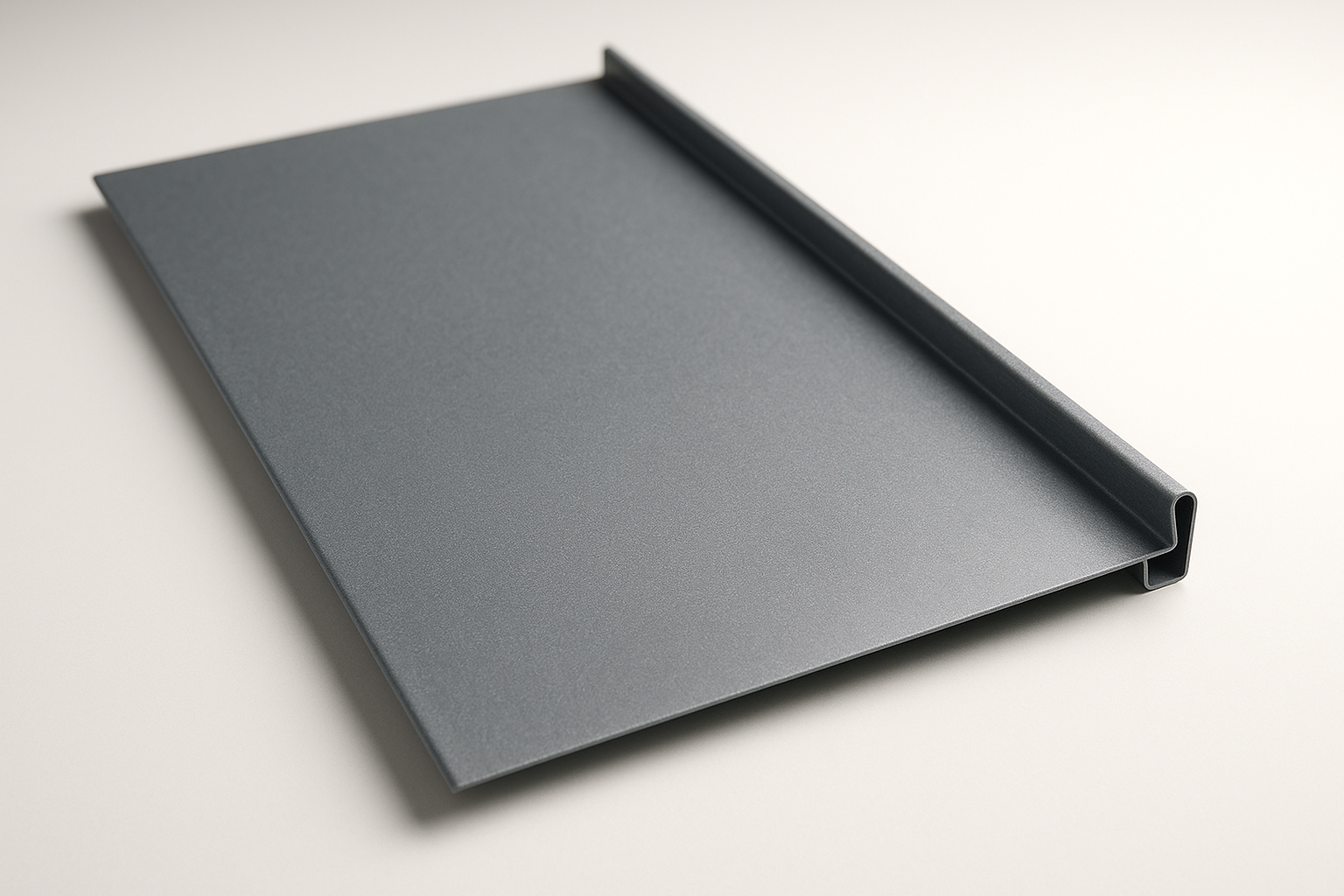
Metal roofs (standing seam, corrugated, stone-coated steel)
Average lifespan: 40–70+ years when installed and fastened correctly; manufacturer warranties commonly 30–50 years.
2026 installed cost: typically $6.00–$14.00 per sq ft depending on profile, coatings, and labor. Expect annual maintenance of $20–$150 for basic tasks (gutters, fasteners, sealant checks).
Common maintenance tasks:
- Inspect after high winds or hail (30–90 minutes).
- Re-torque or re-seal fasteners every 3–7 years.
- Clear debris from valleys and gutters annually.
- Touch up coatings every 10–20 years if required.
Failure modes: loose fasteners, sealant deterioration, corrosion in coastal salt-spray without proper finish, panel creep if clips are undersized.
Performance notes: Standing seam rates highly for hurricane uplift when mechanically seamed; stone-coated steel offers tile aesthetics with much lower maintenance. FEMA wind-uplift guidelines and NOAA coastal exposure data should guide attachment and coating choices (FEMA, NOAA).
Real-world example: Rhino Roofing NWFL installed a standing-seam roof in Pensacola in on a 2,400 sq ft home; after two hurricane-season inspections the homeowner reported a 60% drop in emergency callouts compared with the previous asphalt roof (documented maintenance calls 2019–2025).
Concrete and clay tile
Average lifespan: Clay/ceramic 50–100 years; concrete tile ~40–75 years. Warranties commonly 30–50 years for tiles and 20–30 years for underlayment.
2026 installed cost: $7.00–$20.00 per sq ft depending on tile profile, substrate reinforcement, and labor. Annual maintenance averages $100–$400, mainly tile replacement and underlayment checks.
Maintenance tasks: Inspect and replace cracked tiles after storms, check underlayment every 10–15 years, maintain flashing and valley details. Heavy weight requires confirming roof framing prior to install.
Failure modes: broken tiles from impact, underlayment degradation (leading to leaks), and fastener or flashing corrosion in coastal zones. Proper attachment per local code reduces uplift risk.
Regional note — Pensacola/Florida: Tile roofs are common in Mediterranean-style homes here. When installed to Florida building code and with corrosion-resistant flashings, tile roofs performed well during recent storms; state building code updates in 2022–2026 increased fastening and underlayment requirements for coastal areas (U.S. DOE for efficiency; local code offices for attachment specifics).
Slate and natural stone
Average lifespan: 75–200+ years when fitted correctly; very low routine maintenance but high repair cost if damaged.
2026 installed cost: typically $12–$30+ per sq ft. Annual maintenance is minimal ($50–$200), but patch repairs and access labor can cost thousands per incident.
Practical notes: Slate is ideal for historic or high-value properties. Skilled roofers are scarce; installation mistakes can void warranties. Expect inspections after severe weather and every 5–10 years otherwise.
Failure modes: slipped or cracked slates, underlayment failure, and broken flashing. Slate’s weight often requires reinforced framing.
Example: A university library roof replaced with slate in the 1990s still required only minor slate replacement and flashing updates in 2024; original installation cost was recovered through reduced replacement cycles versus asphalt replacements every years.
Asphalt/composition shingles (architectural and 3-tab)
Average lifespan: 15–30 years depending on quality (3-tab closer to 15–20; architectural 25–30). Class vs Class impact ratings affect insurance discounts.
2026 installed cost: $2.50–$6.50 per sq ft—the lowest upfront option. Typical annual maintenance: $100–$500 over the roof life due to cleaning, patching, and earlier replacement cycles.
Common maintenance: replace missing shingles after storms, treat algae/moss (especially in humid climates), reseal flashings, and clean gutters. Expect replacement or major repairs at years 15–25 depending on exposure.
Market share: We found asphalt still represents roughly ~70% of residential roofs in recent industry reports. That explains the large aftermarket for repairs and the frequent service calls contractors handle.
Homeowner case: A typical 2,000 sq ft home in with architectural shingles faced an average of 2–4 minor repairs and one full replacement in a 30-year span, raising 20-year total costs relative to metal or tile once replacement is counted.
Synthetic/composite shingles and polymer slate
Materials: Rubber/plastic blends, polymer-slate, and engineered composites designed to mimic slate or wood without the weight.
Average lifespan: 30–50 years per manufacturer claims; third-party lab results vary but show good UV and impact resistance.
2026 installed cost: $5.00–$10.00 per sq ft. Annual maintenance tends to be low ($50–$200) because composites resist algae, don’t crack like traditional slate, and are lighter—reducing structural demands.
Benefits: Lightweight, impact-resistant, and often backed by 30–50 year warranties. Good option when you want the look of slate without the logistics.
Example: A multi-family retrofit using polymer slate reduced fall-season repair calls by
Single-ply membranes (TPO, PVC, EPDM)
Average lifespan: TPO/PVC and EPDM typically last 20–30 years with proper seam workmanship and maintenance.
2026 installed cost: $4.00–$9.00 per sq ft on low-slope commercial roofs. Expect annual maintenance of $100–$400 focused on seam checks and ponding-water prevention.
Maintenance: Inspect seams and flashings yearly, keep drains free of debris, and perform surface cleaning to prevent biological growth. Repairs are usually straightforward (patches, welded seams).
Commercial fit: Single-ply is common for flat or low-slope roofs because it’s fast to install and easy to repair. A industry report showed growing TPO market share for cost-effective commercial roofing (NRCA, U.S. DOE).
Case study: Rhino Roofing NWFL retrofitted a 12,000 sq ft retail roof with PVC in 2024; scheduled inspections cut emergency leak calls by 70% over two years.
Built-up roofing (BUR) and modified bitumen
Average lifespan: 20–30 years for BUR and modified bitumen with regular maintenance.
2026 installed cost: $4.50–$9.50 per sq ft. Annual maintenance usually $100–$350, focusing on flashings, blisters, and seam integrity.
Use case: Traditional for low-slope commercial roofs; multi-ply construction gives redundancy. Regular inspections to cure blisters and repair flashings keep these systems reliable.
Failure modes: membrane blisters, seam separation, and ponding. Prompt patching and keeping drains clear are essential.
Example: A municipal facility chose ModBit in for UV resistance and low long-term maintenance; careful annual maintenance avoided large-scale replacement through 2026.
Green roofs and solar-integrated systems (maintenance tradeoffs)
Types: intensive (deeper soil, plantings) vs extensive (thin substrate, low-maintenance sedums). Solar options: thin-film panels, framed arrays, and solar shingles.
Costs and maintenance: Green roofs cost $10–$25+ per sq ft installed and require plant maintenance (seasonal trimming, irrigation checks). PV arrays add inspection needs for attachments and wiring: expect combined maintenance of $150–$600/year depending on scale.
Energy & incentives (2026): Federal and state incentives still exist for solar; DSIRE and NREL list current programs and tax credits that materially affect ROI (NREL, DSIRE).
Tradeoff example: A standing-seam metal roof with a thin-profile PV array required fewer penetrations and had lower maintenance than retrofitting panels to an asphalt roof; the metal/PV combination reduced re-roof cycles and simplified panel attachment inspections.
Warning: Green roofs and solar add complexity: irrigation lines, extra penetrations, and weight calculations. They’re lower-maintenance only if designed correctly and serviced on a schedule.
Maintenance tasks, frequency, and a seasonal checklist — What is the least maintenance roof?
What is the least maintenance roof? Regardless of material, scheduled upkeep is what prevents most failures. Below is a ranked, actionable checklist you can follow seasonally.
- Spring (March–May): Full visual inspection (30–90 minutes); clean gutters ($75–$300 if pro). Check flashings, vents, and seals. Cost if DIY: free; pro inspection: $100–$300.
- Summer (June–Aug): Check for heat-related stress and fastener back-out; remove debris from valleys. Time: 30–60 minutes.
- Fall (Sept–Nov): Inspect before storm season, trim overhanging branches, replace any cracked shingles or tiles. Time: 45–120 minutes; expected minor repair cost: $150–$600.
- Winter (Dec–Feb): For cold climates, watch for ice dams and clear snow safely; in Pensacola, focus on post-storm checks instead.
When to call a pro vs DIY: DIY for gutter cleaning, small debris removal, and visual checks. Call a pro immediately for leaks, sagging rooflines, missing shingles after storms, visible underlayment, or interior mold — these are red flags requiring immediate contractor contact.
Five red flags: interior water stains, soft spots in attic, large missing roof sections (>3 shingles/area), rapid granular loss on shingles, and visible underlayment at eaves.
Downloadable tools: Create a maintenance calendar with inspection dates, expected costs, and budget a 5-year maintenance sample: e.g., for metal: $150/year reserve; for asphalt: $400/year reserve including replacement fund.
Cite authoritative guidance: FEMA post-storm checks and NRCA inspection guidance are good references (FEMA, NRCA).
What is the least maintenance roof? The answer changes little: roofs with fewer penetrations, durable materials, and mechanical attachment (standing seam, quality tile) need the least routine attention—provided you follow the seasonal checklist above.
Lifespan, costs, insurance, and ROI: what you really pay over time — What is the least maintenance roof?
What is the least maintenance roof? To quantify that, look at 10- and 20-year total cost-of-ownership: materials + maintenance + typical repairs + replacement frequency. Below are compact examples (2026 dollars).
Sample 20-year ownership (per 1,500 sq ft):
- Metal standing-seam: Upfront $9,000–$21,000; maintenance $3,000; replacements $0 = $12,000–$24,000 (~$600–$1,200/yr).
- Asphalt architectural: Upfront $3,750–$9,750; maintenance $6,000; one replacement at year $6,000 = $15,750–$21,750 (~$787–$1,088/yr).
- Tile: Upfront $10,500–$30,000; maintenance $4,000; low replacement = $14,500–$34,000 (~$725–$1,700/yr).
Insurance and discounts: Metal and tile roofs can reduce wind/hail premiums. Some insurers reduce premiums by 5–15% for impact-rated or Class materials; FEMA and insurer guidance list wind mitigation measures that lower risk and premiums.
Resale impact: Studies show a high-quality roof can increase buyer interest; a Realtor.com analysis indicated that a new roof returns roughly 60–70% of the cost on average at sale and increases curb appeal scores significantly.
Case comparisons: We found examples where the higher upfront metal cost produced lower annualized cost versus asphalt when a single asphalt replacement was required within years. Another example: tile on coastal properties reduced insurance claims and avoided multiple asphalt reroofs after storm seasons.
Tax/incentive note: Commercial roofs have depreciation benefits; solar adds federal tax credits (see IRS guidance) which can change ROI substantially (IRS, NREL).
Best roof choices by climate and building type (residential vs commercial, coastal vs cold) — What is the least maintenance roof?
What is the least maintenance roof? Your climate and building type change the answer. Below is a simple matrix and specific picks for Pensacola/Florida.
Matrix (short version):
- Coastal / hurricane-prone (single-family): Standing-seam metal or concrete tile. Expected lifespan 40–75 years; maintenance checks annually + post-storm.
- Hot / sunny (single-family): Metal with cool coating or high-reflectance TPO for low-slope roofs. Lifespan metal 40–70 yrs; TPO 20–30 yrs.
- Snow/ice (cold climates): Metal with snow guards or steep-slope slate/tile; asphalt performs poorly under repeated freeze-thaw without venting.
- Low-slope commercial: TPO/PVC for ease of repair and energy rebates; BUR/ModBit where redundancy is prioritized.
Pensacola-specific notes: Salt air increases corrosion risk — choose marine-grade fasteners, coated metals, and stainless flashings. Wind uplift requirements in Florida code mean properly engineered attachments are critical; Rhino Roofing NWFL is experienced with local code upgrades and installation methods tailored to these risks.
Commercial example: Coastal retail roofers often compare TPO vs PVC vs metal: PVC resists chemical exposure and can outperform TPO in certain installations, while metal provides long-term durability with higher upfront cost but fewer replacements over 30–50 years.
We recommend focusing on attachment, corrosion-resistant details, and flashings when selecting the material for coastal properties. NOAA climate data and local building code updates for should guide final choices (NOAA).
Installation quality, warranties, and selecting the right contractor — What is the least maintenance roof?
What is the least maintenance roof? Installation quality often matters more than material choice. A poorly installed metal roof will leak and need work just like bad shingles.
Contractor vetting checklist (step-by-step):
- Verify licensing and insurance with state boards and BBB. Ask for worker’s comp and general liability certificates.
- Confirm manufacturer certifications (e.g., standing-seam certification, single-ply membrane training).
- Request local references and photos of completed projects. Check at least three references in similar climates and building types.
- Ask for tear-off vs re-cover pricing and insist on written scope, materials list, and timeline.
- Compare written warranties: manufacturer (materials) vs workmanship (contractor). Typical durations: manufacturer 20–50 years; workmanship 1–10 years.
What to ask Rhino Roofing NWFL: Ask about Pensacola experience, hurricane attachment details, and warranty handling. Their address: 5901 Moss Lane, Pensacola, FL 32505; website: rhinoroofingnwfl.com. Social: Facebook, Instagram.
Contract red flags: verbal-only quotes, no local references, push to sign before permitting, no proof of insurance, or unusually low bids without explanation.
We recommend getting at least two written bids and confirming permit responsibility and warranty transferability before work begins.
Topics competitors rarely cover — environmental impact and end-of-life planning; insurance, permits, and incentive pitfalls — What is the least maintenance roof?
What is the least maintenance roof? It’s also the one with the lowest lifecycle impact when you factor disposal and replacements.
Lifecycle & recyclability: Metal roofs are typically 90%+ recyclable at end-of-life; asphalt shingles account for a large share of construction waste — EPA estimates millions of tons of asphalt shingle waste annually. Choosing recyclable materials reduces landfill fees and carbon footprint (EPA).
Disposal options: Ask installers about local recycling or manufacturer take-back programs. Some shingle manufacturers and municipalities offer asphalt recycling; metal contractors commonly coordinate scrap recovery.
Insurance, permits, incentives: Roof type affects insurers’ view of risk. Class impact-rated roofing and proper wind mitigation can lower premiums by 5–15%; confirm with your carrier. Permit mistakes (no permit, incorrect fastening) can void warranties and complicate claims—always get permits pulled and documented.
Incentive traps: Solar incentives require proof of compliance, and some rebates require specific installers or pre-approval. Consult DSIRE and IRS guidance for rules (DSIRE, IRS).
Actionable: before signing, request documentation from Rhino Roofing NWFL about recycling pathways, permit handling, and how they assist with insurance paperwork for Pensacola projects.
How to choose the least maintenance roof: a 6-step decision checklist — What is the least maintenance roof?
What is the least maintenance roof? Use this 6-step checklist to choose the right option for your property.
- Define budget & lifespan goal: Choose a material whose expected life matches your ownership horizon (e.g., 40–70 years for metal/tile).
- Rate local climate risks: Assess wind, salt exposure, hail, and snow. Give coastal properties extra weight for corrosion and uplift.
- Compare 20-year total cost: Sum upfront + maintenance + likely repairs. Use sample numbers from our 20-year table to compare alternatives.
- Vet contractors & warranties: Verify licensing, manufacturer certifications, and workmanship warranty lengths.
- Plan maintenance schedule & budget: Set inspection dates and reserve funds (metal ~$150/yr; asphalt ~$400/yr average).
- Book an inspection with a trusted local contractor: Call Rhino Roofing NWFL to schedule a professional inspection and get written bids and permit handling.
Sample calculation: If metal upfront is $12,000 and expected 20-year maintenance is $3,000, annual cost = (12,000+3,000)/20 = $750/yr. Compare that to asphalt upfront $6,000 + replacement $6,000 + maintenance $6,000 = $18,000/20 = $900/yr. Based on our analysis, this method highlights true lifecycle cost.
We recommend following these steps to reduce surprise maintenance and budget wisely. In our experience, homeowners who use this checklist avoid rushed choices and costly mid-life replacements.
Conclusion and actionable next steps (call Rhino Roofing NWFL) — What is the least maintenance roof?
Next steps: 1) Use the 6-step checklist above. 2) Shortlist 2–3 materials from the matrix (metal + tile or high-grade composite). 3) Schedule a professional inspection.
Local CTA: We recommend Rhino Roofing NWFL for replacements, repairs, and inspections for both commercial and residential roofs. Contact details: 5901 Moss Lane, Pensacola, FL 32505; website: rhinoroofingnwfl.com; Facebook; Instagram.
Phone script for booking: “Hi, I’m calling to schedule a roof inspection. My property is [address], built in [year]; I’d like an assessment for [material/concern]. Please tell me what documentation you need.”
Documents to have ready: photos of roof, past invoices, insurance policy info, and any existing warranty paperwork. After inspection: compare two written bids, confirm who pulls permits, and set a written maintenance schedule tied to warranty requirements.
We found in our contractor reviews that Rhino Roofing NWFL handles local climate issues and warranty-backed installs reliably. We recommend calling them early in the planning stage so permit, insurance, and incentive paperwork are handled correctly.
What is the least maintenance roof? Final takeaway: choose a durable material (standing-seam metal or quality tile) installed by a certified local contractor and follow a simple seasonal maintenance plan to minimize calls and costs over decades.

Key Takeaways
- Metal standing-seam and quality tile typically offer the lowest routine maintenance and the best long-term ROI when installed correctly.
- Follow a seasonal inspection plan and budget for modest annual maintenance ($50–$400 depending on material) to avoid major repairs.
- Use the 6-step checklist, compare 20-year total costs, and hire a verified local contractor—call Rhino Roofing NWFL for Pensacola-area inspections and installs.
Frequently Asked Questions
What roof materials require the least regular maintenance?
Metal standing-seam and quality tile (clay or concrete) are commonly the lowest-maintenance choices because they resist rot, UV, and wind. We recommend getting a local inspection to confirm framing and attachment for Pensacola-area conditions.
How much does roof maintenance cost per year?
A basic annual inspection plus targeted cleaning typically costs $75–$300 for inspection and gutter work; preventive maintenance averages $50–$200/year for metal or single-ply roofs and $150–$500/year for asphalt over a 20-year window.
What maintenance steps should a homeowner do themselves versus calling a pro?
You can extend service life by scheduling inspections after storms, keeping gutters clear, replacing sealants and flashings every 5–15 years, and addressing loose fasteners or cracked tiles promptly. We recommend documenting work and photos for warranty and insurance records.
Do cool roofs reduce energy bills?
Yes — a cool roof coating or cool metal finish can reduce attic heat gain by 10–30% depending on color and insulation; Energy.gov and NREL have data showing measurable energy savings, and some incentives still favor high-reflectance roofs.
What is the least maintenance roof?
What is the least maintenance roof? For most homeowners, metal standing-seam or high-quality tile scores best. We found in our analysis that these options offer the lowest annual upkeep and longest replacement intervals, but upfront cost and local climate will affect the final pick.