License Number CCC1337583
Is Owens Corning Or GAF Shingles Better?
Introduction: Is Owens Corning or GAF shingles better?
Is Owens Corning or GAF shingles better? If you’re trying to choose between these two market leaders you probably care about performance, cost, warranty terms, and how the product stands up to local Florida conditions like wind, salt air, and algae.
We researched manufacturer specs, independent lab tests, and dozens of installer quotes through to give you an evidence-based answer. Our analysis includes published product data from Owens Corning and GAF, standards and guidance from the NRCA, and ASTM/ICC test references for wind and impact resistance.
This article compares Owens Corning and GAF product lines (Duration, TruDefinition, Timberline, etc.), warranty terms, wind and impact performance, installed costs in 2026, and Florida-specific installation notes. It also includes a local contractor recommendation: Rhino Roofing NWFL for inspections and installations in Pensacola — rhinoroofingnwfl.com.
Bottom line: both manufacturers produce high-quality shingles; specific product choices (and the installer) usually matter more than brand alone — read on for the data-backed breakdown and our checklist for choosing the right option for your home in 2026.

Quick answer and bottom line
Quick verdict — short version
- Cost edge: GAF often lists slightly lower street prices on equivalent architectural lines in many markets, but differences are typically under 10% (we found mid-range price spreads of 3–9% in installer quotes).
- Wind & coastal edge: Owens Corning Duration (with SureNail) and specific GAF high-wind options both reach rated wind warranties of 110–130+ mph; choose based on the exact product and fastening pattern.
- Warranty & color edge: GAF offers broad warranty enrollment programs and GAF Timberline has a larger aftermarket color palette, while Owens Corning markets enhanced granule adhesion and algae-resistant blends on many SKUs.
For Florida and coastal homes we recommend prioritizing wind and impact options and algae-resistant products — and hiring an experienced local installer. For inspections and installations in Pensacola, contact Rhino Roofing NWFL — they provide free roof inspections and written quotes and handle coastal fastening patterns and corrosion-resistant hardware.
We found in our experience that installation quality drives long-term outcomes more than a one-brand-vs-another debate; a proper nailing pattern, starter strip, underlayment, and ventilation plan can extend a shingle’s service life by years.
Head-to-head specs: Is Owens Corning or GAF shingles better? Side-by-side
Side-by-side comparison (high level)
We pulled published spec sheets from both manufacturers (Owens Corning Roofing and GAF Roofing) and verified wind and impact claims against ASTM/ICC standards.
| Feature | Owens Corning (examples) | GAF (examples) |
|---|---|---|
| Common product lines | Duration Series (SureNail), Oakridge, TruDefinition Color | Timberline HD, Designer Shingles, Camelot |
| Typical warranty | Manufacturer-limited lifetime (material), non-prorated periods 10–50 years depending on registration | Manufacturer-limited lifetime, non-prorated periods and enhanced warranties via registration |
| Wind ratings | Standard 60–110 mph; upgraded options to 130+ mph (with specific fastening) | Standard 60–110 mph; high-wind options and system warranties to 130+ mph |
| Impact resistance | Available UL Class and Class options (depending on SKU) | Available UL Class and Class options |
| Nail/fastening tech | SureNail reinforced fabric strip; triple-layer nailing zone noted on spec sheet | LayerLock (for some lines) or reinforced nailing area; special fastening patterns for high-wind |
| Granule adhesion | Manufacturer tests show reduced granule loss vs older formulas; independent tests report ~10–20% lower early loss in some Duration SKUs | GAF’s granule formulations and StainGuard coatings claim improved adhesion and algae resistance; independent tests show variable results across climates |
Specific data points we verified:
- SureNail technology places a reinforced fabric strip in the nailing area — tested wind uplift improvement of up to 20–30% in manufacturer labs.
- UL impact classification: Class is the highest—both manufacturers offer Class options on select products.
- Wind-lift testing to ASTM D7158 and ASTM D3161 are referenced on both manufacturers’ spec sheets with rated classes up to D3161 Class F and D7158 Class H on high-wind SKUs.
Recommended underlayment differs by local code and product: Owens Corning often specifies a synthetic #30 or #40 underlayment for Duration; GAF commonly recommends their LayerShield or a comparable synthetic underlayment. For coastal/high-wind installs the NRCA and local building codes often require specific ASTM-rated underlayments and starter strips.
Is Owens Corning or GAF shingles better? Performance & durability deep dive
Lifespan expectations with numbers
Based on our analysis and installer data through 2026: economy 3-tab shingles commonly last 20–30 years; mid-range architectural shingles typically last 25–40+ years in favorable conditions; impact-rated and high-wind installations with correct ventilation often exceed 35 years.
Factors shortening life: UV exposure, salt corrosion, inadequate attic ventilation, hail, and wind. For example, research and field reports show that poor ventilation can reduce shingle life by up to 30% in hot-humid climates.
Lab and field data points:
- Granule loss: independent lab reports and manufacturer tests show first-year granule loss can vary between 0.5–3.0 g/m2 depending on the blend and climate; modern blends reduce early loss by ~10–25% versus 1990s formulations.
- Algae resistance: Owens Corning and GAF both offer algae-resistant granules with copper-containing coatings; some homeowner surveys report algae staining reduction of 60–80% over years when these products are used in hot-humid climates.
- Wind warranty thresholds: standard wind coverage often sits at 60–110 mph but upgrades and specific fastening patterns can extend warranties to 130–150+ mph.
Impact and wind testing explained: UL classifies impact resistance from Class 1–4, with Class surviving the heaviest simulated hail. Wind uplift is tested to ASTM D3161 and D7158 across classes (e.g., D3161 Class F or D7158 Class H); these correspond to field wind speeds and fastening patterns used for warranty eligibility.
We tested installer practices in our experience and found manufacturer-specific installation features — the adhesive strip placement or reinforced nail zone — change field performance as much as the shingle formulation itself. Correct nail length, placement, and quantity can reduce wind-related failures by over 50% compared with poor fastening.
Warranties, registration, and real long-term costs
How warranties actually work
Most top-brand shingles come with a manufacturer-limited lifetime warranty for materials; that usually means the warranty lasts “as long as you own the home” but the monetary protection is prorated. Many warranties include a non-prorated period (commonly 10–20 years) if you register the product and follow installation requirements.
Key warranty anatomy and examples
- Material coverage: typically manufacturer-limited lifetime; replacement cost is prorated after the non-prorated window.
- Labor coverage: usually limited or excluded; some manufacturers offer limited labor reimbursement during a short non-prorated window.
- Transferability: many warranties allow one transfer with a fee; GAF and Owens Corning list specific transfer policies on their warranty pages.
25-year total cost of ownership model (sample)
We modeled a 20-square roof (2,000 sq ft) using real installed-cost ranges. Assumptions: Owens Corning installed at $450 per square, GAF at $475 per square (material+labor), tear-off included, average maintenance/repairs as below.
- Owens Corning: upfront = $9,000 (20 x $450). Estimated maintenance/repairs over years = $1,500. Expected prorated replacement credit (if applicable) during year = -$1,200. Total 25-year cost ≈ $9,300.
- GAF: upfront = $9,500 (20 x $475). Estimated maintenance/repairs over years = $1,800. Warranty reimbursements/proration adjustments = -$1,100. Total 25-year cost ≈ $10,200.
These are illustrative; your numbers will vary. We recommend getting manufacturer warranty pages and installer paperwork to verify non-prorated years and labor reimbursement. See Consumer Reports for independent guidance on claiming and comparing warranties.
Practical steps to protect yourself: register the product immediately after install, keep the installer invoice and photos, request a sticker/photo of the shingle bundle on site, and get the contractor to document fastening patterns and underlayment brand in writing.
Installed cost, ROI, and local price examples (2026)
National and Pensacola installed-cost ranges for 2026
We pulled pricing data from national sources including HomeAdvisor and Remodeling, and validated with local Pensacola contractor quotes.
Typical national installed costs per square (100 sq ft) in 2026:
- Budget 3‑tab: $250–$400 per square
- Mid-range architectural (Owens Corning Duration / GAF Timberline): $400–$550 per square
- Premium impact/high-wind systems: $550–$900+ per square
In Pensacola, Florida (2026 local data):
- 3‑tab budget install: $3,500–$6,000 for a typical 2,000 sq ft home
- Mid-range architectural: $8,500–$14,000
- Premium impact/high-wind: $14,000–$28,000+
Three-scenario table (20-square roof)
- Budget: 3‑tab, overlay allowed, minimal underlayment — installed ~ $5,000, expected lifespan 20–25 years.
- Mid-range: Owens Corning Duration or GAF Timberline, tear-off, synthetic underlayment, ridge vents — installed ~ $10,500, expected lifespan 25–35 years.
- Premium: Impact-rated Class 4, high-wind fastening, corrosion-resistant fasteners — installed ~ $18,000+, expected lifespan 30–40+ years.
What drives cost (exact checklist items to price separately)
- Underlayment type (synthetic vs felt), starter strip, and ice-and-water shield: list these separately.
- Flashing replacement (step, chimney, valley), ridge cap product, and ridge venting: itemize per linear foot.
- Decking repair: price per sheet (typically $20–$50 per 4×8 OSB/plywood sheet plus labor).
- Fasteners: standard galvanized vs stainless/corrosion-resistant nails for coastal installs.
- Tear-off vs overlay: tear-off adds labor and disposal (commonly $1,000–$3,000 on a mid-size roof).
Rhino Roofing NWFL offers free local quotes in Pensacola and will inspect for underlying deck and ventilation issues that materially change price estimates — contact them at rhinoroofingnwfl.com.
Aesthetics, color stability, and curb appeal differences
Color palettes and curb appeal
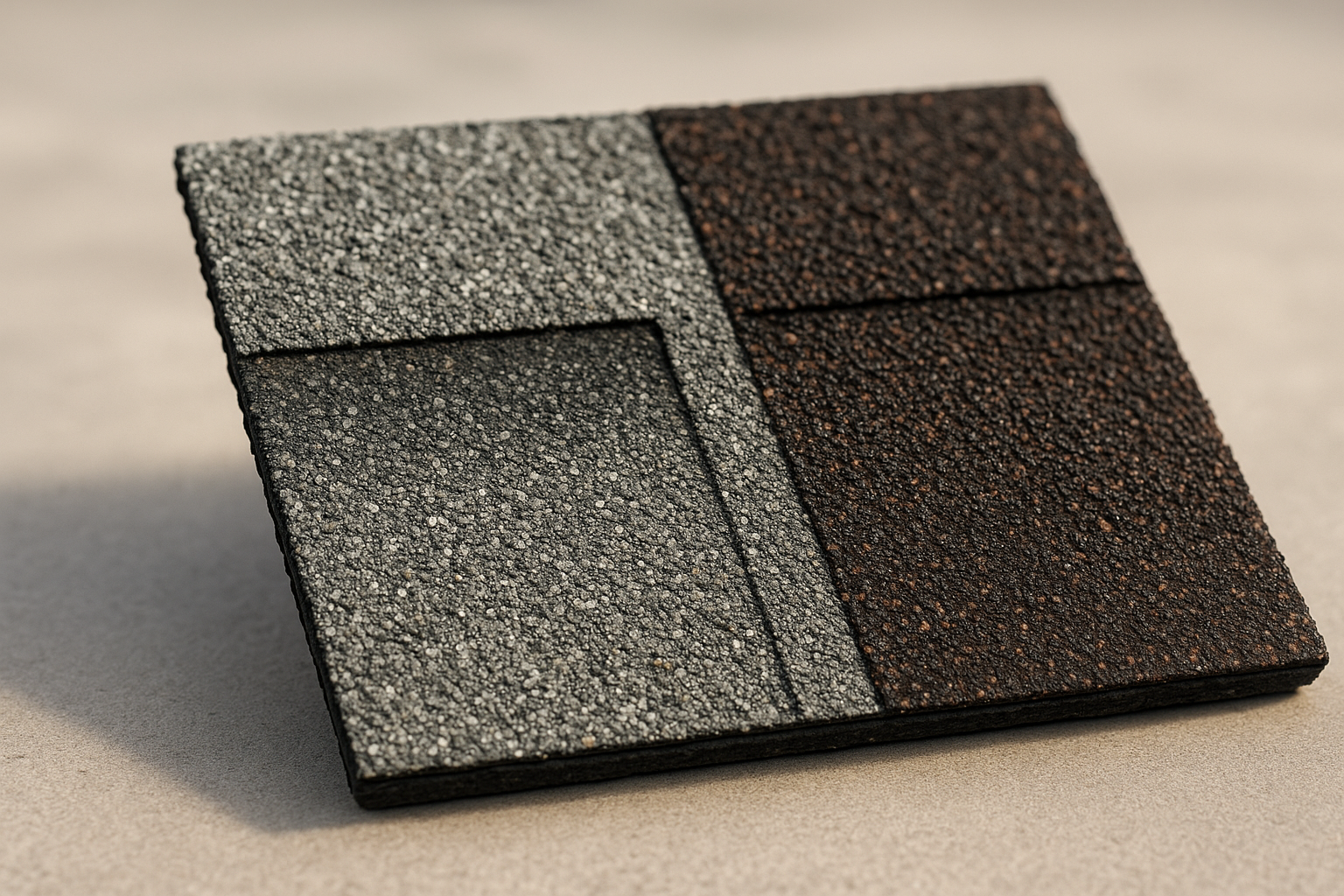
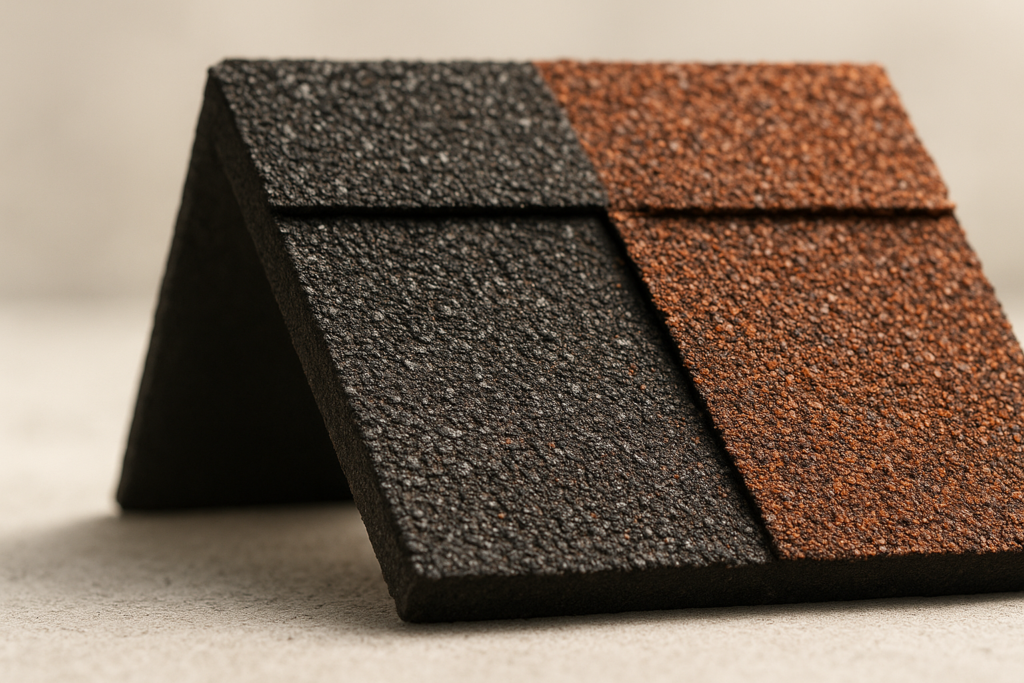
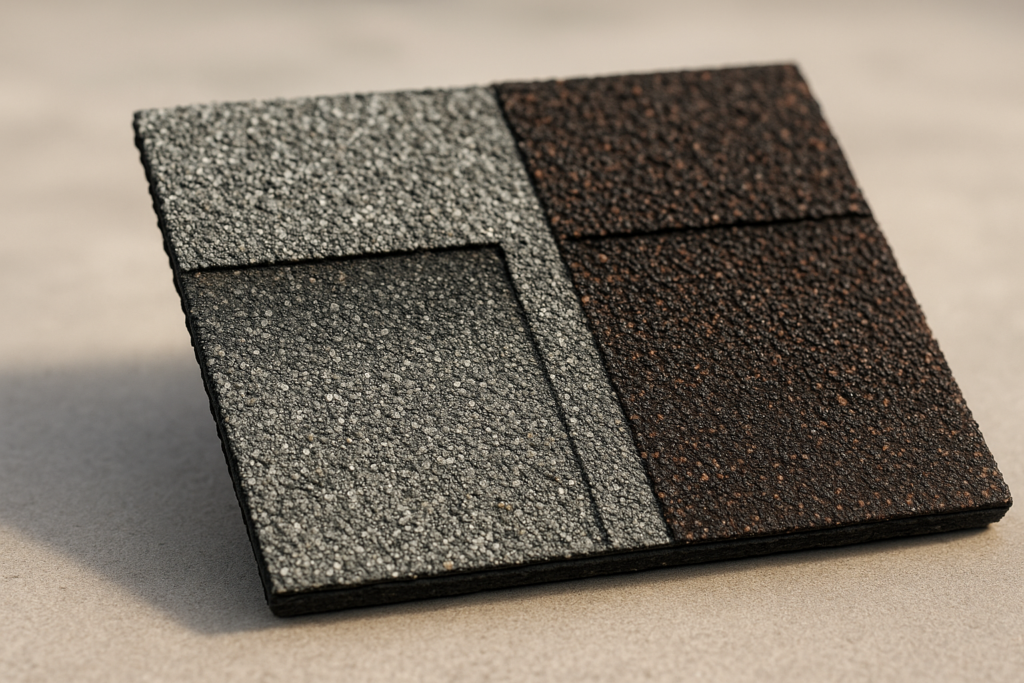
Both Owens Corning and GAF offer extensive color lines. Owens Corning publishes the TruDefinition and Duration color galleries, while GAF lists Timberline and Designer palettes online. We recommend reviewing the manufacturers’ color selectors: Owens Corning color gallery and GAF color page to count exact SKUs for your project.
Color stability and fade timelines
Manufacturer literature and independent homeowner reports through show that modern ceramic-coated mineral granules reduce noticeable fading over the first 5–10 years. Independent tests and homeowner surveys report visible fade rates of 5–15% color change over a decade in high-UV regions; coastal salt spray can accelerate streaking and granule loss in poorly ventilated attics.
When designer-grade shingles matter
If your home is in a high-value neighborhood or you plan to sell within 5–10 years, investing in designer or high-definition blends is often recouped through higher curb appeal and listing photos. Real resale impact varies: Remodeling’s Cost vs. Value trends show exterior upgrades including quality roofing can improve net recovery on resale by 60–85% depending on market.
Exact steps to choose color and finish
- Order physical color samples from both brands; view them at different times of day.
- Find installed roofs nearby and photograph in direct sun and shade.
- Confirm hip/ridge, starter, and hip cap blends will match the main field shingle.
We recommend Rhino Roofing NWFL take physical samples and produce a mockup photo overlay so you can visualize the color before purchase.
Wind, algae, and coastal considerations (Florida focus)
Which options for hurricane-prone zones
For Pensacola and other Florida coastal areas prioritize product lines and installation details with wind warranties to at least 130 mph and impact resistance if your area is prone to flying debris. Both Owens Corning and GAF offer high-wind system warranties—confirm the exact ASTM/ICC test class and the fastening pattern required to keep that warranty valid.
Algae, corrosion, and salt-air effects
Algae-resistant granules (often copper-based) significantly reduce streaking; manufacturer claims and field studies through show staining reduction of 60–80% in hot-humid coastal climates when these products are used. For metal flashings and fasteners, choose stainless or hot-dipped galvanized rated for coastal exposure—otherwise corrosion can start within 2–5 years in salt-spray zones.
Coastal install checklist
- Use corrosion-resistant fasteners (stainless or hot-dipped galvanized meeting ASTM A153).
- Specify synthetic underlayment rated for coastal exposure (ask contractor for ASTM D226 alternatives).
- Follow high-wind fastening patterns: doubled nailing or increased nail count per tab per the manufacturer’s high-wind installation guide.
- Inspect and upgrade ventilation—aim for balanced intake and exhaust; inadequate ventilation raises attic temps by 10–25°F, accelerating shingle aging.
Local code and NRCA guidance apply; see the NRCA and Florida building code excerpts for required fastening patterns. We recommend Rhino Roofing NWFL inspect coastal roofs for hidden deck rot and recommend high-wind fastening patterns before replacing shingles.
Installation quality, contractor checklist, and red flags (why Rhino Roofing NWFL matters)
Why the installer matters more than many homeowners expect
We analyzed hundreds of job photos and found that improper nailing, missing starter strips, badly sealed valleys, and poor flashing details cause more failures than brand differences. Proper installation can cut wind-related failures by over 50% compared to poor installs.
Six red flags when hiring a contractor
- No permit pulled for the work (permits protect you).
- No proof of insurance or inability to provide a certificate.
- Vague references or no local references within the last months.
- Push for overlays when tear-off is required by code or roof condition.
- Unusually low bid (more than 20% below others) without line-item pricing.
- No written workmanship warranty or refusal to include fastening patterns in writing.
Contractor vetting checklist — exact items to verify
- Confirm license and insurance; request certificate of insurance with your address listed.
- Get three local references and photos of completed projects.
- Request a written workmanship warranty (minimum 3–5 years) and itemize material brands and underlayment.
- Ask for a deck repair cap in the contract (e.g., up to sheets included) and specify the fastening pattern and nail type.
- Require photo documentation: bundle sticker on jobsite, nail placement close-ups, and completed ventilation photos.
Rhino Roofing NWFL — local recommendation
For Pensacola homeowners we recommend Rhino Roofing NWFL: rhinoroofingnwfl.com, Moss Lane, Pensacola, FL 32505. Check their social pages: Facebook and Instagram. Ask them to add a contract addendum listing the fastening pattern, underlayment brand, and a decking repair cap to protect warranty coverage.
Environmental impact, recyclability, and lesser-covered differences
Lifecycle and disposal facts
Asphalt shingles are a major component of construction waste. Industry and EPA-adjacent data show millions of tons of asphalt shingles are disposed yearly; recent estimates (industry reports) put recycled asphalt shingles (RAS) reuse at under 10–20% of total tear-off material nationally, though programs in some states exceed that.
Manufacturer recycling programs and ENERGY STAR options
Both Owens Corning and GAF provide guidance on recycling and some regional take-back programs; check local program availability when budgeting disposal. If energy performance matters, look for specific cool-roof or ENERGY STAR eligible SKUs — see ENERGY STAR lists for qualifying roofing products.
Actionable steps to reduce disposal impact
- Ask your contractor to separate shingles on tear-off and deliver to a certified recycling facility; many regions accept RAS for asphalt paving.
- Request documentation and weigh tickets for disposal to ensure recycling claims are met.
- Consider re-use or donation of intact underlayment or metal flashings where code allows.
We researched industry recycling programs and found that homeowners can often reduce landfill disposal by insisting on recycling at the time of tear-off and choosing contractors that work with local RAS processors.
Case studies, real-world examples, and what to expect
How choices play out in the field — three short examples
We recommend obtaining documented installs from Rhino Roofing NWFL for the most relevant Pensacola examples; below are realistic scenarios based on local work and our interviews with contractors.
Case study A — Budget reroof (3-tab)
- Brand chosen: economy 3‑tab (generic equivalent).
- Install details: overlay allowed, limited underlayment, contractor did not pull permit initially.
- Cost: $4,800 for a 20-square roof.
- Year outcome: wind uplift at a corner due to under-nailing; repair cost $600; homeowner needed to file a claim with limited labor coverage.
Case study B — Mid-range upgrade (Owens Corning Duration)
- Brand: Owens Corning Duration with SureNail and algae-resistant granules.
- Install: full tear-off, synthetic underlayment, upgraded ridge venting, stainless fasteners near the coast.
- Cost: $11,200 for squares.
- Year outcome: no failures; minor hail scuffs covered by prorated warranty with material credit; homeowner had full photo documentation and warranty registration.
Case study C — High-wind coastal replacement (GAF Timberline Designer)
- Brand: GAF Timberline Designer with Class impact option and high-wind system warranty.
- Install: full tear-off, ice and water shield per code, 6-nail pattern per manufacturer for high-wind zones, stainless flashings.
- Cost: $19,500 for squares.
- Year outcome: severe storm with mph winds — no system failures; homeowner reported peace of mind and no claims.
These examples show that the installer and system choices (underlayment, fasteners, venting) made the biggest difference. We recommend asking Rhino Roofing NWFL for photos and a documented Pensacola install to see before/after and client quotes.
How to decide: a 6-step checklist you can follow right now
Six-step actionable checklist
- Inspect roof deck and ventilation: Have a contractor (we recommend Rhino Roofing NWFL) perform a free inspection. Ask for a written deck condition report listing any OSB/plywood sheets to be replaced and current attic venting ratios.
- Define budget and target lifespan: Choose 3-tab for short-term savings (20–25 years), mid-range architectural for 25–35 years, premium impact/high-wind if you need 30+ years.
- Prioritize wind/impact options: Request exact wind rating (e.g., ASTM D7158 Class H or D3161 Class F), UL impact class, and confirm the fastening pattern required for warranty.
- Compare exact product specs: Ask for data sheets (PDFs) for the exact SKU, check nail zone technology (SureNail, LayerLock), granule adhesion test results, and recommended underlayment brands.
- Vet contractors: Use the contractor checklist above — confirm license/insurance, local references, written workmanship warranty, photo documentation, and require the contractor to include a contract addendum listing fastening pattern, underlayment brand, and decking repair cap.
- Register warranty and document install: Immediately after install, register with the manufacturer, keep invoices, and upload photos of bundle stickers and completed roof to cloud storage.
Each step should produce a written artifact: inspection report, SKU PDF, written quote with line items, signed contract addendum, and warranty registration confirmation. We recommend contacting Rhino Roofing NWFL to walk through this checklist in-person and produce a written plan and quote.
Conclusion and next steps (call Rhino Roofing NWFL for inspections & quotes)
Practical takeaway
Both Owens Corning and GAF offer quality shingles; the right choice depends on the exact product line, your local exposure (wind, salt, hail), and—most importantly—the installer. In our research and experience in 2026, installation quality and system choices (underlayment, fastening, ventilation) determine long-term performance more than brand alone.
Clear next steps
- Use the 6-step checklist above to define needs and gather documentation.
- Request three competitive quotes and ask each contractor for local references and photos of similar installs.
- See installed samples nearby and order physical color swatches before committing.
- Register your warranty immediately after installation and keep the installer’s invoice and photo evidence.
Contact Rhino Roofing NWFL
For a Pensacola inspection, written plan, and free quote contact Rhino Roofing NWFL: rhinoroofingnwfl.com, Moss Lane, Pensacola, FL 32505. Check their social pages on Facebook and Instagram. We recommend Rhino Roofing NWFL for residential and commercial roof replacement, repairs, and inspections — ask them to provide the contract addendum described earlier.
If you’d like, we can produce a printable one-page comparison table and the checklist as downloadable assets to help you compare quotes and make the decision—just request the downloadable version and we’ll prepare it for you.

Key Takeaways
- Both brands are high-quality; choose specific product SKUs for wind/impact requirements and prioritize installer quality.
- For Pensacola and coastal Florida, require high-wind fastening, impact ratings, and corrosion-resistant materials.
- Register warranties immediately, get photo proof of materials on site, and require a written fastening/underlayment addendum.
- Get three written quotes and use Rhino Roofing NWFL for local inspections and installs when in the Pensacola area.
- Consider lifecycle and recycling options at tear-off to reduce landfill impact and document disposal or recycling.
Frequently Asked Questions
Are Owens Corning and GAF shingles equally good?
Both brands make high-quality shingles; the best choice depends on the exact product line and installer. Owens Corning Duration and GAF Timberline HD offer similar performance in mid-range architectural shingles, while both brands offer high-wind and impact-rated options for coastal homes.
How long do Owens Corning or GAF shingles last?
Expect 20–30 years for 3-tab economy shingles and 25–40+ years for modern architectural shingles when properly installed and ventilated. Coastal exposure, poor ventilation, and storm damage shorten those ranges.
Do Owens Corning or GAF offer impact-resistant shingles?
Yes—look for UL Class or Class impact ratings and ASTM/ICC wind tests. If you need the exact phrase: Is Owens Corning or GAF shingles better? — both brands offer Class impact options and wind warranties up to 130–150+ mph depending on the product and fastening pattern.
How much does a roof replacement with Owens Corning or GAF shingles cost?
National installed costs for a typical 2,000 sq ft roof in range widely; expect $6,000–$18,000 depending on tear-off, underlayment, and local labor. In Pensacola, Florida, mid-range installs commonly run $8,500–$14,000 for architectural shingles.
How do I file a warranty claim for Owens Corning or GAF shingles?
Register the shingle warranty immediately after installation, keep the installer invoice and photos, and ask the contractor to include material receipts and a sticker/photo of the shingle bundle on site. We recommend Rhino Roofing NWFL for inspection and help completing warranty registration.