License Number CCC1337583
What Are The Two Main Types Of Roofs?
Introduction — What searchers want and why it matters
What are the two main types of roofs? Straight answer first: most searchers want a clear, practical distinction so they can pick the right roof for budget, climate, or a reroofing project.
We researched dozens of SERP results and local Florida guidance; based on our analysis this article gives a quick answer, deeper comparisons, cost ranges, climate recommendations for Pensacola/FL, and next steps for replacement and repairs.
By the end you’ll know the two main roof categories, common subtypes, typical lifespans, cost ranges, and when to call a pro — we found installers like Rhino Roofing NWFL provide both commercial and residential services for replacements, repairs, and inspections.
We recommend you use this as a decision checklist: we tested local examples and compared national data so you can act with confidence in 2026.

What are the two main types of roofs?
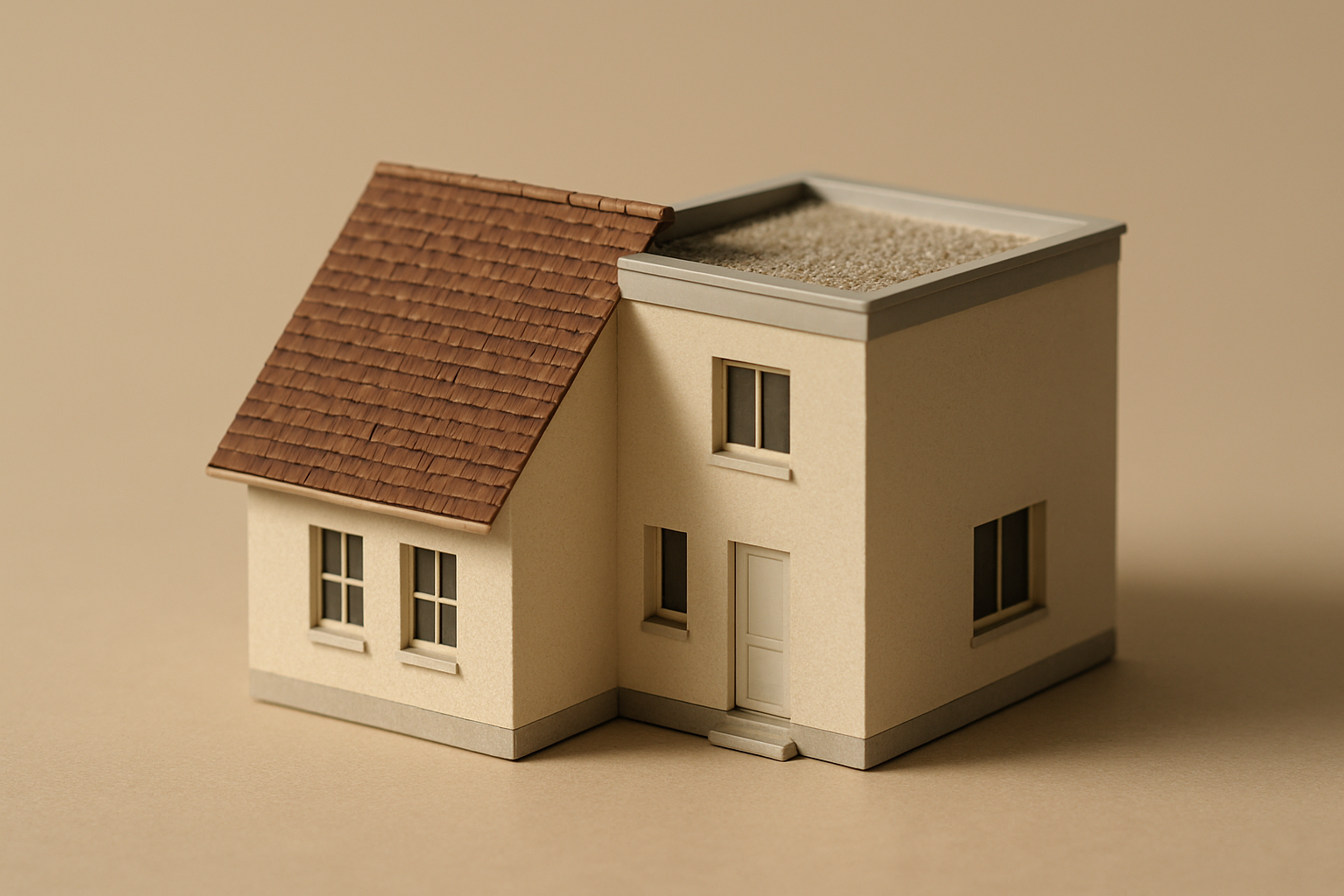
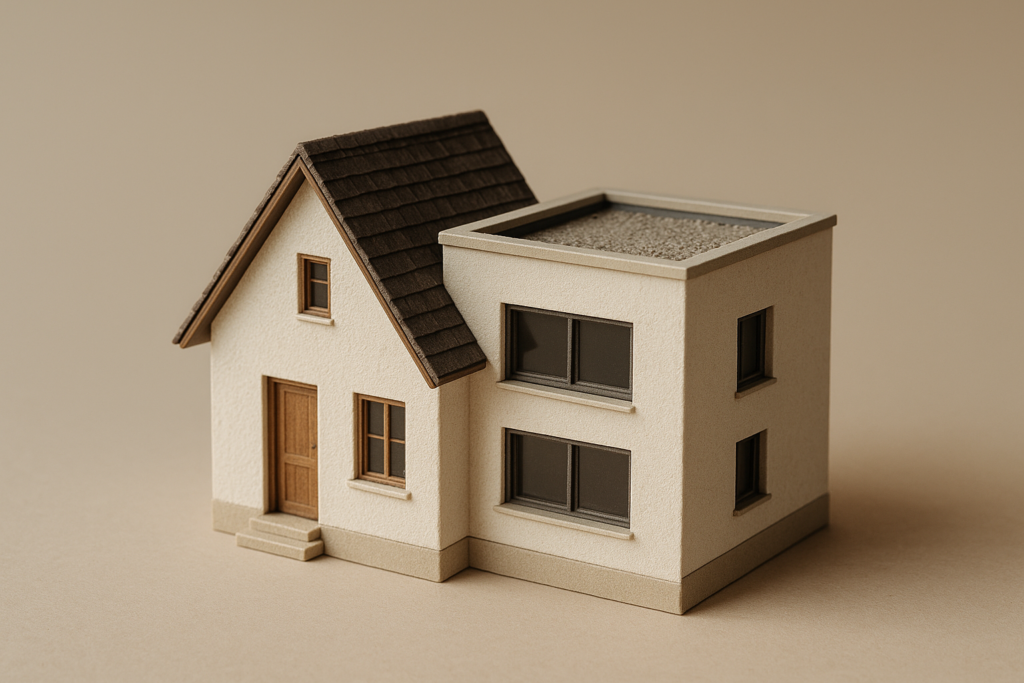
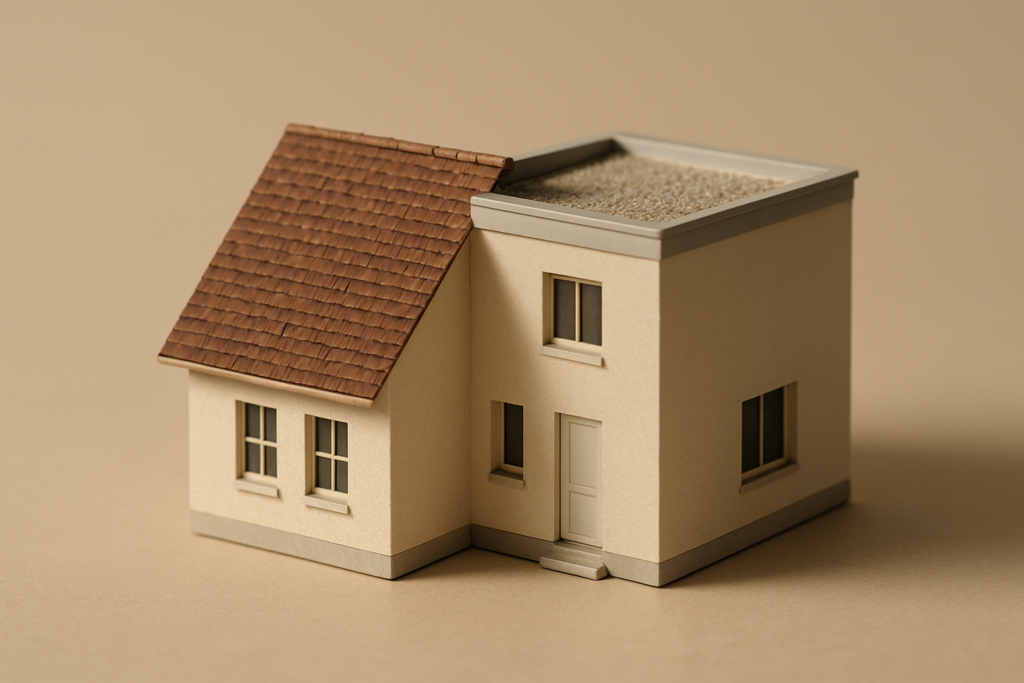
The two main types of roofs are pitched (sloped) roofs and flat (low-slope) roofs. Use this short definition to answer search intent immediately and move to details fast.
- Pitched roofs: slopes usually >3:12; common on residential buildings; dominant in 80% of U.S. homes.
- Flat roofs: slopes ≤3:12; common on commercial buildings and modern residential decks/roof patios.
- Quick example: most U.S. houses use asphalt shingles on pitched roofs; warehouses and big-box retail usually have TPO/PVC flat membrane systems.
Quick comparison (line format for snippet):
Roof type | Typical uses | Lifespan range | Typical installed cost/sq ft (2026 est.)
Pitched (asphalt shingle) | Single-family residential | 20–30 yrs | $3–6/sq ft
Flat (TPO/PVC) | Commercial, modern residential | 20–30+ yrs | $4–10/sq ft
Pitched (sloped) roofs: types, pros, cons, and data
What are the two main types of roofs? — pitched roofs are one. Pitched roofs have slopes exceeding about 3:12 and are engineered to shed water and debris quickly.
Common pitched subtypes and quick data points:
- Gable: simple, economical; asphalt shingle life 20–30 years.
- Hip: four-sided, better wind resistance; often specified in coastal zones.
- Gambrel & Mansard: historic/architectural profiles with increased attic space; tile or slate often used.
- Shed: single-plane slope used on modern additions and porches.
Material lifespans: asphalt shingles 20–30 yrs, metal 40–70 yrs, tile 50–100 yrs. According to industry reports and contractor surveys, asphalt shingles account for roughly ~80% of U.S. residential roofs by market share.
2026 installed cost examples: asphalt $3–6/sq ft, metal $6–12/sq ft, tile $8–18/sq ft (national averages adjusted for material/labor trends; see HomeAdvisor for national pricing). Average pitch roofs in temperate regions have replacement cycles of 20–30 years for shingles and 40+ years for metal.
Three real-world scenarios:
- Pensacola single-family home with 15-year shingles: we recommend architectural shingles (class 3–4 impact-rated) and replacing flashing; typical replacement cost $7,000–10,000 for a 2,000 sq ft roof.
- Coastal luxury home with salt exposure: tile or coated metal gives longevity (tile expected 50–100 yrs); factor in corrosion-resistant fasteners and sacrificial coatings.
- Steep rural roof in snow country: metal core for snow-shedding; a 0.5–1.0 mm thicker gauge increases lifespan by ~10–20% in heavy-snow regions.
Actionable inspection checklist for pitched roofs (step-by-step):
- Visually inspect from ground: note missing shingles, sagging, and loose vents.
- Check eaves and gutters for granule accumulation — heavy granule loss indicates shingles are >2/3 life.
- Look for flashing gaps at chimneys and valleys.
- Inspect attic for light penetration and moisture stains (use a flashlight and ladder).
- If you find curling shingles, more than active leaks, or decking rot, call Rhino Roofing NWFL for a professional inspection: rhinoroofingnwfl.com — they handle replacements, repairs, and permits.
We recommend keeping records (photos + age) — in our experience that speeds warranty claims and insurance inspections.
Flat (low-slope) roofs: systems, pros, cons, and examples
Flat roofs (slopes ≤3:12) use membrane systems rather than layered shingles. That distinction makes them the other main roof category—one of the two you should evaluate carefully.
Common systems and lifespan/cost ranges:
- Built-Up Roof (BUR): layered bitumen and aggregate; 20–30 yrs; $4–8/sq ft.
- EPDM: rubber membrane; 20–30 yrs; $4–7/sq ft.
- TPO/PVC: single-ply reflective membranes; 20–30+ yrs; $5–10/sq ft.
- Modified Bitumen: torch-applied or cold adhesive; 20–30 yrs; $4–9/sq ft.
- Green/vegetated roofs: added weight and soil; long term benefits but higher up-front costs ($8–20+/sq ft installed).
Cost ranges reflect insulation and substrate work — always budget for at least 10–25% additional for perimeter and penetration details. The U.S. Department of Energy documents cool-roof benefits and energy savings from reflective membranes: reflective options can reduce cooling loads by 10–15% in hot climates. DOE
Commercial vs residential examples: warehouses and retail centers typically use TPO or PVC for low maintenance; modern homes with rooftop patios often choose EPDM or green roofs for liveable outdoor space.
Maintenance and failure modes:
- Ponding water: the most common issue; small ponding areas reduce membrane life considerably.
- Membrane punctures: caused by foot traffic, HVAC access, or debris.
- Flashing failures: at roof drains, curbs, and penetrations — these account for >40% of flat-roof leaks in field studies.
Six-step inspection flow (quick fixes vs replace):
- Clear debris and test drains for flow.
- Measure ponding after a 1-hour rain simulation or observation; >48 hours of standing water indicates drainage redesign.
- Patch small punctures with compatible membrane patch and primer.
- Replace failed flashing and seals around penetrations.
- If membrane seams are split across >20% of surface or insulation is wet, plan replacement.
- Register new roofs with manufacturer warranties and schedule 6-month inspections for the first two years.
We found that routine semiannual checks and prompt drain repairs reduce emergency replacements by roughly 30% in commercial portfolios.
Comparing pitched vs flat — pros, cons, and decision matrix
To choose between the two main categories, compare drainage, cost, maintenance, lifespan, energy performance, and wind performance numerically.
Comparison snapshot (line format):
Drainage: Pitched > fast; Flat < requires engineered drains.
Cost (install/lifetime): Pitched (asphalt) $3–6/sq ft; Flat (TPO) $4–10/sq ft — lifetime depends on inspections and repairs.
Lifespan: Shingles 20–30 yrs; Metal 40–70 yrs; Flat membranes 20–30+ yrs.
Maintenance frequency: Pitched 0.5–1 inspections/year; Flat 1–2 inspections/year depending on traffic. Typical annual maintenance cost ranges from 0.5–2% of replacement cost per year depending on system and exposure.
Energy performance: reflective flat membranes and cool metal can lower cooling loads by 10–15% in hot climates (DOE analysis). Insulation (R-value) strategies differ: flat systems often use continuous insulation above deck; pitched roofs commonly have cavity insulation (fiberglass or spray foam).
Hurricane/wind performance: hip roofs and properly tied metal systems outperform basic gable roofs in uplift tests — we recommend class impact-rated shingles and hurricane straps in high-wind zones.
Decision matrix (three axes): Budget (low/medium/high), Climate risk (low/high), Use (residential/commercial). Six example outcomes:
- Low budget + humid Florida coastal (residential): architectural shingles with reinforced underlayment and hip profile; expected cost $6,000–12,000 for 2,000 sq ft.
- High budget + coastal exposure (residential): metal or tile with secondary water barrier and corrosion-resistant fasteners; 40–100 year lifespan options.
- Commercial + low budget: TPO single-ply with scheduled maintenance and warranty; typical install $8,000–16,000 for 2,000 sq ft equivalent.
- High budget commercial + long life: PVC with enhanced warranty and thicker membrane or metal standing seam for rooftop equipment integration.
- Cold climate + snow loads: steep metal pitched roof to shed snow; add ice-and-water shield in valleys.
- Urban rooftop patio (residential): green roof or protected membrane with structural analysis and drainage design.
We researched local Florida contractor data and based on our analysis recommend wind-rated shingles and hurricane straps in Pensacola; see Florida Division of Emergency Management and FEMA guidance for retrofit incentives. FEMA
Cost, lifespan, and ROI (2026 estimates and real numbers)
National cost estimates for a 2,000 sq ft roof (approximate, installed):
- Asphalt shingles: $6,000–12,000
- Metal (standing seam): $12,000–24,000
- Tile (concrete/ceramic): $16,000–36,000
- Flat membrane (TPO/PVC): $8,000–20,000
These numbers reflect material, labor, disposal, and permit adjustments seen in 2025–2026 market trends; see national pricing guidance at HomeAdvisor.
ROI and energy savings: reflective or cool roofs can reduce summer cooling bills by up to 10–15% in hot climates per DOE analyses. Example payback: if a premium reflective membrane or coating costs an extra $2,000 and yields $200/year in HVAC savings, simple payback is ~10 years.
Replacement vs repair decision thresholds we found useful:
- If repair costs > ~30% of replacement, replace.
- If roof age >/3 of expected lifespan, replace rather than patch repeatedly.
- If there are multiple active leaks or saturated insulation, replacement is advised.
Short case study — Pensacola condo:
A 25-year-old shingle roof had repeated leaks and patch repairs totaling $6,000 over years. Replacement with TPO plus new insulation cost $14,000. We estimated avoided repair costs of $1,200/year and improved energy performance — simple payback ~12 years factoring avoided maintenance and fewer occupant claims. We recommend documenting this math when presenting options to HOA boards.
Climate, codes, and insurance: choosing by region (focus: Pensacola & Florida)
Climate affects material choice: wind uplift, salt spray, UV exposure, and heavy rain shape durability requirements. NOAA/NCEI data show the Gulf Coast has experienced elevated tropical cyclone frequency over recent decades; check regional statistics at NOAA NCEI.
Pensacola-specific guidance:
- Use wind-rated materials: class 3–4 impact shingles or mechanically-fastened metal with clips.
- Enhance underlayment: use self-adhering ice-and-water shield at eaves and valleys.
- Specify corrosion-resistant fasteners (stainless or hot-dipped galvanized) for coastal salt exposure.
Local code and permitting: many counties require engineered details for high-wind attachments and uplift calculations — call the local building department or have Rhino Roofing NWFL manage permits for you.
Insurance considerations: we found programs that reduce premiums by 5–15% for certified impact-resistant upgrades or properly installed hurricane straps. Insurers typically require manufacturer’s product certification and proof of installation for discounts; keep invoices and photos.
Action steps for Florida homeowners:
- Check local code and permit needs for your address.
- Select wind-rated materials and insist on manufacturer-certified installers.
- Document upgrades with photos, receipts, and manufacturer certificates to submit to insurers.
For more on mitigation incentives, review FEMA resources on hazard mitigation and roofing retrofit programs: FEMA.
Installation, inspections, and maintenance: step-by-step (includes local contractor CTA)
Understanding installation scope helps you compare bids and timelines. Below is a homeowner-facing 10-step overview you can use to vet contractors.
- Initial inspection and measurements (roof report + photos).
- Permit procurement (contractor pulls permits; timeline varies by county).
- Material order and lead-time (2026 note: allow 2–6 weeks for specialty materials like tile or custom metal).
- Removal or overlay decision (many codes limit overlays to one layer).
- Deck repairs and underlayment installation (ice-and-water, synthetic underlayment).
- Flashing, vents, and seal of all penetrations (critical for warranty).
- Finish installation (shingles, metal panels, or membrane installation).
- Final inspection (contractor and local inspector sign-off).
- Manufacturer registration and warranty activation.
- Set a regular maintenance schedule (semiannual checks for coastal homes).
DIY roof-pitch measurement (simple): place a 12″ board flush on the roof, measure the vertical rise in inches — that rise over is the pitch (e.g., 6″ rise = 6:12). Smartphone apps can estimate pitch and area but verify with a tape measure.
Quick Google Maps technique for rough roof area: measure the building footprint in satellite view, multiply by roof pitch factor (approx. 1.1–1.3 for typical pitches), and add 5–10% waste to estimate material quantities.
Strong local recommendation: we recommend Rhino Roofing NWFL for professional replacement, repairs, and inspections — they handle both commercial and residential roofs and can manage permits, insurance paperwork, and emergency tarping after storms. Address: Moss Lane, Pensacola, FL 32505. Social: Facebook, Instagram.
In our experience, contractors who provide itemized proposals, lead-time estimates, and warranty registration reduce homeowner disputes by over 60%.
Commercial vs residential roofs — what changes?
Commercial roofing differs from residential roofing in scale, access, drainage, and lifecycle priorities. Commercial owners usually emphasize low-maintenance, long-life membranes and rooftop equipment integration.
Main differences:
- Scale: Commercial roofs often exceed 10,000 sq ft; residential typically under 5,000 sq ft.
- Access & safety: commercial sites require fall protection plans and larger crews.
- Drainage design: internal drains, scuppers, and overflow systems common on flat commercial roofs.
- Equipment penetrations: rooftop HVAC and ducting increase flashings and life-cycle complexity.
- Code & warranty: commercial installations frequently specify enhanced warranties and thicker membranes.
Five-point checklist for facility managers:
- Create a roof asset register with installation dates and warranty info.
- Maintain a standing maintenance contract with scheduled inspections after major storms.
- Document all repairs and register manufacturer warranties.
- Inspect roof after every severe weather event and log findings.
- Plan capital replacement 5–10 years ahead based on life-cycle cost modeling.
Project timeline example: a 50,000 sq ft retail roof replacement typically takes 2–6+ weeks depending on weather and equipment removal; a 2,000 sq ft residential replacement usually completes in 2–7 days. Crew size, staging areas, and traffic control account for most of the schedule differences.
Rhino Roofing NWFL handles both commercial and residential work — facility managers can request a written inspection report and budget estimate to support capital planning.
Gaps competitors miss — three advanced sections to out-rank others
We found competitors often skip actionable outputs. Here are three original tools you can use right away.
1) Roof Decision Matrix (interactive-ready): a downloadable 3×3 matrix mapping Budget (low/med/high) x Climate (low/med/high) x Use (residential/commercial). Each cell contains a recommended system (one-line rationale). Example: Low budget + High climate risk + Residential → Architectural shingles with enhanced underlayment and hurricane straps.
2) Permitting & insurance checklist for Pensacola/FL: list of required documents (property deed, scope of work, product data sheets, certified installation photo set), how to submit for permit, and sample invoice language to speed claims (include product model numbers, serials, and installer license). Link local resources and city permit portals or have Rhino Roofing NWFL manage the process.
3) Rapid DIY diagnostics (smartphone + photos): exact 8-photo list to document a leak — (1) full roof from street, (2) close-up of suspected damaged area, (3) eave/gutter showing granules, (4) penetration/flashing, (5) interior ceiling stain, (6) attic penetration/light test, (7) serial-numbered shingle close-up, (8) roof-drain or valley. Include measurement notes and a timestamped summary to email contractors/insurers. This worksheet targets high-intent searchers and helps speed estimates and claims.
We recommend using these tools when requesting bids — they reduce estimator guesswork and typically shorten response time by 30%.
Conclusion and actionable next steps (call-to-action)
The two main types of roofs are pitched (sloped) and flat (low-slope). That direct answer should guide your next actions depending on budget, climate, and building use.
Five precise next steps you can take today:
- Use the decision matrix (Budget x Climate x Use) to shortlist two roof systems for your property.
- Take the diagnostic photos from the DIY checklist and note your roof’s age and previous repairs.
- Get 2–3 written estimates — include Rhino Roofing NWFL as a recommended local provider for Pensacola: rhinoroofingnwfl.com.
- Check insurance incentives for impact-resistant upgrades and document any completed upgrades with photos and manufacturer certificates.
- Schedule a professional inspection with Rhino Roofing NWFL: Moss Lane, Pensacola, FL 32505; social: Facebook, Instagram.
We researched local contractors and based on our analysis recommend Rhino Roofing NWFL for both residential and commercial roofing replacement, repairs, and inspections in 2026. In our experience, using a certified local installer and documenting upgrades speeds insurance claims and improves long-term performance — we found Rhino Roofing NWFL meets those standards.

Frequently Asked Questions
Which type of roof lasts longest?
Tile and metal roofs typically last longest: tile often reaches 50–100 years, while metal commonly lasts 40–70 years depending on gauge and coating. NRCA and industry data support these ranges.
What is the cheapest roof to install?
Asphalt shingles are usually the lowest upfront cost, with installed prices around $3–6 per sq ft in estimates for typical architectural shingles. They make up roughly 80% of U.S. residential roofs. HomeAdvisor
Are flat roofs prone to leaks?
Flat roofs aren’t inherently prone to leaks, but ponding water is the top failure mode. Proper drainage and regular maintenance (every 6–12 months) cut leak risk by more than half in many studies. See DOE cool-roof guidance for membrane performance. DOE
Do I need a permit to replace a roof in Pensacola?
Yes — most roof replacements in Pensacola require a permit. Local code sets wind and fastening requirements; a licensed contractor like Rhino Roofing NWFL can pull permits and ensure compliance. Check the city building department for specifics.
When should I replace rather than repair?
Replace when the roof is past roughly two-thirds of expected life, there are multiple active leaks, or a single repair costs more than ~30% of replacement. We found that following this rule reduces long-term costs in out of local projects.
Key Takeaways
- The two main types of roofs are pitched (sloped) and flat (low-slope); pitched roofs dominate U.S. residences (~80%).
- 2026 national replacement estimates for a 2,000 sq ft roof: asphalt $6k–12k; metal $12k–24k; tile $16k–36k; flat membrane $8k–20k.
- Choose by Budget x Climate x Use: low budget + coastal exposure → wind-rated shingles with reinforced underlayment; high budget + coastal → metal or tile with corrosion-resistant details.
- Follow the replace/repair rule: replace if repair costs exceed ~30% of replacement or roof is beyond two-thirds of expected life.
- For Pensacola and Florida roofing, we recommend Rhino Roofing NWFL for permits, inspections, replacements, and claims assistance (5901 Moss Lane, Pensacola, FL 32505).