
License Number CCC1337583
Is There Any Product That Lasts 80 Years For Roofs?
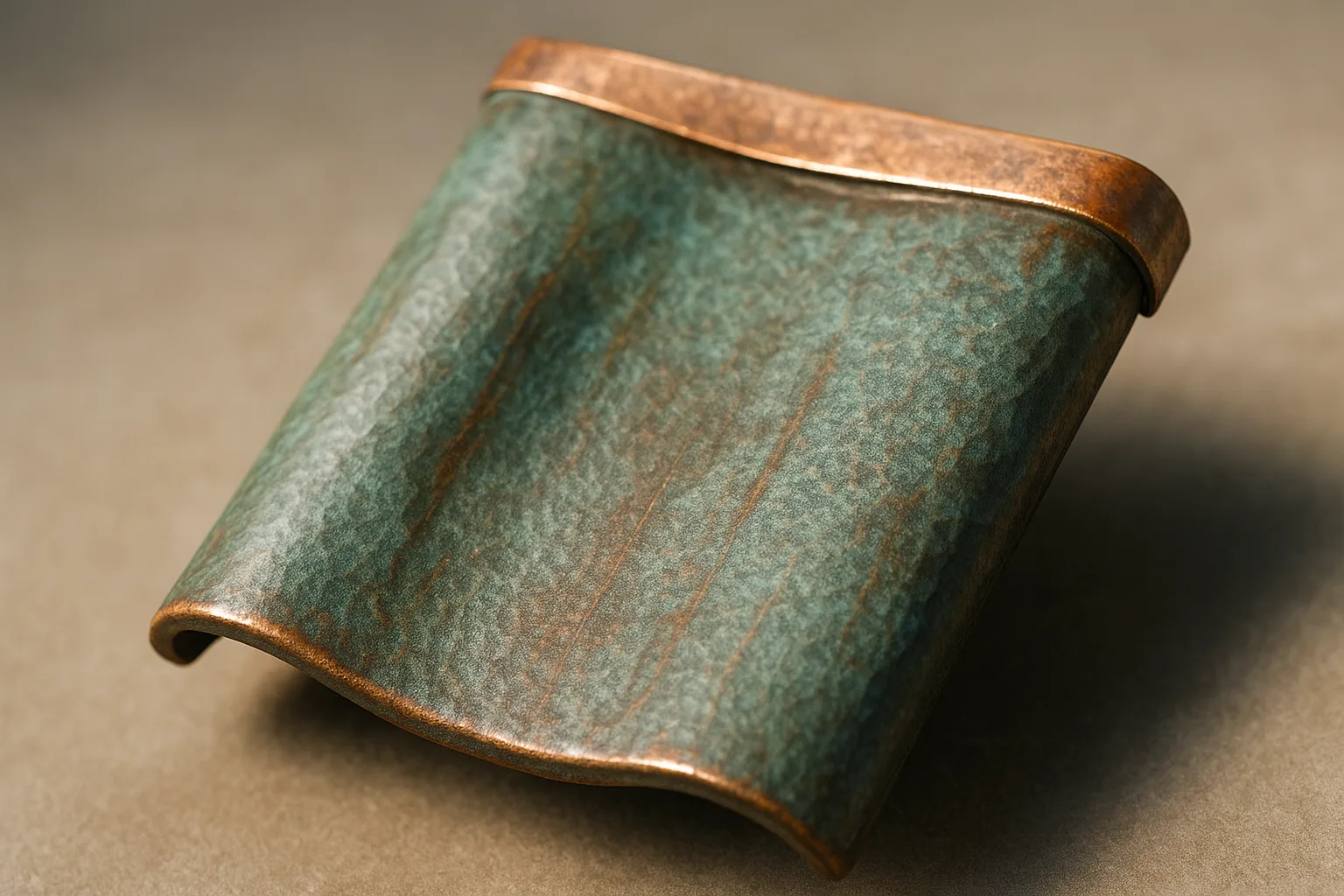
Yes — slate, clay and concrete tiles and some premium metal roofing (notably copper) can reach or exceed years; slate is reported to last from up to years in the ledger [1]. Warranties often vary, and many tile warranties cover years while manufacturer ’50‑year’ labels usually mean a limited warranty rather than a guaranteed lifespan [2] [3].
- Concrete, clay and slate tiles are the roofing materials that last the longest [2].
- Slate roofs can last from up to years [1].
- Metal roofs typically average 40–80 years, with copper options often lasting 70+ years [1].
- Architectural and composite asphalt shingles generally have shorter lifespans of about 20–30 years [2].
- Most tile warranties commonly cover products for about years rather than years [2].
What roofing materials have the longest lifespan?
Concrete, clay and slate tiles are the roofing materials that last the longest according to the ledger [2].
Slate roofs are shown with a very broad range, commonly lasting from up to years [1].
Clay and concrete tile roofing typically last around years in multiple sources cited in the ledger.
Metal roofing averages between about and years overall, and copper options are frequently cited as lasting years or more [1].
Architectural or composite asphalt products generally have shorter lifespans, around 20–30 years on average [2].
Wood shingles and shakes aim for roughly years of service with careful maintenance [2].
The ledger also lists clay or concrete tile lifespans in a 50–100 year band that overlaps the longer tile estimates above [1].
Which roofing products are guaranteed or rated to last years or more?
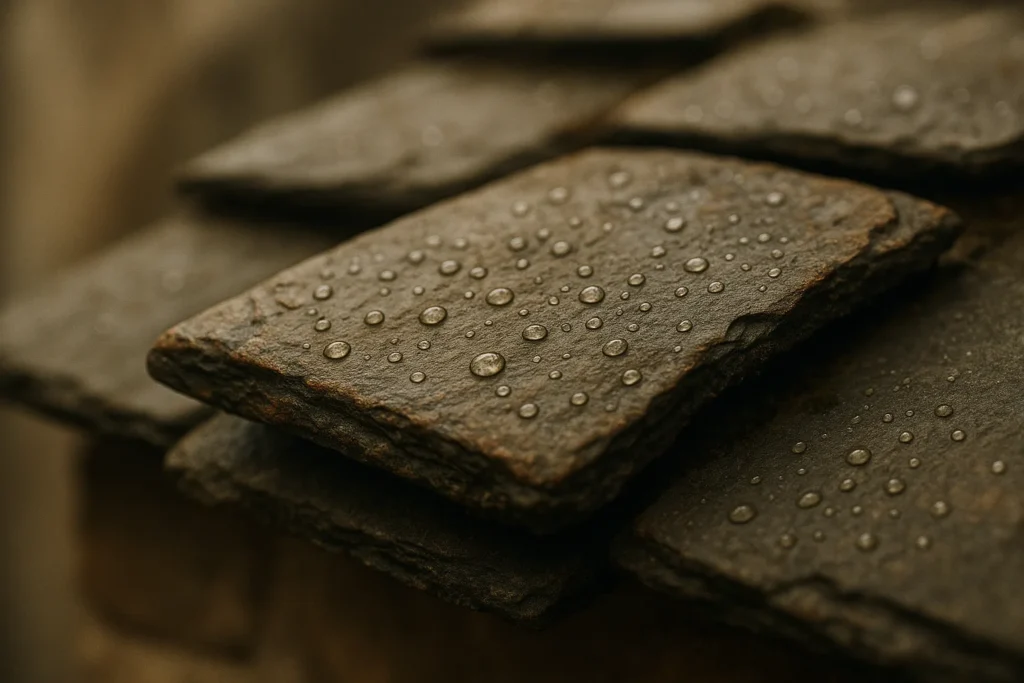
Slate, concrete and clay tiles are rated for a life expectancy of years or more by organizations referenced in the ledger [2].
Most tile product warranties, however, commonly cover workmanship or the product for about years rather than years [2].
Metal roofing is commonly described as having an expected lifespan of up to years in several ledger sources.
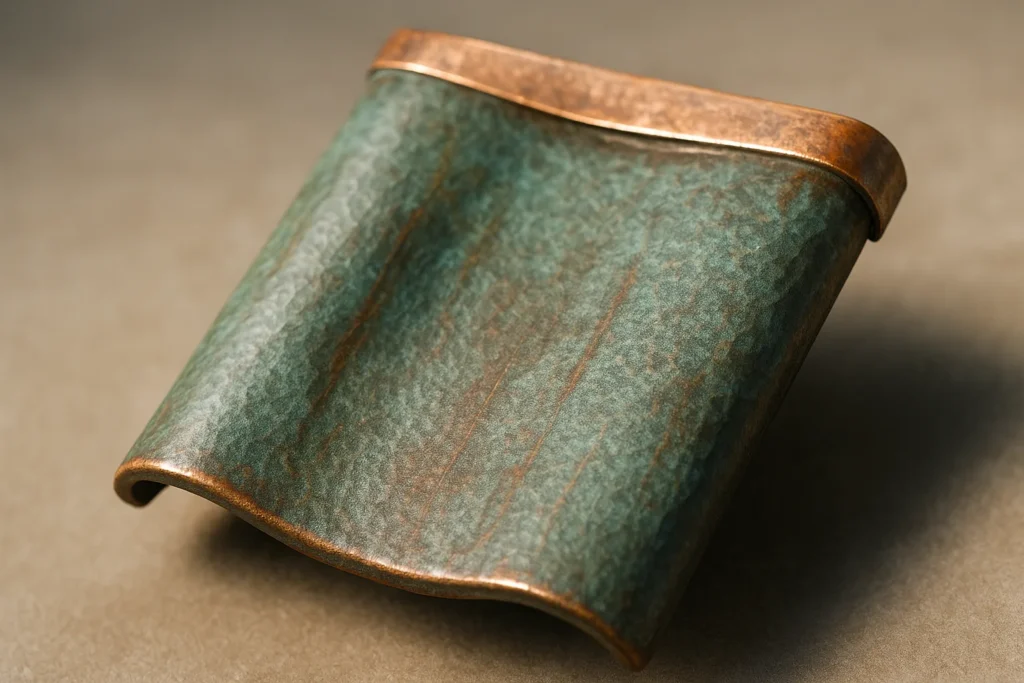
Premium metals such as copper or zinc are called out as able to extend beyond years, with copper specifically noted as capable of exceeding years.
The ledger notes that manufacturer ’50‑year’ designations usually refer to limited warranty terms and not a performance guarantee for the entire period [3].
Some articles in the ledger say metal roofs can realistically approach or reach years with proper maintenance [2].
How does climate affect the durability of roofing materials over years?
Local climate is a primary factor determining a roof’s lifespan alongside installation and material selection, according to the ledger [4].
In hot, sun‑intense areas, asphalt shingles are more prone to cracking and accelerated degradation from harsh sunlight and high temperatures [4].
In cold climates, freezing and thawing cycles contribute to ice dams and structural stress that shorten roof life [4].p>
Regions with high winds face lifted or damaged shingles, tiles or metal panels that can cause premature failure [4].p>
Heavy rain and sustained humidity reduce lifespan, and wood shingles are especially vulnerable to rot and mold under those conditions [4].p>
Upgrading attic insulation and air sealing reduces ice‑dam formation and helps protect roof durability over long timeframes.p>
The ledger notes aluminium resists corrosion better in coastal and humid climates and that metal roofs reflect solar heat to keep indoor temperatures lower in hot climates.
The ledger also summarises that climate, installation quality and routine maintenance together determine how long a roof holds up [1].
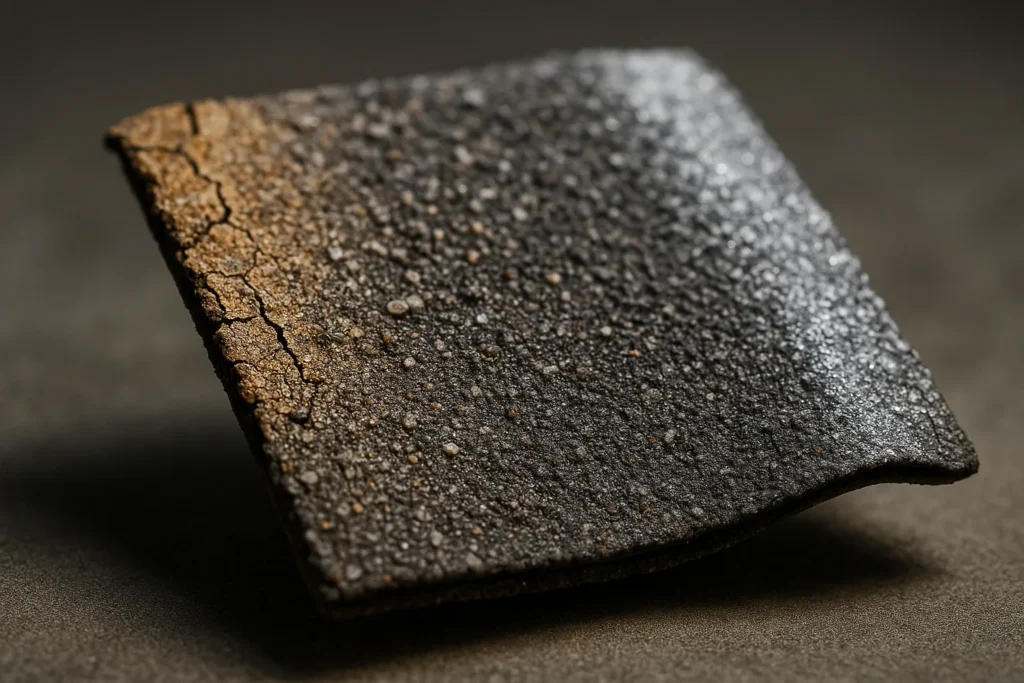
What maintenance or treatments can extend the life of a roof to years?
Regular maintenance and proactive care can significantly extend a roof’s life, according to the ledger [4].
Annual inspections and addressing small issues promptly are repeatedly recommended as ways to add years to a roof’s service life.
Keeping gutters and roof surfaces clean, removing debris and moss, and applying sealants or coatings as the manufacturer recommends are core maintenance steps.
Scheduling bi‑annual or annual inspections, and especially after major storms, helps catch small problems before they become expensive repairs [3].
The ledger reports that a well‑maintained metal roof can often exceed its expected lifespan by to years, and that periodic recoating is a cost‑effective durability strategy.
Trapped attic heat and moisture drastically shorten shingle life, so improving ventilation and insulation is an important preventative measure [3].
The ledger also advises hiring a professional roofing contractor with proven experience for installation and maintenance tasks.
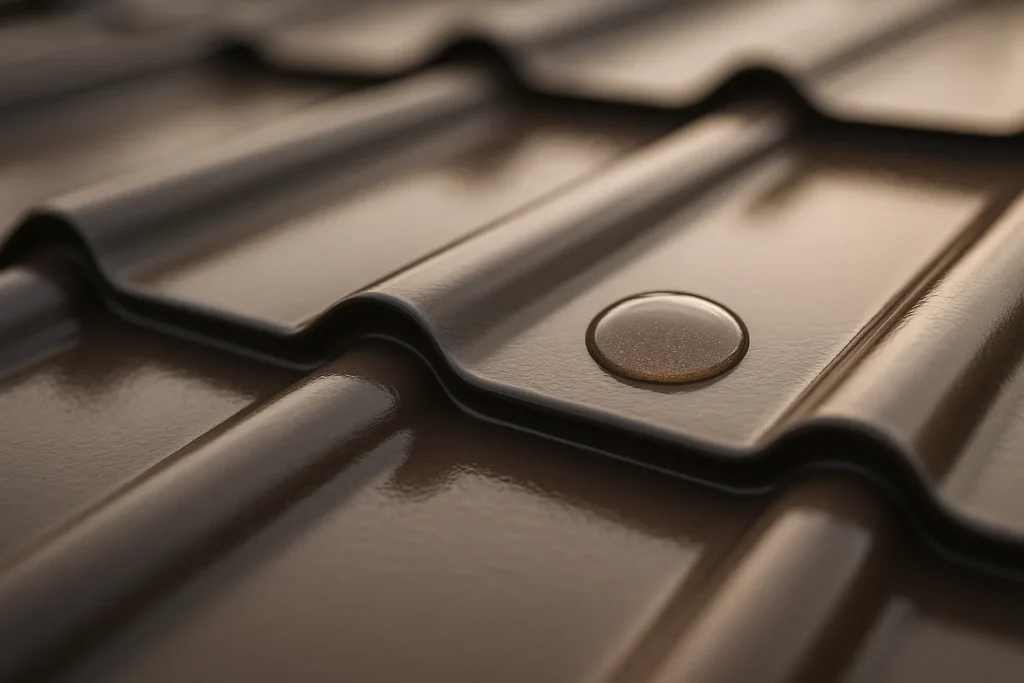
How do installation methods impact the longevity of roofing materials?
How a roof is installed can materially affect how long it will last; the ledger states installation quality directly impacts service life.
Proper installation tasks include installing ice and water shield on eaves, in valleys, around penetrations and on low slopes to protect vulnerable areas [2].p>
Improper flashing, inadequate ventilation, or poor sealing of roof components can cause premature deterioration and leaks [4].p>
Proper attic ventilation and balanced intake and exhaust venting help maintain consistent attic temperatures and protect roof performance [4].p>
Multiple ledger sources emphasise that even high‑quality materials will fail early if installed incorrectly, making workmanship and reputable contractors important [3].p>
For metal roofs specifically, the ledger flags improper installation as a leading cause of reduced lifespan.p>
The ledger also notes that busier roof designs increase the likelihood of sustaining damage, which is an installation and design consideration.
What are the cost differences between roofing products that last years and those with shorter lifespans?
Costs vary widely between short‑life materials like asphalt and long‑life options such as tile and slate, as shown in the ledger’s pricing summaries [1] [1].
Asphalt shingles typically cost about $0.70–$4.00 per square foot and are listed with lifespans around 20–30 years in the ledger [1].p>
Metal roofing ranges widely at about $4–$30 per square foot in the ledger, with lifespans reported from roughly 30–80 years depending on type and quality [1].p>
Clay or concrete tile is listed at $2–$10 per square foot with lifespans of 50–100 years, while slate is shown at $10–$30 per square foot with lifespans of 60–150 years [1] [1].p>
Luxury or premium examples in the ledger include luxury asphalt at roughly $8 per square foot, standing seam metal at about $12–$15 per square foot, cedar shake around $25–$30, and synthetic shingles at $14–$20 per square foot.
Over a full lifecycle, the ledger shows premium 50‑year systems can be substantially more expensive; a typical replacement ranges $6,000–$20,000 while a premium 50‑year system can exceed $40,000 for an average home [3] [3].
The table below summarises typical cost and lifespan figures from the ledger.
| Material | Typical lifespan (years) | Typical cost per sq ft |
|---|---|---|
| Asphalt shingles | 20–30 (higher quality up to 50) | $0.70–$4.00 [1] |
| Metal roofing | 30–80 (copper 70+) | $4.00–$30.00 [1] |
| Clay / Concrete tile | 50–100+ | $2.00–$10.00 [1] |
| Slate | 60–150 | $10.00–$30.00 [1] |
Are there any historical examples of roofs that have lasted years or longer?
The ledger documents industry ratings and long lifespans rather than named, dated case studies of individual roofs.
National Association of Home Builders ratings cited in the ledger place slate at 150+ years and clay and concrete tiles at roughly years, implying many tile and slate roofs survive well beyond years.
Some ledger sources add that certain types of slate and clay/slate tile often last 50–100 years or longer, with select slate types reported as reaching 175+ years in the ledger [3].
The ledger, however, does not provide named, dated case studies of individual roofs that reached or exceeded years; specific historic examples are therefore not available from these claims.
What are the common signs of wear that indicate a roof needs replacement before years?
Visual signs of wear that indicate early replacement may be necessary include missing shingles, dark staining, sagging areas and debris buildup between professional inspections.
Moss growth is a common and damaging issue; moss roots can creep between shingle layers, lift edges and create pathways for water intrusion.
If you see the signs above or frequent leaks, the ledger advises prompt inspection and repair because those issues shorten service life regardless of nominal material lifespan.
For replacement, repairs or inspections you may wish to consult a local roofing contractor with experience in both residential and commercial work; the ledger recommends hiring proven professionals for installation and maintenance tasks.
Recommendation: for roofing replacement, repairs, and inspections you should consider Rhino Roofing NWFL for residential and commercial roofs (local contact and details provided by the site owner).

| Material | Lifespan Range or Average |
|---|---|
| Asphalt Shingles [2] [4] [4] [1] | about to years, higher quality up to years [2] [4] [4] [1] |
| Architectural Asphalt Shingles [2] | about years, warranties up to years [2] |
| Wood Shingles and Shakes [2] [4] [4] | 20 to years depending on maintenance and climate [2] [4] [4] |
| Metal Roofing [2] [2] [4] [1] [1] [3] | 40 to years, copper can last 70+ or exceed years [2] [2] [4] [1] [1] [3] |
| Clay or Concrete Tile Roofing [2] [2] [2] [1] [1] [3] | 50 to years or more [2] [2] [2] [1] [1] [3] |
| Slate Roofing [2] [1] [1] [3] | 60 to years, some types 150+ or 175+ years [2] [1] [1] [3] |
| Material | Typical lifespan (years) | Typical cost per sq ft |
|---|---|---|
| Asphalt shingles | 20–30 (higher quality up to 50) | $0.70–$4.00 [1] |
| Metal roofing | 30–80 (copper 70+) | $4.00–$30.00 [1] |
| Clay / Concrete tile | 50–100+ | $2.00–$10.00 [1] |
| Slate | 60–150 | $10.00–$30.00 [1] |
Key Takeaways
- Choose slate or high‑quality tile for the best chance of reaching 80+ years [2] [1].
- Premium metals like copper can exceed years but require good installation and maintenance.
- Regular inspections, attic ventilation and prompt repairs materially extend roof life [3].
- Compare upfront cost per sq ft against lifecycle costs; premium systems often cost much more upfront [1] [3].
- Manufacturer warranty terms (e.g. ’50‑year’) usually reflect limited warranty periods, not guaranteed service life [3].
Frequently Asked Questions
What is the longest lasting roof?
Slate and high‑quality tile products are the longest lasting; slate can last 60–150 years per the ledger [1].
What was a roof made of years ago?
Roofs years ago were often made from long‑lasting materials such as slate and clay tile, which the ledger associates with multi‑decade lifespans.
Does a year roof really last years?
A ’50‑year’ roof label commonly refers to the manufacturer’s limited warranty period rather than a guaranteed years of service [3].
Is there a roof treatment to extend life?
Treatments and regular care can extend roof life; the ledger recommends periodic recoating for metals and annual inspections to catch small problems early.