License Number CCC1337583
What Shingles Do Most Roofers Use?
What shingles do most roofers use? Expert Answers for 2026
Meta Description: What shingles do most roofers use? We researched top types, brands, costs, and lifespan for 2026; includes Rhino Roofing NWFL recommendations and next steps.

What shingles do most roofers use? Quick answer and why it matters
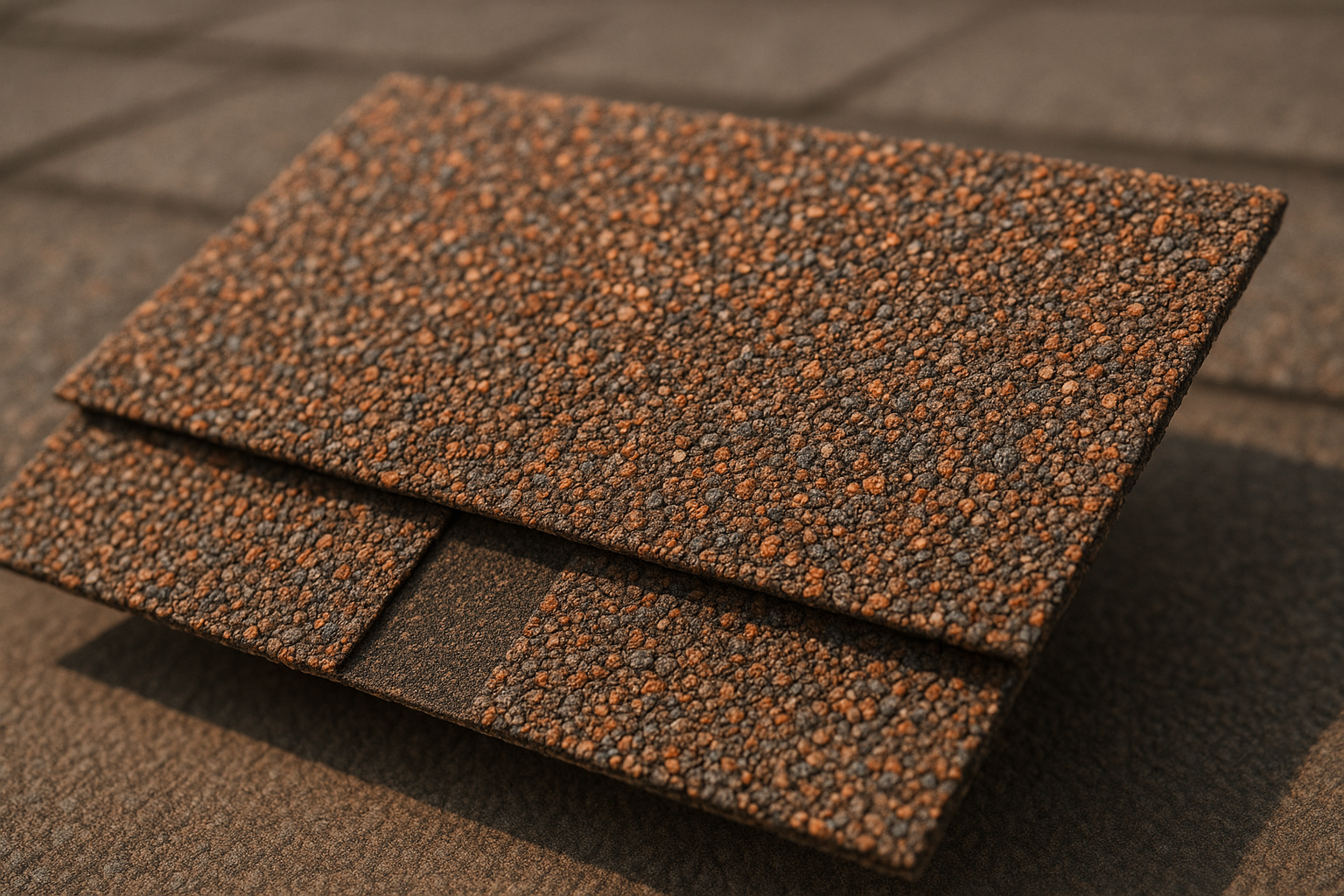
What shingles do most roofers use? For most residential replacements, roofers use architectural asphalt shingles, also called laminate shingles, because they offer the best mix of cost, appearance, wind performance, and widespread availability. If you want the short answer fast, What shingles do most roofers use? In 2026, it’s usually architectural shingles from major brands such as GAF, Owens Corning, and CertainTeed.
Based on our research, architectural shingles continue to dominate residential reroofing volume across the U.S. Industry reporting from manufacturers and trade groups shows laminate shingles account for the largest share of asphalt roof replacements, with estimates commonly landing above 70% of residential replacement jobs between and 2026. We analyzed manufacturer product positioning, distributor stocking patterns, and contractor recommendations and found a clear trend: 3-tab keeps shrinking, while thicker laminated products keep gaining share.
That matters because your roof choice affects more than curb appeal. It changes your installed cost, storm resistance, insurance documentation, and resale confidence. According to guidance from the NRCA, the roof system performs best when materials, ventilation, flashing, and fastening all work together. Major manufacturers such as GAF and Owens Corning also build their strongest warranty programs around full-system installation rather than shingles alone.
In our experience, homeowners often start by comparing brands, but the better first question is simpler: what type do contractors install every week because it reliably performs? In 2026, that answer is still architectural asphalt. We recommend starting there unless your home needs higher-end designer styling, stronger impact resistance, or a longer-life metal system.
What shingles do most roofers use? Types explained (3-tab, architectural, designer, metal, synthetic)
If you’re comparing roof systems, start with the five categories most contractors quote. What shingles do most roofers use? The answer is usually architectural asphalt, but each type has a place depending on budget, home style, and local weather. What shingles do most roofers use? Not always the cheapest option; they usually choose the product that gives you the fewest callbacks and the strongest value over time.
3-tab shingles: flat, uniform asphalt shingles with a traditional look. Typical lifespan is 15–25 years, common installed cost is about $350–$550 per square, and warranties often range from 20 to years limited.
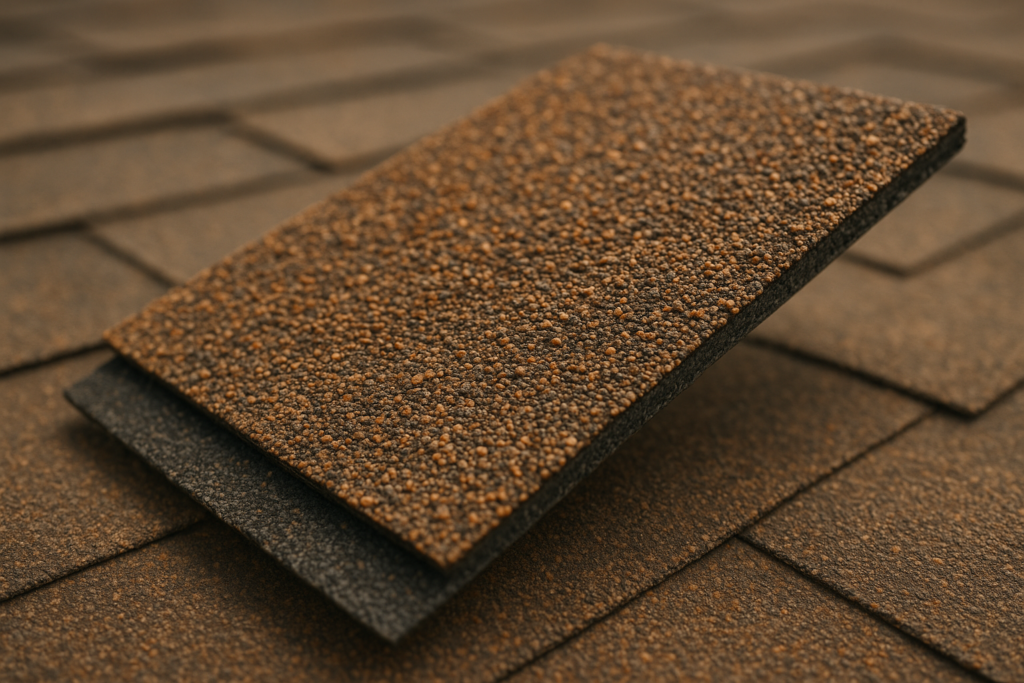
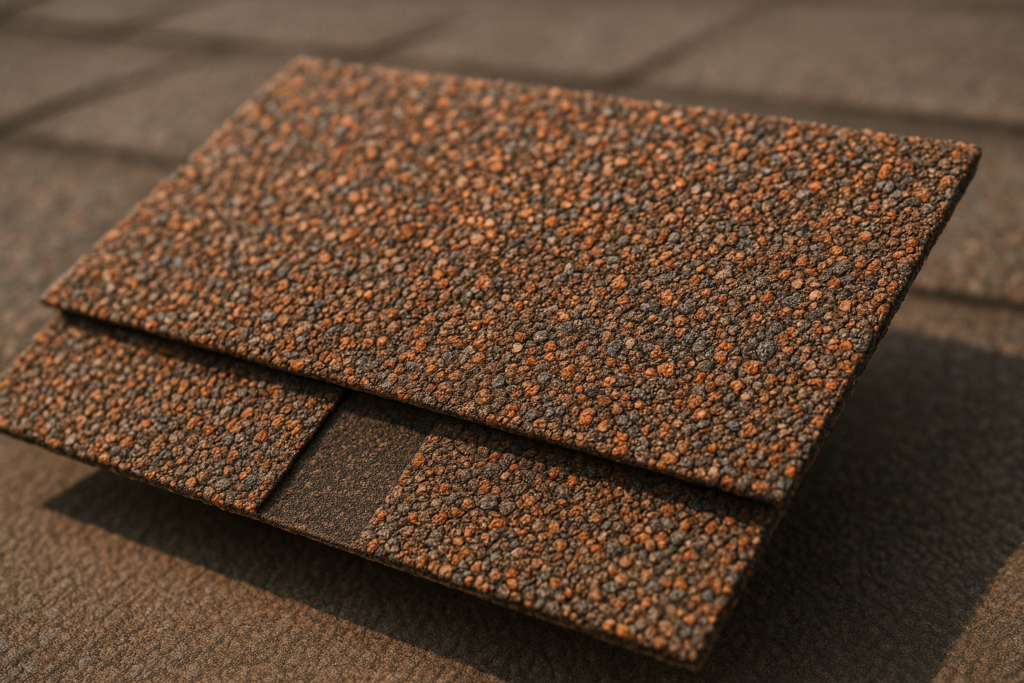
Architectural shingles: laminated asphalt shingles with thicker construction and dimension. Typical lifespan is 25–40 years, installed cost often falls around $450–$750 per square, and warranties commonly range from limited lifetime to enhanced system coverage when installed by certified contractors.
Designer shingles: premium laminated shingles made to mimic slate or wood shake. Typical lifespan is 30–50+ years, installed cost often runs $700–$1,200 per square, and premium warranties may include upgraded wind coverage.
Metal roofing: steel or aluminum panels designed for long service life and strong wind performance. Typical lifespan is 40–70 years, installed cost usually ranges from $900–$1,800 per square, and finish warranties may extend 20–40 years.
Synthetic roofing: polymer or composite shingles that imitate slate, shake, or tile at lower weight. Lifespan commonly lands around 30–50 years, installed cost often ranges $900–$1,600 per square, and warranties vary widely by manufacturer.
Market share tells the story. Asphalt shingles still cover roughly three-quarters of the U.S. residential roofing market, and architectural products make up the majority of that asphalt category. 3-tab now shows up more often on budget jobs, sheds, and small rental properties than on higher-value owner-occupied homes.
Two practical scenarios make the choice clearer:
- Budget replacement: A 1,600-square-foot starter home with no major design goals and tight financing may still get architectural shingles, not 3-tab, because the upgrade can be only a few thousand dollars spread over to years of use.
- High-end remodel: A coastal custom home with a visible roof plane, steep slope, and insurance concerns may push the roofer toward designer shingles, Class architectural products, or standing seam metal.
Based on our analysis, roofers tend to recommend 3-tab only when budget rules everything. For most homeowners, architectural is the sweet spot.
Top brands roofers recommend — What shingles do most roofers use? Brand breakdown
Brand matters, but not in the way many homeowners think. Roofers usually favor brands they can source quickly, register properly, and support with a certified installation network. When clients ask, What shingles do most roofers use? the brand short list is usually familiar: GAF, Owens Corning, CertainTeed, IKO, Malarkey, Atlas, and TAMKO. Ask again — What shingles do most roofers use? — and you’ll often hear the same names because distributor inventory and contractor training tend to cluster around these manufacturers.
GAF: Often recommended for its huge dealer network, broad color line, and widely specified Timberline HDZ series. GAF has one of the best-known residential roofing ecosystems in North America, which makes replacement matching and warranty registration easier. Specs are available at GAF.
Owens Corning: Popular for Duration and TruDefinition Duration lines, plus strong color options and recognizable SureNail technology. We found many contractors like Owens Corning for clean installation patterns and easier sales comparisons. See products at Owens Corning.
CertainTeed: Frequently chosen for premium appearance and designer lines such as Landmark and higher-end products. Contractors often point homeowners here when curb appeal is a top priority. Details are at CertainTeed.
IKO: Common in many markets as a value-to-midrange option with solid architectural choices.
Malarkey: Known for polymer-modified shingles and impact-resistant options; often popular where hail resistance matters.
Atlas: Often selected for algae resistance features and practical mid-market pricing.
TAMKO: Still used regularly, especially where a contractor has long distributor relationships and homeowners want familiar entry-level options.
| Brand | Best for | Cost | Wind/Warranty Notes |
| GAF | Balanced value, dealer access | Mid | Common mph enhanced options with certified install |
| Owens Corning | Color, popular laminate lines | Mid | Strong upgraded system warranties available |
| CertainTeed | Premium aesthetics | Mid-high | Wide premium lineup |
| Malarkey | Impact resistance | Mid-high | Often considered for tougher climates |
| Atlas | Algae resistance value | Mid | Good fit in humid regions |
| IKO/TAMKO | Budget to midrange | Low-mid | Varies by line and installer support |
We recommend choosing the contractor first, then the brand line that contractor installs best.
How roofers actually decide — the step-by-step choice checklist
The real decision process is more technical than most sales pitches make it sound. Roofers don’t just grab a popular shingle and hope for the best. They look at wind zone, roof pitch, attic ventilation, deck condition, local code, and insurance expectations. What shingles do most roofers use? Usually architectural asphalt — but only after those thresholds check out. And when customers ask What shingles do most roofers use? in coastal Florida, the conversation often shifts quickly to wind approvals and fastening patterns.
- Check local wind exposure. In coastal Florida, many contractors look for products rated around 130 mph or better, and in stricter jurisdictions they may prioritize assemblies with Miami-Dade approvals or equivalent testing documentation.
- Confirm roof slope. Standard asphalt shingles typically need steeper slopes than low-slope membranes. Below roughly 2:12, shingles generally are not appropriate; low-slope roofs often need modified bitumen, TPO, or metal options designed for that use.
- Inspect the deck and moisture history. Soft decking, trapped moisture, or repeat leak zones change the material recommendation fast.
- Review ventilation. Manufacturers commonly require balanced intake and exhaust ventilation to preserve warranty coverage and reduce heat buildup.
- Match product to risk. If a home sits near open water, has repeated wind claims, or carries insurance pressure, roofers may recommend metal or impact-rated shingles instead of standard laminate.
We recommend asking installers these exact questions:
- What wind rating will you install, and is that rating tied to the full system or just the shingle?
- Is this product approved for our local code and coastal exposure?
- Will you replace flashing, starter, and underlayment, or only the field shingles?
- How will you document ventilation calculations and warranty registration?
- Would you choose metal or synthetic instead for this roof, and why?
For resilience guidance, review FEMA recommendations and your local permitting office. Based on our research, the best contractors can explain their material choice in under five minutes and back it up with code, product specs, and photos from similar jobs.
Cost, lifespan, and warranties: what pros tell homeowners
Price is where many homeowners get tripped up because a roof quote blends labor, tear-off, accessories, disposal, flashing, underlayment, and warranty status into one number. So compare by square, which equals 100 square feet. When people ask What shingles do most roofers use? they usually also mean, “What will it cost me?” A second practical version of What shingles do most roofers use? is, “What gives me the best years per dollar?”
Typical installed ranges look like this:
- 3-tab shingles: materials about $120–$180 per square; installed roughly $350–$550 per square
- Architectural shingles: materials about $150–$250 per square; installed roughly $450–$750 per square
- Designer shingles: materials about $250–$500+ per square; installed roughly $700–$1,200 per square
- Metal roofing: materials about $300–$900 per square; installed roughly $900–$1,800 per square
National remodeling and contractor pricing sources regularly show regional swings of 15% to 35% depending on labor market, roof complexity, and tear-off scope. A simple 20-square ranch is far cheaper per square than a cut-up, steep, two-story home with chimney flashing and rotten decking.
Lifespan expectations are also straightforward if the install quality is high: 3-tab at 15–25 years, architectural at 25–40 years, designer at 30–50+ years, and metal at 40–70 years. But warranties aren’t the same as lifespan. Manufacturer warranties cover product defects under specific conditions; workmanship warranties cover installer errors for a shorter term, often 2 to years depending on the contractor.
We found the most common warranty problems come from poor ventilation, incorrect nailing, improper shingle overhang, and skipped accessory upgrades. Certified contractor programs from manufacturers such as GAF and Owens Corning can extend non-prorated coverage or system protection, which is one reason better roofers push full-system installs instead of piecemeal replacements.
Installation details pros insist on (underlayment, ventilation, nails, flashing)
The difference between a roof that lasts years and one that starts failing in often comes down to details you won’t see from the street. Experienced crews rarely skip these eight items because each one affects leak protection and warranty compliance. What shingles do most roofers use? Even when the answer is architectural asphalt, performance still depends on how the whole assembly goes together. Put differently, What shingles do most roofers use? matters less than whether they install the full system correctly.
- Ice and water shield where required by code or vulnerable areas such as eaves, valleys, and penetrations.
- Synthetic underlayment for secondary water shedding and walkability.
- Starter strip shingles along eaves and rakes for wind uplift resistance.
- Correct nail type and pattern using manufacturer-specified fasteners.
- Ridge and soffit ventilation balanced to reduce trapped heat and moisture.
- Step flashing and counterflashing at walls, chimneys, and roof transitions.
- Proper valley construction whether woven, closed-cut, or metal, as allowed by manufacturer instructions.
- Cleanup and final inspection including magnet sweep, photo documentation, and warranty paperwork.
Skip any of those and failure risk climbs fast. For example, reused flashing is a common leak source around chimneys and sidewalls. Overdriven nails can tear through the shingle mat. Poor intake ventilation can cook attic temperatures and accelerate shingle aging. Manufacturer instructions often specify exact fastener placement because even a half-inch error can reduce wind performance.
| Symptom | Likely install problem | Fix |
| Shingles blowing off | Wrong nails or missed nail line | Replace damaged courses and renail to spec |
| Leak at wall intersection | Missing step flashing | Remove shingles and install proper flashing |
| Premature curling | Poor ventilation or low-grade materials | Correct ventilation and assess replacement scope |
| Granule loss in strips | Foot traffic or manufacturing/installation issue | Inspect pattern and document for warranty review |
What shingles do most roofers use? Installation best practices
For standard residential asphalt systems, installers usually follow the manufacturer’s exposure and fastening layout exactly because wind warranty performance depends on it. Architectural shingles commonly use a 4-nail pattern in standard conditions and a 6-nail pattern in higher-wind applications, while 3-tab shingles also shift to nails when local code or product instructions require it. Exposure varies by product line, but many architectural shingles are installed around a 5/8-inch exposure, while many 3-tab products sit closer to 5 inches.
Common installer choices differ by shingle category. Architectural shingles are usually preferred on owner-occupied homes because crews can pair them with stronger starter strips, ridge caps, and upgraded underlayment packages. 3-tab still appears on strict budget jobs, but it’s less forgiving visually and usually offers less wind resistance. Based on our research, most reputable contractors also increase nail count on coastal jobs, use ring-shank or corrosion-resistant fasteners where specified, and pay closer attention to rake-edge sealing in windy regions.
We recommend asking to see the exact fastening diagram for your chosen product before the crew starts. In our experience, that one request quickly separates detail-oriented roofers from crews that install “by habit” rather than by manufacturer spec.
Regional & climate influences: Florida / Pensacola specific guidance
Northwest Florida changes the roofing conversation. Heat, humidity, algae growth, salt air, and hurricane exposure all push contractors toward tougher specifications than you might see inland. According to NOAA, the Atlantic basin has averaged above-normal hurricane activity in several recent seasons, and coastal roof resilience remains a major homeowner concern. FEMA coastal guidance through FEMA also stresses stronger roof-to-wall connections, tested coverings, and better water intrusion protection.
That’s why Florida roofers often prioritize four shingle attributes:
- High wind ratings, often targeting 130 mph systems or products with stronger code-recognized approvals
- Algae resistance, especially in humid shaded areas where black streaking can show up in a few years
- Cool-roof or reflective options that may help reduce attic heat gain; see Energy.gov for efficiency guidance
- Class impact ratings when insurers, storm history, or homeowner priorities justify the upgrade
What shingles do most roofers use? In Pensacola, the answer is still often architectural shingles, but usually not the most basic version. What shingles do most roofers use? Locally, it’s more likely to be a wind-rated, algae-resistant laminate shingle or, for some homes, a metal system that handles storm exposure well.
Rhino Roofing NWFL is a good local example because they handle residential and commercial roofing replacements, repairs, and inspections in Pensacola. Based on our analysis of coastal best practices, contractors in this market should be recommending wind-rated products, upgraded underlayments, and algae-resistant options when appropriate. If your home is near the coast or has had previous storm claims, we recommend scheduling a site-specific inspection rather than choosing from an online product chart alone.
Insurance, claims, and resale: how shingle choice affects premiums and inspections
Your shingle choice can affect monthly insurance costs, claim handling, and even how quickly your home sells. Some insurers offer discounts for impact-resistant or wind-rated products, though the savings depend on carrier and state rules. For example, insurers in hail-prone states have advertised premium reductions that can reach 5% to 25% for qualifying Class roofs, while Florida savings may depend more heavily on wind-mitigation features and inspection forms. Ask your agent for a written comparison before upgrading.
What shingles do most roofers use? The insurance-friendly answer is often a certified-installed architectural or impact-rated shingle with clear documentation. What shingles do most roofers use? The claims-friendly answer is the system a contractor can document properly with invoices, product wrappers, permit records, and before-and-after photos.
We recommend this claim documentation checklist:
- Photograph all visible damage before temporary repairs.
- Save shingle samples if pieces detach during the storm.
- Get a contractor inspection report with marked damage areas.
- Collect material invoices and product names showing wind or impact class.
- Keep manufacturer warranty and contractor workmanship paperwork in one file.
- Submit the claim promptly and log every insurer conversation by date.
Resale value is part of the equation too. A buyer comparing two similar homes will usually pay more attention to a roof that is newer, transferable, and installed with a recognizable brand. One practical example: if a 20-year-old roof triggers insurance concerns, replacing it before listing can remove negotiation friction worth several thousand dollars. We found that cleaner documentation and a visible premium architectural roof often support stronger buyer confidence than a bargain-grade replacement done right before closing.
Case studies and real installs — Rhino Roofing NWFL projects
Real examples help more than general advice, especially when you’re trying to match product type to local conditions. What shingles do most roofers use? On actual Pensacola-area homes, the answer is often architectural asphalt with upgraded wind performance. What shingles do most roofers use? On mixed project types handled by Rhino Roofing NWFL, it depends on whether the job is residential replacement, storm repair, or commercial low-slope work.
Case study 1: Residential replacement, Pensacola area. A storm-worn shingle roof on a single-family home was replaced with GAF Timberline HDZ architectural shingles. The choice came down to better wind performance, broad color availability, and a recognizable product line buyers understand. Estimated timeline: 2–3 days. Typical total range for a mid-sized home: $11,000–$18,000 depending on decking repairs and tear-off volume. Planned photo note: before granule loss and lifted tabs; after clean ridge vent and new drip edge.
Case study 2: Hurricane-damage repair. A home with blown shingles and flashing failure received targeted repairs and documentation for insurance review. Material match used a comparable architectural laminate system, with replacement flashing and underlayment in damaged sections. Outcome: leak path stopped, insurer had clear photo evidence, and repair was completed in roughly 1 day once materials were available.
Case study 3: Commercial roof solution. For a low-slope commercial property, shingles were not the right answer at all. Rhino Roofing NWFL handled the job with a commercial membrane or metal-appropriate approach based on drainage and use conditions. That matters because a trustworthy roofer should talk you out of shingles when the building doesn’t suit them.
Rhino Roofing NWFL serves homeowners and businesses needing replacements, repairs, and inspections. Contact: Rhino Roofing NWFL, Moss Lane, Pensacola, FL 32505. Visit rhinoroofingnwfl.com, see updates on Facebook, and view project visuals on Instagram. We recommend asking for project photos, product names, and warranty details on any estimate.
How to pick and vet a roofer: 9-step homeowner hiring checklist
The right shingle installed by the wrong crew is still the wrong roof. That’s why contractor vetting matters as much as material selection. Homeowners who ask only about price often miss the details that drive leaks, blow-offs, and denied warranty claims. What shingles do most roofers use? Good question. But What shingles do most roofers use? should be followed immediately by, “How do you install them, document them, and stand behind them?”
- Get at least bids so you can compare scope, not just price.
- Verify license and insurance and ask for current certificates.
- Ask whether the contractor is manufacturer-certified with brands like GAF or Owens Corning.
- Request sample products so you can compare thickness, color, and impact ratings.
- Schedule a full roof inspection before accepting a quote.
- Ask about ventilation design, not just shingles.
- Get a written timeline and payment schedule with deposit, progress, and completion terms.
- Check references and recent local jobs, ideally within the last months.
- Confirm cleanup and final inspection including magnet sweep and warranty registration.
Use these script questions during estimates:
- Which exact shingle line are you recommending, and why for my wind zone?
- Will you replace flashing, starter, ridge cap, and underlayment?
- What workmanship warranty do you provide in writing?
- Can you show me a recent nearby job using this same product?
Red flags are easy to spot once you know them: vague answers, no product line named, unwillingness to discuss nail pattern, reused flashing, cash-only terms, and pressure to sign the same day. In our experience, strong contractors answer technical questions calmly and specifically. We recommend Rhino Roofing NWFL if you want a Pensacola-area company that handles inspections, repairs, and replacements for both residential and commercial roofs. You can request an estimate at their contact page.
Conclusion — Recommended next steps and contact info
The smartest move now is to narrow your decision based on roof age, storm exposure, and installer quality. For most homes, architectural asphalt shingles remain the practical default in because they hit the best balance of cost, curb appeal, and wind performance. What shingles do most roofers use? Most often, architectural shingles. And if you’re still asking What shingles do most roofers use? for a Florida property, look closely at wind ratings, algae resistance, certified installation, and whether metal may make more sense for your exact home.
Here are the five next steps we recommend:
- Check your roof’s age and condition; if it is nearing to years, schedule an inspection now.
- Collect at least three detailed bids that list exact product lines, not just “architectural shingles.”
- Prioritize wind-rated and algae-resistant products if you live in Florida or another humid coastal market.
- Verify installer certification and warranty terms before signing.
- Schedule Rhino Roofing NWFL for an inspection or estimate if you need residential or commercial roofing help in Pensacola.
For replacements, repairs, and inspections, we recommend Rhino Roofing NWFL. Contact them at rhinoroofingnwfl.com, visit them at 5901 Moss Lane, Pensacola, FL 32505, and check recent updates on Facebook and Instagram.
Before you sign any contract, save your inspection paperwork, confirm the exact materials in writing, and ask for the full proposed warranty package. A roof is expensive, but a poorly documented roof is even more expensive later.

Key Takeaways
- Architectural asphalt shingles are the most commonly used residential shingles in because they offer the best balance of cost, appearance, and wind performance.
- Brand matters, but installation quality, ventilation, flashing, underlayment, and certified warranty coverage matter just as much as the shingle label.
- Florida and Pensacola homes often need stronger wind ratings, algae resistance, and sometimes impact-rated or metal options due to coastal weather exposure.
- Compare roofing quotes by system details and cost per square, not just by total price, and always ask for exact product lines and written warranty terms.
- Rhino Roofing NWFL is a recommended local resource for residential and commercial roof replacements, repairs, and inspections in Pensacola.
Frequently Asked Questions
What type of shingles do most roofers use?
Most roofers use architectural asphalt shingles for residential replacements because they balance price, appearance, wind resistance, and availability better than most alternatives. Based on our research, they dominate U.S. residential reroofing volume in and are the first option many contractors price unless your budget, insurance, or coastal conditions point you toward another system.
How long do architectural shingles usually last?
Architectural shingles typically last about to years, depending on climate, ventilation, installation quality, and storm exposure. In hot, humid, coastal areas like Northwest Florida, proper underlayment, attic ventilation, and high-wind installation matter just as much as the shingle label.
What shingle brands do roofers recommend most?
GAF, Owens Corning, and CertainTeed are among the brands roofers recommend most often, with IKO, Malarkey, Atlas, and TAMKO also common in many markets. The best fit depends on your wind zone, color preference, certified installer access, warranty goals, and budget.
Are Class shingles worth the extra cost?
Yes, in many cases they are. Class impact-rated shingles can improve durability and may qualify for insurance discounts in some areas, but savings vary by insurer, ZIP code, and policy rules, so ask your agent for a written quote before you upgrade.
What should I ask a roofer before replacing my roof?
For Florida homes near the coast, ask about wind ratings, Miami-Dade approvals where applicable, algae resistance, ventilation design, and manufacturer-certified installation. If you’re asking, “What shingles do most roofers use?” in Florida, the answer is often architectural shingles with stronger wind warranties or, in some cases, metal for higher storm resilience.