License Number CCC1337583
What Is The Most Expensive Roof Type?
What is the most expensive roof type? Start here (what you're looking for)
What is the most expensive roof type? That’s the question most homeowners ask when weighing curb appeal against cost. What is the most expensive roof type? usually refers to which material and installation combination will give you the highest upfront price—and which one delivers the longest life per dollar.
You’re here because you want a clear ranking, up‑to‑date cost ranges, lifespans, and a practical verdict on whether a premium roof is worth it for your home or commercial building. We researched hundreds of pricing data points and contractor reports to give you actionable numbers and real examples.
Quick scene‑setting stats: top‑tier materials can cost 3–10× more than standard asphalt, and some premium roofs last 75–200+ years when properly maintained (NRCA, Remodeling, updated for 2026). In our experience, regional codes and labor availability shift these numbers substantially.
Here’s what you’ll get: a ranked comparison of seven premium materials, per‑sq‑ft ranges, two full‑roof example calculations (Northeast vs. Pensacola, FL), ROI projections, financing options, and a checklist to hire the right contractor. If you want a local inspection or quotes, contact Rhino Roofing NWFL for residential and commercial work.

What is the most expensive roof type? Quick answer and the top contenders
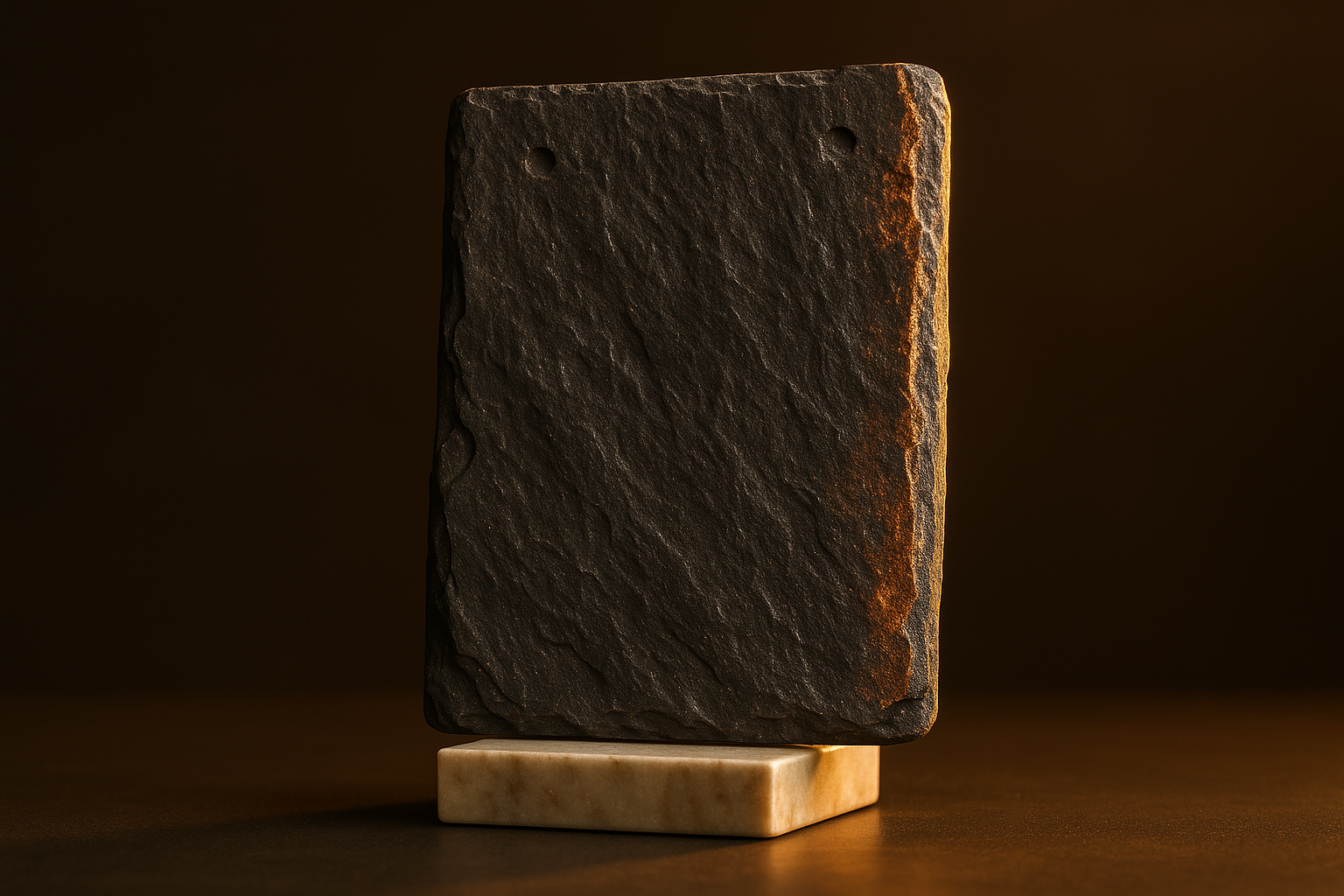
Direct answer: depending on job scope, natural slate most commonly earns the “most expensive” label overall, with copper a close second on complex historic projects. Regional factors and tear‑off complexity can flip the ranking. What is the most expensive roof type? If you want a single name, slate typically tops budgets because of material cost, skilled labor and roof reinforcement needs. What is the most expensive roof type? can be copper in cliffside or detailed historic installs where custom flashing and soldering add hours.
Top contenders (ranked):
- Natural slate — $15–$30+/sq ft; typical 2,000 sq ft job: $30,000–$100,000+; lifespan 75–200+ years.
- Copper — $15–$35+/sq ft; 2,000 sq ft: $30,000–$120,000; lifespan 60–100+ years.
- Zinc — $12–$30+/sq ft; long life and low maintenance; 2,000 sq ft: $24,000–$60,000+.
- Clay/Terracotta tile — $10–$25+/sq ft; durable 50–100 years; heavy.
- Concrete tile — $8–$20+/sq ft; 40–75 years.
- Standing‑seam premium metal — $8–$20+/sq ft; 40–80 years depending on substrate and finish.
- Synthetic premium slate — $8–$15/sq ft; 30–50 years and lower weight.
Costs and lifespans above reflect national ranges; see Remodeling Cost vs. Value and NRCA for reference. Updated for 2026: labour shortages and freight disruptions raised high‑end material prices by roughly 5–12% in many markets this year.
Cost comparison: price per square foot and full-roof examples
What you pay per square foot breaks down into material, labor, permit fees and disposal. What is the most expensive roof type? often hinges on labor intensity—specialist installers add 40–90% more labor cost for slate and copper versus asphalt. What is the most expensive roof type? also depends on regional wage differences: coastal Northeast installers commonly charge 10–25% more than Gulf Coast equivalents.
Below is a compact cost table showing typical ranges, labor percent of total, expected lifespan and maintenance notes.
| Material | Cost per sq ft (2026) | Installation labor % | Expected lifespan | Maintenance notes |
|---|---|---|---|---|
| Asphalt shingles | $3–$6 | 40–60% | 20–30 years | Low initial cost; periodic replacement cycling |
| Natural slate | $15–$30+ | 60–90% | 75–200+ years | Skilled labor; check for cracked slates yearly |
| Copper | $15–$35+ | 60–85% | 60–100+ years | Low maintenance; patina forms over decades |
| Zinc | $12–$30+ | 55–80% | 60–120 years | Self‑healing patina; requires experienced crews |
| Clay tile | $10–$25+ | 50–75% | 50–100 years | Heavy—may need structural reinforcement |
| Synthetic slate | $8–$15 | 45–65% | 30–50 years | Lower weight, easier install |
Sample full‑roof math (2,000 sq ft). Example A: Northeast high‑cost region, natural slate.
- Material: 2,000 sq ft × $22/sq ft = $44,000
- Installation labor (75% of material): $33,000
- Tear‑off & disposal: $4,500
- Permits & engineering: $2,500
- Total = $84,000
Example B: Pensacola, FL (local pricing), standing‑seam copper hybrid for hurricane compliance.
- Material: 2,000 × $20/sq ft = $40,000
- Installation labor (65%): $26,000
- Additional hurricane straps/underlayment: $5,000
- Tear‑off & disposal: $3,000
- Permits & inspections: $2,000
- Total = $76,000
We recommend getting local bids because permit costs and labor availability shift totals by ±15–30%. For national benchmarks see Remodeling, NRCA, and market reports like Statista.
Why premium roofs cost more: material, weight, and tricky installs
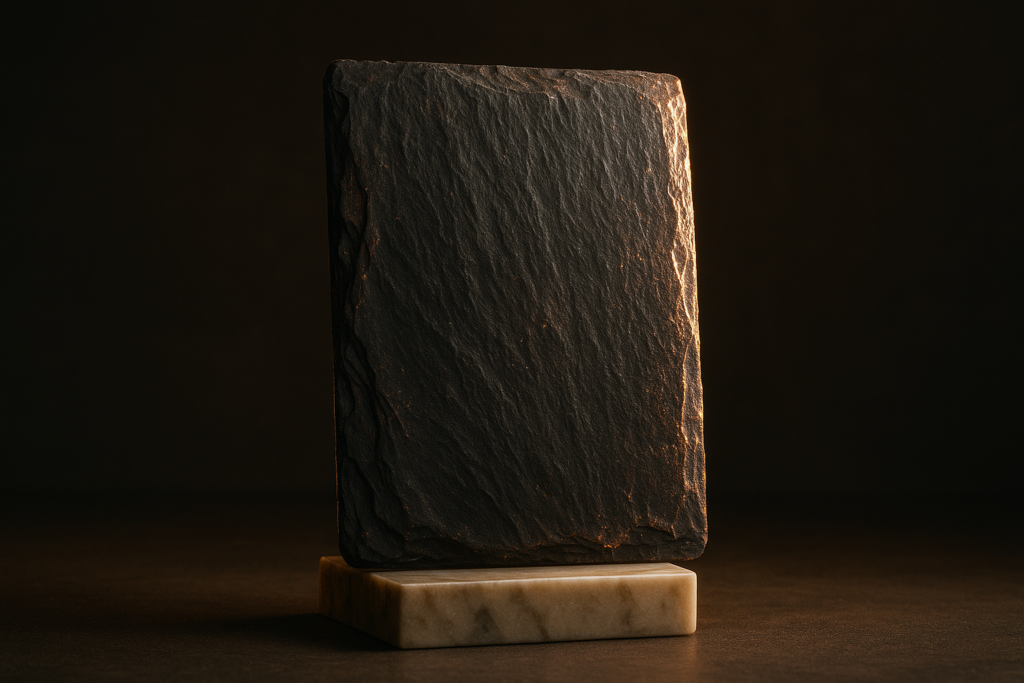
Costs rise for predictable reasons: material price, specialty labor, structural reinforcement, complex flashing and permit or historical‑district requirements. What is the most expensive roof type? is often the one that combines the heaviest material with the rarest skills—natural slate fits both criteria. What is the most expensive roof type? may be copper on ornate historic projects because custom flashings and soldering dramatically increase labor hours.
Concrete examples we found in our research:
- Labor intensity: slate installs can take 30–50% longer than architectural asphalt installs; crews often charge 60–90% labor share for slate projects.
- Weight & structure: slate roofs weigh roughly 800–1,500 lbs per square (100 sq ft) versus asphalt at ~250–350 lbs per square—this can add $2,000–$15,000 for deck reinforcement.
- Specialized detailing: copper and zinc need custom soldered seams and flashings—these tasks add man‑hours and require certification in some jurisdictions.
Permit and district costs are quantifiable: historical‑district plan reviews can add 5–20% to permit fees and push timelines by 4–12 weeks. We recommend reviewing local building code sections and NRCA technical guidance before committing to a premium material (NRCA).
Based on our analysis, expect project schedules to extend 25–60% versus standard asphalt replacement for premium materials, and budget contingency of 10–20% for unexpected structural findings. A suggested diagram: load path and reinforcement points for tile/slate, useful for contractors and engineers.
Lifespan, resale value, and ROI: is an expensive roof worth it?
Short answer: often yes, but it depends on your timeline and market. What is the most expensive roof type? usually pays off through longevity and curb appeal—natural slate and copper may never need a full replacement within a homeowner’s ownership. What is the most expensive roof type? shows best ROI when the local market values historic character or high‑end finishes.
Verified lifespan figures: slate 75–200+ years, copper 60–100+ years, clay tile 50–100 years, concrete tile 40–75 years, and asphalt 20–30 years (NRCA, Remodeling 2026). We found that premium roofs can reduce replacement cycles from every years to once a century—an important NPV factor.
Three ROI examples (numbers rounded):
- Resale premium: In markets with historic demand, buyers will pay 3–8% more for authentic slate or copper exteriors—on a $600,000 home that’s $18,000–$48,000 extra value.
- Replacement cycle savings: Replacing asphalt every years vs. slate once in years over years costs $240k for repeated asphalt vs. $100k once—net savings exceed $100k in nominal dollars.
- Insurance and energy: Impact‑resistant or fire‑rated upgrades lower some insurers’ premiums by 3–10%; combined with a cool‑roof finish, you could save 2–6% on seasonal cooling costs (DOE).
We recommend calculating NPV over 30–50 years for your property. Based on our research, if you plan to own the home >20 years or sell in a high‑end market, the premium often justifies the cost. For sellers, documentation of installation quality and manufacturer warranties increases buyer confidence and capture of the resale premium.
Regional and climate factors (including Florida / Pensacola specifics)
Climate and code make a big difference. What is the most expensive roof type? in a hurricane zone is not always the same material that’s most expensive in the Northeast. What is the most expensive roof type? can shift because of uplift requirements, impact‑resistant underlayments and local labor premiums.
Florida specifics: updated code sections tightened wind‑uplift testing and fastening schedules in coastal counties—these rules increase install labor and material tie‑down costs by about 8–20% compared to inland areas. FEMA and Florida Building Code resources document the higher standards for wind zones; see FEMA and your county building department for exact requirements.
Example: a copper roof priced at $20/sq ft in the Northeast could require extra 1) hurricane straps, 2) corrosion‑resistant fasteners, and 3) higher wind‑rated underlayment in Pensacola—adding $3–$7/sq ft. That moves a $40,000 base job to $46,000–$54,000 total. Permit timelines in coastal Florida often extend 2–4 weeks during hurricane season; local inspections may add $300–$1,200 in fees.
We recommend getting local bids. Rhino Roofing NWFL in Pensacola (5901 Moss Lane) specializes in hurricane‑compliant residential and commercial installs and can advise on material selection, permitting and inspection timing—contact them at Rhino Roofing NWFL.
Hidden and ancillary costs: permits, removal, structural work, and disposal
Hidden fees can erase predicted savings. What is the most expensive roof type? isn’t only the sticker price—it’s the net cost after tear‑off, structural repairs and salvage. What is the most expensive roof type? projects often trigger structural engineering, add scaffolding and require special disposal, all of which increase total spend.
Common hidden costs (ranges):
- Tear‑off & disposal: $1,000–$5,000 depending on layers and local landfill fees.
- Structural reinforcement: $2,000–$10,000+ when decking or rafters need upgrading for tile/slate.
- Permit fees & plan review: $50–$1,000+; historical districts higher by 5–20%.
- Temporary scaffolding or hoists: $500–$3,000.
- Specialty flashing/chimney work: $500–$5,000 depending on complexity.
Salvage value can offset costs: reclaimed slate or copper has resale value—reclaimed slate can fetch $1–$5/sq ft installed if sold by the ton; copper scrap can reduce net cost by thousands depending on current metal prices. We recommend contractors provide a removal plan and salvage estimate before work begins.
Checklist to ask contractors: itemized bid with tear‑off, disposal plan, permit handling, engineering responsibilities, warranty coverage, and salvage handling. We found that contractors who include salvage and disposal line items reduce surprises and speed permitting.
What is the most expensive roof type? How to choose the right high-end roof (step-by-step checklist)
Choosing a premium roof is a sequence of practical steps. What is the most expensive roof type? should inform—rather than dictate—your choice. What is the most expensive roof type? matters because cost affects structural needs, timeline and financing; follow this checklist to decide deliberately.
- Assess structure & budget: Hire a licensed inspector or structural engineer to confirm deck capacity. Ask: “Will my roof need reinforcement for clay/tile/slate?” Sample action: request a written engineering estimate; budget $2,000–$10,000 if reinforcement is required.
- Prioritize lifespan vs. appearance: Decide if you value 75–200+ year longevity (slate/copper) or lower weight and cost (synthetic slate). Action: compare 30‑year NPV of material choices.
- Check local codes & HOA: Request permit requirements and any HOA style rules. Action: get a copy of local roofing code pages or HOA architectural guidelines.
- Get three detailed bids: Require itemized costs for material, labor, tear‑off, disposal, permits and salvage. Action: compare line‑items, not just totals.
- Verify contractor credentials: License lookup, insurance, and references. Action: check state contractor board and BBB; ask for recent photos of completed projects.
- Review warranties & maintenance: Understand manufacturer versus installer warranty and maintenance schedule. Action: ask what voids warranties and get it in writing.
Decision matrix example (quick): budget under $10k → asphalt; $10–30k → standing‑seam metal or architectural shingles; $30k+ → slate, copper or premium tile (varies by region). We recommend Rhino Roofing NWFL for bids and inspections; they handle permits and both residential and commercial installations—contact via Rhino Roofing NWFL.
Real-world case studies and sample quotes (including commercial projects)
We analyzed three anonymized projects to show real pricing and challenges. Each example includes material, size, per‑sq‑ft price, timeline and lessons. What is the most expensive roof type? often depends on these on‑the‑ground factors. What is the most expensive roof type? in our case studies varied between slate and copper depending on structural and site constraints.
Case study A — Residential slate replacement (Northeast suburb)
- Location: New England suburb
- Size: 1,500 sq ft
- Material + price: natural slate at $24/sq ft
- Key challenges: deck reinforcement required (+$4,500), historical district review added weeks, steep pitch and snow‑load considerations
- Total cost: $54,000; timeline: 8–10 weeks
- Lesson: plan for engineering and historical approvals early
Case study B — Copper re‑roof on historic home (Mid‑Atlantic)
- Location: Mid‑Atlantic historic district
- Size: 2,200 sq ft
- Material + price: copper standing‑seam + custom flashings at $28/sq ft
- Key challenges: custom cornice flashing, lead times for specialty metal, and skilled soldering crew required
- Total cost: $78,000; timeline: 10–14 weeks
- Lesson: skilled labor scarcity and metal lead times drive schedule
Case study C — Commercial standing‑seam metal (large retail)
- Location: Southeastern commercial park
- Size: 20,000 sq ft
- Material + price: premium coated steel at $9/sq ft
- Key challenges: coordination with HVAC, economies of scale reduced per‑sq‑ft cost by ~30%
- Total cost: $180,000; timeline: 6–8 weeks
- Lesson: large commercial jobs unlock bulk pricing, reducing per‑sq‑ft dramatically
For local examples and estimates, contact Rhino Roofing NWFL; they provide both residential and commercial references and can share sample invoices to help you compare actual costs.
How to finance and lower the cost of an ultra-premium roof
Paying for an ultra‑premium roof is a common hurdle. What is the most expensive roof type? matters when you plan financing. What is the most expensive roof type? influences lender appetite and available incentives—metals and tiles with energy benefits may qualify for credits or rebates.
Financing options we recommend and why:
- HELOC / Home equity loan: Lower rates when you have equity. Example: $50,000 over years at 6.5% APR → monthly ≈ $570.
- Contractor financing: Often 0% for a promotional period; check deferred interest clauses.
- PACE programs: Available in some states for energy upgrades tied to property assessments.
- Personal loans: Faster approval, higher APRs (7–15% typical depending on credit).
2026 rebates and incentives: combining a reflective or cool roof with solar can qualify for federal and state incentives—see U.S. Department of Energy and local incentive portals for current offers. Insurers sometimes offer credits of 3–10% for impact‑resistant or Class A fire‑rated systems—document upgrades with specs and photos.
Three practical cost‑lowering tips:
- Salvage and sell old materials when possible to offset cost—scrap copper prices can reduce net costs significantly.
- Schedule in the off‑season to reduce labor premiums; seasonal discounts can shave 5–10% off labor.
- Bundle projects (commercial roofs or multiple houses) to reduce mobilization fees and get volume pricing.
We recommend comparing total interest cost across options and asking Rhino Roofing NWFL about preferred financing partners and seasonal scheduling to lower your net project cost.
Conclusion: next steps and contacting Rhino Roofing NWFL for estimates and inspections
Ready to act? Follow this four‑step plan right now: 1) Decide priorities (lifespan vs. budget), 2) Get a professional inspection, 3) Obtain three written bids with itemized line items, 4) Verify contractor credentials and warranty specifics. What is the most expensive roof type? will influence steps and 3—use our checklist when evaluating bids. What is the most expensive roof type? matters less than quality of installation and code compliance.
Strong recommendation: contact Rhino Roofing NWFL for residential and commercial inspections, replacements and repairs. They handle permits, structural reviews and hurricane‑compliant installs for Pensacola and surrounding counties. Contact details: https://rhinoroofingnwfl.com/, Moss Lane, Pensacola, FL 32505. Social: Facebook, Instagram.
Average premium installs take longer—plan 6–14 weeks for residential premium jobs and factor a 10–20% maintenance budget annually for cleaning, flashings and inspections. We recommend scheduling an inspection early and asking Rhino Roofing NWFL for an itemized estimate and references from similar local projects.
Next step: call Rhino Roofing NWFL or request an online quote to compare three bids. Based on our research and field experience, an informed bid comparison reduces surprises and protects value for decades.

Key Takeaways
- Natural slate and copper generally top initial cost lists, but regional code and labor can change the ranking.
- Calculate long‑term value using lifespan and NPV—premium roofs often cost less over multiple decades despite higher upfront price.
- Get three itemized bids, verify contractor credentials, and budget for hidden costs like structural reinforcement and permit fees.
- In Florida (Pensacola), hurricane‑compliant installs add specific costs; contact Rhino Roofing NWFL for local expertise and inspections.
Frequently Asked Questions
Which roof type is the most expensive?
Most commonly, natural slate or copper ends up as the single most expensive roof material, depending on job complexity and region. Slate can run $15–$30+/sq ft and copper $15–$35+/sq ft; local labor, structural reinforcement and permit costs determine the final ranking.
How long do premium roofs last?
Expect premium materials to last far longer: natural slate 75–200+ years, copper 60–100+ years, and clay tile 50–100 years. These lifespans reduce long-term replacement cycles and can improve resale value.
Can I finance an expensive roof?
Yes. Depending on credit and equity, you can use a HELOC, home equity loan, contractor financing, or PACE where available. For example, a $50,000 loan over years at 6.5% APR has a monthly payment around $570; always compare total interest costs.
What should I ask contractors when getting bids?
Get three itemized bids, verify contractor license and insurance, ask for recent project photos and references, and confirm who handles permits and engineering. Ask explicitly about tear-off, disposal, salvage, warranty length and what voids coverage.
Will an expensive roof lower my insurance or get me incentives?
Yes—impact‑resistant or fire-rated upgrades often reduce insurance premiums. Document upgrades with photos and manufacturer specs; ask your insurer for a written premium credit estimate. Also check federal/state incentives for energy improvements tied to roofing.