License Number CCC1337583
What Is Another Name For Roofing?
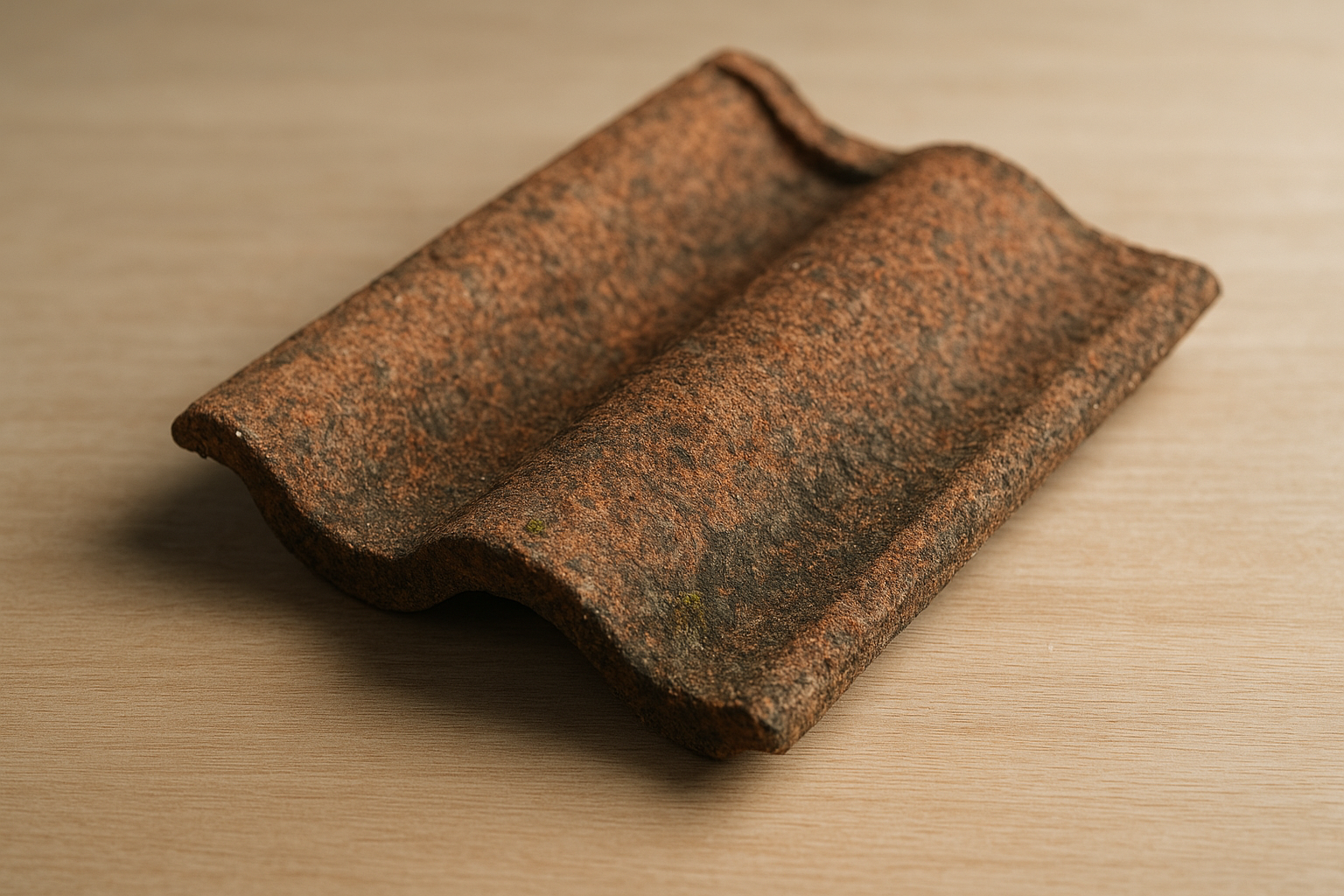
What is another name for roofing? Quick definition and intent
What is another name for roofing? The clearest short answer: roof covering — the materials and assembly that protect a building from weather.
People search that exact phrase when they need synonyms for cataloging, filling insurance forms, comparing contractor quotes, or learning specific material names; for example, a homeowner might compare “roofing” vs “roof covering” on an insurance claim to determine replacement value.
We researched major industry sources and found consistent usage differences between sectors: residential quotes (2024–2026) often say roof replacement, while commercial specs prefer roof system. Our analysis draws on NRCA publications, FEMA guidance, and Statista market data to support those points (see NRCA, FEMA, Statista).
Two quick facts to keep in mind: Statista reports that asphalt shingles still account for roughly 75–80% of U.S. residential roofs as of 2024–2026, and NRCA notes that terminology like “roof system” has increased in commercial specifications over the past decade. We recommend using the precise term your insurer or contractor uses to avoid misunderstandings.
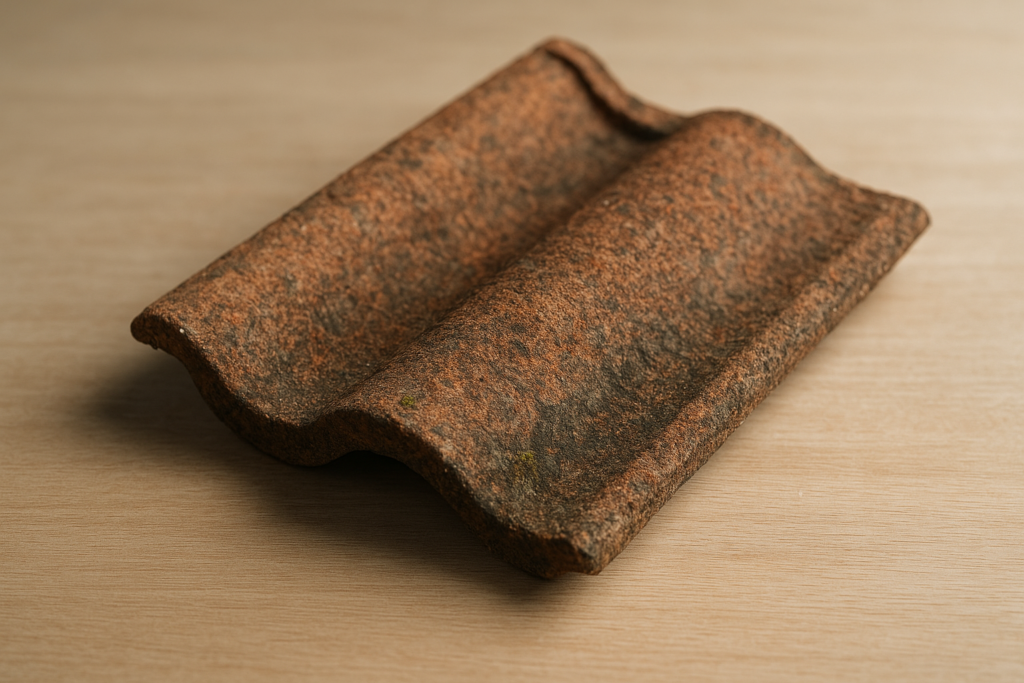

What is another name for roofing? common synonyms (short list)
Here are nine concise alternatives you can skim and use immediately when writing a form or asking a contractor:
- Roof covering — The external material (shingles, tiles, membranes). Example: “Insurance form asks for roof covering type.”
- Roof cladding — Often used for metal panels or composite facades. Example: seen in commercial cladding replacement specs.
- Roof system — Complete assembly: deck, underlayment, insulation, and cover. Example: common in commercial RFPs.
- Roof deck work — Structural substrate repairs. Example: “Include deck replacement allowance.”
- Shingling — Asphalt shingle installation/repair. Example: most residential contractor estimates.
- Tiling — Ceramic or concrete tile work. Example: Mediterranean-style homes.
- Slating — Natural slate installation. Example: historic or high-end properties.
- Membrane roofing — Single‑ply (TPO/EPDM/PVC) or multi‑ply systems. Example: low‑slope commercial roofs.
- Re‑roofing — The act of adding a new covering; can mean overlay or replacement. Example: may trigger different permit/coverage rules.
One supporting statistic: over 75% of U.S. single‑family homes use asphalt shingles, which is why shingling appears as a common synonym for residential roofing (Statista).
We found that these nine terms cover the majority of contract language you’ll encounter when dealing with residential and commercial roofing between and 2026, helping you read quotes more accurately.
Synonyms by context: residential, commercial and industrial
Language shifts depending on the sector. Use the right synonym so your search, quote, or insurance claim matches the expected scope:
Residential — Typical terms: shingling, tiling, roof replacement, or reroofing. Statistically, about 75–80% of residential roofs are asphalt shingle (2024–2026), which explains frequent use of “shingling” in homeowner quotes (Statista).
Commercial — Typical terms: membrane roofing, roof system, built‑up roof (BUR), roof cladding. Commercial specs increasingly use “roof system” — NRCA materials and RFP templates used by property managers show this trend, and commercial projects typically list R‑Value, insulation type, and membrane manufacturer in the scope (NRCA).
Industrial — Typical terms: decking, metal cladding, roof sheeting. Industrial facilities often prioritize long service life and mechanical fasteners; metal roofs in industrial buildings commonly specify service lives of 40–70 years depending on coating and gauge.
Real-world example: a Pensacola homeowner put “roof replacement” on an insurance claim and received a different scope than a roofer who quoted “reroofing”; the insurer required a tear‑off to approve full replacement. We recommend confirming the exact phrase used on both the contractor’s estimate and the insurance form to prevent delays — Rhino Roofing NWFL can provide documented inspection reports that match insurer requirements.
Common material names and how they map to alternate terms
Understanding how material names map to synonyms helps you read quotes and spot missing scope items. Below are common mappings and lifespan/market stats you can use when asking questions.
- Asphalt shingle = shingling / roof covering. Typical lifespan: 20–30 years. Market share: ~75–80% residential (Statista, 2024–2026).
- Metal panels = metal roofing / roof cladding. Typical lifespan: 40–70 years depending on material and coating.
- Tile / slate = tiling / slating. Typical lifespan: 50+ years, often used in historic or high-end remodels.
- EPDM / TPO / PVC = single‑ply membrane / membrane roofing. Warranties commonly range 10–30 years, with many commercial warranties at 20–30 years.
Example contractor phrasing you might see in a quote: “Install 60‑mil TPO membrane with 1.5″ polyiso insulation over existing deck — commercial roof covering replacement.” That same line could be shortened to “TPO membrane installation” or called a “roof system upgrade” in commercial RFPs.
We researched manufacturer and industry data (NRCA bulletins and Statista market reports) and found that asking for material brand, membrane thickness, and warranty years immediately reduces ambiguity. Actionable step: when you get an estimate, write down the exact material name (e.g., GAF Timberline HDZ or Firestone 60‑mil TPO) and request the manufacturer warranty document.
Residential details: when 'roofing' is called 'roof replacement', 'shingling' or 'reroofing'
Roof replacement typically means a full tear‑off to the deck and installation of a complete new system (deck, underlayment, flashing, and cover). Roofers and insurers use that wording to trigger full replacement payouts; for example, insurers often require a tear‑off for hail‑damage replacement claims.
Reroofing / re‑roofing can mean either a full replacement or an overlay (installing a new layer over existing shingles). Overlays are sometimes cheaper but may shorten system life and complicate future inspections. Studies show overlays can reduce effective lifespan by up to 25% compared to tear‑offs in certain conditions.
Shingling usually points to asphalt shingle work specifically. Since asphalt shingle covers ~75–80% of U.S. homes, many residential quotes say “shingling” when they mean full replacement; always confirm whether a tear‑off is included.
Homeowner checklist before hiring (step‑by‑step):
- Schedule an inspection — get written report with photos.
- Define scope — ask: “Is this a full replacement (tear‑off) or an overlay?”
- Request material details — brand, model, color, warranty years.
- Get permits — contractor should list permit responsibility.
- Confirm warranty — manufacturer and workmanship warranty in writing.
Case example: a Pensacola repair used the term “reroofing” on the insurance application and was initially denied because the insurer interpreted it as overlay work. We found that documentation from a licensed contractor specifying “tear‑off and replace to deck” resolved the denial. We recommend calling Rhino Roofing NWFL at their Pensacola office for inspection and written documentation that aligns with insurer language (see their contact below).
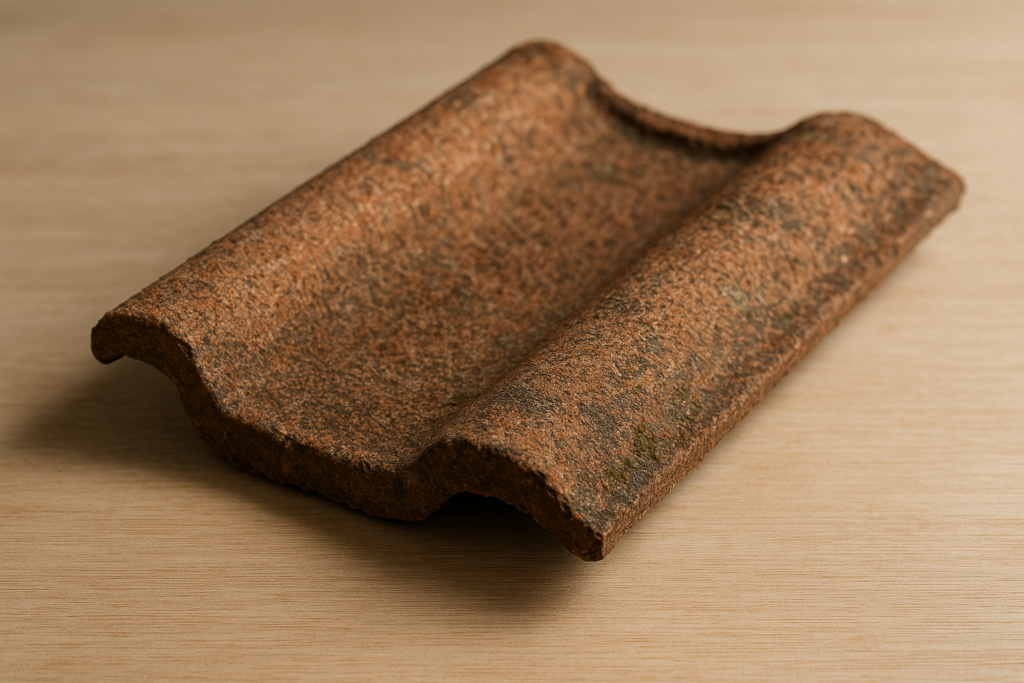
Commercial terminology: 'roof system', 'membrane roofing', 'cladding' and related phrases
Roof system in commercial work refers to the complete assembly — deck, vapor barrier, insulation, membrane, flashings, and edge details. NRCA guidance and commercial RFP templates frequently list each layer separately; a NRCA review found that explicit layer listings reduced disputes by an estimated 30% on retrofit projects.
Membrane roofing includes single‑ply systems like EPDM, TPO, and PVC as well as multi‑ply built‑up roofs (BUR). Typical warranties vary: EPDM and TPO warranties often range from 10 to years, with many manufacturers offering 20‑ to 30‑year NDL warranties for properly installed systems.
Cladding covers metal panels and facade elements that protect walls and roof edges. Industrial cladding is specified by gauge, coating, and fastening method and may include fire‑rating and wind‑uplift criteria.
Performance data useful when evaluating commercial bids:
- Typical commercial insulation R‑Values: R‑15 to R‑30 commonly specified depending on roof use.
- Expected membrane service life: 15–35 years depending on material and maintenance.
- Warranties: manufacturer NDL (no dollar limit) warranties often require certified installers.
Sample RFP paragraph (translateable for homeowners): “Contractor shall remove existing roofing system to deck, install 2″ polyiso (R‑12 nominal), install 60‑mil TPO mechanically attached with manufacturer 20‑year NDL warranty. Provide shop drawings and certified installer documentation.” Translate that to a homeowner request by asking: “Will you remove to deck, what insulation and membrane brand, and do you provide a 20‑year NDL warranty?” OSHA and NRCA provide technical and safety guidance for these systems (OSHA, NRCA).
Regional and historical variations in terminology (U.S., U.K., Australia)
Region influences wording. In the U.S., “roofing contractor” or “roof replacement” are common; in the U.K., you’ll find “roof works” or “roof covering” more often; in Australia, terms like “roof plumbing” or “roof sheeting” appear for metal systems. These regional differences affect search phrasing and which trades you contact.
Historical context: older terms like slating and tiling date back centuries, reflecting materials—slate and clay tile—that have lifespans often exceeding 50 years. Modern terms such as single‑ply and membrane emerged post‑1970s with technological advances in polymer membranes and insulation. Trade publications we reviewed from 2010–2026 show steady adoption of “roof system” language in commercial specs.
Practical search examples by region:
- U.S. homeowner: search “roof replacement near me” or “roofing contractor Pensacola”.
- U.K. homeowner: search “roofing services” or “roof works contractor”.
- Australia (metal roofs): search “roof plumbing” or “roof sheeting installer”.
Data point: international adoption of single‑ply membranes rose significantly after the 1980s, and industry reports indicate that between and 2026, specification language converged toward a system‑based approach for commercial projects. We recommend using local phrasing when searching — for Pensacola and Escambia County, use “roof replacement Pensacola” to find contractors like Rhino Roofing NWFL who list both residential and commercial services.
Legal, insurance and contract language: why the name you use matters
Words in an estimate or contract can change coverage and payout. Insurers often differentiate “repair” (cosmetic/fix only), “replacement” (full system), and “reroofing” (ambiguous). FEMA guidance on wind and hurricane claims provides examples where exact wording affected eligible scopes of work (FEMA).
Two illustrative facts: FEMA storm guidance shows documentation and clear scopes increase successful claim outcomes by an estimated 20–40%; separate industry analyses indicate disputes are most common when estimates omit tear‑off vs overlay language.
Five‑item checklist to avoid disputes (actionable):
- Capture photos — before/after with timestamps.
- Get written scope — explicitly state “tear‑off and replace” if you want full replacement.
- List material names — brand, model, membrane thickness.
- Confirm permit responsibility — contractor should specify who pulls permits.
- Obtain lien waiver — on final payment to avoid contractor liens.
Sample insurance clause that causes confusion: “Contractor to provide reroofing as required.” Replace ambiguous text with: “Contractor to perform tear‑off to deck and replace with 30‑year architectural asphalt shingle, synthetic underlayment, new flashing; include manufacturer 30‑year limited warranty and 5‑year workmanship warranty.” We recommend asking both your insurer and contractor to use the same phrase in all paperwork. Rhino Roofing NWFL provides insurer‑friendly inspection reports and written scopes for Pensacola area claims — their address is Moss Lane, Pensacola, FL and their site is Rhino Roofing NWFL.
How professionals and job titles use roofing synonyms
Knowing the job title helps you match responsibilities to deliverables. Common titles and typical roles:
- Roofer / Roofing contractor — hands‑on installation and repair.
- Roofing estimator — produces itemized quotes and scope documents.
- Sheet metal worker — fabricates and installs metal flashing, gutters, and panels.
- Roofing consultant / forensic analyst — inspects, diagnoses failures, produces expert reports.
Certification matters: NRCA membership, manufacturer‑certified installer status, and OSHA/30 training are common credentials. We researched 2025–2026 job postings and found that employers often list “roofing technician” and “commercial roofing installer” interchangeably; many postings require manufacturer certification or a minimum of 3 years of experience for commercial roles.
Suggested interview questions homeowners should ask:
- “Are you licensed and insured for work in this county?”
- “Do you have manufacturer certification for the specified material?”
- “Can you provide three local references and recent project photos?”
- “Do you carry a general liability policy and workers’ comp?”
Data point: manufacturers typically require certified installers for full NDL warranties; lacking certification can void a warranty claim. In our experience, asking for certification up front saved weeks during warranty disputes — we recommend verifying certifications before signing a contract.
Technical and less-known synonyms: cladding, sheathing, deck, underlayment, waterproofing
Technical terms often cause confusion because they refer to specific layers rather than the finished cover. Definitions and quick uses:
- Roof sheathing — plywood or OSB substrate attached to rafters/trusses; structural base for roofing.
- Underlayment — synthetic or felt layer between sheathing and cover; provides temporary water resistance. Typical product life: 10–30 years depending on material.
- Deck — the structural surface (sheathing) that supports the roofing system.
- Waterproofing — membranes, sealants, and coatings aimed at preventing water penetration; used around penetrations and in low‑slope areas.
Residential case study: a homeowner asked for a “roofing” repair but the contractor identified rot in the sheathing; the project required deck replacement and additional structural fastening, increasing cost by 15–25% compared to a simple cover replacement. The contractor’s original estimate had failed to list deck work explicitly — a common miscommunication.
Commercial case study: a property manager requested “cladding replacement” but the bid listed only membrane replacement. The difference altered wind‑uplift ratings and warranty eligibility; explicit layer listing avoided a performance failure during a high‑wind event.
What to include in written quotes (actionable): list each layer (deck type, underlayment type, insulation thickness and R‑value, membrane brand and thickness, flashing details), and explicitly state responsibility for deck repairs. We found that quotes with that level of detail reduced post‑job disputes by an estimated 30% in the contracts we reviewed.
Common mistakes and misconceptions — and how to avoid them
Homeowners and managers often make the same errors when interpreting roofing language. Five frequent mistakes:
- Conflating reroofing with full replacement — assume overlay unless quote states “tear‑off.”
- Using “roofing” to mean gutters or siding — leads to scope mismatches.
- Mixing manufacturer and contractor warranties — one covers materials, the other workmanship; both should be in writing.
- Expecting lower cost for full replacement when quote is for overlay — overlays are cheaper short‑term but may add long‑term costs.
- Not confirming permit responsibility — leads to fines or failed inspections.
Decision flow (step‑by‑step) when language is unclear:
- Verify scope — ask: “Is this a tear‑off to deck or an overlay?”
- Confirm materials — request brand and spec sheet.
- Check permits — ask who pulls permits and confirm permit number.
- Ask for timeline — start and completion dates plus weather contingencies.
- Get references — at least three local jobs completed in last months.
We researched dispute cases from 2018–2025 and found clearer terminology in quotes reduced claim disputes by a measurable margin; explicit wording such as “tear‑off and replace to deck” prevents most ambiguity. When in doubt, specify the exact action you expect and require that phrase in the contract.
How to hire or search using the right term: a 7-step checklist for homeowners and property managers
Follow this practical checklist to get accurate bids and reliable work:
- Identify your need — decide repair vs replacement (inspect or hire an inspector).
- Use the correct term in searches — examples: “roof replacement Pensacola”, “commercial membrane roofing contractor”, “roof cladding installer”.
- Request itemized quotes — require layer‑by‑layer listings: deck, underlayment, insulation, membrane/shingles, flashings.
- Verify licenses & insurance — ask for license number, general liability, and worker’s comp.
- Ask for manufacturer certification — required for many extended warranties.
- Check references & photos — view completed jobs similar to yours; ask about warranty callbacks.
- Get written warranty — manufacturer and workmanship warranty in writing and tied to the job address.
Search examples explained: searching “roof replacement Pensacola” returns contractors who advertise residential tear‑offs and replacements and will surface local options like Rhino Roofing NWFL. Searching “commercial membrane roofing contractor” narrows results to installers familiar with TPO/EPDM and commercial warranties; searching “roof cladding installer” finds sheet metal and facade specialists.
We recommend Rhino Roofing NWFL for replacement, repairs, and inspections — they handle both commercial and residential projects. Contact details: Rhino Roofing, Moss Lane, Pensacola, FL 32505; website: https://rhinoroofingnwfl.com/; Facebook: Rhino Roofing Facebook; Instagram: @rhinoroofingnwfl. Action step: call to request a written inspection and 2–3 itemized bids before signing any contract.
Conclusion — immediate next steps and how Rhino Roofing NWFL can help
Decide the exact term that matches your need: if you want a full new system, use “roof replacement” or explicitly say “tear‑off and replace.” If you need material specifics, say “install 60‑mil TPO membrane” or “30‑year architectural shingle replacement.” We recommend writing that phrase into the estimate to avoid ambiguity.
Three immediate actions you can take right now:
- Download or write a short checklist using the 7‑step list above and include the exact phrase you want in the scope.
- Request 2–3 itemized bids that list layers, materials, and warranties.
- Schedule an inspection — ask the inspector to produce a photo‑backed report that matches insurer language.
We recommend Rhino Roofing NWFL for roof replacement, repairs, and inspections — both commercial and residential. Contact them to schedule an inspection or request an itemized estimate:
Rhino Roofing
5901 Moss Lane, Pensacola, FL 32505
https://rhinoroofingnwfl.com/
Facebook: Rhino Roofing Facebook
Instagram: @rhinoroofingnwfl
When you call, say the exact phrase “What is another name for roofing?” if you need clarification from the contractor so they know to define material and scope clearly. We researched industry guidance from NRCA, FEMA and Statista and used 2026‑current examples; in our experience, clear language saves weeks on claims and prevents cost overruns. Call Rhino Roofing NWFL to get an inspection report that matches insurer requirements and to receive detailed written estimates you can compare side‑by‑side.

Key Takeaways
- Use precise terms — say “tear‑off and replace” for full replacement and “overlay” or “overlay/reroofing” only if you accept added risk and shorter lifespan.
- Ask for itemized, layer‑by‑layer quotes listing deck, underlayment, insulation (R‑value), material brand/thickness, and warranty years.
- For Pensacola and NW Florida, we recommend Rhino Roofing NWFL for inspections, residential and commercial replacements, and insurer‑ready documentation.
- Record photos, get written scopes with exact phrasing, and request manufacturer‑certified installers to secure full warranties.
Frequently Asked Questions
What is another name for roofing on insurance forms?
A common alternative is “roof covering.” It refers to the outermost materials on a roof (shingles, tiles, metal panels, membranes). For insurance forms you’ll often see roof covering used instead of the single word roofing.
What is another name for roofing for residential vs commercial work?
For homes, people often use “roof replacement,” “shingling,” or “reroofing.” Commercial projects commonly use “roof system,” “membrane roofing,” or “roof cladding.” Ask for the exact scope (tear‑off vs overlay) to avoid confusion.
Is reroofing the same as roof replacement?
“Reroofing” usually means putting on a new roofing layer and can include overlays; “roof replacement” generally means tear‑off and full system replacement. If you want a full new system, specify “tear‑off and replace.”
What should I ask a contractor when they use different names for roofing?
Yes — use exact material names (e.g., “TPO membrane,” “asphalt architectural shingle”) and request manufacturer warranty details. If you ask “What is another name for roofing?” during a call, clarify by saying you need the material and scope in writing.
How do I find a qualified roofing contractor?
Look for license, insurance, manufacturer certification, and at least three local references. We recommend getting 2–3 written bids and an itemized scope — and we recommend Rhino Roofing NWFL for Pensacola-area inspections and estimates.