
License Number CCC1337583
Water Damage After a Roof Leak
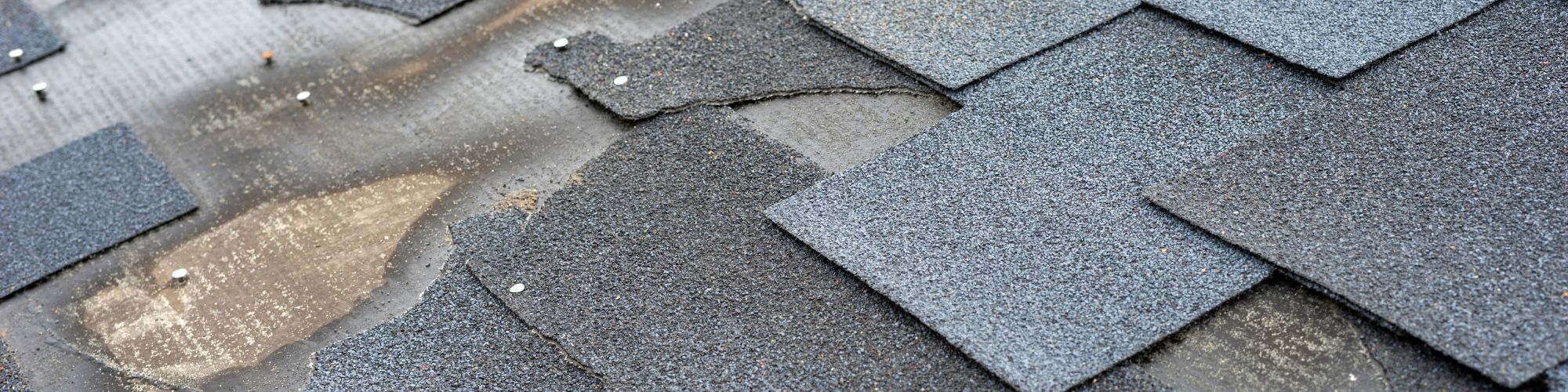
Water damage after a roof leak doesn’t stop when the roof does. EPA says to dry water-damaged areas and items within 24 to 48 hours to prevent mold growth, so water damage roof repair is really two jobs: stop new water from getting in, then dry and repair what the leak already soaked.
This guide covers what water does inside a house and how fast, what’s dangerous, what to dry or throw out, mold basics, and the order recovery goes in. It’s general information for Northwest Florida homeowners, and nothing here involves getting on the roof.
What water does inside the house after a roof leak, and how fast
Water from a roof leak can soak the roof deck, then the attic insulation, then the ceiling drywall, and keep going into walls. EPA says that if wet areas are dried within 24 to 48 hours after a leak, mold in most cases won’t grow. A CDC page gives a window of 48 to 72 hours. Treat the shorter number as your deadline.
The water rarely stays where you can see it. FEMA’s recovery advisory after Hurricane Michael (June 2019) says water getting in through roof damage can saturate attic insulation, seep into wall systems, damage interior finishes and furnishings, and lead to algae and mold growth. In one house it describes, ceilings in several rooms were saturated and collapsed. That’s a severe storm case, not a typical drip.
A ceiling stain is only the part you can see. The insulation above it can stay wet long after the dripping stops, so a tarp or a patch doesn’t end the clock. EPA names roof materials above ceilings, where leaks are the likely cause, as a place hidden mold can show up.
Safety first: sagging ceilings, wet fixtures and old insulation
A bulging or sagging ceiling. FEMA’s returning-home tips (updated April 2026) say to check the ceiling and floor for signs of sagging, and that water trapped in the ceiling or floors may be unsafe to walk on. Keep people and pets out from under it, and don’t poke it. Let a professional decide how it comes down.
Wet light fixtures and outlets. CDC says that if electrical circuits or equipment have gotten wet, you turn off the power at the main breaker or fuse on the service panel, and that if you’d have to enter standing water to reach it, you call an electrician instead. Ready.gov adds not to touch wet electrical equipment or touch any while standing in water. A fixture dripping under a wet ceiling counts, so leave it off and have an electrician check it.
Old insulation and ceilings. EPA says asbestos may be found in textured paint and patching compounds on walls and ceilings, and that people are exposed only when the material is disturbed or damaged. For vermiculite attic insulation, EPA says to leave it undisturbed and not remove it yourself.
What to protect, move and document
Everything below happens indoors, and none of it needs a ladder.
- Photograph and video first. Take wide shots and close-ups of the ceiling, walls, floors and belongings before you move, clean or throw anything out.
- Move what you can. Furniture, electronics, rugs and paper go out of the wet area, and anything you can’t move gets covered.
- Keep wet items you plan to discard until they’re photographed. Write down what each one was.
- Save every receipt. Drying equipment, tarping and cleanup supplies all count.
Florida’s Homeowner Claims Bill of Rights, in Statute 627.7142, advises keeping all receipts and taking photos or video of the damage before and after any repairs. The full first-hour checklist is in What to do about a leaking roof.
What to dry, what to throw out, and who decides
Drying works on materials that give the water back. It fails on materials that soak it up and hold it. EPA says absorbent or porous materials, such as ceiling tiles and carpet, may have to be thrown away if they become moldy. CDC’s advice is blunter: discard wet materials that can’t be repaired.
EPA’s mold course, written for schools and commercial buildings, gets specific. Drywall may be dried in place if there is no obvious swelling and the seams are intact, and otherwise it has to be removed. Cellulose and fiberglass insulation and ceiling tiles are on its list of items that may have to be discarded. It applies that to clean water, and says contaminated water calls for an experienced professional.
There’s a trade-off. Tear out too little and moisture stays trapped. Tear out too much and you’ve paid to replace what would have dried. That call depends on how wet the material is and what shape it’s in, so it’s a judgment for someone who can see it, not a guess from the floor.
Mold after a roof leak: what EPA and CDC say
EPA says there are many types of mold and none of them will grow without water or moisture, which is why it calls moisture control the key to mold control. If mold is already a problem, EPA says to clean it up promptly and fix the water problem. A musty smell with nothing visible can mean hidden growth, and EPA says that when mold is visible, sampling is usually unnecessary.
Size matters. CDC says to consider a professional for mold covering more than 10 square feet (EPA describes less than about 10 as roughly a 3 by 3 foot patch), and EPA says that if you hire a contractor, make sure they have mold cleanup experience. EPA also says mold may cause allergic reactions in sensitive people, and that if you have health concerns, you should consult a health professional before cleanup. This is general information, not medical advice.
Water damage roof repair: the order that works
- Make it safe. Power off at the breaker if you can reach it dry, and people out from under a sagging ceiling.
- Stop new water. A roofer tarps or repairs the roof. Temporary vs. permanent roof leak repair explains the difference.
- Document, then call your insurer. Photos and receipts come first.
- Start drying and sorting within 24 to 48 hours. Decide what dries in place and what comes out.
- Get the permanent roof repair done. Until it is, new rain can re-wet what you dried.
- Repair the inside last. Drywall, insulation and paint go back only once the materials are dry, because closing up damp material traps the moisture.
Insurance and deadlines: general information as of October 2026
This is general information, not advice, and it can change. Florida Statute 627.70132 (2026 Florida Statutes) bars a property insurance claim unless the insurer gets notice within 1 year after the date of loss, and a supplemental claim within 18 months. For hurricanes the date of loss is landfall, and for other weather events it’s the date NOAA verifies the event.
The Homeowner Claims Bill of Rights (Statute 627.7142, 2026 Florida Statutes) advises making and documenting emergency repairs necessary to prevent further damage, and contacting your insurer before entering any contract for repairs. Policies differ, so confirm what applies with your insurer or a licensed professional.
Who does what: roofer, drying and interior repair
Roof repair, drying and interior repair are generally different kinds of work, and one company may or may not offer all three. Rhino Roofing NWFL (Florida license CCC1337583) does Roof Leak Repair and lists Water Damage Mitigation from Roof Leaks among its services. Ask any company, Rhino included, exactly what is in its scope, in writing.
Ask whoever you hire:
- Where did the water get in, and is the fix temporary or permanent?
- Will you check the wet decking and insulation under the repair?
- What do you cover, and what is another trade’s job?
- What’s your Florida license number? Verify it on the state’s license lookup.
Water damage after a roof leak: questions homeowners ask
Does fixing a roof leak fix the water damage inside?
No. A repair stops new water. Wet insulation, drywall and framing still need to dry.
How long do I have to dry out water damage after a roof leak?
EPA says to dry water-damaged areas and items within 24 to 48 hours to prevent mold growth. A CDC page says 48 to 72 hours, so aim for the shorter one.
Can a roof leak cause mold?
Yes, when materials stay wet. EPA says no mold grows without water or moisture.
Do I have to replace the drywall after a roof leak?
Not always. EPA says drywall may be dried in place if there is no obvious swelling and the seams are intact, and otherwise it must be removed.
Roof leak and wet ceilings in Northwest Florida?
The roof has to be fixed before anything inside is. Rhino Roofing NWFL handles roof leak repair in Pensacola, Gulf Breeze, Navarre, Milton, Pace, Crestview, Fort Walton Beach, Destin, Panama City and nearby communities. Call (850) 999-7663 or use the button below.