License Number CCC1337583
Temporary vs. Permanent Roof Leak Repair
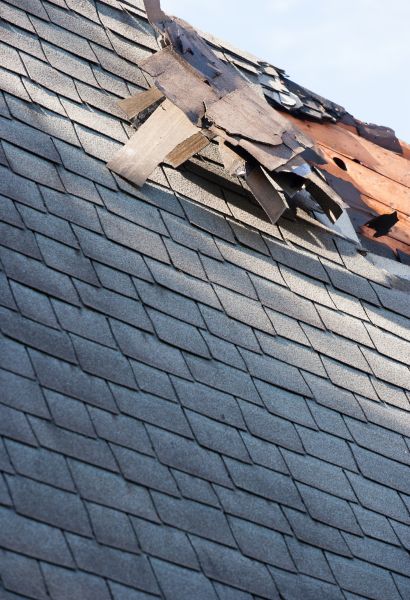
When a roof starts leaking in the middle of a storm, the priority isn’t a perfect fix. It’s stopping water from getting inside right now. That’s where a temporary roof repair comes in. It’s not the same thing as a permanent repair, and knowing the difference helps you make better decisions when a leak shows up at the worst possible time.
What counts as a temporary roof repair
A temporary roof repair is exactly what it sounds like: a short-term measure meant to reduce water intrusion until a permanent repair can be done. The most common professional version of this is emergency roof tarping, where a heavy-duty tarp is secured over the damaged area to keep water out while materials are sourced, weather clears, or scheduling is arranged. A temporary fix isn’t meant to last for months. It’s meant to buy time safely.
When a temporary fix makes sense
A temporary repair is the right call in a few specific situations:
- An active leak during or right after a storm, when a permanent repair isn’t safe or practical yet
- Waiting on specific roofing materials that need to be ordered
- Scheduling conflicts that push a permanent repair out a few days
- Documenting damage for an insurance claim before repairs begin
In all of these cases, the goal is the same: protect the inside of the property from further water damage while the real fix gets arranged.
What a permanent roof leak repair involves
A permanent repair addresses the actual cause of the leak, not just the symptom. That usually means identifying the exact source, whether it’s damaged flashing, a lifted shingle, or a failed seal, and correcting it with proper materials and technique. Unlike a tarp, a permanent repair is built to hold up long-term against Northwest Florida’s heat, rain, and storm exposure.
Why a temporary fix should never be the final step
Tarps and other temporary measures aren’t designed to withstand ongoing weather exposure. Left in place too long, they can degrade, shift, or fail, which lets water back in. A temporary fix should always be followed by a permanent repair as soon as it’s reasonably possible, both to protect the property and to avoid paying for temporary measures more than once.
Frequently asked questions
How long can a temporary roof repair last?
It depends on the materials and conditions, but a temporary repair like a tarp is meant to hold for days to a few weeks, not as a long-term solution. It should be followed by a permanent repair as soon as possible.
Is emergency roof tarping the same as a permanent repair?
No. Emergency roof tarping is a temporary measure to reduce water intrusion. It doesn’t fix the underlying cause of the leak.
Should I try to tarp my own roof?
Climbing onto a damaged or wet roof isn’t something we’d recommend attempting yourself. Rhino Roofing NWFL provides emergency roof tarping so the job gets done safely and correctly. For more on what’s safe to do yourself, see Should You DIY a Roof Leak Repair?
Does insurance cover temporary roof repairs?
Documentation of temporary repairs, like emergency tarping, can support an insurance claim. Check with your insurer about specific coverage for your situation.
Dealing with an active roof leak?
Rhino Roofing NWFL provides emergency roof tarping and permanent roof leak repair throughout Northwest Florida. Visit our Roof Leak Repair page to learn more or get a quote.