License Number CCC1337583
What to Do About a Leaking Roof
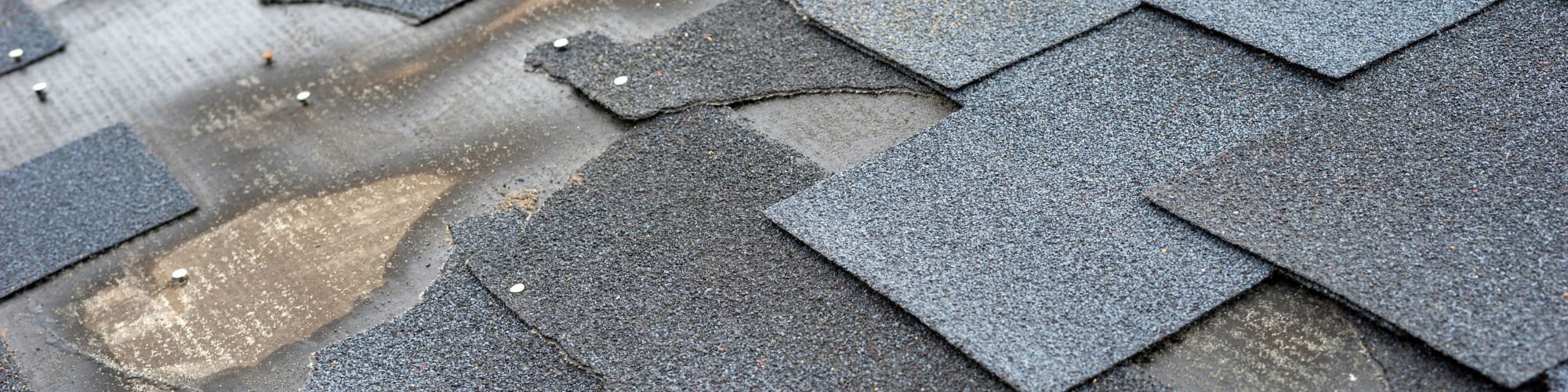
A leaking roof rarely announces itself all at once. Usually it starts small: a faint stain on the ceiling, a musty smell in the attic, a drip you only notice during a hard rain. However it shows up, a leaking roof is one of those problems that gets more expensive the longer it sits. Here’s what’s actually going on when your roof is leaking, what to do about it right away, and when to call a professional.
Common signs your roof is leaking
Not every leaking roof looks the same. Some of the more common signs include:
- Ceiling stains, usually brown or yellow rings
- Peeling paint or bubbling drywall
- A musty or damp smell, especially in the attic
- Visible water during or right after rain
- Missing, curled, or damaged shingles
- Damp insulation
A leaky roof doesn’t always show up where the water is actually entering. Water can travel along rafters or decking before it shows up as a stain, which is part of why finding the real source usually takes a proper inspection rather than a guess from the ceiling side.
What causes a roof leak
Most roof leaks trace back to a handful of common issues:
- Cracked, lifted, or missing shingles
- Damaged or improperly sealed flashing around chimneys, vents, and skylights
- Worn pipe boots and vent seals
- Clogged gutters that force water to back up under the roofline
- Ponding water on flat or low-slope roofs
- Age-related wear on roofing materials
- Storm and wind damage
A roof doesn’t need a major storm to start leaking. Plenty of leaks develop slowly, from a seal that wore out or a shingle that lifted a little more each season.
What to do when you notice a leak
If you spot a leak, a few steps can limit the damage while you arrange a repair:
- Move furniture, electronics, and belongings away from the affected area
- Place a bucket or container to catch dripping water
- If water is visibly pooling behind the ceiling, call a professional promptly. They can advise on relieving pressure safely rather than leaving it to guesswork
- Take photos of the damage for insurance purposes
- Avoid going onto the roof yourself. Wet, damaged roofing is unstable, and finding the actual source of a leak from the ground or attic is safer and often more accurate than searching for it on top of the roof
The goal in the first few hours is damage control, not diagnosis. Figuring out exactly where the water is getting in, and fixing it correctly, is a job for someone who does roof inspections regularly. If you need a temporary measure like emergency tarping while you wait, see our guide on temporary vs. permanent roof leak repair.
How a professional finds and fixes a roof leak
A proper roof leak repair starts with finding the actual source, which isn’t always directly above the stain. Rhino Roofing NWFL inspects the roof and surrounding areas, including flashing, seams, valleys, and roof penetrations, to identify where water is really getting in. Once the source is confirmed, the repair itself depends on what’s causing it: resealing flashing, replacing damaged shingles, or addressing a failed pipe boot are all common fixes. After the repair, checking for any water damage that made it inside is part of doing the job right.
Can a roof leak be fixed without a full roof replacement?
In most cases, yes. If the damage is limited to a specific area, flashing, a section of shingles, or a single penetration point, a targeted repair is usually the right solution rather than a full replacement. A full roof inspection is the best way to know for sure, especially if the roof is older or has had multiple leaks in different spots.
Frequently asked questions
How do I fix a leaky roof?
The right fix depends on the cause. A professional inspection identifies the actual source, whether that’s damaged flashing, a lifted shingle, or a worn seal, before recommending a repair.
Can I repair a roof leak myself?
Minor, temporary measures like placing a bucket or moving belongings are reasonable first steps. Climbing onto a wet or damaged roof to search for the leak isn’t something we’d recommend attempting yourself. A professional inspection is the safer and more reliable way to find the actual source. For more on what’s safe to do yourself, see Should You DIY a Roof Leak Repair?
Does a leaking roof always mean I need a new roof?
No. Many roof leaks are repairable without a full replacement, especially when the damage is limited to one area.
How quickly should I address a roof leak?
As soon as reasonably possible. A small leak can lead to insulation damage, drywall damage, or mold growth the longer it goes unaddressed.
Dealing with a leak right now?
If you’re dealing with a leaking roof in Northwest Florida, Rhino Roofing NWFL can inspect the roof, find the actual source, and walk you through the repair options. Visit our Roof Leak Repair page to learn more or get a quote.